The 3 mm Earring Guide: Sizing, Piercings, and Styling for Beginners
Discover everything about the 3 mm earring. Learn ideal piercings, material grades, gauge sizes, and styling tips for this perfectly petite stud.

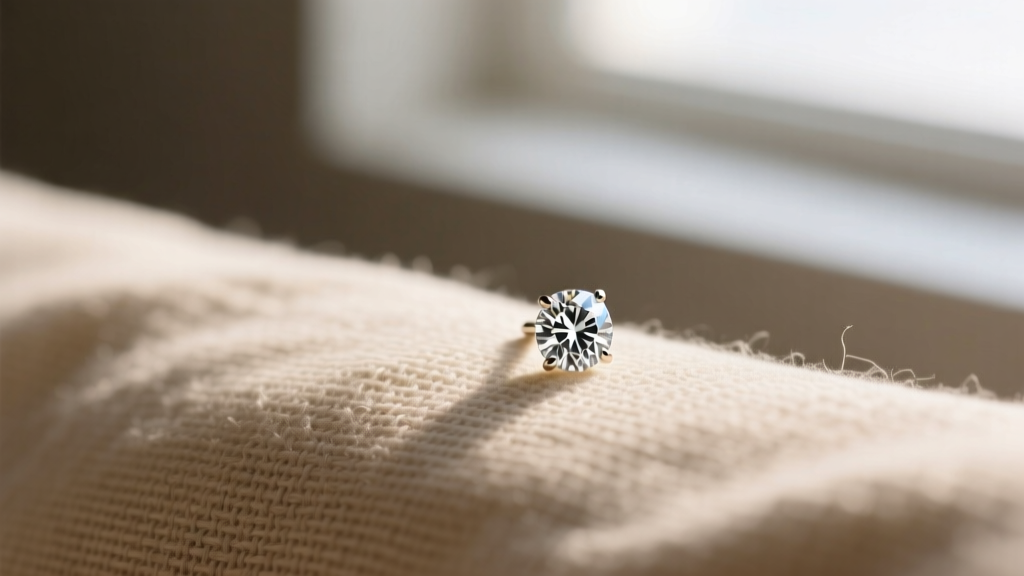
Introduction to the 3 mm Earring
When building a curated ear stack or selecting a subtle piece of jewelry for a fresh piercing, the 3 mm earring is widely considered the ultimate 'Goldilocks' size. It is large enough to catch the light and make a deliberate style statement, yet small enough to remain unobtrusive, comfortable, and highly versatile. For beginners navigating the vast world of body jewelry, understanding the exact dimensions, material requirements, and anatomical placements for a 3 mm stud is crucial for both aesthetics and healing.
In this comprehensive beginner-friendly explainer, we will break down the exact anatomy of a 3 mm earring, explore which piercings it suits best, and dive deep into the metallurgical standards you need to know to keep your piercings healthy and irritation-free.
Visualizing the 3 mm Size
Before purchasing jewelry, it helps to understand what 3 millimeters actually looks like on the body. In fractional inches, 3 mm is roughly 0.118 inches, or just under 1/8th of an inch.
- Compared to everyday objects: A 3 mm stud is approximately the size of a standard matchhead or the tip of a newly sharpened pencil.
- Compared to other jewelry: A 2 mm stud is often described as a 'micro' dot, barely noticeable. A 4 mm or 5 mm stud begins to dominate the earlobe. The 3 mm earring sits perfectly in the middle, offering a distinct sparkle without overwhelming the ear's natural anatomy.
Because of its compact profile, a 3 mm earring is the go-to choice for secondary and tertiary lobe piercings, as well as most cartilage placements where larger jewelry might snag on hair or clothing.
The Anatomy of a Perfect 3 mm Stud
A high-quality 3 mm earring is more than just a gemstone or metal bead; the hardware beneath the surface dictates how well it will heal and how comfortable it will be to wear.
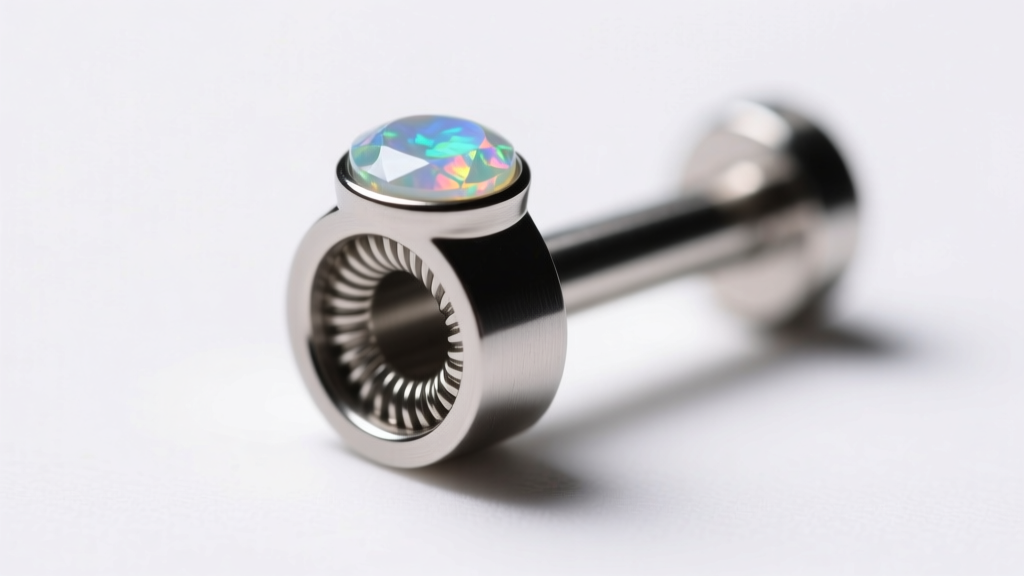
Post Thickness (Gauge)
The 'gauge' refers to the thickness of the post that passes through your piercing. For a 3 mm earring, the gauge must be matched to your specific piercing:
- 20-Gauge (0.81 mm): Standard for traditional earlobe piercings done with a piercing gun (though we strongly recommend needle piercings). Most commercial 3 mm fashion studs use this thin wire.
- 18-Gauge (1.0 mm): Common for standard lobe piercings and some delicate nostril piercings.
- 16-Gauge (1.2 mm): The gold standard for cartilage piercings (helix, tragus, conch). A 3 mm cartilage stud will almost always feature a 16G post to provide structural stability and prevent the 'cheese-cutter effect' (where thin wire migrates through the tissue).
Threading and Backings
For cartilage placements, professional piercers universally recommend flat-back labrets over traditional butterfly backings. Butterfly backings trap moisture, dead skin, and bacteria, and they press uncomfortably against the back of the ear when sleeping. Flat backs sit flush against the tissue.
Furthermore, you must pay attention to the threading. According to the Association of Professional Piercers (APP), internal threading (where the screw is on the gemstone top, and the post is smooth) or threadless push-pin designs are mandatory for fresh piercings. External threading (where the screw is on the post) acts like a cheese grater, tearing the delicate fistula (the piercing channel) every time you insert or remove the jewelry.
Ideal Piercing Placements for 3 mm Jewelry
The 3 mm earring is incredibly versatile, but its suitability changes depending on the anatomy of the piercing. Below is a breakdown of where a 3 mm stud performs best.
| Piercing Placement | Recommended Gauge | Best Backing Type | 3mm Stud Suitability |
|---|---|---|---|
| Standard Lobe | 18G or 16G | Flat Back or Butterfly | Excellent (Everyday staple) |
| Upper Lobe / Second Hole | 18G or 16G | Flat Back | Perfect (Prevents overcrowding) |
| Helix (Outer Cartilage) | 16G | Flat Back (Labret) | Ideal (Low snag profile) |
| Tragus | 16G | Flat Back (Labret) | Excellent (Fits small surface area) |
| Conch | 16G or 14G | Flat Back (Labret) | Good (Though 4-5mm is often preferred) |
| Nostril | 18G or 16G | L-Shape, Screw, or Pin | Very Good (Subtle and classic) |
Material Grades: What Touches Your Skin
When shopping for a 3 mm earring, especially for cartilage or fresh piercings, the material is non-negotiable. The American Academy of Dermatology (AAD) notes that nickel allergies are the most common cause of contact dermatitis from jewelry. Many cheap 'surgical steel' alloys contain enough nickel to trigger severe reactions.

The Safe List for 3 mm Earrings
- Implant-Grade Titanium (ASTM F-136): This is the absolute best material for healing piercings and hyper-sensitive ears. It is completely nickel-free, lightweight, and highly polished. If you are buying a 3 mm stud for a new helix or tragus piercing, this is the only metal you should consider.
- Solid 14k or 18k Gold: High-quality, nickel-free gold is excellent for healed piercings. Avoid gold-plated or gold-filled jewelry for cartilage, as the plating can wear off and expose base metals to the fistula.
- Niobium: A highly biocompatible, hypoallergenic metal that is often used by piercers when clients have severe metal sensitivities. It is slightly heavier than titanium but completely safe.
Avoid: Mystery metals, 'surgical steel' without an ASTM F-138 designation, and anything containing sterling silver for unhealed cartilage piercings (sterling silver contains copper and can oxidize, causing irritation bumps).
How to Style and Stack a 3 mm Earring
The true power of the 3 mm earring shines in a 'curated ear' project. When building an ear stack, you need a mix of anchor pieces and statement pieces. The 3 mm stud serves as the perfect 'spacer' or 'anchor'.
The Rule of Proportions
If your primary lobe piercing features a larger hoop or a 6 mm drop earring, use a 3 mm stud in your second or third lobe hole to balance the visual weight. In cartilage, a 3 mm helix stud pairs beautifully with a small, delicate chain or a 4 mm hoop in the flat area.
Pro-Tip for Sleeping: If you have multiple 3 mm cartilage studs, always ensure they are fitted with flat-back labrets. A travel neck pillow worn around the head while sleeping will keep pressure off your healing piercings and prevent the jewelry from being pushed into the tissue.
Buying Guide and Pricing Tiers
Understanding what you should pay for a 3 mm earring helps you avoid overpriced fashion jewelry or suspiciously cheap, unsafe metals. Here is what the market looks like:
- Budget / Basic ($15 - $35): Implant-grade titanium flat-backs with synthetic or cubic zirconia (CZ) gemstones. Brands like Intrinsic Body or Pierced Universe offer excellent, safe options in this tier.
- Mid-Range ($50 - $150): Solid 14k gold threadless or internally threaded studs with high-quality CZ or small, genuine gemstones (like opals or sapphires). Brands like BVLA or Maria Tasha dominate this space.
- Luxury / Fine ($200+): Designer pieces featuring genuine, ethically sourced diamonds set in 18k gold. These are typically bought for fully healed, special-occasion lobe or cartilage wear.
Final Thoughts on the 3 mm Earring
The 3 mm earring is a foundational piece in any jewelry collection. By prioritizing internal threading, flat-back designs, and implant-grade titanium or solid gold, you ensure that your piercings remain healthy, comfortable, and beautifully styled. Whether you are stepping into a piercing studio for a brand-new helix or simply upgrading your everyday lobe studs, the 3 mm size offers a timeless, elegant solution that never goes out of style.


