5 Carat Diamond Stud Earrings: Metal & Setting Guide 2026
Discover the best metals, post gauges, and settings for 5 carat diamond stud earrings to prevent earlobe droop and secure your investment.

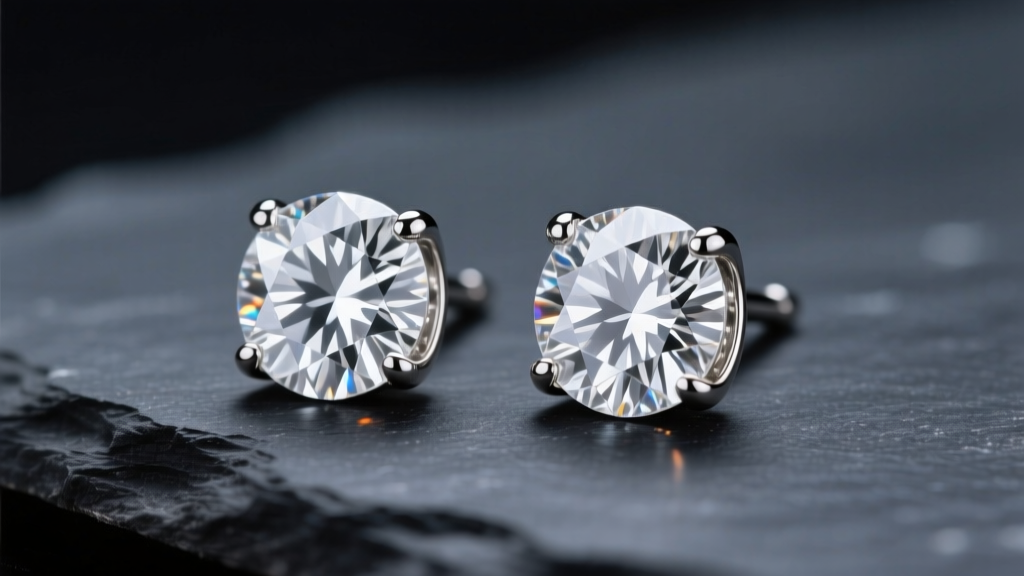
The Physics of 5 CTW: Weight, Leverage, and Earlobe Droop
When collectors and investors search for 5 carat diamond stud earrings, the focus is overwhelmingly on the gemological characteristics: cut, color, clarity, and fluorescence. However, as we navigate the 2026 high-jewelry market, the structural integrity of the mounting has become equally critical. To understand why, we must first clarify the terminology and the physics involved.
In the jewelry industry, '5 carat diamond stud earrings' almost universally refers to 5.00 Carat Total Weight (CTW), meaning each ear wears a 2.50-carat diamond. According to the Gemological Institute of America (GIA), a well-proportioned 2.50-carat round brilliant diamond measures approximately 8.8mm in diameter and weighs exactly 0.50 grams. While half a gram sounds negligible, the issue is not absolute weight—it is leverage.
An 8.8mm stone extends nearly a centimeter outward from the earlobe. This creates a fulcrum effect at the fistula (the piercing hole). If the metal post is too thin or the setting base is too narrow, the center of gravity pulls the diamond forward, resulting in the dreaded 'earlobe droop.' The diamond faces the floor rather than the observer, completely negating the optical return of a premium cut. Preventing this requires a masterclass in material science and setting architecture.
Material Showdown: Platinum vs. Gold Alloys for Heavy Studs
The choice of metal for a 5 CTW mounting is not merely an aesthetic decision regarding color; it is a structural necessity. The density, tensile strength, and work-hardening properties of the alloy dictate how well the earring will perform over decades of daily wear.
| Metal Grade | Density (g/cm³) | Prong Wear Profile | Maintenance Level | Best For |
|---|---|---|---|---|
| Platinum 950 | 21.45 | Displaces (does not flake) | Low (Polishing only) | Heirloom security, heavy stones |
| 18k White Gold | ~15.50 | Abrades and thins over time | High (Rhodium plating) | Color matching, traditional feel |
| 14k White Gold | ~13.50 | Brittle, prone to snapping | Medium (Rhodium plating) | Budget mountings, stiff posts |
Platinum 950: The Ultimate Anchor
For 5 carat diamond stud earrings, Platinum 950 (95% pure platinum, typically alloyed with 5% ruthenium or iridium) is the undisputed champion. Platinum's molecular structure is highly malleable yet possesses immense tensile strength. When a platinum prong is struck or caught on fabric, it displaces and bends rather than shearing off. Furthermore, when a jeweler sets a massive 2.50ct stone, they must cut a 'bearing' (a microscopic notch) into the prong to seat the diamond's girdle. Platinum holds this bearing crisply without cracking, ensuring the stone remains locked in place.
18k vs. 14k White Gold: The Rhodium Factor
White gold is an alloy of yellow gold and bleaching metals like palladium or nickel. 18k white gold (75% pure gold) offers a luxurious heft but is relatively soft. To achieve a bright white finish, it must be electroplated with rhodium. Over time, the friction of hair and skin wears this plating away, revealing the warm, straw-yellow undertone of the gold beneath. More critically, as Jewelers of America notes, white gold prongs actually lose microscopic layers of metal through abrasion over the years, requiring periodic re-tipping to prevent catastrophic stone loss. 14k white gold is stiffer due to its higher alloy content, but it frequently contains nickel, posing a severe contact dermatitis risk for sensitive earlobes bearing heavy weight.
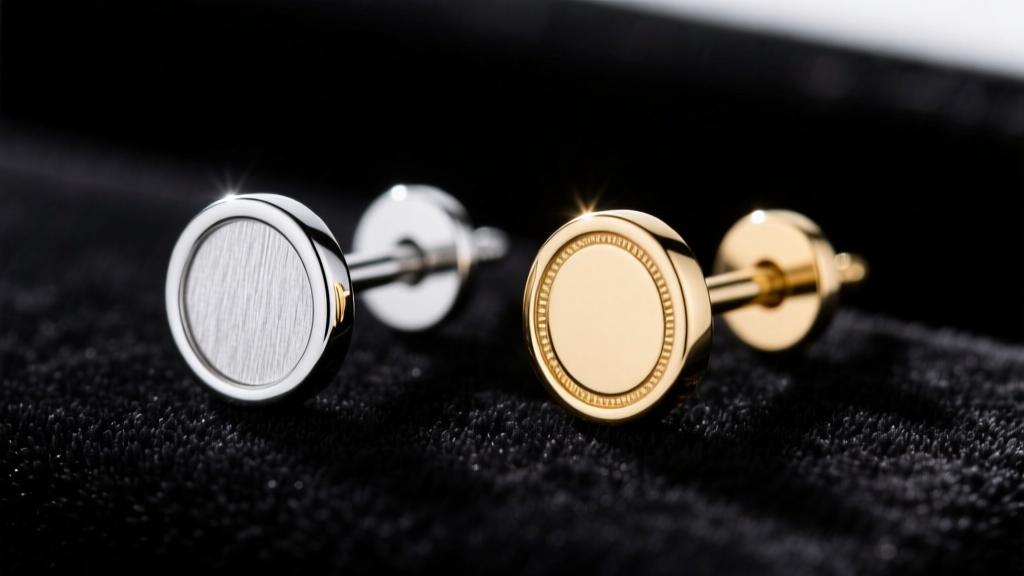
Post Gauge and Setting Architecture
The unsung hero of any heavy stud earring is the post gauge. Standard fashion earrings utilize 20-gauge (0.81mm) or even 22-gauge (0.64mm) wire. Attempting to mount a 2.50-carat diamond on a 20-gauge post is a recipe for disaster; the metal will permanently bend under the leverage of the stone, warping the piercing channel and causing chronic irritation.
Why 16-Gauge and 18-Gauge Posts Outperform
For 5 CTW studs, expert bench jewelers mandate an 18-gauge (1.02mm) or 16-gauge (1.29mm) post. The increase in thickness exponentially increases the post's resistance to bending moments. An 18-gauge platinum post provides the necessary rigidity to keep the 8.8mm diamond perfectly perpendicular to the earlobe. Note that upgrading to a thicker post requires ensuring the earlobe piercing is adequately stretched to accommodate the wider wire without causing micro-tears.
Martini vs. 4-Prong Basket Settings
The setting head must also be engineered for mass. The classic 'Martini' setting features three prongs that taper down to a single point. While this allows maximum light entry from the sides, it creates a high, unstable center of gravity. For 5 carat diamond stud earrings, a 4-prong basket setting with a solid, flat base—or a 'hidden halo' gallery—is vastly superior. The basket distributes the weight across a wider surface area against the earlobe, lowering the center of gravity and providing lateral support that prevents the diamond from tilting.
Securing the Asset: High-Tension Backings
The most flawless platinum basket setting is useless if the earring back fails. Standard 'butterfly' friction backs rely on a tiny spring mechanism that easily degrades, loosens, and ultimately slips off the post. Losing a 5 CTW diamond pair is a financial catastrophe that must be engineered out of the equation.
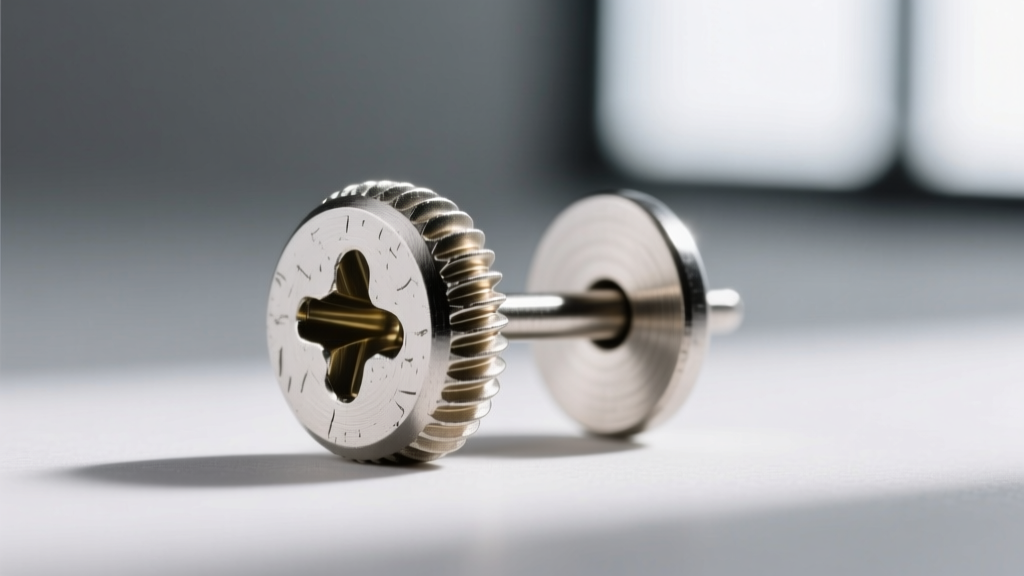
- Screw Backs: The post is threaded, and the backing screws on like a nut and bolt. This is the gold standard for heavy studs, provided the threads are precision-machined to avoid cross-threading.
- La Poussante Clutches: These feature a silicone-lined interior and a specialized locking mechanism that grips the post via tension rather than friction alone, offering a secure hold without the tedious threading process.
- Omega Clips: Often used for non-pierced clip-ons, but adaptable to heavy studs, these hinged backs snap shut over a reinforced groove in the post, providing mechanical lock-in.
2026 Market Pricing for Heavy-Duty Mountings
The landscape of high-carat earrings has shifted dramatically in 2026. With the market saturation of premium lab-grown diamonds, the cost of the 5.00 CTW stones themselves has decreased, prompting buyers to allocate a larger percentage of their budget toward the physical mounting. A standard 14k white gold friction-back setting might cost $250 to $400. However, a bespoke, hand-forged Platinum 950 basket setting with an 18-gauge threaded post and La Poussante backings will command between $1,200 and $2,500 just for the metal and bench labor. This premium is not merely cosmetic; it is an insurance policy for your investment.
Troubleshooting Existing Earlobe Droop
If you already own 5 carat diamond stud earrings that suffer from forward tilt, the metal mounting may not be the sole culprit. Over time, the fistula stretches under the constant 0.50g leverage. In these cases, jewelers recommend utilizing invisible silicone earlobe support patches (such as Lobe Wonder). These adhesive discs sit behind the earlobe, distributing the fulcrum pressure across a wider area of skin, instantly lifting the diamond back to a forward-facing angle without requiring invasive piercing repairs.
Ultimately, 5 carat diamond stud earrings are a marvel of optical physics and material engineering. By prioritizing platinum alloys, thicker post gauges, and mechanical backings, you ensure that your investment remains secure, comfortable, and brilliantly displayed for a lifetime.


