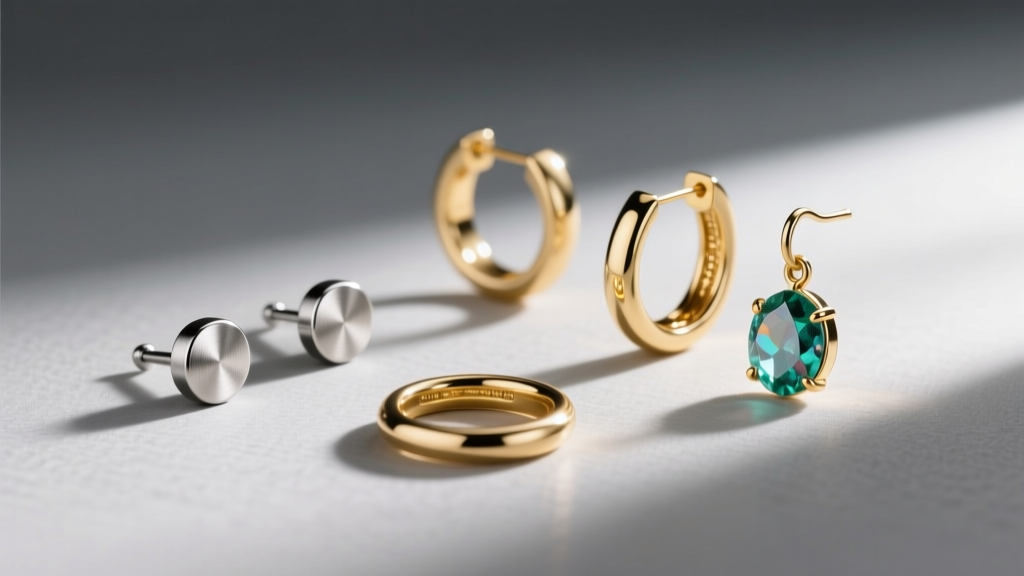
What Are Earring Backs Called? The Technical Guide to Closures
Discover exactly what earring backs are called. This technical guide explores closure mechanics, gauge sizes, threading, and material safety.

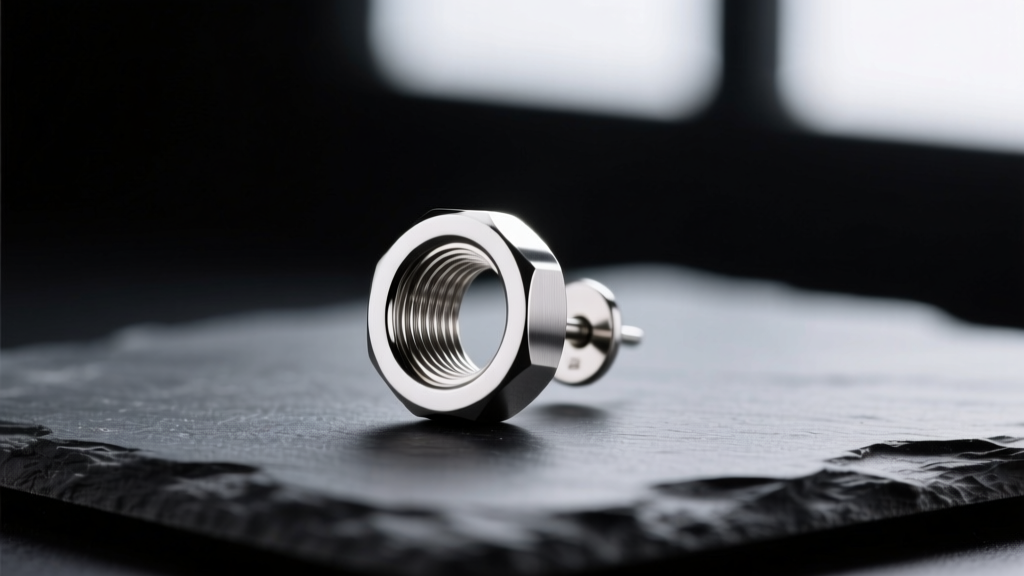
Introduction: The Engineering Behind the Ear
When consumers search for what are earring backs called, they are typically trying to replace a lost component or solve a comfort issue. However, from a metallurgical and mechanical engineering perspective, earring closures are precision fasteners responsible for securing valuable assets to a dynamic, high-mobility area of the human body. The earlobe and cartilage are subject to constant kinetic stress, temperature fluctuations, and exposure to sebum and cosmetic chemicals. A failure in the closure mechanism doesn't just mean a lost earring; it can result in tissue tearing, allergic contact dermatitis (ACD), or fistula damage.
This expert deep dive categorizes the exact terminology, mechanical principles, and material specifications of earring backs. Whether you are sourcing components for fine jewelry manufacturing or selecting secure options for heavy diamond studs, understanding the technical architecture of these closures is non-negotiable.
Post and Stud Closures: Tension vs. Threading
Stud earrings rely on a straight post that penetrates the fistula (the piercing channel). The backing must secure the post against the ear without applying excessive compressive force, which can cause pressure necrosis or restrict lymphatic drainage.
Friction Backs (Butterfly / Push Backs)
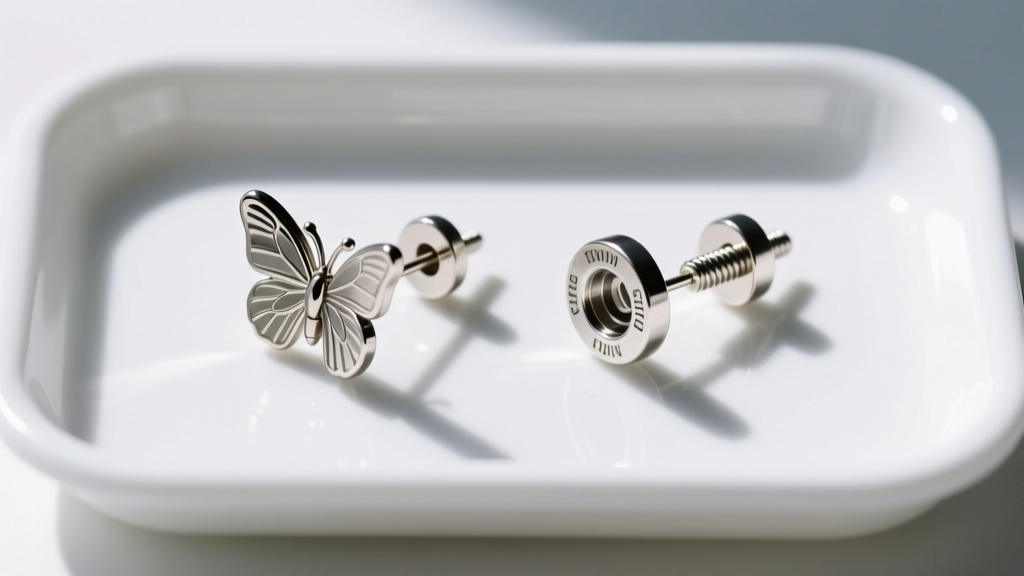
Commonly referred to as butterfly backs, push backs, or friction clutches, these are the most ubiquitous closures in commercial jewelry. They operate on the principle of elastic deformation. The metal collet (the winged sides) is stamped to exert inward radial tension against the earring post.
- Technical Specs: Typically engineered for 20-gauge (0.81mm) or 18-gauge (1.02mm) posts.
- The Notch System: The post features a machined groove or 'notch' near the tip. The collet's inner lip snaps into this groove to prevent sliding.
- Failure Mode: Tensile fatigue. Repeated prying open of the wings causes work-hardening and eventual loss of spring tension. Furthermore, aggressive cleaning can wear down the post notch, leading to spontaneous detachment.
Screw Backs (Threaded Closures)
Screw backs utilize a helical thread to secure the backing, offering vastly superior retention for high-value items like diamond solitaires. However, the terminology must distinguish between two vastly different engineering standards:
- External Threading: The threads are cut into the post itself. The Association of Professional Piercers strongly advises against external threading, as the sharp helical ridges act like a file, causing micro-abrasions to the delicate epithelial tissue of the fistula during insertion and removal.
- Internal Threading: The post is perfectly smooth, and the threads are machined into the interior of the backing cap. This is the professional and medical-grade standard, ensuring a seamless transition through the tissue.
Flat Backs (Labret Studs)
Often used in cartilage piercings (helix, tragus, conch), flat backs feature a smooth, flat disc that rests flush against the posterior of the ear. They are almost exclusively internally threaded or press-fit (where a slightly oversized pin is friction-locked into a precision-drilled hole in the backing). They eliminate the 'poke' associated with traditional pointed posts and butterfly backs, making them the gold standard for sleeping comfort.
Hoop and Dangle Closures: Hinges and Hooks
Suspension-style earrings require closures that manage pendulum dynamics and rotational stress. The mechanisms here are more complex, often involving moving parts, fulcrums, and springs.
Leverback Closures
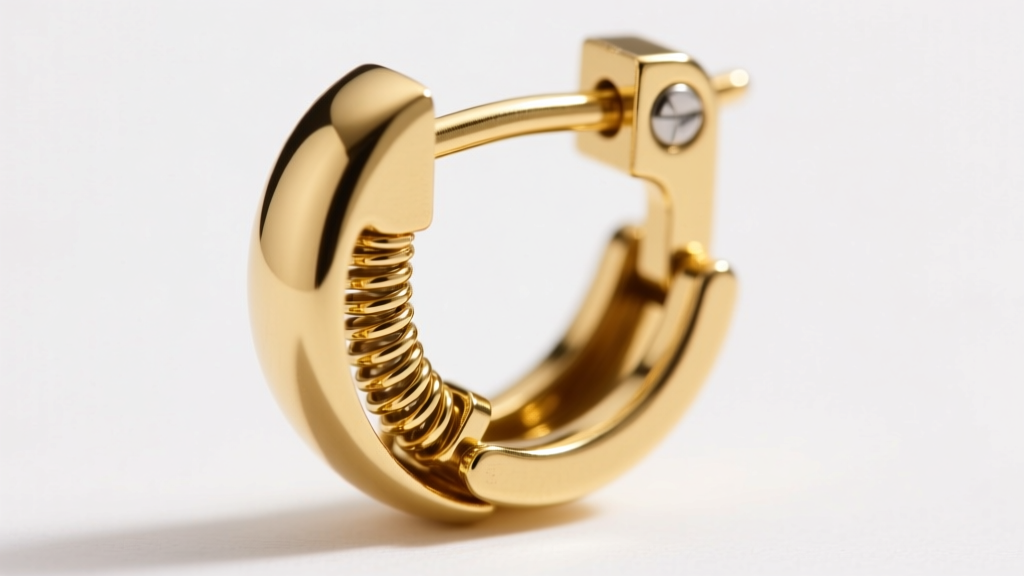
A leverback (or French lever) consists of a hook that passes through the ear and connects to a hinged clasp at the posterior. The clasp is driven by a microscopic tension spring hidden within the hinge barrel. When closed, the spring forces the clasp against the hook, creating a secure, closed loop. High-end leverbacks are cast with precise tolerances to ensure the 'click' is audible and the spring does not suffer from creep deformation over time.
Hinged Snapbacks and Latch Backs
Commonly found on huggies and medium-diameter hoops, the hinged snapback features a straight or slightly curved post that clicks into a receiving catch on the opposite end of the hoop.
Expert Insight: The security of a snapback relies entirely on the machining tolerance of the catch. If the gap between the catch and the hoop body exceeds 0.2mm, the post can dislodge when the hoop is subjected to lateral torque (e.g., catching on a sweater).
French Wire (Fishhook)
The French wire is a simple, curved hook that relies on gravity and the weight of the dangling component to stay in place. Because it lacks a mechanical locking feature, it is highly insecure on its own. Technical mitigation involves pairing the French wire with a silicone or PTFE (polytetrafluoroethylene) friction stopper (often colloquially called an 'earring nut' or 'jelly back') slid onto the posterior wire to prevent forward slip.
Technical Comparison Matrix
The following table outlines the mechanical profiles of standard earring closures, aiding jewelers and consumers in selecting the appropriate hardware for specific applications.
| Closure Type | Mechanism | Standard Gauge | Security Rating | Primary Failure Mode |
|---|---|---|---|---|
| Friction (Butterfly) | Collet Tension | 20G - 18G | Low-Medium | Metal fatigue, notch wear |
| Screw Back (Internal) | Helical Threading | 16G - 14G | Very High | Cross-threading, debris jam |
| Flat Back (Press-fit) | Friction Pin Lock | 16G - 14G | High | Pin bending, hole expansion |
| Leverback | Spring-loaded Hinge | 20G - 18G | High | Spring failure, hinge shear |
| Hinged Snapback | Click-catch Latch | 18G - 16G | Medium | Latch deformation, gap widening |
| French Wire | Gravity / Suspension | 20G | Very Low | Forward slip, wire bending |
Material Science: Biocompatibility in Closures
The mechanical design of an earring back is irrelevant if the material triggers an immune response. The posterior of the ear is highly susceptible to Allergic Contact Dermatitis (ACD), primarily driven by nickel ion release. According to the Mayo Clinic, nickel allergy is one of the most common causes of allergic contact dermatitis, affecting up to 36% of women.
Implant-Grade Titanium (ASTM F136)
For friction backs, screw backs, and flat backs that maintain prolonged, direct contact with the fistula, Implant-Grade Titanium (specifically Ti-6Al-4V ELI, conforming to ASTM F136) is the absolute benchmark. It contains zero nickel, possesses a high strength-to-weight ratio, and forms a passive oxide layer that prevents corrosion from sebum and sweat.
316L Surgical Stainless Steel
While frequently marketed as 'hypoallergenic,' 316L steel contains 10-14% nickel. The alloy is generally safe for fully healed lobes because the nickel is bound within the crystalline matrix. However, in highly acidic environments (excessive sweating) or for unhealed cartilage piercings, the nickel release rate can exceed the 0.5 µg/cm²/week threshold established by the EU Nickel Directive, triggering localized dermatitis.
Solid Gold Alloys (14k and 18k)
When manufacturing high-end screw backs or leverbacks, 14k or 18k gold is standard. However, the alloying metals matter. Palladium-white gold is preferred over nickel-white gold for the backing components, as the friction and wear of a screw back can expose underlying nickel alloys if the piece is merely gold-plated or gold-filled. Solid, nickel-free alloyed gold ensures long-term biocompatibility.
Conclusion: Precision Matters
Understanding what earring backs are called is merely the first step in mastering jewelry mechanics. Whether you are opting for the internal threading of a 14-gauge titanium flat back to protect a healing cartilage fistula, or relying on the spring-tensioned hinge of an 18k gold leverback to secure a heavy sapphire drop, the closure dictates the longevity and safety of the wear. By prioritizing internal threading, precise machining tolerances, and ASTM-certified biocompatible materials, you ensure that the engineering behind the ear is as flawless as the gemstone in front of it.