The 80s Earrings Style Revival: 2026 Trend Analysis
Discover how the bold 80s earrings style is reimagined for 2026. Explore modern geometric drops, hammered gold hoops, and expert styling tips.


The Return of Power Dressing: Decoding the 80s Earrings Style
The 1980s fundamentally redefined the relationship between jewelry and professional power dressing. Characterized by unapologetic volume, architectural geometry, and heavy metallic finishes, the original 80s earrings style was designed to command attention in boardrooms and galleries alike. As we navigate the fashion landscape of 2026, this iconic era is experiencing a massive, highly refined revival. However, the modern interpretation is not about cheap, neon-colored plastics or skin-irritating base metals. Today's 80s earrings style revival merges the bold, oversized silhouettes of the past with contemporary material science, hypoallergenic cores, and ergonomic engineering.
According to trend forecasters and historical fashion archives, the cyclical nature of jewelry trends typically operates on a 40-year loop. The current demand for statement drops and oversized domes is a direct response to the minimalist, micro-jewelry fatigue that dominated the early 2020s. Consumers are once again seeking pieces that serve as the focal point of their wardrobe, requiring less layering and more structural impact. Yet, adapting this maximalist aesthetic for modern wearability requires a deep understanding of metal grades, gauge thicknesses, and facial geometry.
Material Science: Upgrading the 80s Aesthetic for 2026
The most significant flaw of vintage 80s statement earrings was their material composition. Original pieces were frequently cast in heavy brass, pewter, or nickel alloys, finished with a microscopic flash-plating of gold that wore off within weeks, leading to severe contact dermatitis. The 2026 market has completely overhauled this approach, prioritizing skin health without sacrificing the opulent, high-shine yellow gold aesthetic that defined the decade.
The FTC Vermeil Standard vs. Flash Plating
When shopping for modern 80s-inspired button earrings or geometric drops, understanding the difference between vermeil and standard gold plating is critical. The Gemological Institute of America (GIA) and the Federal Trade Commission (FTC) strictly regulate the use of the term 'vermeil.' To qualify, a piece must feature a sterling silver (925) base coated with a minimum of 2.5 microns of 10k, 14k, or 18k gold. Many contemporary demi-fine brands are now pushing this to 3.0 or 4.0 microns for heavy-wear items like oversized 80s hoops. Conversely, 'gold-plated' or 'gold-dipped' items often use a brass base with less than 0.5 microns of gold. For a style that relies on heavy, textured metalwork, always verify the micron count to ensure the piece will not tarnish or cause allergic reactions.
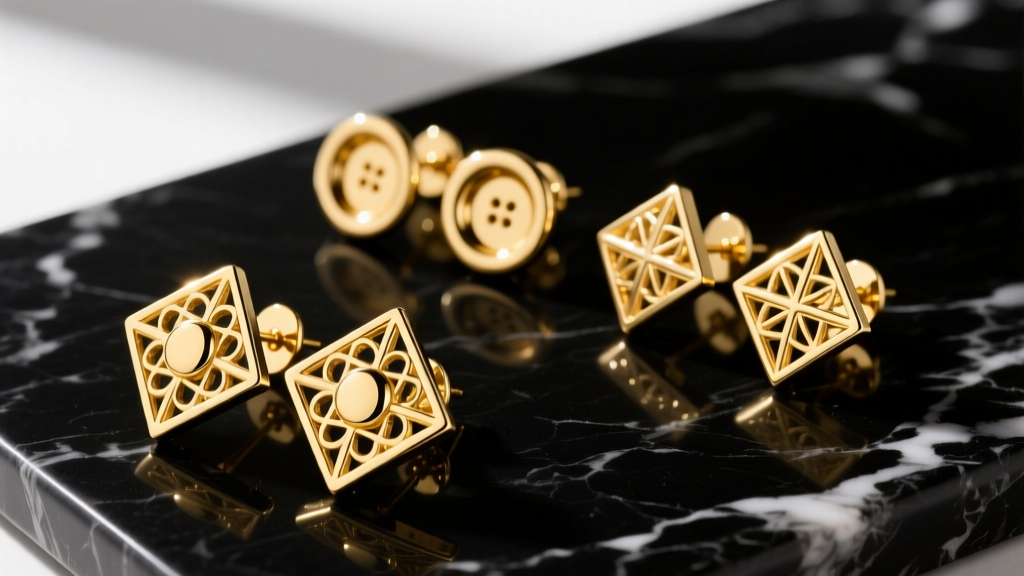
Gauge Thickness and Lobe Biomechanics
The 80s earrings style is inherently heavy. Vintage geometric drops can easily weigh between 15 and 25 grams per ear. Standard lobe piercings are typically done at 20-gauge (0.81mm) or 18-gauge (1.02mm). Hanging a 20-gram brass triangle from a 20-gauge wire creates a 'cheese-cutter' effect, gradually stretching the piercing hole and causing permanent lobe drooping over time.
To combat this, 2026 jewelry designers are engineering statement pieces with thicker posts. When purchasing heavy 80s-style drops, look for 16-gauge (1.29mm) or 14-gauge (1.63mm) posts. If you already own vintage pieces with thin wires, utilize silicone earring support patches (such as Lobe Wonder) which adhere to the back of the earlobe to distribute the weight across a wider surface area, preventing tissue tearing.
Core Silhouettes Defining the 2026 Revival
The modern 80s earrings style is categorized by three distinct silhouettes, each updated for contemporary wearability. Below is a breakdown of the key shapes dominating the market, their modern adaptations, and current pricing tiers for high-quality demi-fine pieces.
| 80s Silhouette | 2026 Modern Adaptation | Ideal Material Grade | Est. Price Range (Demi-Fine) |
|---|---|---|---|
| Oversized Geometric Drops | Hollow-core casting to reduce weight by 40%; matte brushed finishes | 18k Vermeil over 925 Silver | $85 - $160 |
| Textured Button Domes | Omega-back closures for secure fit; hammered or bark-texture surfaces | 316L Surgical Steel with PVD Gold Coating | $45 - $95 |
| Chunky Tubular Hoops | Asymmetrical thickness; hinged clicker closures for 16g+ lobes | Solid 14k Gold or Titanium | $180 - $350 |
Face Shape Mapping for Bold Geometrics
Because the 80s earrings style relies on volume and sharp angles, selecting the correct silhouette for your specific face shape is paramount to achieving a balanced, high-fashion look rather than an overwhelming one.
- Round Faces: Opt for elongated, sharp geometric drops (like long rectangles or narrow triangles). The vertical lines draw the eye downward, creating an illusion of length and balancing the soft curves of the jawline. Avoid large, perfectly round dome buttons.
- Square Faces: Soften a strong, angular jawline with oversized, textured dome buttons or chunky, rounded tubular hoops. The curved metallic surfaces provide a necessary contrast to sharp bone structure.
- Heart-Shaped Faces: Balance a wider forehead and narrower chin with teardrop-shaped 80s drops or bottom-heavy geometric designs that add visual width to the lower half of the face.
- Oval Faces: The most versatile canvas. Oval faces can effortlessly carry the most extreme, asymmetrical, and wide-set architectural pieces characteristic of the original 80s runway aesthetic.
Styling Framework: Avoiding the Costume Trap
The primary risk of adopting a retro trend is looking like you are wearing a costume. The key to mastering the 80s earrings style in 2026 lies in contrast and restraint in the surrounding styling.
The Lobe and Cartilage Balance
In the 1980s, ear styling was largely limited to single, heavy lobe piercings or clip-ons. Today, the cartilage stack offers a brilliant way to modernize the look. If you are wearing massive, 80s-inspired hammered gold drops in your primary lobe piercing, keep your cartilage stack incredibly minimal. Pair the heavy drops with a simple, 16-gauge titanium threadless stud or a micro-huggie in the helix. This creates a deliberate, curated contrast between maximalist vintage inspiration and modern minimalist precision.
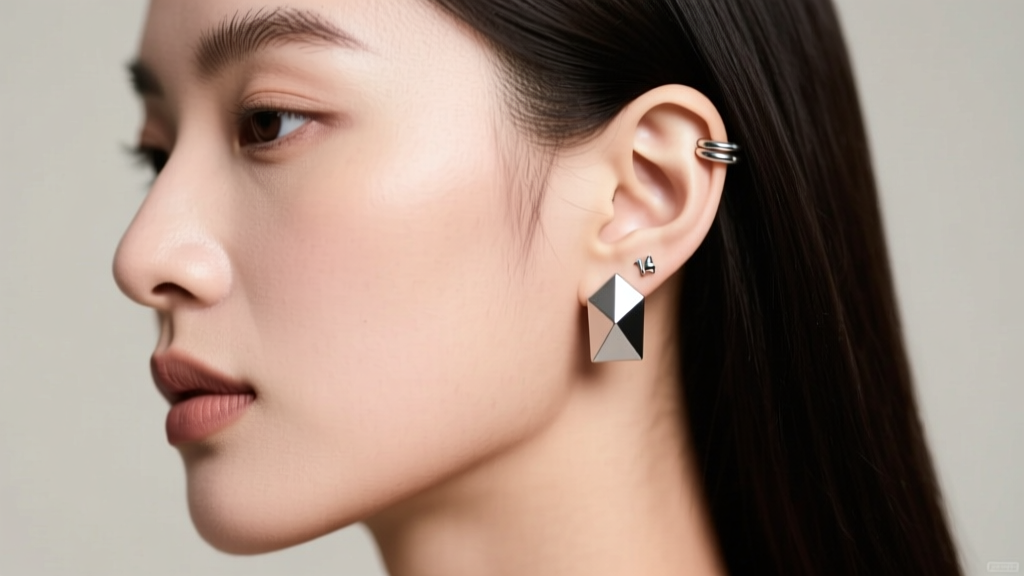
'The secret to wearing power earrings today is letting them breathe. Pull the hair back into a severe, architectural chignon or a slicked-back bob. The earring must be the undisputed protagonist of your profile.' - Vogue Jewelry Editorial
Maintenance and Care for Textured Metals
The 80s earrings style heavily features hammered, brushed, and bark-textured metal finishes. While beautiful, these textures trap sebum, cosmetics, and environmental dust far more easily than high-polish surfaces. Improper cleaning can ruin the intentional matte finishes that define modern 80s replicas.
What to Avoid: Never use ultrasonic cleaners on hammered vermeil or oxidized silver pieces. The high-frequency vibrations can strip the gold plating from the textured crevices and remove intentional antiquing.
The Correct Protocol: Create a gentle bath of lukewarm water and a few drops of phosphate-free dish soap. Use a baby-soft toothbrush to gently agitate the dirt out of the hammered grooves. Rinse thoroughly with distilled water (tap water minerals can cause spotting on matte gold) and dry immediately with a microfiber cloth. Store heavy pieces flat in a lined box to prevent the posts from bending under their own weight.
Final Verdict on the 80s Revival
The 80s earrings style is not a fleeting micro-trend; it is a permanent restoration of 'power jewelry' into the modern wardrobe. By prioritizing FTC-compliant vermeil, respecting lobe biomechanics with thicker gauge posts, and applying strategic face-shape mapping, you can confidently integrate these bold, architectural pieces into your 2026 rotation. The goal is not to replicate the past, but to harness its unapologetic confidence through the lens of modern craftsmanship.


