The Ultimate Agnes B Earrings Troubleshooting Guide
Discover expert troubleshooting for Agnes B earrings. Learn to authenticate vintage pieces, repair broken posts, and restore chipped enamel finishes.

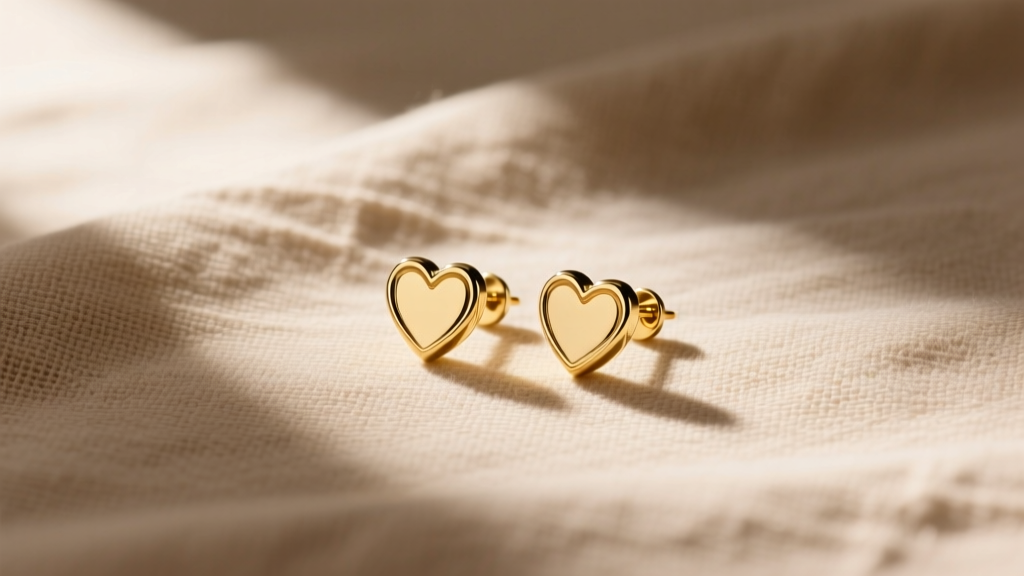
Agnès b. earrings are celebrated for their minimalist French elegance, often featuring iconic motifs like the snap-card heart, delicate stars, and clean geometric lines. However, as these pieces age or circulate in the secondary vintage market, owners frequently encounter specific material failures, authenticity questions, and structural damage. As we navigate the vintage and pre-owned jewelry market in 2026, counterfeit Agnès b. pieces have become increasingly sophisticated, and improper cleaning methods continue to ruin delicate finishes.
This comprehensive troubleshooting guide dives deep into the material science of Agnès b. earrings, providing actionable, expert-level solutions for authentication, enamel restoration, and structural repair.
Identifying Authentic Agnès B. Earrings vs. Counterfeits
Before attempting any repairs, you must verify authenticity. Counterfeiters often replicate the general shape of the iconic heart or star studs but fail on microscopic details and material composition.
Typography and Hallmark Analysis
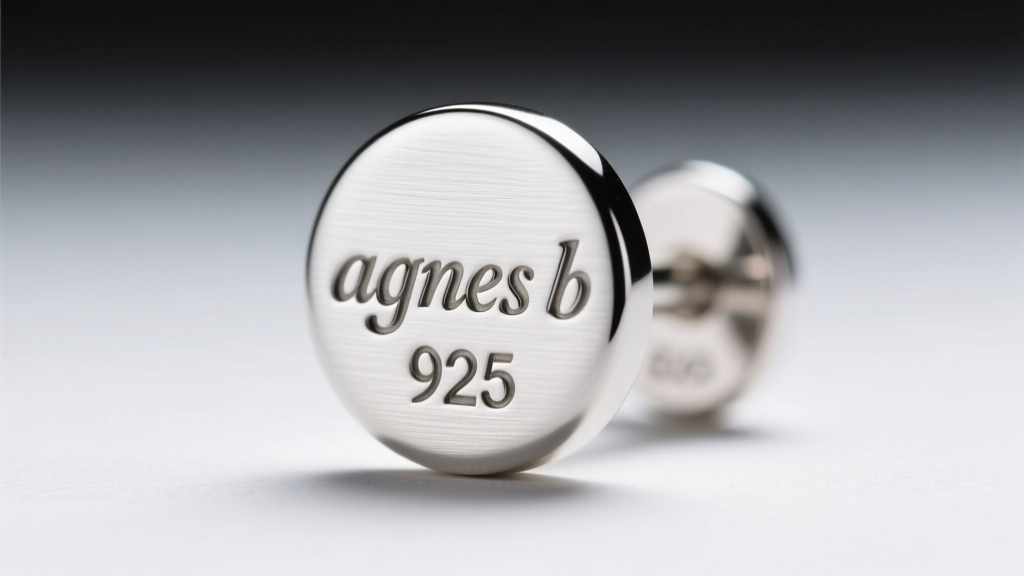
Authentic Agnès b. jewelry utilizes a very specific, custom-tracked lowercase sans-serif font for the brand mark. On genuine sterling silver pieces, you will find the 'agnès b.' logo alongside a '925' stamp.
- Font Kerning: Fakes often use standard Arial or Helvetica with default kerning. Genuine stamps have slightly wider tracking between the letters.
- Stamp Depth: Authentic hallmarks are laser-engraved or deeply struck with clean, sharp edges. Counterfeits often show shallow, blurred, or acid-etched markings.
- Copyright Symbols: Many vintage pieces from the 1990s and 2000s include a tiny '©' next to the brand name. Its absence on a piece claimed to be from that era is a red flag.
Magnetic and Weight Testing
Agnès b. earrings are typically crafted from 925 sterling silver or a high-quality brass base for plated fashion lines. If your earrings are magnetic, they contain a ferrous base metal (like steel or cheap iron alloy) and are definitively fake. Furthermore, genuine sterling silver has a specific density; counterfeit pieces often feel suspiciously light due to hollow casting or the use of aluminum alloys.
Common Material Failures & How to Fix Them
The brand frequently utilizes gold vermeil and cold enamel. Both materials require highly specific care protocols. Standard jewelry cleaners will permanently destroy these finishes.
The Gold Vermeil Tarnish Dilemma
By FTC Jewelry Guidelines, gold vermeil must consist of a sterling silver base coated with at least 2.5 microns of gold. When Agnès b. vermeil earrings tarnish or show black spots, it means the gold layer has worn away, exposing the underlying silver to sulfur and oxygen.
The Fix: Do not use abrasive silver polishing cloths, as they will strip the remaining gold micron layers. Instead, use a mild, non-abrasive surfactant (like diluted baby shampoo) and a microfiber cloth. For severe black tarnish on the exposed silver, apply a microscopic drop of silver dip specifically formulated for vermeil using a cotton swab, neutralizing it immediately with distilled water. To restore the gold color, the piece must be professionally re-plated by a jeweler who specializes in 2.5-micron vermeil electroplating.
Restoring Chipped Cold Enamel
The iconic red hearts and black stars are typically finished with cold enamel (a two-part epoxy resin), not vitreous (fired glass) enamel. Cold enamel is prone to chipping if dropped on hard surfaces.
- Preparation: Clean the chipped area with isopropyl alcohol to remove skin oils.
- Color Matching: Source a jeweler's two-part clear epoxy. Mix in microscopic amounts of dry mica powder or specialized resin pigment to match the Agnès b. signature red (a deep, opaque crimson) or black.
- Application: Use a 0.1mm detailing needle to drop the epoxy into the chip. Surface tension will keep it from spilling over the metal bezel.
- Curing and Polishing: Allow 24 hours for a full cure. If the epoxy sits proud of the metal, wet-sand it flush using 2000-grit then 5000-grit micro-mesh pads, finishing with a plastic-safe polishing compound.
Post and Backing Troubleshooting
Because Agnès b. earrings are often worn daily, the friction posts and solder joints are subject to high mechanical stress. A broken post is a common failure mode, but the repair method is critical to saving the enamel.
Why Traditional Soldering Fails
Traditional torch soldering requires heating the entire earring to over 1,200°F. This will instantly melt, scorch, or yellow the cold enamel resin and cause the gold vermeil to flake off.
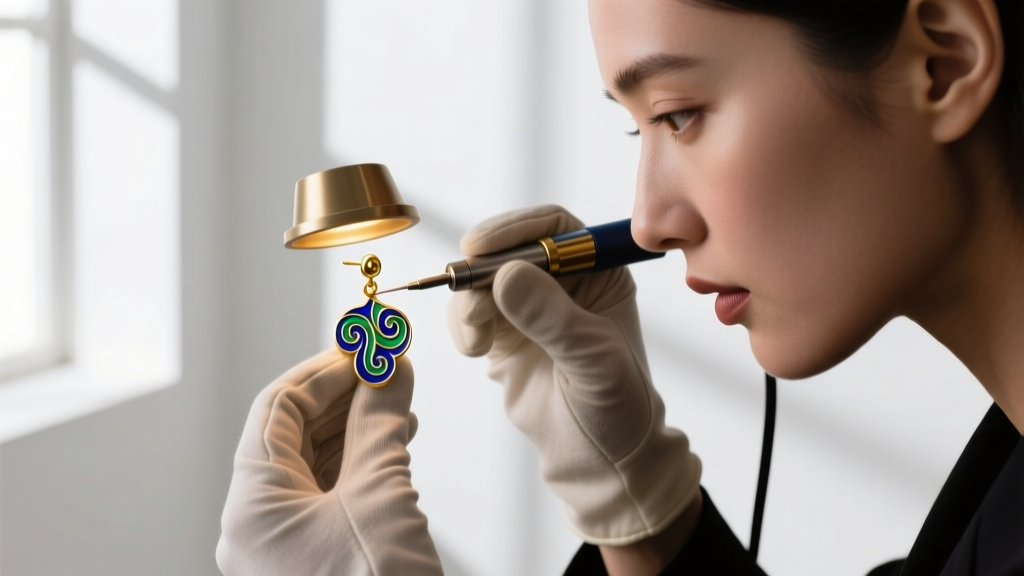
The Solution: Laser Welding. A precision Nd:YAG laser welder focuses a microscopic beam of light to fuse a new post to the base metal in a fraction of a second. The heat-affected zone is less than 1mm, leaving the enamel and plating completely undamaged. Always seek a jeweler equipped with a laser welder for Agnès b. repairs.
Earring Post Gauge Matrix
When ordering replacement posts or friction backs, you must match the exact gauge. Using a backing that is too tight will bend the post; one that is too loose will result in lost earrings.
| Post Gauge | Millimeter | Common Agnès b. Style | Recommended Backing Type |
|---|---|---|---|
| 22 Gauge | 0.64mm | Delicate vintage stars, lightweight drops | Standard butterfly friction back |
| 20 Gauge | 0.81mm | Standard heart studs, small hoops | La Pousette locking back or silicone clutch |
| 18 Gauge | 1.02mm | Heavy statement pieces, thick wire huggies | Heavy-duty jumbo friction back |
Sourcing Replacement Parts for Discontinued Lines
Agnès b. frequently retires seasonal collections, making official replacement parts impossible to source directly from the boutique. If you have lost a specific enameled drop or a custom backing:
- For Friction Backs: Upgrade to 18k gold-plated La Pousette locking backs. They provide a secure, mechanical lock that prevents the loss of valuable vintage studs.
- For Missing Drops: Search Japanese proxy auction sites (like Buyee or ZenMarket). Agnès b. has a massive, dedicated collector market in Japan, and 'junk' (damaged/parts-only) listings frequently appear there, allowing you to harvest intact enameled charms to rebuild your earrings.
Preventative Maintenance for Long-Term Wear
According to the Gemological Institute of America (GIA), silver tarnish is primarily caused by exposure to sulfur compounds in the air and everyday products. To preserve your Agnès b. collection:
- Storage: Store each pair individually in airtight polyethylene zip bags with a 3M anti-tarnish strip. Do not use PVC or vinyl jewelry boxes, as the off-gassing chemicals accelerate resin and plating degradation.
- Chemical Avoidance: Always apply perfume, hairspray, and sunscreen before putting on your earrings. The alcohol and emulsifiers in cosmetics will break down the epoxy bonds in cold enamel over time.
- Friction Back Hygiene: Once a month, soak your metal friction backs in warm water and a drop of dish soap, using a soft brush to remove dead skin cells and lotion buildup that can corrode the post over time.
By understanding the specific material properties of Agnès b. earrings, you can confidently authenticate, repair, and preserve these iconic French designs for decades to come.


