Alabama Earrings: Best Materials for Crimson & Southern Styles
Discover the best metals and enamels for Alabama earrings. Compare sterling silver, titanium, and vitreous enamel for durable game-day wear.

The Unique Demands of Alabama Game-Day and Heritage Jewelry
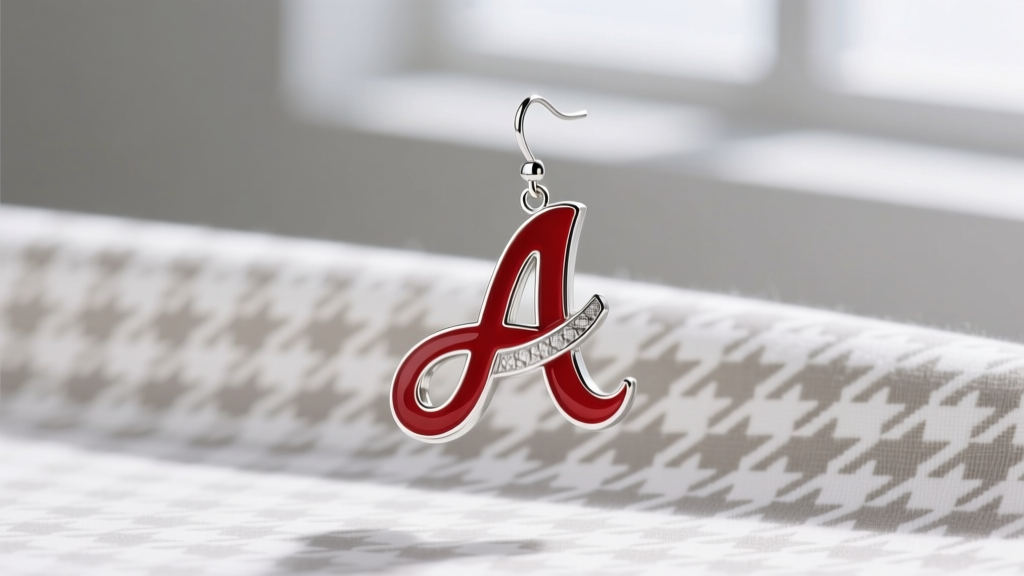
When curating a collection of Alabama earrings, buyers and collectors are typically looking for one of two distinct aesthetics: the spirited crimson-and-silver collegiate motifs (like the iconic Script A or houndstooth patterns) or the elegant, heritage-inspired Southern designs featuring magnolias, pearls, and filigree. However, the environmental realities of wearing jewelry in the Deep South—particularly during early-season tailgates in Tuscaloosa where temperatures frequently exceed 90°F with relative humidity hovering above 70%—demand a rigorous approach to material selection. Sweat, high moisture, and prolonged UV exposure can rapidly degrade inferior metals and cheap colorants. In this comprehensive 2026 material guide, we break down the exact metallurgical and enamel properties you need to look for to ensure your Alabama earrings remain pristine, hypoallergenic, and structurally sound from the pre-game kickoff to the final whistle.
The Crimson Factor: Vitreous vs. Cold Enamel
The signature crimson red found in high-quality Alabama earrings is almost exclusively achieved through enameling. However, not all enamel is created equal. The market is currently flooded with cold enamel (epoxy resin) pieces, but serious collectors and those seeking heirloom durability must look for vitreous (hot) enamel. According to the Gemological Institute of America (GIA), vitreous enamel is essentially ground glass mixed with metal oxides for color, which is fired in a kiln at temperatures between 1380°F and 1560°F. This process fuses the glass directly to the metal substrate, creating a permanent, scratch-resistant bond.
UV and Heat Degradation in Stadium Environments
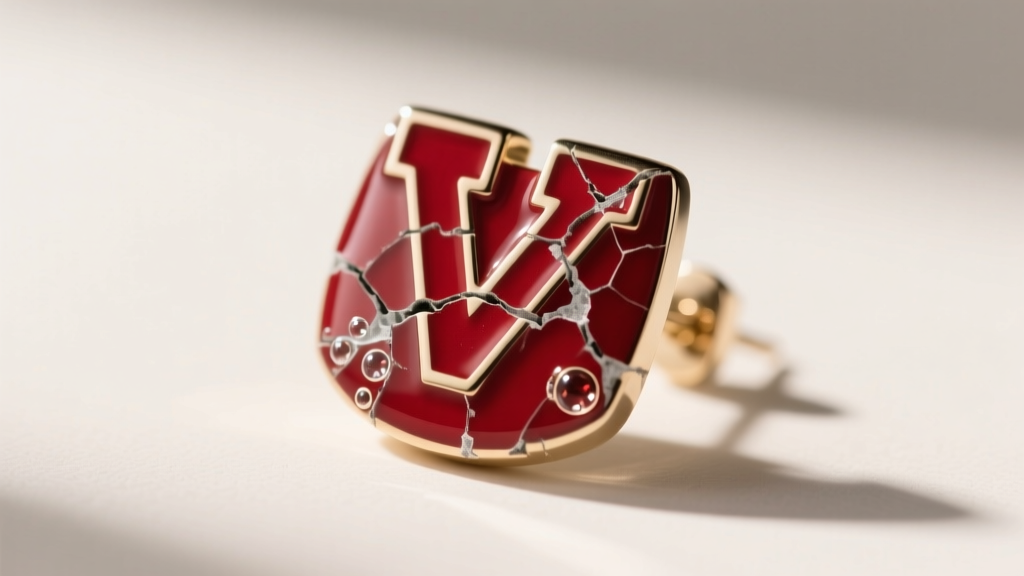
Cold enamel, conversely, is a two-part epoxy resin that cures at room temperature. While it is cheaper to produce and allows for intricate, multi-color houndstooth or mascot designs without metal cloisons, it is highly susceptible to UV degradation. Prolonged exposure to direct stadium sunlight will cause cold epoxy resins to yellow and become brittle over a 3-to-5-year period. Vitreous enamel, being glass-based, is entirely UV-stable and impervious to the intense heat of a Southern September afternoon. If you are investing in premium crimson drop earrings or dangles, always verify that the manufacturer uses kiln-fired vitreous enamel.
Sterling Silver vs. White Gold: Battling Southern Humidity
Silver is the foundational metal for Alabama collegiate jewelry, representing the 'A' and the elephant motifs. Standard 925 sterling silver consists of 92.5% pure silver and 7.5% copper. While the copper adds necessary tensile strength for stamping and casting, it is also the culprit behind tarnishing. In high-humidity environments, the copper reacts with sulfur compounds and moisture in the air (and in human sweat), forming a dark layer of copper sulfide on the earring's surface.
To combat rapid tarnishing during humid tailgates, look for sterling silver Alabama earrings that feature a heavy rhodium plating. While standard 'flash' plating is a mere 0.1 to 0.5 microns thick and wears off within months, a premium heavy plate of 1.5 to 2.0 microns will provide a durable, tarnish-resistant barrier that mimics the look of white gold.
For those willing to invest in luxury Southern heritage styles, 14k or 18k white gold offers superior tarnish resistance. However, be cautious of nickel allergies. White gold is often alloyed with nickel to achieve its silvery hue. The American Academy of Dermatology notes that nickel is the most common cause of allergic contact dermatitis. If you have sensitive lobes, insist on 14k white gold alloyed with palladium instead of nickel, or opt for platinum.
Hypoallergenic Tailgating: Implant-Grade Titanium and Anodization
For fans who spend 12+ hours outdoors, sweat accumulation can trigger severe contact dermatitis from base metals or low-karat gold alloys. The ultimate solution for sensitive ears is implant-grade titanium, specifically certified to ASTM F136 (Ti-6Al-4V ELI). This aerospace and medical-grade alloy contains virtually no nickel and is entirely biocompatible.
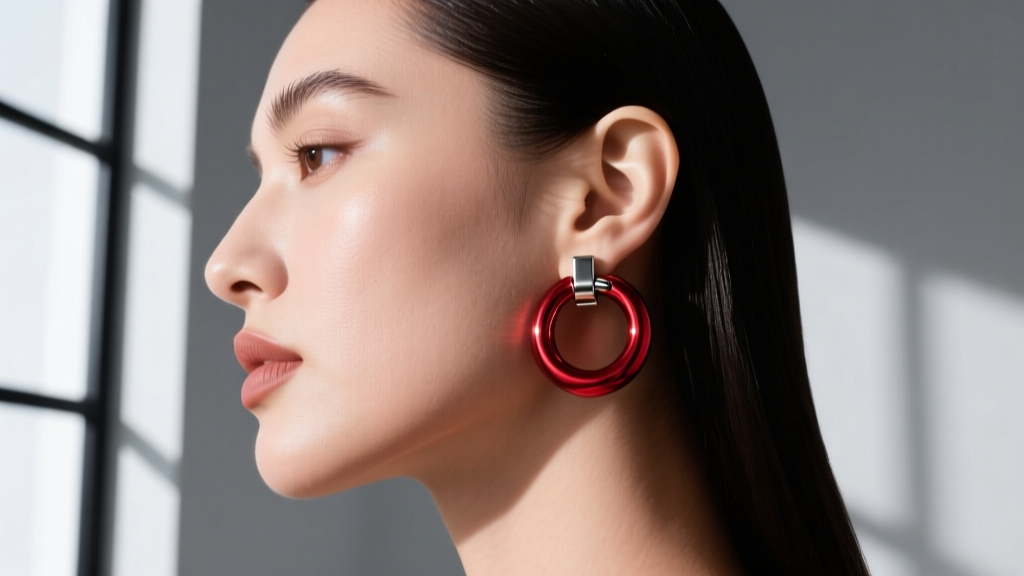
But how do you get crimson titanium without using paint or resin? The answer is anodization. By submerging the titanium earring in an electrolyte bath and applying a specific voltage, the natural oxide layer on the metal's surface is thickened. This oxide layer refracts light to produce vibrant, permanent colors—including deep crimson—without the use of any dyes or enamels. Anodized titanium huggies and clicker rings are currently the gold standard for hypoallergenic, weather-proof game-day jewelry.
Material Comparison Matrix for Alabama Earrings
| Material | Composition / Grade | Tarnish & UV Resistance | Est. Price Range | Best Application |
|---|---|---|---|---|
| Vitreous Enamel | Fused Silica & Metal Oxides | Excellent (UV Stable) | $80 - $250 | Script A Drops, Houndstooth Studs |
| 925 Sterling Silver | 92.5% Ag, 7.5% Cu | Poor (Requires Rhodium) | $40 - $150 | Vintage Filigree, Magnolia Motifs |
| ASTM F136 Titanium | Ti-6Al-4V ELI | Exceptional (Biocompatible) | $60 - $180 | Anodized Huggies, Cartilage Clickers |
| 14k Palladium White Gold | 58.5% Au, Pd, Ag | Excellent (No Nickel) | $300 - $800+ | Diamond Accent Heritage Drops |
Gauge Sizes, Backings, and Structural Integrity
Material quality means little if the hardware fails during an active game day. The structural integrity of your Alabama earrings relies heavily on the wire gauge and the backing mechanism. Standard lobe piercings are typically done at 20-gauge (0.81mm) or 18-gauge (1.02mm). If you are purchasing heavy enamel drop earrings or solid gold magnolia dangles, an 18-gauge post is highly recommended to prevent the wire from bending under the pendant's weight.
- Friction Backs (Butterfly): Standard for most studs, but prone to slipping off during crowded stadium navigation or hugging. Ensure the backing has a rolled edge to prevent scratching the neck.
- Screw Backs: Feature a threaded post that requires a twisting nut. Ideal for high-value diamond or pearl Alabama earrings, as they are virtually impossible to lose accidentally.
- Flat Backs (Labret Style): The premier choice for cartilage piercings (helix or tragus) featuring titanium Crimson Tide clickers. The flat disc sits flush against the back of the ear, eliminating the painful pressure points caused by traditional butterfly clasps when wearing headphones or resting your head.
Final Verdict: Investing in Longevity
Whether you are hunting for the perfect pair of houndstooth enamel studs to honor Coach Bear Bryant or elegant freshwater pearl drops for a Southern wedding, the material composition dictates the lifespan of the piece. By prioritizing vitreous enamel over epoxy, demanding heavy rhodium plating on sterling silver, and utilizing ASTM F136 titanium for sensitive cartilage piercings, you ensure that your Alabama earrings are not just game-day accessories, but durable, wearable heirlooms capable of withstanding the unique environmental challenges of the South.


