Step-by-Step: Style Your Album Golden Earring Capsule
Learn how to curate, style, and maintain an album golden earring capsule. Step-by-step guide on gold karats, gauge sizes, and archival storage.

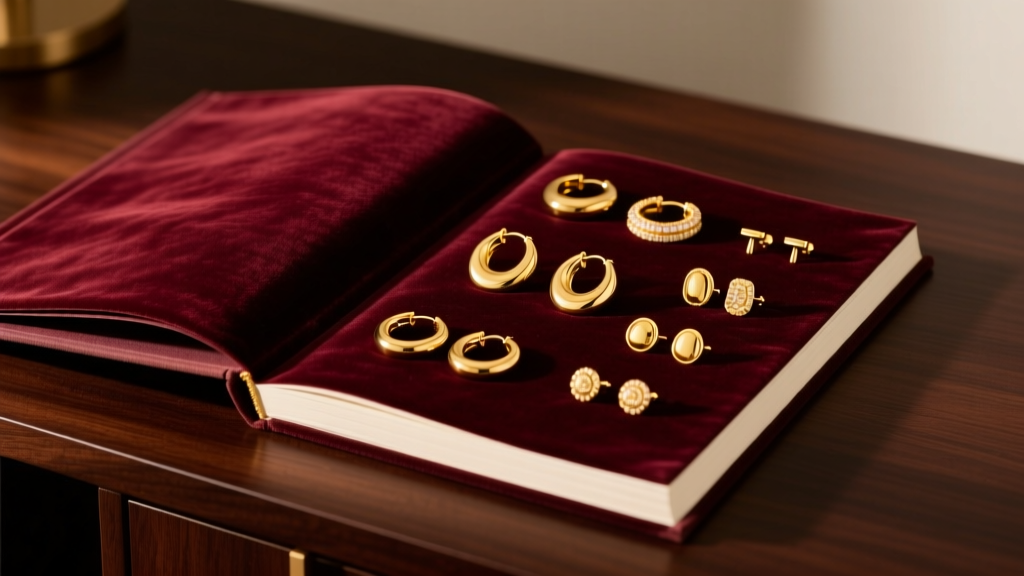
The Art of the Earring Archive
In the modern jewelry landscape of 2026, the concept of a "capsule wardrobe" has fully migrated into the jewelry box. Curating an album golden earring collection is not merely about hoarding metal; it is about building a deliberate, archival-quality lineup of gold earrings that function as a cohesive visual album. Each piece should serve a distinct purpose, from the structural integrity of everyday cartilage huggies to the delicate drape of lobe threaders. This step-by-step guide will walk you through selecting the right gold alloys, mapping styles to your anatomy, and maintaining your collection with professional-grade care.
Step 1: Select Your Gold Alloy Foundation
The foundation of any premium earring album is the metal itself. Pure 24k gold is too soft for structural jewelry, meaning alloying metals (like copper, silver, and zinc) are added to create durable karatages. Understanding these differences is critical when investing in pieces meant to last a lifetime.
| Karatage | Gold Purity | Durability & Best Use | 2026 Avg. Price Range (Per Pair) |
|---|---|---|---|
| 14k Gold | 58.5% | Highly durable. Ideal for clickers, huggies, and active-wear hoops. | $250 - $550 |
| 18k Gold | 75.0% | Rich color, moderate durability. Best for studs, drops, and low-impact lobes. | $400 - $850 |
| 22k Gold | 91.6% | Soft, deep yellow hue. Reserved for archival stud tops and traditional designs. | $600 - $1,200+ |
According to the Gemological Institute of America (GIA), the specific mix of alloying metals also dictates the color of the gold. For a classic yellow gold album, look for pieces alloyed with a higher ratio of silver to copper, which prevents the metal from skewing too red or "rose" over time.
Step 2: Build the 5-Piece Core Lineup
A well-rounded earring album requires a mix of silhouettes and gauge sizes. Standard lobe piercings are typically 20-gauge (0.81mm) or 18-gauge (1.02mm), while upper lobe and cartilage piercings (like the helix or tragus) are usually 16-gauge (1.29mm). Here is the essential 5-piece lineup to build your capsule:
- The Everyday Threader (14k, 20g): A minimalist 14k yellow gold chain threader that pulls through the lobe. It offers adjustable length and zero pressure on the piercing channel while sleeping.
- The Seamless Huggie (14k, 16g/18g): A continuous hoop with an internal diameter of 8mm to 10mm. The 16g thickness ensures it won't bend when worn in tougher cartilage tissue.
- The Statement Hoop (18k, 18g): A 25mm to 30mm classic hoop with a secure latch-back closure. The 18k gold provides a luxurious, saturated yellow tone that catches the light beautifully.
- The Archival Stud (18k or 22k, 20g): A bezel-set gemstone or textured gold dome. The post should be at least 0.9mm thick to prevent bending during insertion.
- The Ear Cuff (14k, No Piercing Required): A structural, adjustable cuff that wraps around the upper helix, adding volume to your album without requiring additional needlework.
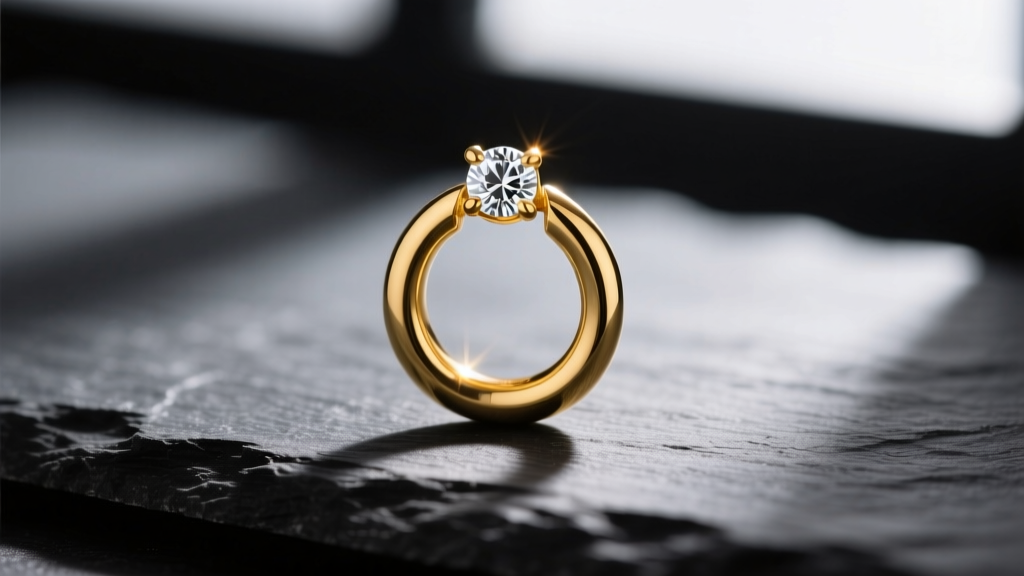
Mapping Silhouettes to Face Shapes
When curating your album, consider how the geometry of the earrings interacts with your facial structure. Round faces benefit from angular, elongated drop earrings that create the illusion of length. Conversely, square jawlines are softened by the continuous curves of medium-to-large circular hoops. Oval face shapes possess the most versatility, able to pull off geometric studs and chandelier drops with equal elegance. Heart-shaped faces should look toward teardrop silhouettes that add visual weight to the lower half of the face, balancing a narrower chin.
Step 3: Implement Archival Storage Techniques
Storing your golden treasures in a tangled pile at the bottom of a drawer is the fastest way to degrade your investment. Gold is a relatively soft metal, and when pieces rub together, they develop micro-scratches that dull the finish over time. Furthermore, the alloying metals in 14k and 18k gold can react to ambient humidity and sulfur in the air, leading to surface tarnish.
"Proper archival storage is just as important as the initial purchase. Individual compartmentalization prevents structural stress on delicate solder joints and clasp mechanisms."
To build a true "album" for your jewelry, invest in a multi-page velvet jewelry organizer or a compartmentalized wooden box lined with anti-tarnish Pacific Silvercloth. Each earring should have its own dedicated slot. For pieces you wear less frequently, seal them in individual ziplock bags with a 3M anti-tarnish strip, which absorbs airborne sulfur compounds before they can react with the copper and silver alloys in your gold.
Step 4: The 2026 Cleaning and Maintenance Protocol
Even with perfect storage, body oils, lotions, and environmental pollutants will accumulate on your earrings, masking their natural luster. While Jewelers of America recommends professional ultrasonic cleaning annually, your at-home maintenance routine should be gentle and consistent.
The Weekly Manual Cleanse
- Prepare the Solution: Fill a small ceramic bowl with warm (not hot) water and add three drops of mild, lotion-free dish soap. Avoid soaps with heavy moisturizers, as they leave a cloudy film on the metal.
- Soak: Submerge your solid gold earrings for 10 to 15 minutes. This loosens debris trapped behind the earring backs and within clasp hinges.
- Agitate Gently: Using an extra-soft baby toothbrush, lightly brush the earring, paying special attention to the post and the backing mechanism. Do not use stiff bristles, as they can scratch high-polish 18k gold.
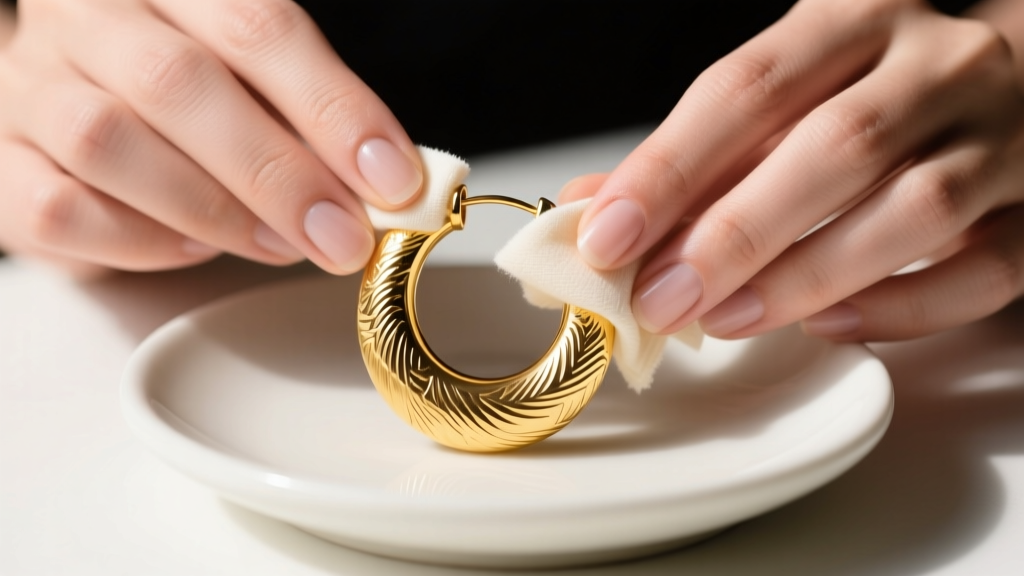
- Rinse and Dry: Rinse thoroughly under lukewarm running water (ensure the drain is plugged!). Pat dry with a lint-free microfiber cloth. Never use paper towels, as the wood pulp fibers can cause microscopic abrasions.
A Warning on Ultrasonic Cleaners
While ultrasonic cleaners are excellent for plain gold hoops and studs, they are highly destructive to certain gemstone settings. If your album includes golden earrings featuring pavé diamonds, emeralds, opals, or fracture-filled stones, never place them in an ultrasonic bath. The high-frequency vibrations can easily shake loose the tiny prongs holding pavé stones or exacerbate internal fractures in delicate gems. Stick to the manual soak-and-brush method for any piece featuring intricate stone settings.
Final Thoughts on Your Golden Archive
Building an album golden earring capsule is an exercise in intentional styling and material appreciation. By understanding the structural nuances of gold karats, respecting the gauge requirements of your unique piercings, and committing to a rigorous archival storage and cleaning routine, your collection will not only retain its financial value but will develop a rich, personal patina over the years. Treat your earrings not as disposable accessories, but as a curated gallery of wearable art that tells your unique style story.


