American Flag Earrings Buying Guide: Styles & Materials
Discover what to look for when buying American flag earrings. Compare enamel, gemstone, and metal styles, plus hypoallergenic tips for sensitive ears.

The Shift Toward Heirloom Patriotic Jewelry
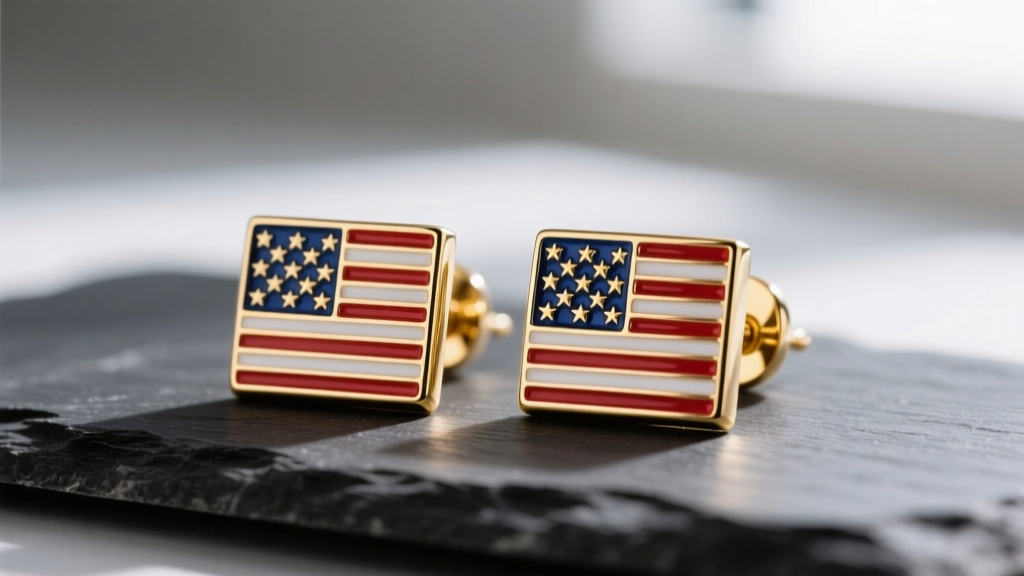
As we navigate the jewelry landscape in 2026, the demand for patriotic accessories has evolved significantly. While novelty jewelry still floods the market around Memorial Day, the Fourth of July, and Olympic seasons, discerning buyers are increasingly seeking out heirloom-quality pieces. The market for American flag earrings has shifted away from cheap, mass-produced alloys that cause contact dermatitis, moving toward sustainable metals, precision enamel work, and genuine gemstone inlays. Whether you are looking for a subtle nod to your heritage or a bold statement piece for a gala, understanding the metallurgy and craftsmanship behind these earrings is essential. This comprehensive buying guide breaks down exactly what to look for, ensuring your patriotic jewelry is as enduring as the country it represents.
Decoding Materials: Enamel vs. Gemstone vs. Metal
The visual impact of American flag earrings relies heavily on how the red, white, and blue color palette is achieved. The material choice dictates not only the price point but also the longevity and care requirements of the piece.
Hard Enamel (Cloisonné) vs. Soft Enamel
Enamel is the most common method for achieving the vibrant, opaque colors of the American flag. However, not all enamel is created equal. Soft enamel features recessed color pools separated by raised metal borders. While cheaper to produce, soft enamel is prone to chipping and can trap dirt and oils over time. Hard enamel (Cloisonné), on the other hand, is fired at high temperatures (often exceeding 1450°F) and then polished completely flat. This creates a smooth, glass-like surface that is highly resistant to scratching and chipping. When shopping for enamel flag studs, always run your finger across the surface; if it is perfectly smooth and flush with the metal wire, you are looking at durable hard enamel.
Gemstone Inlay and the Mohs Scale
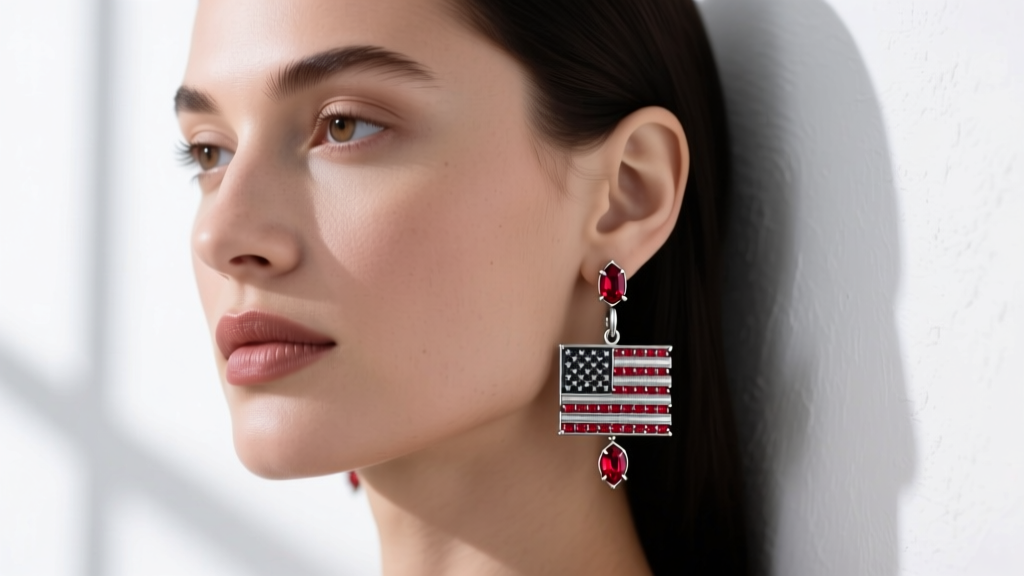
For high-end American flag earrings, jewelers bypass enamel entirely in favor of calibrated gemstones. According to the Gemological Institute of America (GIA), rubies and sapphires are both varieties of corundum, rating a 9 on the Mohs hardness scale. This makes them exceptionally resistant to scratching, ideal for daily-wear flag studs. A premium pair of flag earrings will use prong-set or bezel-set calibrated round brilliant rubies for the stripes and deep blue sapphires for the canton. Beware of "dyed quartz" or "glass-filled rubies" in budget pieces, as these materials are fragile and will cloud over time when exposed to lotions and perfumes.
Oxidized Sterling Silver
If you prefer a monochromatic or vintage aesthetic, look for American flag earrings crafted from 925 sterling silver with selective oxidation. Jewelers use a dark patina (often liver of sulfur) to blacken the recessed areas, creating a high-contrast, three-dimensional flag effect without using any color. This technique is highly durable, though the oxidation will naturally wear away on high-friction areas over years of use, adding a unique antique finish to the piece.
The Post and Backing: Avoiding the Green Ear Effect
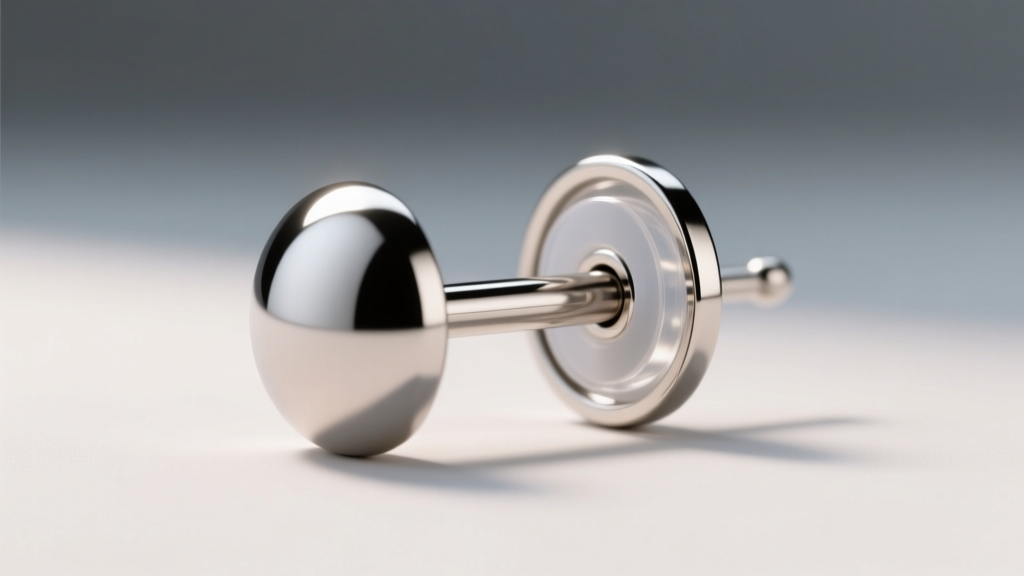
The most critical failure point in patriotic jewelry is the earring post. Many mass-produced flag earrings feature a gold-plated brass or nickel-silver post. Brass contains copper and zinc, and when exposed to the natural acids in your skin, it oxidizes and leaves a green or black residue on your earlobe. Furthermore, the American Academy of Dermatology (AAD) notes that nickel allergy is the most common cause of allergic contact dermatitis, which is frequently triggered by cheap alloy posts.
To ensure your earrings are hypoallergenic, inspect the product specifications for the following post materials:
- ASTM F-136 Implant-Grade Titanium: The gold standard for sensitive ears. The Association of Professional Piercers (APP) highly recommends this specific titanium alloy because it is entirely nickel-free and biocompatible.
- 316L Surgical Steel: A step up from brass, but still contains trace amounts of nickel. Suitable for most, but not for those with severe contact dermatitis.
- 14k or 18k Solid Gold: Excellent for luxury pieces, provided it is alloyed with silver or copper rather than nickel (which is common in some white gold alloys).
Gauge Sizes and Structural Integrity
Pay attention to the thickness of the post, measured in gauges. Standard lobe piercings are typically 20-gauge (0.81mm) or 18-gauge (1.02mm). If you are purchasing heavier American flag dangle earrings, an 18-gauge post is highly recommended to prevent the earring from drooping or slowly stretching the piercing hole over time. Always pair heavier posts with secure backings, such as La Pousette (butterfly) clutches with silicone o-rings or screw-backs, to prevent loss.
Style Breakdown: Studs, Dangles, and Ear Cuffs
The silhouette of your American flag earrings should complement both your face shape and the formality of the event. Below is a comparison chart to help you select the right style for your needs.
| Style | Best For | Weight Limit | Average Price Range |
|---|---|---|---|
| Enamel Studs | Everyday wear, active lifestyles | Under 3 grams | $25 - $85 |
| Gemstone Huggies | Cartilage or lobe, subtle patriotism | 3 - 6 grams | $120 - $350 |
| Silver Dangles | Formal events, July 4th galas | Up to 10 grams | $60 - $200 |
| Ear Cuffs | Non-pierced options, edgy styling | N/A (Tension) | $40 - $150 |
Sizing and Proportion Guide
When buying flag-themed jewelry, proportion is everything. The intricate details of the stars and stripes can easily become a blurred mess if the earrings are too small.
- Studs (6mm - 10mm): A 6mm stud offers a minimalist, "quiet patriotism" look suitable for conservative office environments. An 8mm to 10mm stud provides enough surface area for the stars in the blue canton to be distinctly visible without magnification.
- Dangles (1.5 inches - 2.5 inches): For drop or dangle styles, keep the length under 2.5 inches for daily wear to avoid catching the earrings on hair or clothing. If the design features a shield or a waving flag motif, a slightly larger 2-inch drop allows the metalwork to catch the light dynamically as you move.
- Huggies (12mm - 15mm diameter): Huggie hoops featuring a micro-paved flag design are incredibly popular for secondary cartilage piercings. Ensure the inner diameter is at least 12mm to accommodate the thickness of the cartilage without causing pressure necrosis.
Care and Maintenance for Patriotic Jewelry
Proper maintenance is vital, especially for multi-material pieces. Never place enamel or gemstone American flag earrings in an ultrasonic cleaner. The high-frequency vibrations can shatter the glass-based enamel and fracture heat-treated sapphires. Instead, clean your earrings using a few drops of mild, phosphate-free dish soap and warm water. Use a microfiber cloth or an extra-soft baby toothbrush to gently clean the crevices between the stars and stripes.
When storing your earrings, keep them in a lined jewelry box or individual anti-tarnish pouches. Sterling silver flag earrings are particularly susceptible to sulfur in the air, which causes rapid tarnishing. By investing in high-quality materials and practicing mindful care, your American flag earrings will remain a brilliant, wearable tribute for years to come.


