Troubleshooting Heavy Luna Moth Earrings: Fixes for Drooping & Pain
Fix drooping, pain, and tarnish with our expert troubleshooting guide for heavy luna moth earrings. Learn support hacks and metal care.

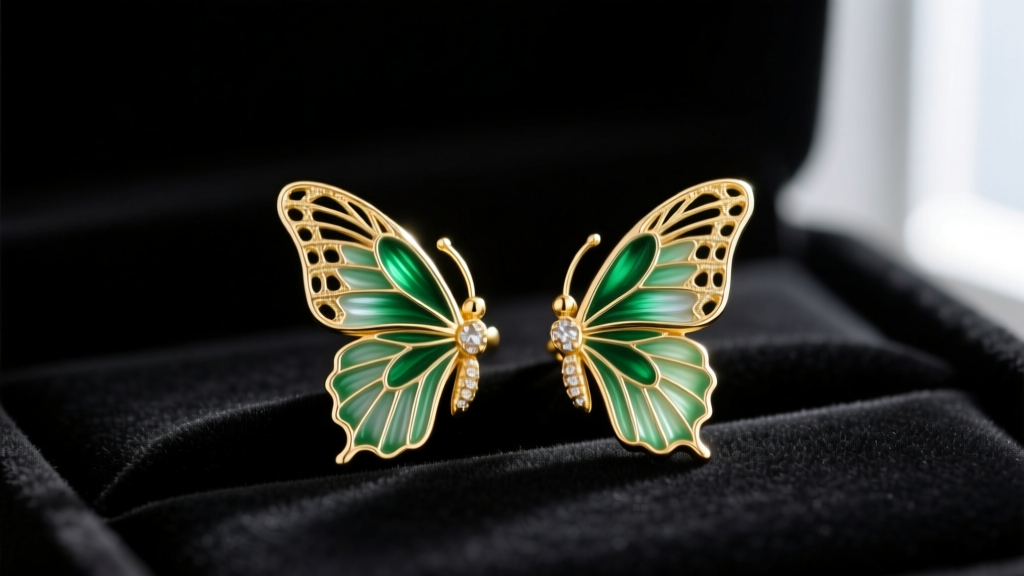
The Physics of Statement Luna Moth Earrings
Luna moth earrings have surged in popularity, celebrated for their ethereal wingspans and intricate detailing. However, their structural design inherently creates wearability issues. A standard luna moth silhouette spans 40mm to 65mm horizontally, with materials ranging from lightweight acrylic to heavy enameled brass or 925 sterling silver. When crafted in metal with glass or enamel accents, a single earring can easily weigh between 12 and 18 grams. For context, an average earlobe comfortably supports 7 to 10 grams before experiencing fatigue, stretching, or pain. Understanding the center of mass and the shear force applied to your piercing is the first step in troubleshooting these statement pieces.
Problem 1: Earlobe Drooping and the "Cheese-Cutter" Effect
The most common complaint with heavy dangle earrings is lobe drooping, where the earring pulls the piercing downward, creating an elongated, painful slit. This is often exacerbated by the wire gauge of the earring hook.
Diagnosing the Wire Gauge
Many mass-produced luna moth earrings use 22-gauge (0.64mm) or 24-gauge (0.51mm) wire for their French hooks to save on metal costs. When 15 grams of weight is suspended on a 0.51mm wire, it acts like a cheese cutter against the delicate tissue of your earlobe.
- The Fix (Hardware Swap): Use jewelry pliers to carefully open the loop connecting the moth charm to the hook. Discard the thin factory hook and replace it with an 18-gauge (1.02mm) or 16-gauge (1.29mm) niobium or ASTM F136 implant-grade titanium French wire. The thicker wire distributes the shear force across a wider surface area of the piercing.
- The Fix (Load Distribution): Apply a clear, medical-grade silicone earring support patch (such as Lobe Wonder or Chrysmco) to the back of your earlobe. These 15mm adhesive patches feature a reinforced center hole that spreads the earring's weight across a broader area of the skin, virtually eliminating drooping.
- The Fix (Friction Backs): If your luna moths are on straight posts rather than hooks, abandon standard butterfly clutch backs. Swap them for 6mm flat silicone O-rings or disc backs, which provide a wider load-bearing surface against the back of the lobe.
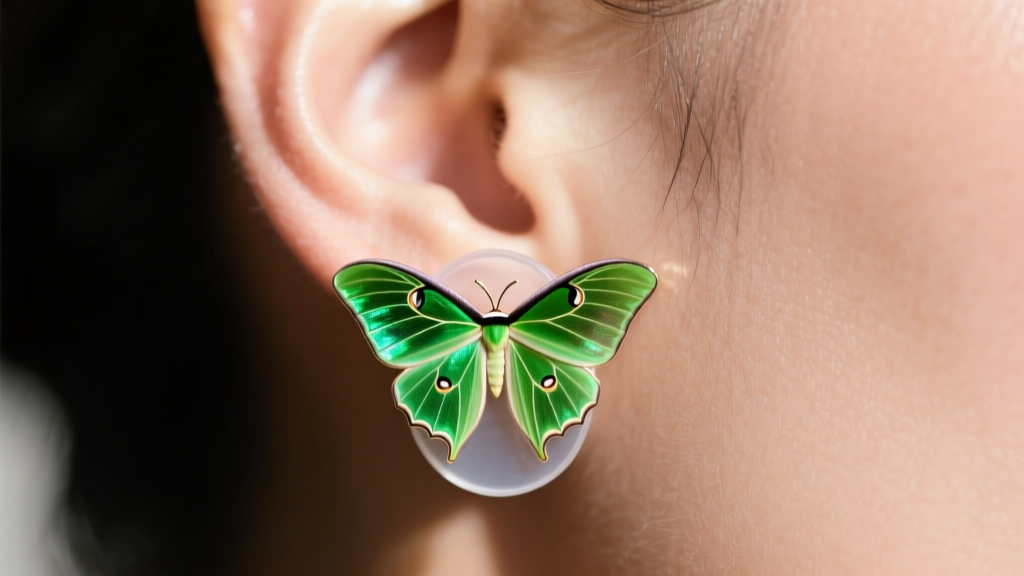
Problem 2: The "Forward Flip" on Dangle Wires
Because the wingspan of a luna moth earring is wide and the center of gravity often sits slightly behind the vertical axis of the piercing, the earring may constantly flip forward, showing the back of the post instead of the beautiful enamel wings.
Counterweight and Tension Solutions
To solve the forward flip, you must alter the pivot point or add a counterweight.
- The Counterweight Hack: Thread a tiny 3mm titanium or glass bead onto the front of the earring hook, right before the charm loop closes. This minor addition of weight at the front of the pivot point pulls the center of gravity forward, keeping the moth facing outward.
- French Wire Adjusters: Slip a clear silicone French wire adjuster (a small, coiled plastic tube) over the back of the hook. This creates friction against the back of your earlobe, preventing the wire from freely rotating forward.
- Tension Bending: Using nylon-jaw pliers (to avoid marring the metal), gently bend the bottom curve of the French hook inward by about 5 degrees. This increases the tension against the earlobe, restricting unwanted rotation.
Problem 3: Enamel Chipping and Filigree Tarnish
Luna moth designs heavily rely on enamel work to achieve their signature vibrant greens, whites, and blacks. The type of enamel used dictates how the earring will age and how it must be cleaned. Using the wrong cleaning method is the fastest way to destroy a statement piece.
| Enamel Type | Vulnerability | Expert Cleaning Protocol |
|---|---|---|
| Plique-à-jour (Translucent, no metal backing) | Extreme. Highly susceptible to shattering from impacts and ultrasonic cavitation. | Rinse in lukewarm distilled water. Pat dry with a microfiber cloth. Never use chemicals. |
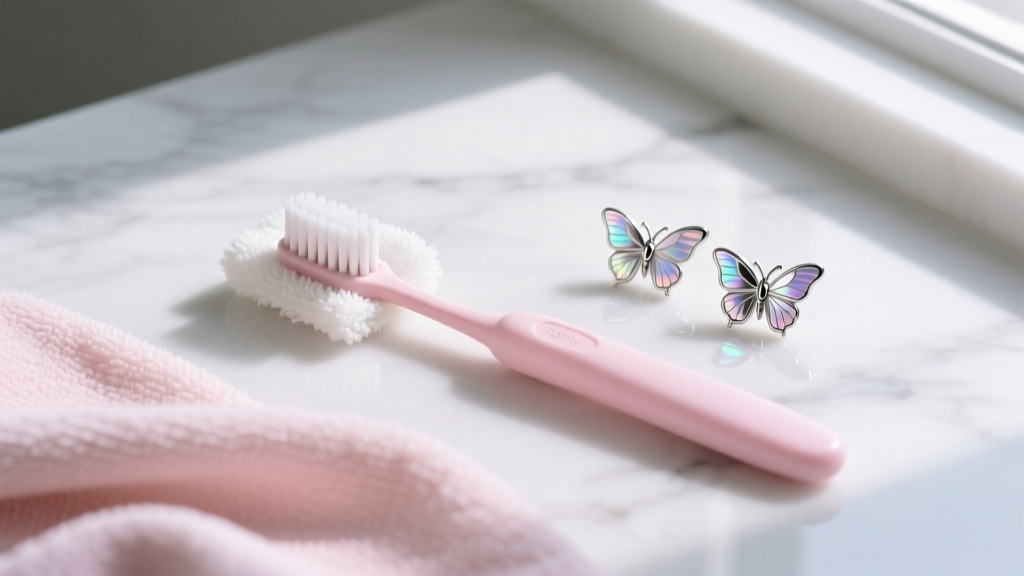
| Champlevé (Enamel in carved metal troughs) | Moderate. Metal troughs can tarnish, but enamel is relatively secure. | Clean with a soft baby toothbrush and mild, phosphate-free dish soap. Avoid silver dip. |
| Cloisonné (Enamel separated by fine wire) | Low to Moderate. Wires can catch on clothing and pull away from the base. | Wipe gently with a damp lint-free cloth. Polish exposed silver wires with a dry polishing cloth. |
Critical Warning: Never place enameled luna moth earrings in an ultrasonic jewelry cleaner. The high-frequency sound waves create microscopic cavitation bubbles that implode against the glass-enamel surface, causing internal fractures and immediate chipping. For deep cleaning of the metal filigree surrounding the enamel, use a wooden toothpick to gently dislodge dirt from crevices without scratching the glass.
Material Allergies: Identifying Base Metal Reactions
Because of their large surface area, heavy statement earrings often sit flush against the neck and jawline, increasing the risk of contact dermatitis if the base metal contains nickel or copper. According to the American Academy of Dermatology, nickel allergy is one of the most common causes of allergic contact dermatitis, often triggered by cheap costume jewelry.
The Zamak and Brass Problem
Many affordable luna moth earrings are cast from Zamak (a zinc alloy) or brass, then flash-plated with silver or gold. Once the microscopically thin plating wears off from friction against the skin, the underlying metals oxidize and leach into the skin, causing green discoloration and severe itching.
Expert Troubleshooting: If you already own a pair of reactive alloy luna moth earrings that you love, do not rely on clear nail polish as a barrier—it chips quickly and turns yellow. Instead, coat the posts and the back of the earrings with a polyurethane-based jewelry sealant like ProtectaClear. This creates a durable, skin-safe, invisible barrier that prevents metal ion transfer and stops tarnishing.
For future purchases, always look for earrings explicitly marked as ASTM F136 Titanium, Niobium, or solid 14k/18k Gold. If buying 925 Sterling Silver, ensure it is explicitly labeled "nickel-free," as some silver alloys use nickel as a hardening agent instead of copper.
Quick Reference: Luna Moth Earring Troubleshooting Chart
| Issue | Root Cause | Immediate Solution |
|---|---|---|
| Piercing pain / Lobe stretching | Wire gauge too thin (22G+); weight exceeds 10g. | Upgrade to 18G titanium hooks; use 15mm silicone support patches. |
| Earring flips forward | Center of gravity sits behind the piercing axis. | Add a 3mm counterweight bead to the front loop; use silicone wire coils. |
| Green skin / Itchy lobes | Zamak/Brass base metal with worn flash plating. | Seal with ProtectaClear; switch to implant-grade titanium for sensitive ears. |
| Enamel cracking / Dullness | Ultrasonic cleaning; harsh chemical silver dips. | Switch to manual cleaning with baby toothbrush and phosphate-free soap. |
By addressing the structural physics, upgrading your hardware, and respecting the delicate nature of enamel work, you can comfortably wear your luna moth earrings all day without compromising your piercings or the integrity of the jewelry. For more insights on maintaining fine and statement jewelry, consult the Gemological Institute of America's gem care guidelines to ensure your pieces last a lifetime.


