American Girl Earrings: Hypoallergenic Materials Guide
Discover the safest hypoallergenic materials for American Girl earrings, comparing titanium, niobium, and gold for kids and 18-inch dolls.

The Intersection of Play and Piercing: Why Material Matters
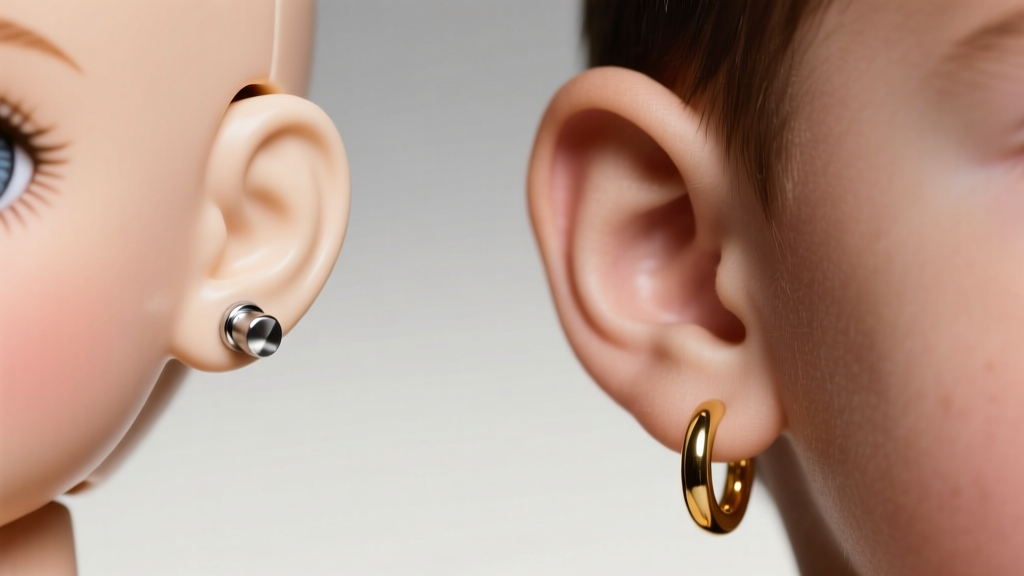
The tradition of matching outfits and accessories between children and their 18-inch dolls has evolved into a sophisticated niche within the jewelry community. In 2026, the market for American Girl earrings extends far beyond the standard plastic and base-metal accessories sold in official catalogs. Today, parents, collectors, and custom doll artists are actively seeking high-quality, hypoallergenic materials that serve a dual purpose: safe enough for a child's newly pierced, sensitive earlobes, and appropriately scaled for a doll's vinyl ears.
The danger of mixing playtime with piercing aftercare is often overlooked. Children frequently swap earrings with their dolls. If a doll is wearing cheap, unbranded pot-metal earrings containing high levels of nickel or lead, and the child tries them on, the result can be severe contact dermatitis or a compromised fresh piercing. Understanding the metallurgy behind children's jewelry is no longer just a concern for professional piercers; it is a vital skill for parents navigating the intersection of toy safety and dermatological health.
Decoding ASTM F2923: Children's Jewelry Safety Standards
When sourcing premium American Girl earrings, the baseline requirement is compliance with ASTM F2923, the Standard Specification for Consumer Product Safety for Children’s Jewelry. This standard strictly limits the total lead content to 100 ppm and mandates rigorous screening for cadmium and other heavy metals. More importantly for sensitive ears, it addresses the nickel release rate.
However, ASTM compliance is a minimum safety floor, not a guarantee of hypoallergenic performance. A piece of jewelry can technically pass children's safety standards while still containing enough nickel to trigger a reaction in a highly sensitized child. For this reason, experts recommend bypassing 'compliant' base metals entirely in favor of intrinsically biocompatible elements.
Top 3 Hypoallergenic Materials for Dual-Use Earrings
Whether you are buying a gift for a child who just got her ears pierced at an American Girl store, or you are commissioning custom accessories for a collector-grade doll, these three materials represent the pinnacle of safety and aesthetics.
1. Implant-Grade Titanium (ASTM F136)
Titanium is the undisputed champion of fresh piercings and highly reactive skin. Specifically, you must look for ASTM F136 Implant-Grade Titanium. Unlike commercial-grade titanium, F136 is strictly regulated for its elemental composition, ensuring virtually zero nickel content. For American Girl dolls, titanium studs are incredibly lightweight, meaning they will not stretch or tear the doll's vinyl earlobes over time. For children, the biocompatibility means the piercing can heal without the chronic inflammation caused by microscopic metal ion leaching.
2. Niobium: The Color-Matching Champion
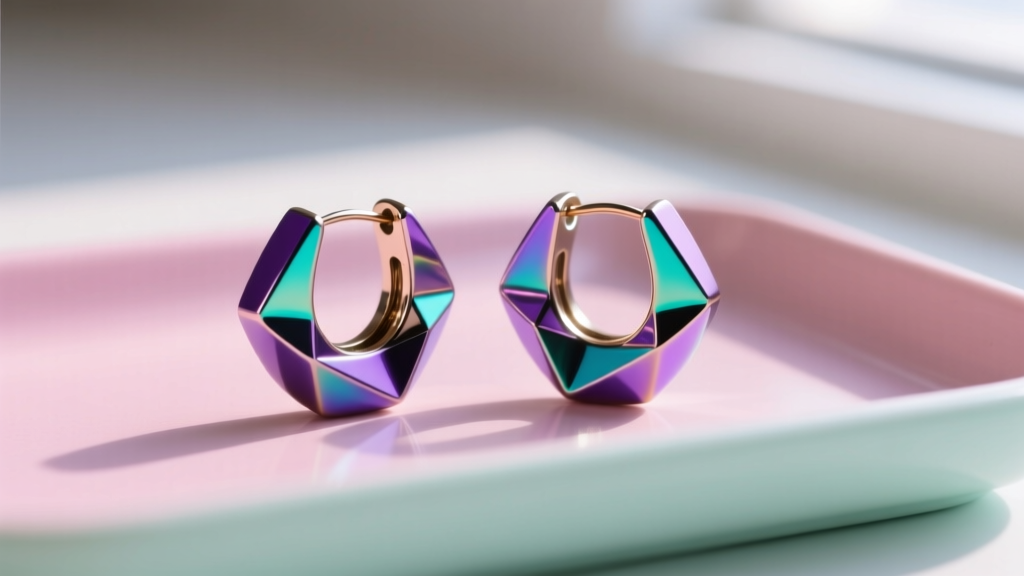
Niobium (Element 41) is a reactive metal that shares titanium's hypoallergenic properties but offers a unique aesthetic advantage: anodizing. By applying specific voltages to niobium, jewelers can create a vibrant oxide layer on the surface without using dyes, paints, or plating. This is crucial for doll accessories. Painted or plated cheap metals will eventually chip, potentially staining a doll's vinyl skin or introducing toxic flakes into a child's environment. Anodized niobium will never chip or fade, allowing you to perfectly color-match the doll's wardrobe with safe, vibrant teals, purples, and golds.
3. 14k and 18k Nickel-Free Gold
Solid gold is a classic choice, but not all gold is created equal. White gold is frequently alloyed with nickel to achieve its silvery color, making it a hidden trigger for allergies. When sourcing gold American Girl earrings, always verify that the alloy is nickel-free (often alloyed with palladium or silver instead). Furthermore, avoid gold-plated or gold-filled options for dual-use; the friction of a child inserting and removing the earrings, or the tight fit in a doll's vinyl ear, will quickly wear away the microscopic gold layer, exposing the reactive brass or steel core beneath.
The Myth of 'Surgical Steel'
One of the most pervasive marketing myths in the jewelry industry is the term 'Surgical Steel.' As noted by the Association of Professional Piercers, this is not a standardized metallurgical term. It usually refers to 316L stainless steel, which contains between 10% and 14% nickel. While the nickel is often bound tightly enough to pass basic skin-contact tests, the harsh environment of a healing child's ear—or the acidic oils from human hands transferring to doll accessories—can break down the passive oxide layer, leading to nickel exposure and localized infections.
Material Comparison Matrix
| Material | Nickel Content | Doll Safe (Vinyl Reaction) | Kid Safe (Healing Piercing) | Avg. Price (Per Pair) |
|---|---|---|---|---|
| Implant-Grade Titanium | 0% | Excellent (No staining) | Excellent (ASTM F136) | $25 - $60 |
| Anodized Niobium | 0% | Excellent (No chipping) | Excellent | $30 - $75 |
| 14k/18k Solid Gold | 0% (if Ni-free) | Good (Heavy, may droop) | Very Good | $80 - $250+ |
| 316L Surgical Steel | 10% - 14% | Poor (Can tarnish vinyl) | Poor (High allergy risk) | $5 - $15 |
| Zinc Alloy / Pot Metal | Variable/High | Hazardous (Stains/Chips) | Hazardous (ASTM fail) | $1 - $5 |
Sizing and Gauge: Fitting Dolls vs. Real Ears
Material safety is only half the battle; structural sizing is where most dual-use jewelry fails. The anatomy of an 18-inch doll's ear is vastly different from a human child's lobe.
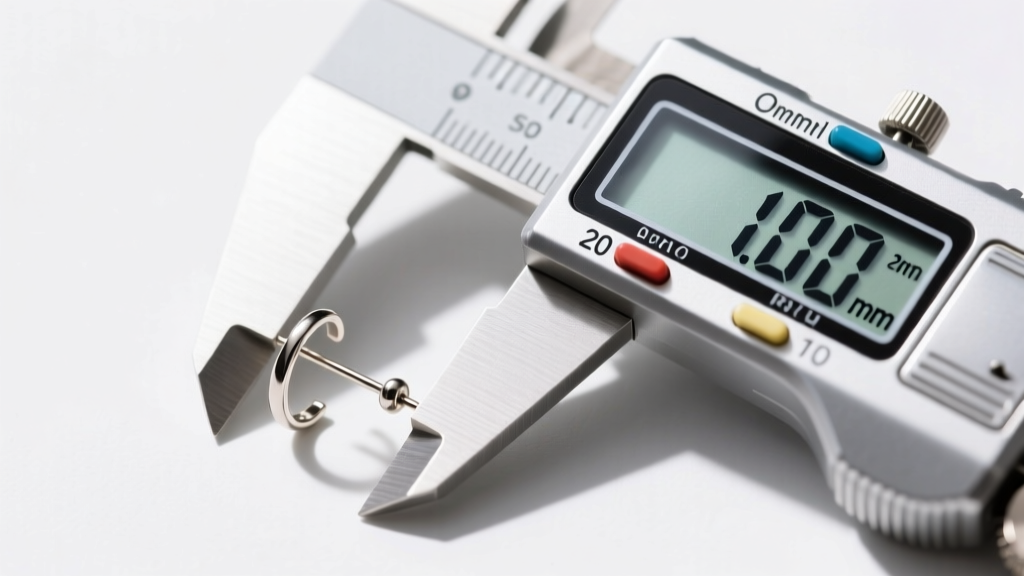
- Gauge Thickness: Standard ear piercings for children are typically done at 20-gauge (0.81mm) or 18-gauge (1.02mm). American Girl dolls are factory-pierced to accommodate roughly 18g to 20g posts. However, doll vinyl has 'memory' and can stretch. Heavy dangle earrings will permanently elongate the doll's piercing hole.
- Post Length: A standard earring post for a child is 6mm to 8mm long to accommodate the thickness of a human lobe plus the butterfly backing. A doll's earlobe is only 2mm to 3mm thick. If you put a standard 8mm post on a doll, the earring will droop severely, looking disproportionate and risking damage to the vinyl.
- The Flat Back Solution: For both dolls and children who sleep in their earrings, threadless or internally threaded flat-back labret studs are ideal. You can purchase 3mm or 4mm post lengths for the doll, and 6mm posts for the child, utilizing the same decorative titanium or niobium tops.
Upcycling and Customizing: A Guide for Collectors
For the DIY collector or parent, upcycling inexpensive or sentimental doll earrings into safe, wearable jewelry is a growing trend in 2026. If you have a pair of vintage doll earrings with beautiful glass beads but dangerous lead-soldered hooks, you can easily rewire them.
By purchasing spools of 24-gauge or 26-gauge dead-soft niobium wire, you can hand-wrap the beads and create custom, hypoallergenic ear wires. Niobium wire is soft enough to manipulate with standard jewelry pliers but strong enough to hold its shape. This ensures that the child can safely wear a miniature version of the doll's vintage accessories without any risk of heavy metal exposure or nickel-induced contact dermatitis, a condition the American Academy of Dermatology identifies as one of the most common causes of allergic contact dermatitis in children.
Final Verdict on Dual-Use Jewelry
The market for American Girl earrings has matured alongside a broader cultural shift toward material transparency and pediatric health. By abandoning the vague 'surgical steel' marketing traps and insisting on verifiable Implant-Grade Titanium, Niobium, or Nickel-Free Solid Gold, you protect both the child's delicate tissue and the collector value of the doll. Always pay close attention to post lengths and gauge sizes to ensure a proper fit, and remember that true hypoallergenic jewelry is an investment in safety that bridges the gap between the playroom and the real world.


