Ancient Egyptian Earrings: The Ultimate 2026 Gift Guide
Discover the perfect ancient Egyptian earrings for history lovers and bold stylers. Our 2026 gift guide covers materials, gauges, and top picks.

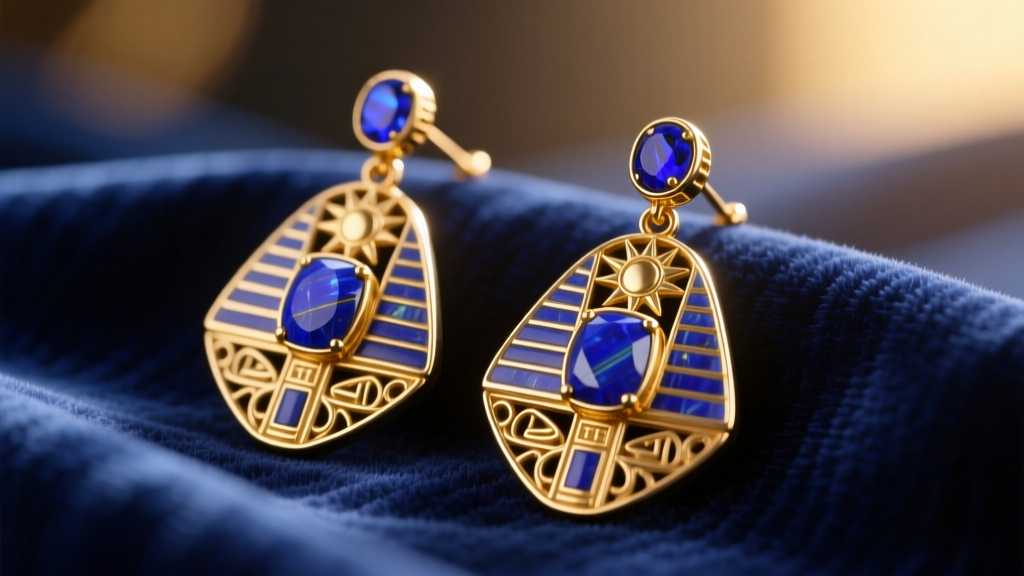
The Enduring Allure of Ancient Egyptian Earrings
When it comes to gifting jewelry with profound historical weight and undeniable visual impact, few styles rival the majesty of ancient Egyptian earrings. In 2026, the fascination with antiquity continues to drive jewelry trends, with collectors, history enthusiasts, and maximalist fashion lovers seeking pieces that tell a story millennia in the making. Unlike generic modern designs, ancient Egyptian-inspired earrings offer a gateway into a civilization that viewed jewelry not merely as adornment, but as powerful protective amulets and markers of divine status.
Whether you are shopping for a dedicated museum devotee, an alternative fashion stylist, or someone who appreciates the metaphysical properties of ancient gemstones, this comprehensive gift guide will help you navigate the complexities of materials, historical accuracy, and modern wearability. We will explore exact gauge requirements, authentic material grades, and where to source museum-quality replicas that honor the legacy of the pharaohs.
Decoding the Materials: Gemstones and Metals of the Nile
To select a truly meaningful gift, you must understand the materials that defined ancient Egyptian goldsmithing. The artisans of the New Kingdom (circa 1550–1070 BCE) were master lapidaries, combining precious metals with semi-precious stones to create pieces rich in symbolism. According to the Metropolitan Museum of Art's archives on Egyptian jewelry, the color of the materials was often more important than their intrinsic monetary value, as colors held specific magical properties.
| Material | Historical Significance | Modern Gifting Equivalent | Estimated Price Range |
|---|---|---|---|
| Lapis Lazuli | Represented the night sky, the heavens, and divine power. Imported from Afghanistan. | Natural, un-dyed Afghan lapis with gold pyrite flecks. Avoid synthetic spinel. | $80 - $450 |
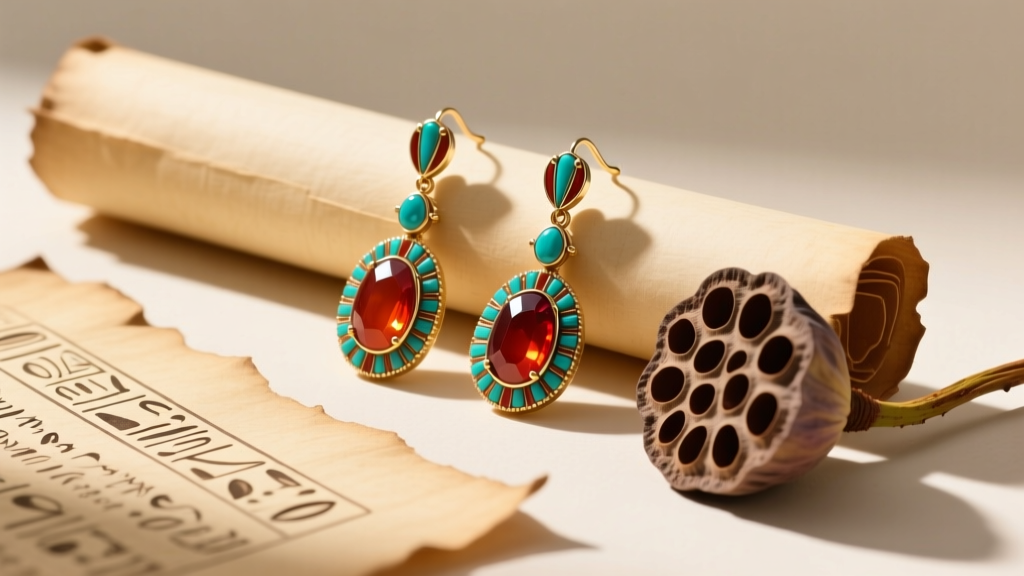
| Carnelian | Symbolized the sun, blood, and life force. Used heavily in protective amulets. | Translucent, fiery orange-red carnelian (agate family). Verify via GIA guidelines. | $50 - $250 |
| Turquoise | Associated with Hathor and the life-giving waters of the Nile. | Persian or Sleeping Beauty turquoise. Beware of dyed howlite imitations. | $90 - $300 |
| Faience | A sintered-quartz ceramic displaying a bright blue-green glaze, representing rebirth. | Artisan-crafted ceramic or high-grade enamel replicas on sterling silver bases. | $40 - $150 |
| Electrum | A natural alloy of gold and silver, prized for its pale, luminous yellow hue. | Custom 18k gold alloys with higher silver content, or pale yellow gold vermeil. | $120 - $800+ |
Pro-Tip for Gifting: If your recipient is a purist, seek out jewelers who use traditional cloisonné techniques to set the stones in gold cells, mimicking the exact methods used by the artisans of Tutankhamun's court.
Occasion Matching: Who to Gift Egyptian Earrings To
Ancient Egyptian earrings are not a monolith; they range from subtle, scholarly studs to dramatic, shoulder-grazing statement pieces. Matching the specific style to the recipient's lifestyle and the gifting occasion is critical for a successful present.
The Antiquities Scholar & Museum Devotee
The Vibe: Historically accurate, educational, and refined.
The Gift: Opt for 'leech-shaped' earrings or small, intricate rosette studs crafted in 18k gold. During the New Kingdom, leech-shaped earrings (resembling a thick, curved tube) were incredibly popular among both men and women. Look for licensed museum replicas that come with a certificate of authenticity detailing the specific tomb or dynasty that inspired the design. These are perfect for milestone anniversaries, graduation gifts for archaeology/history majors, or birthday surprises for lifelong patrons of the arts.
The Bold Maximalist & Alternative Styler
The Vibe: Dramatic, heavy, and unapologetically opulent.
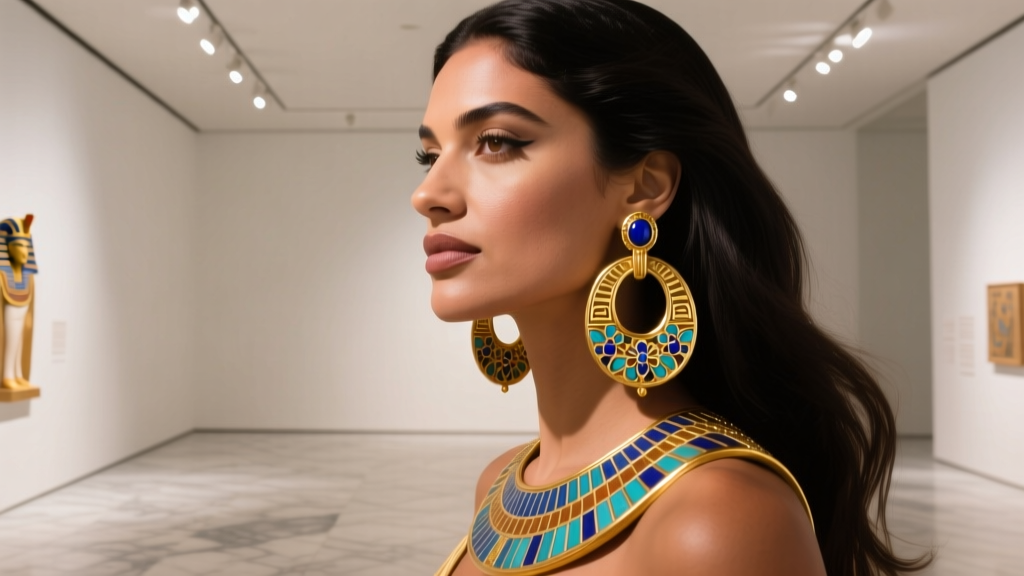
The Gift: Large, open-work hoop earrings featuring the 'Udjat' (Eye of Horus) or intricate falcon motifs. In 2026, the 'Cleopatra-core' aesthetic has evolved into a more structured, high-fashion maximalism. Gift heavy dangle earrings featuring cascading lapis lazuli beads and gold fringe. These are ideal for fashion-forward recipients, editorial stylists, or those who attend high-profile themed galas and gallery openings.
The Spiritual & Crystal Enthusiast
The Vibe: Metaphysical, grounding, and intentional.
The Gift: Focus heavily on the carnelian and lapis lazuli elements. In ancient Egyptian culture, jewelry was deeply intertwined with spiritual protection and the journey through the afterlife. Gifting a pair of carnelian drop earrings is akin to gifting vitality and courage. Present these in a hand-carved wooden box lined with raw silk, accompanied by a note explaining the stone's historical use as a talisman for travelers and creatives.
The Technical Guide: Gauges, Weights, and Wearability
This is where most amateur buyers fail. Ancient Egyptian earrings, particularly the large hoops and heavy plug-style adornments found in royal tombs, were exceptionally heavy. The British Museum's archives on ancient goldwork reveal that many historical pieces would easily weigh over 30 grams per ear, requiring stretched earlobes or heavy wigs to support the jewelry.
When gifting modern replicas, you must consider the recipient's piercing anatomy to ensure the gift is actually wearable.
'A beautiful piece of historical jewelry is useless if it tears the earlobe. Always prioritize secure fittings and weight distribution over sheer historical mass when adapting ancient designs for modern, standard piercings.'
- Standard Piercings (20g to 18g): If the recipient has standard, unstretched piercings, avoid heavy solid-gold hoops. Instead, look for hollow-tube gold replicas, or designs that utilize a sturdy 18g French wire with a secure silicone or metal ear nut. Ensure the total weight per earring does not exceed 7 to 10 grams to prevent lobe elongation over time.
- Stretched Lobes (8g to 00g): For recipients with stretched ears, you can gift historically accurate 'plug' style earrings or heavy, thick-gauge wire hoops. Look for saddle-fit or double-flared designs carved from lapis lazuli or faience, capped with 14k gold O-rings.
- Clip-Ons for Non-Pierced Ears: The heavy, broad collars and ear cuffs of the Ptolemaic period translate beautifully to modern clip-ons. Look for pieces with padded omega-backs or adjustable screw-backs to distribute the weight of the faience and gold across the cartilage without causing pain.
- Metal Allergies & Verdigris: Ancient Egyptians frequently used bronze and copper alloys. Modern replicas made from cheap brass will oxidize and leave a green 'verdigris' stain on the skin, which can cause contact dermatitis. Always verify that the post or wire touching the skin is hypoallergenic—ideally implant-grade titanium (ASTM F136), 14k/18k solid gold, or at least heavily rhodium-plated sterling silver.
Sourcing Guide: Where to Buy Authentic Replicas in 2026
Finding high-quality ancient Egyptian earrings requires looking beyond standard mall jewelers. Here is where the discerning gifter should shop:
- Museum Gift Shops & Licensed Archives: The Metropolitan Museum of Art, the Penn Museum, and the British Museum frequently collaborate with master jewelers to produce limited-run replicas of their vault pieces. These are the gold standard for historical accuracy and make phenomenal gifts for academics.
- Specialized Historical Artisans: Platforms like Etsy host master metalsmiths who specialize in ancient techniques. Search for artisans who explicitly mention 'lost-wax casting,' 'traditional cloisonné,' and 'natural Afghan lapis.' Expect to pay between $150 and $500 for custom, historically accurate commissions.
- High-End Niche Designers: Brands that focus on archaeological revivalism (such as those drawing from the 19th-century Egyptian Revival movement) offer a bridge between ancient motifs and modern luxury. These pieces often feature brilliant-cut diamonds alongside traditional carnelian, updating the ancient aesthetic for black-tie events.
The Final Gifting Checklist
Before you finalize your purchase, run through this quick E-E-A-T checklist to ensure your ancient Egyptian earrings are a flawless gift:
- Material Verification: Are the stones natural, or are they dyed glass/resin? (Request a gemstone origin report if spending over $200).
- Weight Check: Is the gram weight appropriate for the recipient's specific ear gauge and lobe strength?
- Fitting Security: Do the earrings feature secure backs (e.g., locking ear nuts, saddle fits) to prevent the loss of a precious artifact?
- Presentation: Elevate the unboxing experience. Ditch the standard cardboard box and present the earrings in a linen-wrapped wooden casket, perhaps accompanied by a small, translated excerpt from the Book of the Dead regarding protection and beauty.
By understanding the deep historical roots, the metallurgical realities, and the modern wearability constraints of ancient Egyptian earrings, you are no longer just giving a piece of jewelry. You are gifting a tangible connection to one of the most magnificent civilizations in human history—a gesture that will be treasured long into the future.


