Troubleshooting Antique Carnelian Earrings: Fakes, Damage & Care
Learn how to authenticate, repair, and safely wear antique carnelian earrings. Expert troubleshooting for foil-backs, heavy drops, and fragile settings.

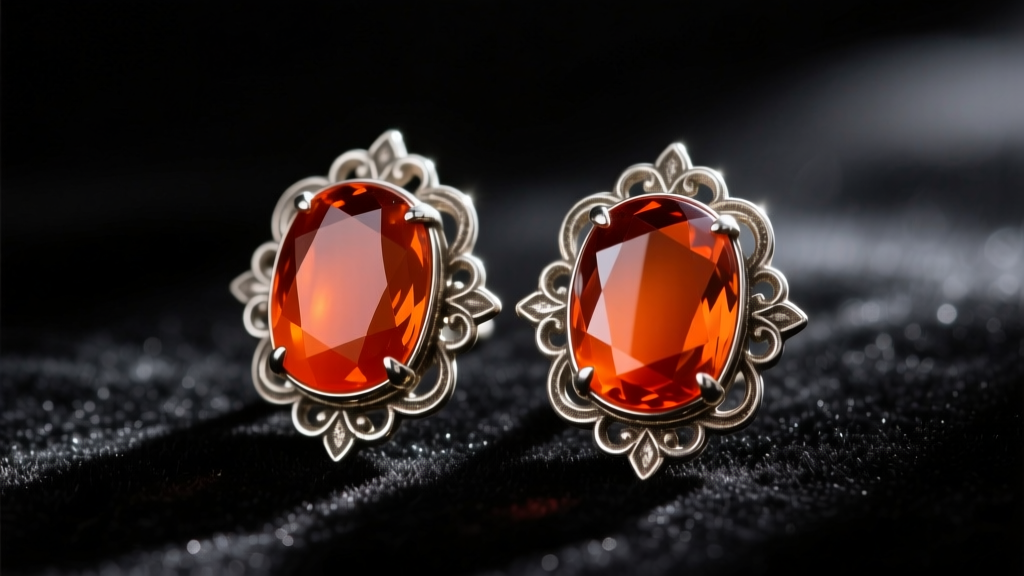
The Authentication Dilemma: Glass vs. Genuine Carnelian
The market for antique carnelian earrings is notoriously saturated with convincing imitations. During the Victorian era, red glass and later, synthetic corundum, were frequently passed off as genuine carnelian (a variety of chalcedony quartz). Troubleshooting authenticity requires moving beyond basic color assessment and examining the stone's internal structure and physical properties.
According to the Gemological Institute of America (GIA), genuine carnelian possesses a refractive index of 1.53 to 1.54 and a specific gravity of 2.58 to 2.64. When evaluating a suspected antique piece, perform the following diagnostic checks:
- Magnification Inspection: Use a 10x triplet loupe. Genuine antique carnelian will often display subtle, natural crystalline banding, cloud-like inclusions, or conchoidal fractures near the drill holes. Glass imitations will reveal perfectly spherical gas bubbles or unnatural, swirling 'candy' patterns.
- The Thermal Test (Non-Destructive): Glass feels instantly cool to the touch and warms up rapidly. Carnelian, being denser and a natural silicate, takes longer to absorb heat from your skin. While not definitive on its own, this sensory test is a safe first step for fragile antiques.
- Historical Heat Treatment Awareness: Be aware that many genuine antique carnelians were heat-treated centuries ago. Ancient Roman and Indian lapidaries routinely baked pale agates to enhance their orange-red hues. This historical modification does not diminish the stone's antique value, but it means you cannot rely on untreated color zoning as your sole authenticity metric.
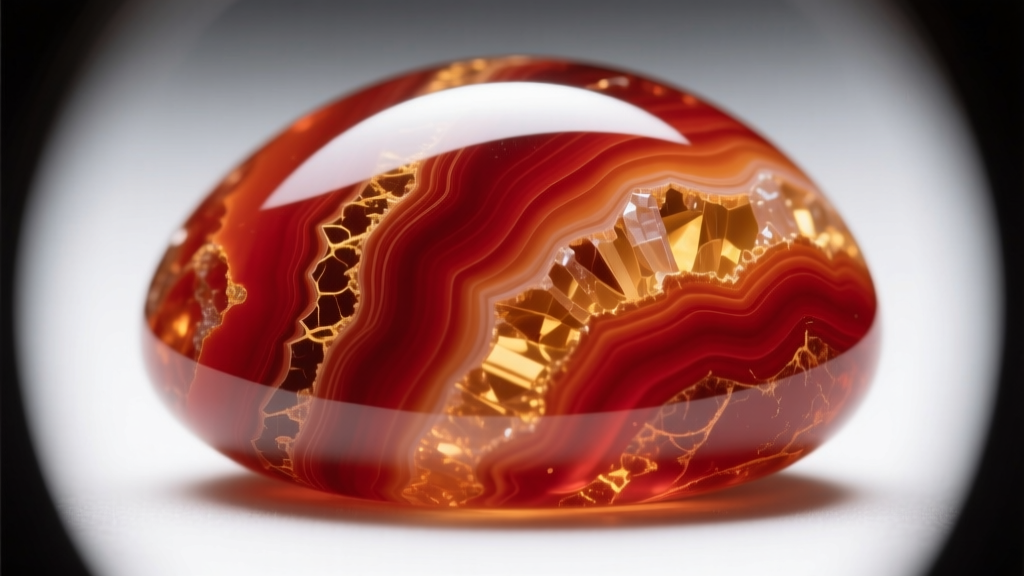
Structural Triage: Fixing Foil-Backs and Fragile Settings
Georgian (1714-1837) and early Victorian carnelian earrings frequently utilized closed-back collet settings with foil backing to amplify the stone's fiery glow. The most common structural failure in these pieces is foil degradation caused by moisture intrusion.
Diagnosing Foil-Back Rot
If your antique carnelian earrings appear dull, cloudy, or exhibit a blackened, mirrored effect behind the stone, the foil has likely oxidized or rotted. Never attempt to clean this by soaking the earrings. Moisture is the primary enemy of antique foil-backs. To troubleshoot this issue, a master jeweler must carefully unseat the stone, replace the silver or copper foil, and reseal the collet using traditional burnishing techniques. Modern epoxy should be avoided, as it can off-gas and ruin the new foil over time.
The Thermal Shock Risk During Prong Retipping
While carnelian ranks at a respectable 6.5 to 7 on the Mohs hardness scale, it is highly susceptible to thermal shock. If a prong breaks on a Victorian open-back setting, a jeweler cannot simply apply a standard butane or oxy-propane torch to solder the new prong. Localized heat exceeding 300°C can cause internal micro-fractures to expand, literally shattering the stone or altering its historical heat-treated color. Always ensure your jeweler uses a laser welder for prong retipping on antique chalcedony, which concentrates heat into a microscopic 1mm spot, keeping the surrounding stone completely cool.
Expert Warning: Never use ultrasonic cleaners on antique carnelian earrings. The high-frequency vibrations can easily shatter foil-backed stones or shake loose fragile, centuries-old collet settings.
Wearability Hacks for Heavy Victorian Drops
One of the most frequent complaints regarding antique carnelian earrings is their weight and awkward fit. Victorian drop earrings were often crafted with thick, heavy-gauge wire and lack the ergonomic comfort of modern jewelry. Troubleshooting wearability requires addressing both the wire gauge and the lobe support.
Gauge Size Mismatches
Modern standard ear piercings are typically 20-gauge (0.81mm) or 18-gauge (1.02mm). However, original antique ear wires were often forged at 16-gauge (1.29mm) or even 14-gauge (1.63mm) to support the heavy stone drops. Forcing a thick 16-gauge antique wire through a delicate 20-gauge modern piercing will cause micro-tears, irritation, and eventual stretching.
The Fix: Do not file down the antique wire, as this destroys its historical integrity and weakens the structural support. Instead, have a jeweler carefully swap the original shepherd hook for a modern, hollow 18-gauge French wire using a discreet jump ring. If the original wire must be preserved, wear the earrings only for short durations and use a high-quality silicone earring stretcher taper to gently accommodate the thicker wire before insertion.
Preventing Earlobe Tearing
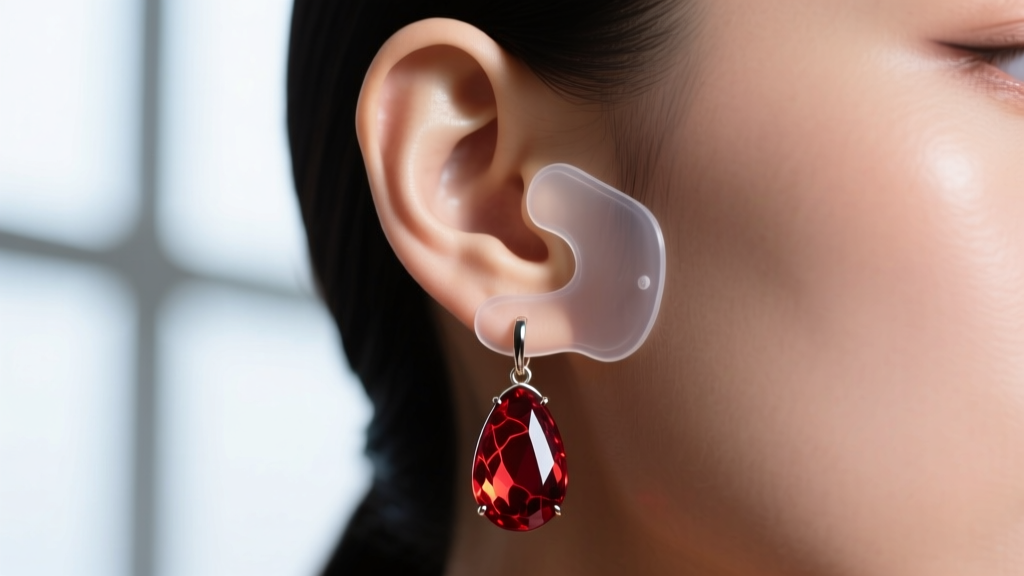
Heavy carnelian cabochons can pull the earlobe downward, causing the piercing hole to stretch into an unsightly slit. To solve this without altering the antique findings, utilize invisible support patches.
Troubleshooting Matrix: Quick Diagnostic Guide
| Issue | Visual/Tactile Symptom | Expert Solution |
|---|---|---|
| Cloudy/Dull Stone | Dark, oxidized reflection behind the cabochon | Jeweler must open collet, replace oxidized foil, and burnish shut. Do not use liquid cleaners. |
| Wobbly Stone | Stone shifts when gently tapped with a wooden peg | Tighten collet edges with a bezel roller. Avoid prong-pushing if the metal is work-hardened and brittle. |
| Piercing Irritation | Redness and soreness after 2 hours of wear | Check wire gauge. Swap thick antique hooks for 18g modern French wires via jump ring, or use silicone O-rings to distribute weight. |
| Surface Grime | Greasy film obscuring the stone's natural luster | Clean with a soft baby toothbrush, mild dish soap, and distilled water. Dry immediately with a microfiber cloth. |
Safe Cleaning Protocols for Porous Antiquities
Carnelian is a micro-porous stone. Over decades, it can absorb skin oils, lotions, and environmental pollutants, leading to a greasy, muted appearance. Furthermore, the silver or low-karat gold settings of antique pieces accumulate stubborn tarnish in the crevices. The Victoria and Albert Museum advises extreme caution when cleaning historical jewelry to preserve original patinas.
- Dry Brush First: Always begin by gently brushing the setting and stone with a soft, dry makeup brush to remove loose dust and grit that could scratch the surface during wet cleaning.
- Targeted Wet Cleaning: Mix a few drops of pH-neutral dish soap into a bowl of distilled water (tap water contains minerals that can spot the stone). Dip a cotton swab or a baby toothbrush into the solution and gently agitate the grime. Never submerge the entire earring.
- Tarnish Removal: For heavily tarnished silver settings, avoid liquid dip polishes, which can strip the antique patina and seep behind the stone. Use a treated polishing cloth (like a Sunshine cloth) to gently rub the metal high-points, deliberately leaving tarnish in the deep recesses to maintain the antique contrast and visual depth.
Final Verdict: Preserving Your Investment
Owning and wearing antique carnelian earrings is a rewarding experience that connects you to centuries of lapidary art. However, treating them like modern, mass-produced jewelry is a recipe for irreversible damage. By properly authenticating the stones, respecting the thermal and moisture sensitivities of antique settings, and adapting the wearability for modern earlobes, you can ensure these fiery red treasures survive for another century. Always consult a jeweler who specializes in antique restoration before attempting any structural repairs.


