Antique Diamond Stud Earrings: Metal & Stone Properties
Discover the unique material properties of antique diamond stud earrings, from silver-topped gold settings to Old European cut diamond optics.

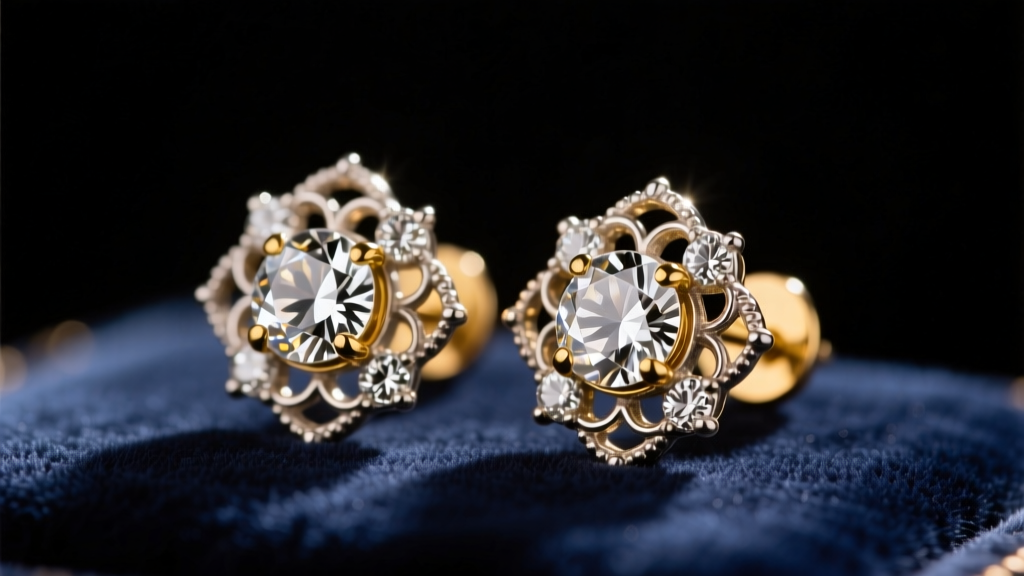
The Allure of Antique Diamond Stud Earrings in 2026
As the jewelry market in 2026 continues to shift toward sustainable and historically significant acquisitions, antique diamond stud earrings have surged in popularity. Unlike modern mass-produced studs, antique pieces (defined as being over 100 years old) offer a masterclass in historical metallurgy and lapidary arts. Evaluating these earrings requires a deep understanding of period-specific material properties, from the optical physics of hand-cut diamonds to the chemical behavior of archaic metal alloys. This guide dissects the exact material characteristics that define Victorian, Edwardian, and Art Deco diamond studs.
Diamond Cuts: Optical Properties and Proportions
The diamonds found in antique studs were cut entirely by hand, relying on the cutter's eye rather than modern computer-aided design. This results in unique light return patterns that prioritize scintillation (the flash of light when the stone moves) over the static brilliance favored in modern cuts.
| Cut Type | Era | Facets | Crown Height | Table Size | Culet | Optical Behavior |
|---|---|---|---|---|---|---|
| Old Mine Cut | Georgian / Victorian | 58 | Very High | Small | Large & Open | Chunky flashes, deep contrast, 'crushed ice' periphery |
| Old European Cut | Victorian / Edwardian | 58 | High | Small (53%) | Small & Open | Hall of mirrors effect, fiery scintillation, romantic glow |
| Transitional Cut | Art Deco (1920s-30s) | 58 | Medium | Medium (60%) | Pointed / Small | Bridge between antique chunkiness and modern brilliance |
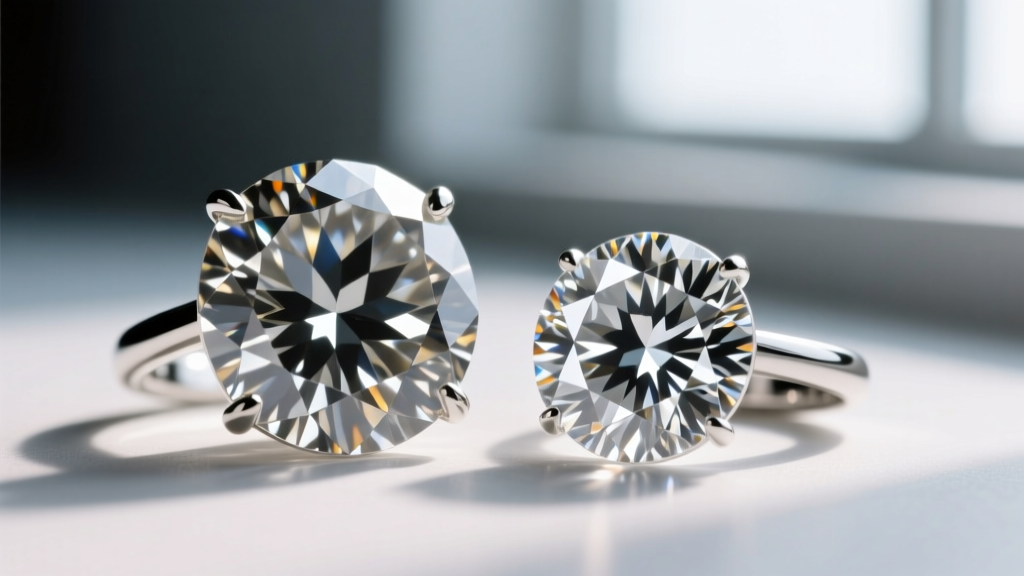
According to the Gemological Institute of America (GIA), the Old European cut is the direct predecessor to the modern round brilliant. However, its high crown and small table mean it retains more carat weight in the vertical axis. When sourcing antique diamond stud earrings, buyers should expect asymmetrical facet junctions and open culets (the flat point at the bottom of the pavilion), which are hallmarks of authenticity rather than flaws.
Precious Metal Settings: Alloys and Historical Chemistry
The metalwork in antique earrings tells a story of technological limitations and ingenious workarounds. The settings used to secure these diamonds vary drastically from modern 14k or 18k standard alloys.
Silver-Topped Gold (Victorian Era)
Before the widespread commercial use of platinum, jewelers struggled to create white metal settings that would not tarnish the skin or clothing. The solution was silver-topped gold. These earrings feature an 18k or 15k yellow gold base (which sits against the earlobe, preventing green skin discoloration) topped with a layer of silver to hold the diamonds. Over a century later, the silver layer often develops a dark oxidation patina. While modern jewelers might be tempted to polish this away, preserving the original silver-topped patina is crucial for maintaining the piece's historical integrity and market value.
Early Platinum and Iridium Alloys (Edwardian Era)
The Edwardian era (1901-1915) introduced platinum to fine jewelry, made possible by the invention of the oxyhydrogen torch. Antique platinum studs are typically alloyed with 10% iridium (900/100 Pt/Ir), unlike modern platinum which often uses ruthenium or cobalt. This specific iridium alloy is incredibly malleable, allowing for the ultra-fine, lace-like milgrain and filigree work characteristic of the era. However, this malleability also means that antique platinum prongs are highly susceptible to bending and require careful handling.
14K and 15K Yellow Gold
British antique earrings frequently utilize 15k gold, a standard that was discontinued in 1932. This alloy contains 62.5% pure gold, offering a rich, warm hue that sits between modern 14k (58.5%) and 18k (75%). The higher copper and silver content in these historical alloys gives them a distinct tensile strength, making the thick, hand-drawn posts of Victorian studs remarkably durable despite their age.
Structural Integrity: Posts, Prongs, and Wear Patterns
Evaluating the physical anatomy of antique diamond stud earrings is critical for daily wearability. Modern manufacturing relies on cast settings and standardized friction posts, whereas antique pieces were entirely hand-fabricated.
- Post Thickness and Threading: Modern earring posts are typically 20-gauge (0.81mm) or 18-gauge (1.02mm). Antique posts, particularly those from the Art Deco period, can be as thick as 16-gauge (1.29mm) or feature non-standard hand-cut screw threads. Forcing a modern friction back onto an antique screw post will destroy the threading.
- Hand-Cut Prongs: Antique prongs were raised from the solid metal shank or carefully soldered, rather than cast in a mold. Over 100+ years, these prongs experience significant friction wear. A 2026 best practice is to have a master jeweler inspect the prongs under 10x magnification and perform laser re-tipping using matching historical alloys before wearing them regularly.
- Ear Nut Security: Original antique ear nuts are often worn out or lost. Using modern silicone or heavy gold friction backs on thin, worn antique posts increases the risk of the nut slipping off. Custom-fitted screw backs or locking ear nuts are highly recommended for securing valuable antique stones.
Authentication and Hallmarking
Verifying the material properties of antique diamond stud earrings requires reading historical hallmarks. As noted by Lang Antiques, a premier authority on estate jewelry, European pieces will bear specific assay marks. Look for the British dog-ear mark (indicating 15k gold) or the French eagle head (indicating 18k gold). American pieces from the late 19th and early 20th centuries may lack formal hallmarks, relying instead on maker's marks or simple '14K' stamps that were often added decades after the piece was originally fabricated.
When purchasing antique studs, always request a condition report detailing the exact alloy composition via X-ray fluorescence (XRF) testing, and ensure the diamonds have not been swapped for modern brilliant cuts, which drastically alters the historical value of the mounting.
Preservation and Cleaning Protocols
The material properties of antique earrings dictate strict cleaning limitations. Never place silver-topped gold or fracture-filled antique diamonds in an ultrasonic cleaner. The high-frequency vibrations can shatter stones with internal feathers (common in Old Mine cuts) and strip the delicate oxidation from hand-engraved galleries. Instead, use a soft goat-hair brush, lukewarm distilled water, and a pH-neutral dish soap. For the metalwork, a mild silver polishing cloth can be used exclusively on the silver-topped areas, taking extreme care to avoid the gold backing and the diamond girdles.
Final Thoughts on Material Legacy
Antique diamond stud earrings are not merely accessories; they are wearable artifacts of metallurgical and gemological evolution. By understanding the specific properties of Old European optics, iridium-platinum alloys, and hand-fabricated prong structures, collectors can preserve these pieces for another century. In an era dominated by lab-grown diamonds and cast settings, the imperfect, handcrafted material reality of antique studs offers an irreplaceable connection to the master jewelers of the past.


