Assessing Buffalo Earrings: Genuine Horn vs Faux Resin
Are your buffalo earrings genuine horn or cheap resin? We break down material value, hardware failure modes, and cost-per-wear for smart buyers.

The Buffalo Earrings Market: What Are You Actually Buying?
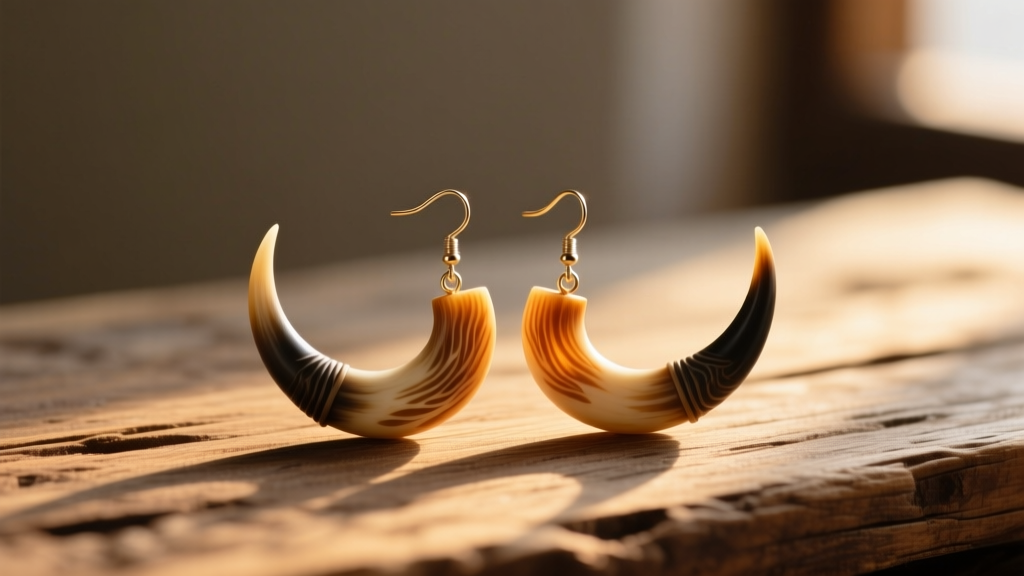
When shopping for buffalo earrings, consumers are frequently met with a confusing array of price points, ranging from $8 street-market stalls to $85 artisan boutiques. The term itself is a catch-all that usually refers to jewelry crafted from water buffalo horn or bone, though it occasionally describes Western-themed bison motif metals. For this value assessment, we are focusing strictly on the organic material category: genuine water buffalo horn versus the synthetic imitations flooding the fast-fashion market.
As organic jewelry gains traction in 2026 for its sustainability and lightweight properties, understanding the material science and hardware engineering behind these pieces is critical. According to the Gemological Institute of America (GIA), organic gems and materials like horn and bone require specific structural considerations that differ vastly from mined minerals or synthetic polymers. Let us break down where your money is actually going.
Material Breakdown: Keratin vs. Polymers
Genuine water buffalo horn is composed primarily of keratin—the same structural protein found in human hair and nails. This gives it a unique, slightly flexible durability and a natural warmth to the touch. Faux alternatives are typically stamped from cellulose acetate or poured into molds using epoxy resin. While resin can mimic the visual marbling of horn, it fails entirely in weight and biomechanical comfort.
| Material | Avg. Price Range | Weight (per 2-inch dangle) | Allergy Risk | Longevity |
|---|---|---|---|---|
| Genuine Buffalo Horn | $35 - $85 | ~5.5 grams | None (Horn itself) | High (if maintained) |
| Cellulose Acetate | $18 - $30 | ~9.0 grams | Low | Medium |
| Epoxy Resin (Faux) | $8 - $15 | ~14.5 grams | Medium (Off-gassing) | Low (Brittle) |
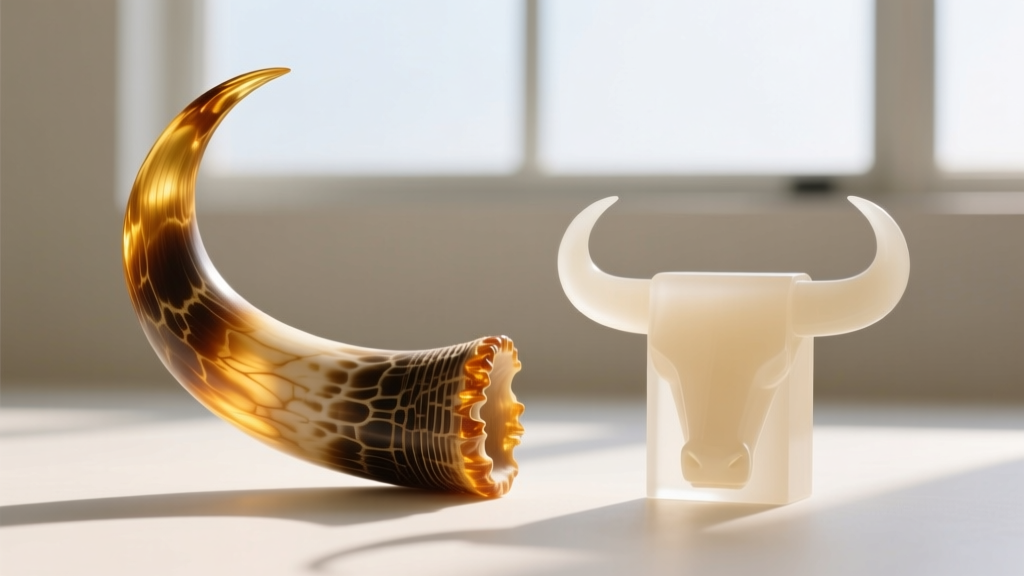
The most significant value discrepancy lies in the weight. A 2-inch resin dangle can weigh nearly triple that of a horn dangle of the exact same dimensions. Over a 10-hour wear period, this excess mass causes earlobe fatigue, micro-tearing, and eventual stretching of the piercing fistula. Genuine horn offers the visual impact of an oversized statement earring without the biomechanical penalty.
The Hardware Trap: Why Your Horn Studs Broke in a Week
The greatest hidden cost in budget buffalo earrings is not the horn itself, but the hardware attachment. Because horn is an organic, slightly porous material, bonding metal to it presents an engineering challenge. Here are the three attachment methods you will encounter, ranked by value:
1. The Cyanoacrylate Glue Trap (Low Value)
Mass-produced horn studs (usually priced under $20) feature a flat steel post glued directly into a shallow, laser-drilled divot on the back of the horn. Human sebum, sweat, and natural skin oils actively break down cyanoacrylate (super glue) adhesives. Expect these posts to snap off within three to six weeks of regular wear. This is a planned obsolescence failure mode.
2. The Bezel and Rivet Method (High Value)
Artisan and high-end brands drill a complete hole through the horn, insert a post with a widened base, and secure it with a secondary rivet or by setting the horn into a metal bezel cup. This mechanical fastening is immune to skin oils and will outlast the horn itself.
3. Wire-Wrapped Fishhooks (Best for Dangles)
For dangle styles, the horn should be drilled and fitted with a metal jump ring or eye-pin that is mechanically closed. Ensure the jump ring is made of ASTM F136 implant-grade titanium or 316L surgical steel to prevent galvanic corrosion where the metal meets the organic keratin.
Gauge Sizes and Piercing Health
When assessing the value of horn fishhook earrings, pay close attention to the wire gauge. The standard for most earlobe piercings is 20-gauge (0.81mm) or 18-gauge (1.02mm). Budget manufacturers frequently use 22-gauge (0.64mm) wire to save on metal costs. Because horn can catch on scarves and hair, a 22-gauge wire acts like a cheese wire against the earlobe during a snag, risking severe lacerations. Always verify the wire thickness before purchasing; a high-value horn earring will explicitly state it uses 18G or 20G hypoallergenic wire.
Ethical Sourcing and CITES Compliance
A common concern for buyers of organic jewelry is the ethical sourcing of animal byproducts. It is vital to distinguish between poached wildlife and domesticated agricultural byproducts. According to the CITES Species Database, the domestic water buffalo (Bubalus bubalis) is not an endangered species and is not restricted by international wildlife trade bans. The horn used in jewelry is a reclaimed byproduct of the agricultural and dairy industries, primarily sourced from Southeast Asia and South America. Purchasing genuine, ethically sourced horn supports rural artisan economies and utilizes a material that would otherwise be discarded, making it a highly sustainable choice compared to petroleum-based resins.
Maintenance and Cost-Per-Wear Analysis
Genuine horn requires a specific maintenance routine to maximize its lifespan, which directly impacts its long-term value. Keratin is sensitive to extreme heat and prolonged moisture. Leaving horn earrings in a steamy bathroom or wearing them in the shower will cause the material to absorb water, warp, and eventually develop a foul odor as bacteria colonize the porous surface.
To maintain the structural integrity and luster of buffalo horn, follow this framework:
- Cleaning: Wipe with a slightly damp cloth after wear to remove sebum. Never use ultrasonic cleaners or alcohol-based solvents, which will strip the natural oils and cause micro-cracking.
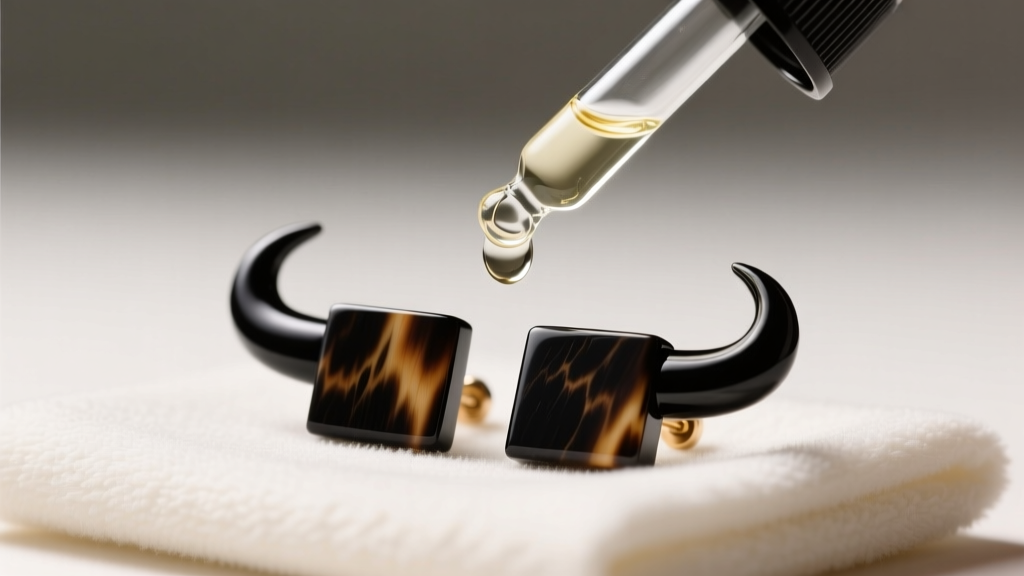
- Conditioning: Once a month, apply a single drop of food-grade mineral oil or jojoba oil to the horn. Buff it with a microfiber cloth. This prevents the keratin from drying out and snapping under pressure.
- Storage: Store flat in a breathable cotton pouch. Avoid airtight plastic bags, which can trap ambient humidity and encourage mold growth on the organic surface.
When maintained properly, a $50 pair of genuine, riveted horn dangles will easily last a decade, bringing the cost-per-wear down to fractions of a penny. Conversely, a $12 pair of resin fakes with glued posts will likely end up in a landfill within two months.
Final Verdict: Navigating the FTC Guidelines
The Federal Trade Commission (FTC) strictly regulates jewelry material claims. If a product is labeled as "buffalo horn," it must be exactly that. However, many fast-fashion retailers use deceptive naming conventions like "buffalo-style" or "horn-look" to bypass these regulations while selling acrylic. Always read the fine print in the product specifications. If the material is listed as "acrylic," "epoxy," or "cellulose acetate," you are paying a premium for a polymer imitation.
Where to Spend: Invest in genuine water buffalo horn for oversized dangles and statement hoops where weight reduction is critical for earlobe health. Look for mechanical post attachments and 18G/20G titanium hardware.
Where to Save: If you are buying small, lightweight studs that sit flush against the ear, the weight advantage of horn is negligible. In this specific scenario, high-quality acetate or even carved wood may offer a similar aesthetic at a lower price point, provided the hardware is securely riveted.
Ultimately, the true value of buffalo earrings lies in their unique intersection of lightweight comfort, sustainable sourcing, and artisanal craftsmanship. By prioritizing material authenticity and hardware engineering over fast-fashion illusions, you can build an organic jewelry collection that is both economically sound and biologically kind to your piercings.


