2026 Style Guide: Asymmetrical Silver and Gemstone Earrings
Discover 2026's top trends in asymmetrical silver and gemstone earrings, featuring Argentium metals, lab-grown stones, and expert styling frameworks.

The 2026 Shift: Why Asymmetry and Argentium Dominate
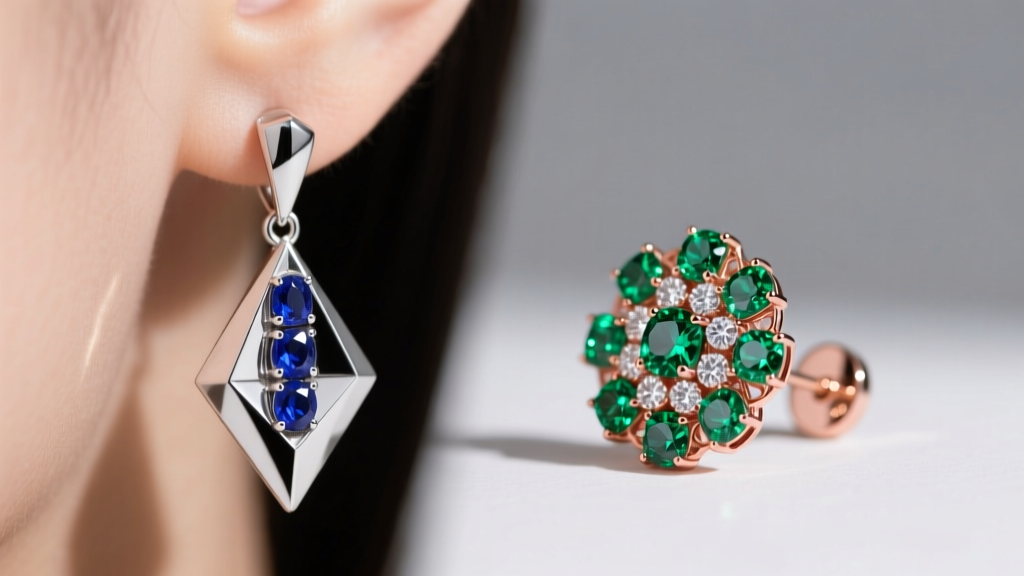
The landscape of fine jewelry has undergone a radical transformation as we move through 2026. The era of perfectly matched, traditional stud-and-drop sets has been decisively replaced by curated, asymmetrical ear styling. At the forefront of this movement are silver and gemstone earrings that prioritize architectural silhouettes, mixed-metal finishes, and intentional mismatching. However, the most significant evolution isn't just aesthetic; it is metallurgical. Discerning collectors and everyday wearers alike are abandoning traditional .925 sterling silver in favor of Argentium, a modern alloy that solves the age-old problem of oxidation while providing a brighter, whiter canvas for contemporary gemstone cuts.
According to recent market analyses, the demand for low-maintenance, high-luster silver has surged, driven by consumers who want the prestige of fine jewelry without the upkeep. When styling silver and gemstone earrings this year, the focus is on 'cohesive contrast'—pairing a heavy, structural drop on one lobe with a delicate, multi-stone cluster or ear cuff on the opposite side.
Material Deep Dive: Argentium vs. Traditional Sterling
To understand the 2026 market for premium silver and gemstone earrings, you must understand the metallurgy. Traditional sterling silver is an alloy of 92.5% silver and 7.5% copper. The copper provides strength but is highly susceptible to sulfur in the air, causing rapid tarnishing. Argentium silver, developed by Peter Johns at Middlesex University, replaces a portion of the copper with germanium.
The addition of germanium fundamentally alters the metal's behavior. It forms a transparent, protective layer of germanium dioxide on the surface, making Argentium up to seven times more tarnish-resistant than standard sterling. For earring designers, this means the bright, white luster of the metal remains intact for years, allowing the paired gemstones to shine without the distracting yellowing of oxidized silver.
| Feature | Traditional .925 Sterling | Argentium .935 / .960 |
|---|---|---|
| Purity | 92.5% Silver | 93.5% or 96.0% Silver |
| Alloy Element | Copper (7.5%) | Copper & Germanium |
| Tarnish Resistance | Low (Requires frequent polishing) | Exceptional (Protective oxide layer) |
| Luster | Warm white (dims over time) | Bright, platinum-like white |
| Workability | Standard | Fusion-weldable (no solder seams) |
| Avg. Price Premium | Baseline | +15% to +30% |
As noted by the Argentium Silver Guild, the fusion-welding capability of this alloy allows jewelers to create seamless, intricate geometric drops that were previously impossible without visible, tarnish-prone solder lines.
Gemstone Pairings: The 'Mismatched but Cohesive' Framework
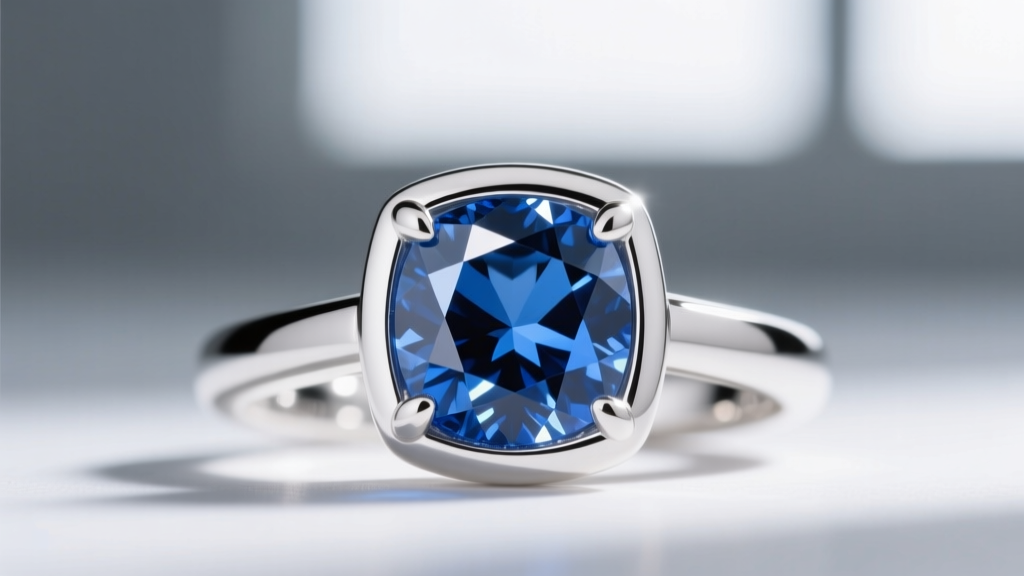
The gemstone landscape in 2026 is defined by ethical sourcing and optical precision. Lab-grown stones have completely normalized, offering identical chemical and physical properties to mined stones at a fraction of the environmental cost. When styling asymmetrical silver and gemstone earrings, the goal is to link the two ears through a shared color story or cut, rather than identical stones.
Top 2026 Asymmetrical Pairings
- The Architectural Contrast: A single, emerald-cut lab-grown Montana sapphire (bezel set) paired with a cluster of three round-brilliant lab diamonds on the opposite lobe. The shared cool-toned palette ties the look together.
- The Textural Play: A raw, unpolished ethically sourced tourmaline slice in a heavy silver cuff, contrasted with a highly polished, faceted pear-cut amethyst drop. This plays with light refraction versus light absorption.
- The Monochromatic Stack: A silver ear cuff featuring channel-set black spinels on the cartilage, paired with a long, articulated silver drop featuring a single, kite-cut black diamond at the terminus.
'The modern ear curve is no longer about symmetry; it is about visual weight distribution. A heavy, dark gemstone on the left ear requires a delicate, highly reflective cluster on the right to balance the face without mirroring it.' — Master Jeweler & Trend Forecaster, 2026 Guild Report
Technical Specs: Gauges, Settings, and Failure Modes
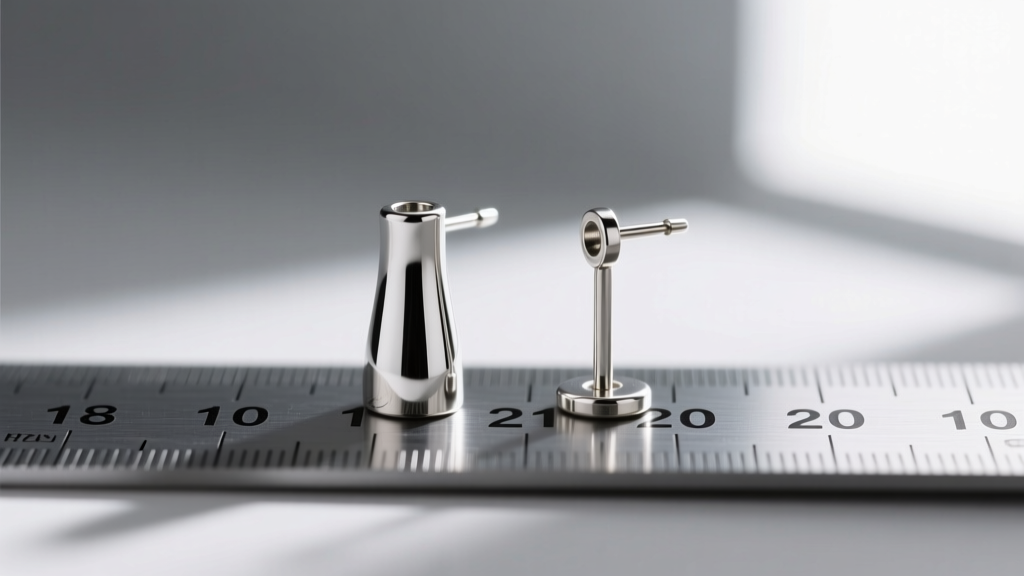
A critical failure mode in heavy silver and gemstone earrings is earlobe tearing, often caused by ignoring post gauge and weight distribution. Standard fashion earrings use a 20-gauge (0.81mm) post. However, when utilizing dense gemstones like sapphires (Mohs 9) or large lab-diamond clusters, the weight can easily exceed 4 grams per earring.
Gauge Sizing and Lobe Health
For any drop earring exceeding 3.5 grams, an 18-gauge (1.02mm) or even a 16-gauge (1.29mm) post is mandatory. The thicker wire distributes the kinetic energy of the swinging gemstone, preventing the 'cheese-cutter effect' that slowly slices through the earlobe tissue over time. Furthermore, the backing mechanism must be upgraded from standard butterfly friction backs to secure screw-backs or heavy-tension silicone stoppers to prevent the loss of valuable stones.
Setting Durability in Drop Styles
When selecting silver and gemstone earrings for daily wear, the setting type dictates the lifespan of the piece. Prong settings maximize light entry, making them ideal for high-refractive-index stones like lab diamonds and white sapphires. However, silver is a relatively soft metal (even in Argentium form). Prongs in silver can bend or catch on knitwear, leading to stone loss. For active lifestyles, a bezel setting—where a continuous rim of silver encircles the gemstone's girdle—is the superior choice. It sacrifices roughly 10% of the stone's visible surface area but increases impact resistance by over 80%.
Price Analysis and Brand Spotlight
The pricing for high-quality silver and gemstone earrings in 2026 reflects the premium on ethical sourcing and advanced metallurgy. While fast-fashion retailers offer silver-plated alternatives with glued-in synthetic stones for under $40, these pieces suffer from rapid galvanic corrosion and stone loss.
For solid Argentium silver paired with certified lab-grown gemstones, consumers should expect the following market rates:
- Entry-Level Studs & Small Drops (0.5ct - 1.0ct total weight): $120 - $250
- Mid-Tier Architectural Drops & Ear Cuffs (1.5ct - 3.0ct total weight): $280 - $550
- Haute Couture / Independent Artisan Commissions (Custom cuts, heavy gauge): $600 - $1,200+
Brands leading this specific niche include independent designers on platforms like 1stDibs, who are increasingly adopting Argentium for its sustainability profile, as well as established contemporary houses that have pivoted to lab-grown stones to meet the demands of the eco-conscious Gen Z and Millennial luxury buyer. The Gemological Institute of America (GIA) continues to provide the essential grading reports that legitimize these lab-grown stones, ensuring buyers receive the exact color and clarity grades they are paying for.
Final Styling Verdict
The 2026 approach to silver and gemstone earrings is an exercise in intentional rebellion. By abandoning the safety of matched sets and embracing the structural superiority of Argentium silver, wearers can curate ear profiles that are deeply personal, technically sound, and visually arresting. Whether you are anchoring a heavy, bezel-set lab sapphire on your primary lobe or threading a delicate silver chain through your upper cartilage, the key is to prioritize material integrity and asymmetrical balance. Invest in thicker gauges, demand germanium-alloyed silver, and let the gemstones tell a cohesive, yet wonderfully mismatched, story.


