How to Authenticate and Clean Coro Vintage Earrings
Learn how to authenticate, clean, and safely wear Coro vintage earrings. Step-by-step guide to identifying hallmarks and restoring rhinestones.

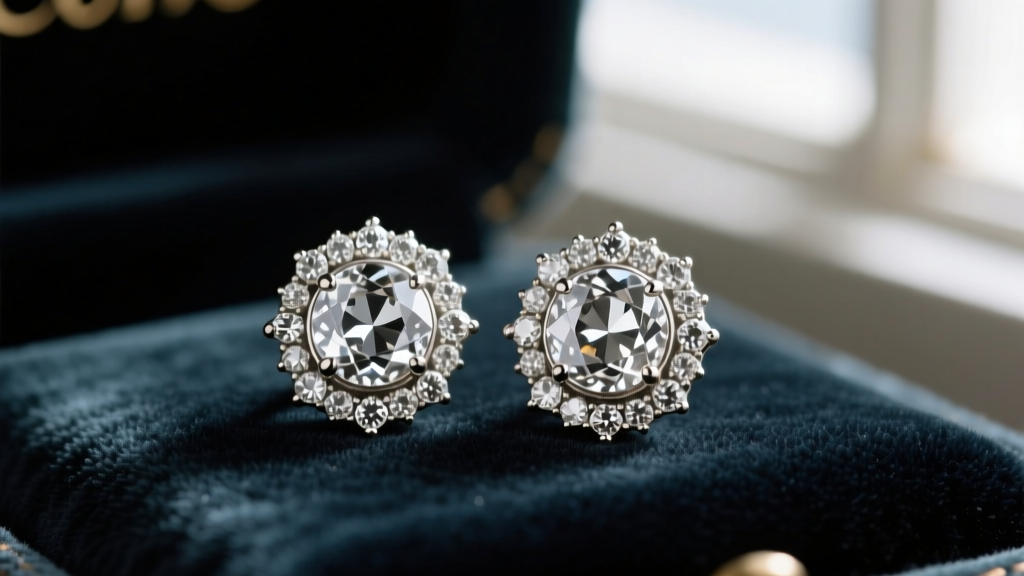
Collecting costume jewelry is a thrilling pursuit, and few names carry as much historical weight and design prestige as Coro. Founded in 1901 by Emanuel Cohn and Gerald Rosenberg, Coro became the largest costume jewelry manufacturer in the world by the mid-20th century. Today, finding a pair of Coro vintage earrings at an estate sale or online auction is a major win. However, decades of wear, improper storage, and a flood of modern reproductions mean that buyers and collectors must approach these pieces with a critical eye.
This comprehensive, step-by-step guide will teach you how to authenticate Coro hallmarks, safely clean fragile mid-century rhinestones without ruining the foil backing, and adapt vintage clip-ons for comfortable modern wear in 2026.
The Legacy of Coro: Understanding the Sub-Brands
Before you can authenticate a piece, you must understand Coro's brand hierarchy. Coro did not just produce one line of jewelry; they segmented their market meticulously. According to the Vintage Fashion Guild, recognizing these sub-brands is the first step in dating and valuing your earrings.
- Coro: The standard, mass-market line. High quality but accessible, often featuring base metals and glass stones.
- CoroCraft: Introduced in the late 1930s, this was a step up, frequently utilizing sterling silver vermeil and higher-grade European rhinestones.
- Vendome: Launched in 1944, Vendome was Coro's luxury tier. These pieces often feature intricate beadwork, faux pearls, and premium Swarovski crystals.
- Francois: A short-lived, highly collectible line from the 1930s known for avant-garde, Art Deco-inspired geometric designs.
Step-by-Step Authentication Guide
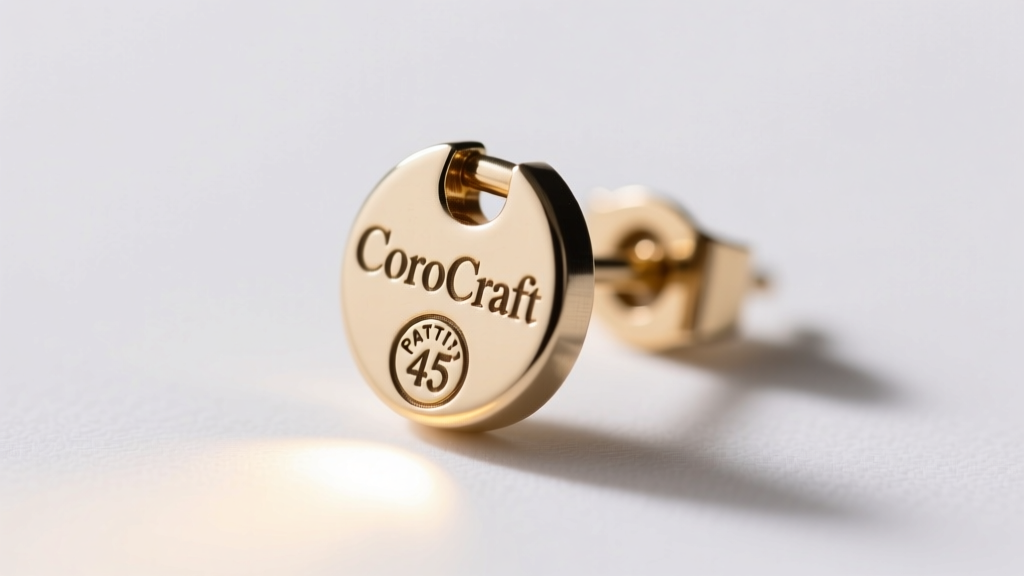
Authenticating Coro vintage earrings requires examining the reverse side of the earring or the clip-on paddle for stamped hallmarks. You will need a 10x jeweler's loupe and a bright light source.
Decoding the Hallmarks and Patents
Coro was fiercely protective of its designs and patented hundreds of mechanisms and styles. Look for 'Pat. Pend.' (Patent Pending) or specific patent numbers. Cross-referencing these numbers with the Lang Antiques University database can pinpoint the exact year of manufacture.
| Era | Common Hallmark | Material Notes |
|---|---|---|
| 1920s - 1930s | 'Coro' in block letters | Pot metal, early paste stones, screw-backs |
| 1940s | 'Coro' in script, 'Sterling' | Sterling vermeil, jelly belly lucite, paddle clips |
| 1950s - 1960s | 'CoroCraft' or 'Vendome' | Rhodium plating, Aurora Borealis stones |
| 1970s+ | 'Coro' with copyright symbol (©) | Base metals, mass-produced molds |
The Aurora Borealis (AB) Anomaly Test
Here is a crucial piece of expertise that separates novices from seasoned collectors: Swarovski introduced the Aurora Borealis (AB) iridescent coating for Christian Dior in 1955. If you find a pair of earrings stamped with a 1940s 'Coro Sterling' hallmark but featuring AB rhinestones, you are looking at a compromised piece. Either the original stones fell out and were replaced by a later owner, or the piece is a modern forgery using an old stamp. True 1940s Coro earrings will feature uncoated, foil-backed chatons or cabochons.
How to Safely Clean Coro Rhinestone and Enamel Earrings
The most common mistake new collectors make is treating vintage costume jewelry like fine jewelry. Submerging Coro earrings in water or using ultrasonic cleaners will instantly destroy them. Most mid-century Coro rhinestones are foiled—meaning a delicate metallic backing is glued behind the glass to create sparkle. Water seeps under the prongs, oxidizes the foil, and turns the stones permanently black or cloudy.
Step 1: Dry Dusting and Debris Removal
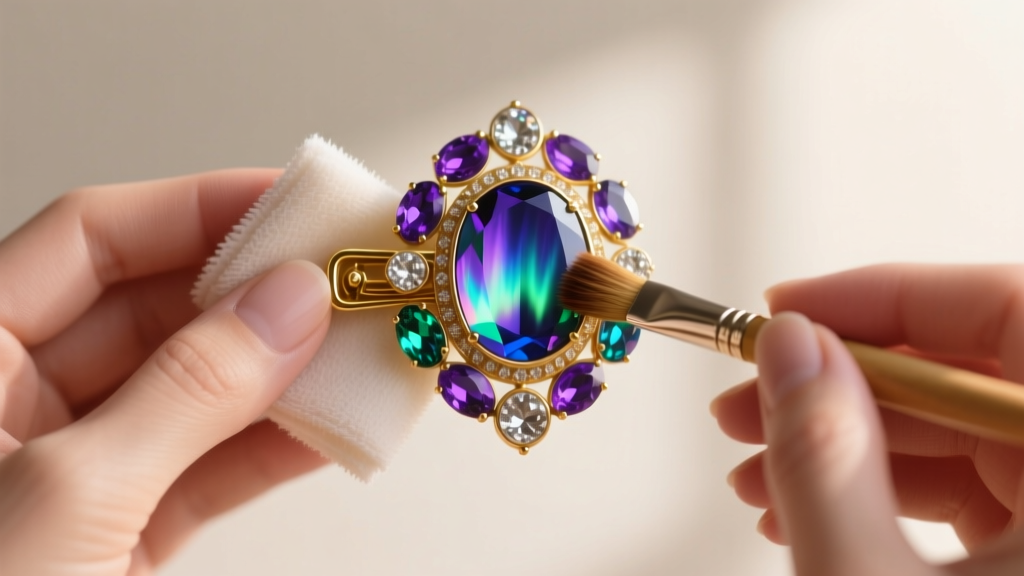
Place the earrings on a soft microfiber towel. Use a clean, dry, soft-bristled detailing brush (or a baby toothbrush) to gently sweep away decades of dust, skin cells, and hairspray residue from the prongs and crevices. Always brush outward, away from the stone settings, to avoid catching and bending the soft metal prongs.
Step 2: Polishing the Metal Vermeil
CoroCraft and Vendome pieces often feature gold or silver vermeil (a thick layer of precious metal plated over sterling silver). Do not use liquid silver dips or harsh chemical polishes, as they will strip the vermeil and cloud any enamel work. Instead, use a treated jewelry cloth, such as a Sunshine Polishing Cloth. Gently rub the metal surfaces, carefully folding the cloth to avoid snagging the prongs. Keep the cloth away from the rhinestones, as the micro-abrasives in the cloth can scratch the glass.
Step 3: Spot-Cleaning Unfoiled Stones
If you are certain the stones are unfoiled (common in later 1960s Vendome pieces), you can use a cotton swab barely dampened with 90% isopropyl alcohol to wipe the surface of the glass. Never apply the liquid directly to the earring. If the earrings feature cold enamel (painted resin), avoid alcohol entirely, as it will dissolve the finish.
Upgrading Clip-On Backs for Modern Comfort
The vast majority of Coro vintage earrings from the 1930s through the 1960s are clip-ons. Early versions utilized a simple 'paddle' clip that pinched the earlobe mercilessly, while later versions featured adjustable screw-backs. In 2026, comfort is paramount, and you have two main options for wearing these pieces.
Option A: Silicone Clip-On Cushions (Recommended)
The safest, non-destructive method is to purchase slip-on silicone pads designed for vintage paddle clips. These cushions distribute the pressure across a wider area of the earlobe and provide grip, preventing the heavy rhinestone earrings from sliding off. They are virtually invisible when worn and preserve the historical integrity of the piece.
Option B: Converting to Pierced (Proceed with Caution)
While you can hire a jeweler to snip off the clip-on mechanism and solder on a post and butterfly back, this is generally discouraged in the collecting community. Altering the original findings reduces the resale value of the earrings by 30% to 50%. Furthermore, the heat from soldering can easily shatter nearby glass stones or melt the glue holding the rhinestones in place. If you must convert them, seek a jeweler who specializes in laser welding, which localizes the heat and protects the stones.
2026 Sourcing and Pricing Guide
The market for vintage costume jewelry has matured significantly. While you can still find bargains at local estate sales, highly sought-after Coro pieces command premium prices online. Here is what you should expect to pay for authentic Coro vintage earrings in today's market:
- Standard 1950s Rhinestone Clip-Ons: $35 – $85. Excellent for everyday vintage styling.
- Coro 'Jelly Belly' Sterling Earrings (1940s): $250 – $600+. These feature polished Lucite bellies surrounded by pave rhinestones and are highly prized by serious collectors.
- Vendome Faux Pearl & Crystal Parures: $150 – $300. Look for pieces featuring the signature 'watermelon' or baroque pearl finishes.
- Francois Art Deco Earrings: $400 – $900+. Rare, geometric, and museum-quality.
By mastering these authentication and care techniques, you ensure that your Coro vintage earrings will continue to sparkle and retain their historical value for decades to come. Always handle them with clean, dry hands, and store them flat in acid-free tissue paper to prevent the metal from tarnishing and the prongs from catching on other jewelry.


