How to Authenticate and Care for Yurman Pearl Earrings
Learn how to authenticate, clean, and store your luxury Yurman pearl earrings with our expert step-by-step guide to preserving nacre and sterling silver.

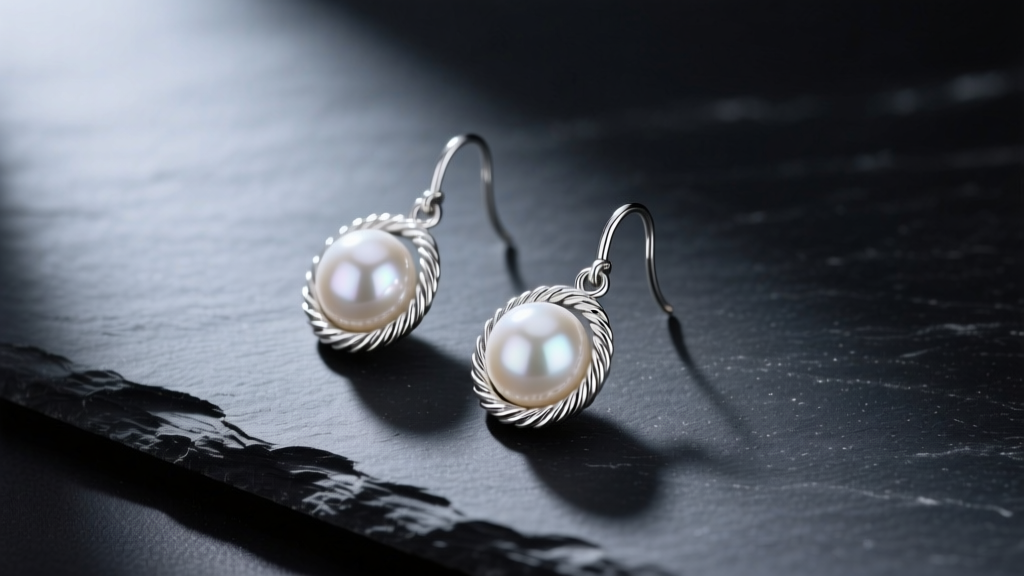
The Intersection of Iconic Design and Organic Beauty
David Yurman’s signature cable motif, paired with the iridescent luster of high-grade pearls, represents one of the most recognizable luxury jewelry designs in the modern market. However, the secondary market in 2026 is saturated with sophisticated counterfeits, and the organic nature of pearls requires a highly specific maintenance regimen. Whether you own classic sterling silver studs or 18k gold South Sea pearl drops, understanding the metallurgical and gemological nuances of your jewelry is essential. This comprehensive guide provides actionable, step-by-step instructions on how to authenticate, clean, and preserve your Yurman pearl earrings, ensuring they retain their structural integrity and market value.
Step 1: Authenticating Your Yurman Pearl Earrings
Counterfeiters often replicate the visual twist of the cable design but fail to match the precise metallurgical standards and gemological quality of authentic pieces. Follow this three-point inspection framework to verify your earrings.
Inspecting Hallmarks and Cable Geometry
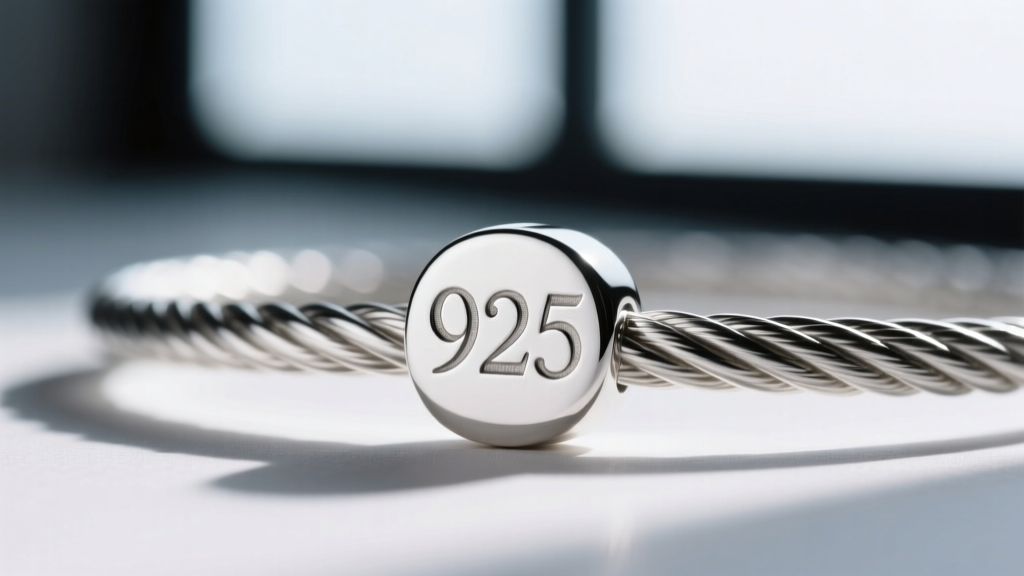
Authentic David Yurman pieces feature laser-sharp or deeply struck hallmarks. Look for the 'D.Y.' or 'David Yurman' stamp, accompanied by metal purity marks such as '925' for sterling silver or '750' / '18k' for gold. The iconic cable twist is not merely a stamped texture; it is a hand-twisted wire. On genuine pieces, the twist is uniform, with precisely aligned ridges that catch the light symmetrically. Counterfeits often exhibit a 'mushy' or flattened twist pattern where the mold failed to capture the sharp edges of the original wire.
Evaluating Pearl Quality and Nacre Depth
David Yurman typically utilizes high-luster Akoya or South Sea pearls. According to the Gemological Institute of America (GIA), high-quality Akoya pearls possess a nacre thickness of at least 0.4mm, resulting in a deep, mirror-like luster. Hold the earring under a direct LED light; authentic pearls will display sharp, crisp reflections with subtle overtone colors (often rose or cream). Fakes typically use shell beads coated with a synthetic pearlescent paint, which looks flat, chalky, and lacks depth. Additionally, inspect the drill hole. Authentic pearls feature clean, sharp drill holes, whereas coated imitation pearls often show peeling or flaking around the entry point.
Checking Post Gauge and Friction Backs
Luxury earrings must support the weight of solid metal and dense nacre. Authentic Yurman pearl earrings typically feature 18-gauge (1.0mm) or 19-gauge (0.9mm) posts. If the post feels exceptionally thin, bends easily under light pressure, or is made of a non-magnetic, lightweight base metal, it is likely a counterfeit. Furthermore, authentic friction backs (butterfly clasps) are stamped with matching purity marks and feature precision-machined tension loops that grip the post securely without requiring excessive force.
Step 2: Proper Cleaning Techniques for Mixed Materials
Cleaning Yurman pearl earrings requires a bifurcated approach. The metallic cable elements and the organic pearls have vastly different chemical tolerances. Using the wrong cleaning agent can permanently etch the nacre or strip the rhodium plating from white gold elements.
Cleaning the Sterling Silver and Gold Elements
Sterling silver is prone to tarnishing due to the copper alloy (7.5%) reacting with sulfur in the air. To clean the metal cable:
- Use a dedicated, untreated microfiber cloth to gently wipe away surface oils and dust.
- For active tarnish, use a high-quality silver polishing cloth (such as a Sunshine cloth) that contains embedded micro-abrasives and anti-tarnish agents.
- Rub the cloth strictly along the grooves of the cable twist. Avoid pressing the polishing cloth against the pearl, as the mild abrasives will scratch the nacre.
- For hard-to-reach crevices near the pearl setting, use a soft-bristled baby toothbrush lightly dampened with distilled water and a drop of pH-neutral dish soap. Dry immediately with a lint-free cloth.
Washing the Pearls Safely
Pearls are organic gemstones composed of calcium carbonate and conchiolin. They rank at a mere 2.5 to 3.0 on the Mohs hardness scale and are highly susceptible to acidic and alkaline degradation. As noted in the official David Yurman care guidelines, pearls should never be submerged in liquid. Instead, dampen a soft, lint-free cotton cloth with distilled water and gently wipe the surface of the pearl after every wear to remove acidic skin oils and cosmetics.
Chemical Agents to Avoid
The following table outlines common jewelry cleaning methods that will cause catastrophic failure to Yurman pearl earrings.
| Cleaning Method | Impact on Metal | Impact on Pearl Nacre |
|---|---|---|
| Ultrasonic Cleaners | Safe for solid gold/silver | Causes micro-fractures and shatters nacre |
| Steam Cleaners | Safe for most metals | Heat dehydrates pearl, causing peeling |
| Ammonia-based Solutions | Strips rhodium plating | Dissolves calcium carbonate surface |
| Silver Dip Liquids | Removes heavy tarnish | Chemically burns and dulls the pearl |
Step 3: Storage and Long-Term Maintenance
Proper storage is not just about preventing tangles; it is a critical component of preserving the chemical stability of both the metal and the gemstone.
Preventing Tarnish and Nacre Dehydration
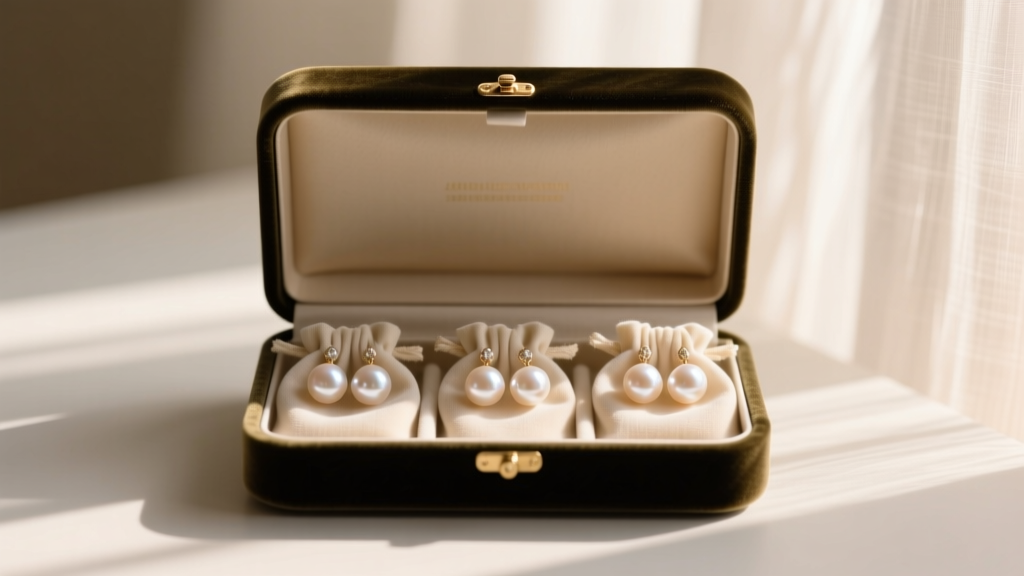
Never store your pearl earrings in a sealed plastic bag or an airtight safety deposit box for extended periods. Pearls require ambient moisture to prevent the conchiolin (the organic protein binding the nacre) from drying out and cracking. Store them in a breathable, soft flannel pouch or a lined jewelry box. To combat silver tarnish, place a 3M anti-tarnish strip inside the jewelry box drawer, but ensure the strip does not physically touch the pearls.
The 'Last On, First Off' Rule
Always put your Yurman pearl earrings on after applying makeup, hairspray, and perfume. The alcohol and aerosolized chemicals in cosmetics will rapidly degrade the pearl's luster. Conversely, they must be the first item you remove when returning home, preventing accidental impacts against clothing or furniture that could chip the nacre against the hard metal cable.
Troubleshooting Common Issues
Even with meticulous care, luxury earrings may experience mechanical or environmental wear over time. Here is how to address specific failure modes.
Loose Pearls and Epoxy Degradation
Many Yurman pearl earrings feature the pearl mounted on a metal post or nestled within a cable cup using jeweler's epoxy. Over time, exposure to heat (like leaving them in a hot car) or harsh chemicals can cause the epoxy to yellow, become brittle, and fail. If you notice the pearl spinning freely on the post or wobbling in the cup, stop wearing the earring immediately. Do not attempt to glue it back yourself with cyanoacrylate (Super Glue), as this will permanently ruin the pearl's surface and complicate professional repair. Take it to a certified jeweler for ultrasonic-safe epoxy reapplication.
Tarnish Build-Up in the Pearl Cup
The small metal cup (bezels or cups) holding the pearl often accumulates black silver sulfide tarnish that a polishing cloth cannot reach. To safely remove this without touching the pearl, dip a wooden toothpick in a tiny amount of silver polish, carefully scrape the tarnish from the metal crevices, and immediately wipe the area with a damp cotton swab to remove any chemical residue before it migrates to the pearl.
Conclusion
Owning Yurman pearl earrings is an investment in both masterful metallurgy and organic artistry. By rigorously authenticating your pieces, adhering to a strict, material-specific cleaning protocol, and understanding the environmental needs of nacre, you ensure that your earrings remain a luminous staple in your collection for decades. Treat the pearls with the delicacy of a living organism, and the silver with the respect due to a precious alloy, and your jewelry will continue to reflect the impeccable standards of its design.


