Pink and Green Earrings: 2026 Botanical Style Guide
Discover how to style pink and green earrings in 2026. Explore gemstone pairings, enamel trends, and face-shape guides for this botanical aesthetic.

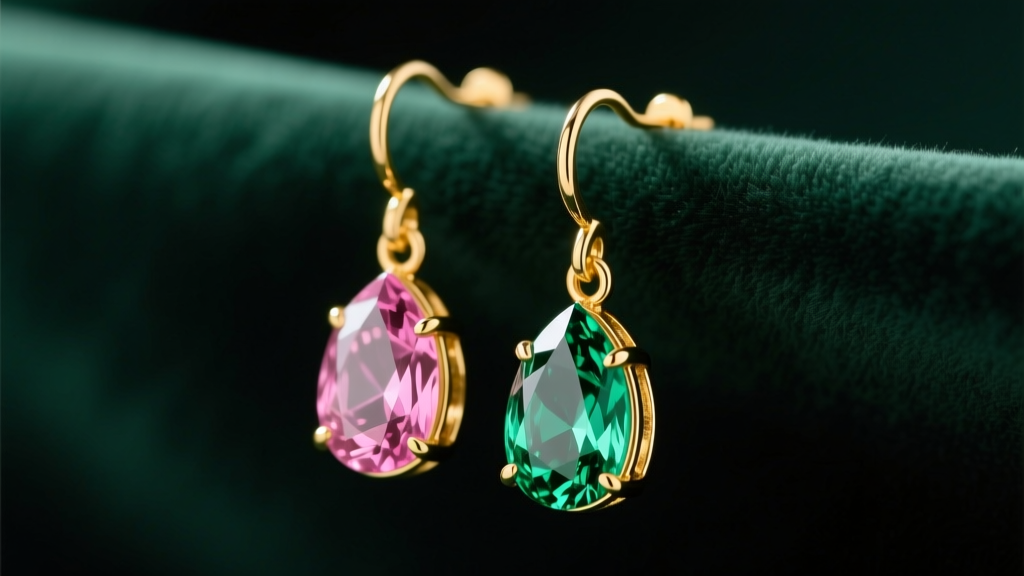
The Rise of Neo-Botanical: Why Pink and Green Earrings Dominate 2026
The jewelry landscape of 2026 has decisively pivoted away from the ultra-minimalist, monochromatic metallics of the early 2020s. In its place, the 'Neo-Botanical' aesthetic has taken root, celebrating high-contrast, nature-inspired color blocking. At the absolute forefront of this movement are pink and green earrings. This specific color pairing is not merely a seasonal fad; it is a masterclass in split-complementary color theory. Pink (a tint of red-violet) and green sit opposite each other on the traditional color wheel, creating a visual vibration that is both energetic and deeply organic.
According to trend forecasting data from Pantone Color Intelligence, the modern consumer is gravitating toward 'dopamine-driven' heirloom pieces that evoke the lushness of a greenhouse or the vibrant geometry of a tropical canopy. However, pulling off pink and green earrings requires a nuanced understanding of undertones, material grades, and facial proportions. This guide breaks down the exact gemological pairings, metal alloys, and styling matrices you need to master this trend.
Gemological Pairings: Beyond Basic Enamel
While vitreous enamel offers a playful, accessible entry point into the trend, high-end jewelry collectors and style connoisseurs are turning to precise gemstone pairings to achieve the pink and green aesthetic. The interplay of light through natural inclusions adds a layer of depth that opaque enamel simply cannot replicate.
Tsavorite Garnet and Pink Tourmaline
This is the ultimate 2026 power pairing. Tsavorite, a vibrant green variety of grossularite garnet, owes its color to trace amounts of vanadium and chromium. Unlike emeralds, tsavorites are rarely treated, meaning you are getting pure, unadulterated color with a high refractive index (1.74) that rivals sapphire. When paired with pink tourmaline (rubellite), which derives its hue from manganese, the result is electric. According to the Gemological Institute of America (GIA), tsavorite's exceptional brilliance makes it ideal for pavé settings, while pink tourmaline's strong pleochroism requires a skilled lapidary to orient the stone so the deepest pink faces the viewer.
Morganite and Emerald
For a softer, more romantic interpretation, peach-pink morganite paired with lush green emerald is the preferred choice. Morganite (a beryl variety, Mohs 7.5-8) offers a pastel, sunset-like pink that tempers the intense, slightly yellowish-green of a Colombian or Zambian emerald. Because emeralds are notoriously brittle and heavily included (the 'jardin'), bezel settings in 14k or 18k gold are highly recommended for drop earrings to protect the girdle from impact.
Metal Alloys: Setting the Scene for Color
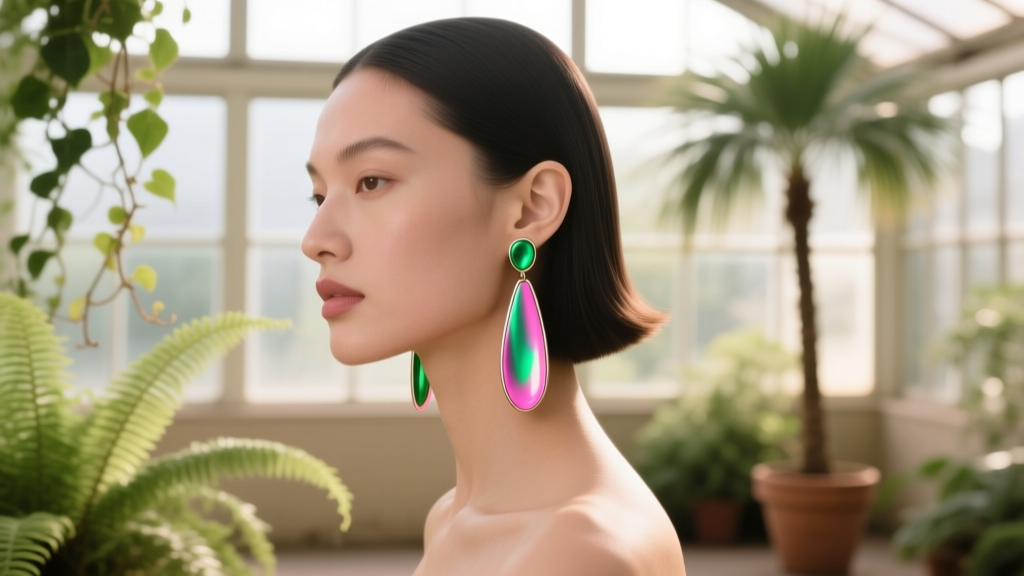
The metal you choose to house your pink and green earrings drastically alters the final visual temperature. In 2026, bimetallic settings are trending heavily, allowing jewelers to optimize the backdrop for each individual stone.
- 18k Yellow Gold: With 75% pure gold alloyed with copper and silver, 18k yellow gold provides a warm, rich canvas that amplifies the verdant tones of tsavorite and emerald. It is the superior choice for the green elements of your earring.
- 14k Rose Gold: Containing 58.5% gold and a higher percentage of copper, rose gold naturally harmonizes with the red-violet undertones of pink tourmaline and morganite. It creates a seamless, monochromatic gradient effect with the pink stones.
- Platinum and White Gold: While rhodium-plated white gold and platinum offer a crisp, modern contrast, they can sometimes wash out the delicate pastel hues of morganite. Reserve these metals for high-saturation stones like deep rubellite and vivid emerald.
Pro Tip: Look for custom jewelers who utilize 'split-shank' or dual-tone bezel techniques, setting the green stones in yellow gold prongs and the pink stones in rose gold bezels within the same earring assembly.
Face Shape and Proportion Matrix
The high visual weight of pink and green earrings means they will naturally draw the eye. Selecting the correct silhouette for your face shape is critical to ensure the earrings enhance rather than overwhelm your features.
| Face Shape | Ideal Pink & Green Style | Design Elements to Embrace | What to Avoid |
|---|---|---|---|
| Round | Angular Geometric Drops | Long rectangular enamel blocks, sharp trillion-cut gemstones, vertical lines. | Small round studs, wide circular hoops, clustered pavé balls. |
| Oval | Versatile / Huggies | Thick bimetallic huggies, medium-sized teardrop dangles, ear cuffs. | Overly elongated chandeliers that disrupt natural facial balance. |
| Square | Curved Drops & Hoops | Soft oval cabochons, fluid organic vine motifs, medium-diameter hoops. | Sharp, boxy geometric shapes that mirror and exaggerate the jawline. |
| Heart | Chandelier & Teardrop | Bottom-heavy designs, pear-shaped morganite drops, wider bases. | Top-heavy studs or inverted triangles that emphasize a narrow chin. |
Cartilage vs. Lobe: Placement and Gauge Specifics
The Neo-Botanical trend extends far beyond the standard earlobe. Curated ear projects in 2026 heavily feature pink and green accents in the upper cartilage, but the mechanics of the jewelry must be respected.
The Helix and Flat
For helix and flat piercings, the standard gauge is 16g (1.2mm) or 14g (1.6mm). Because cartilage is less vascular and more prone to irritation bumps, material purity is non-negotiable. Opt for ASTM F-136 implant-grade titanium for the post or clicker mechanism, even if the decorative face is 14k gold. A pink and green enamel clicker ring with a hinge closure is ideal here, as it eliminates the friction of a threaded post.
The Tragus and Conch
Tragus piercings typically require an 18g (1.0mm) or 16g post with a short backing (5mm to 6mm) to avoid pressing into the ear canal. A delicate pink tourmaline stud with a tiny tsavorite halo works beautifully in the tragus, providing a subtle pop of contrasting color that is visible from the profile view.
Sourcing and Price Points
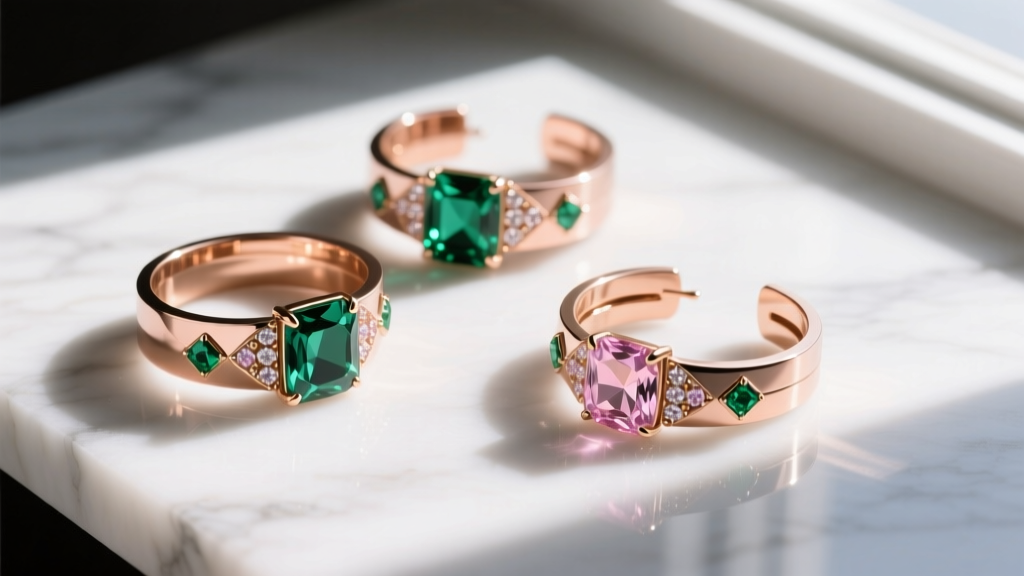
Understanding the market value of pink and green earrings ensures you invest in quality pieces rather than overpriced costume jewelry. Here is a realistic breakdown of what to expect in the 2026 market:
- Fine Jewelry (Natural Gems): Earrings featuring natural, untreated tsavorite and high-grade rubellite set in 18k gold will typically range from $2,800 to $8,500+ per pair, depending on carat weight and clarity. Always request a report from a reputable lab like GIA or AGL for stones over 1.5 carats.
- Semi-Fine (Lab-Created & Enamel): Lab-created emeralds and pink sapphires offer identical chemical properties to their natural counterparts at a fraction of the cost. Expect to pay between $450 and $1,200 for high-quality, solid gold settings featuring lab-grown stones or premium guilloché enamel.
- Fashion & Demi-Fine: Gold-plated brass or sterling silver pieces with cubic zirconia or dyed quartz generally fall in the $60 to $180 range. While fun for seasonal trends, be aware that the plating will eventually wear, especially on high-friction areas like huggie hinges.
Final Styling Verdict
Pink and green earrings are a testament to the jewelry industry's embrace of joyous, unapologetic color. Whether you are investing in a bespoke pair of pear-cut morganite and emerald drops for a gala, or slipping on a pair of 16g titanium cartilage clickers featuring vibrant vitreous enamel, the key to mastering this trend lies in intentionality. Pay strict attention to your skin's undertones, respect the gemological properties of your chosen stones, and ensure your gauge sizes align perfectly with your piercing anatomy. By doing so, you transform a simple color combination into a sophisticated, wearable botanical garden.


