Making Clay Earrings: Essential Care & Cleaning Guide
Finished making clay earrings? Learn expert sealing, cleaning, and maintenance tips to protect polymer clay jewelry and keep handmade pieces pristine.

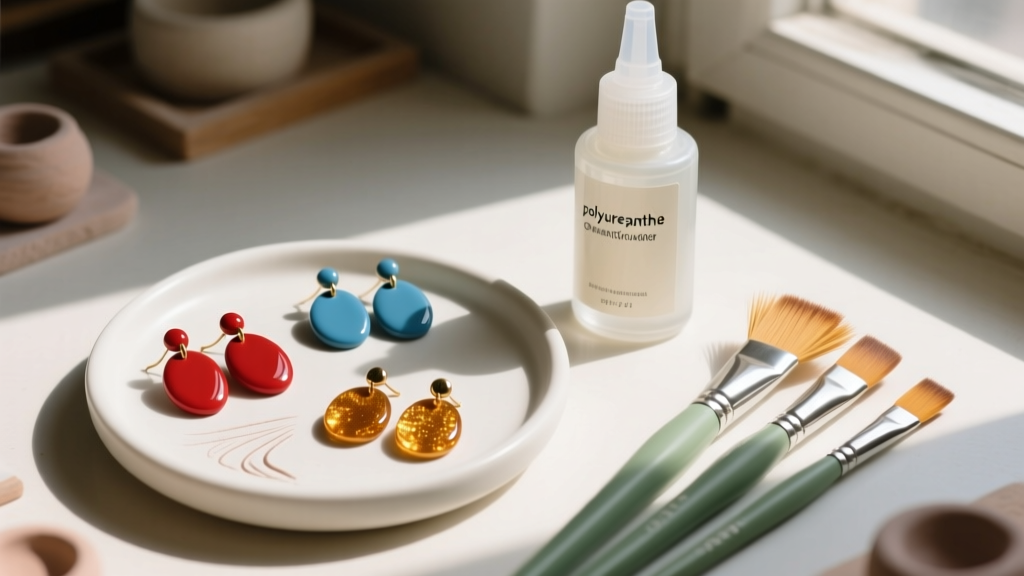
The Journey Beyond the Oven: Why Clay Care is Unique
The satisfaction of making clay earrings is immense. From conditioning the clay and mixing custom color palettes to sculpting intricate arches and terrazzo patterns, the creative process is deeply rewarding. However, the journey of a high-quality handmade earring does not end when it comes out of the oven or off the drying rack. In fact, as we move through 2026, the market for handmade clay jewelry has become highly saturated, meaning that the longevity, durability, and pristine condition of your pieces are what will set your brand apart.
Unlike forged metals or carved gemstones, clay—specifically polymer clay, which dominates the handmade earring market—is a unique synthetic medium. It requires a highly specific approach to sealing, cleaning, and daily maintenance. Standard jewelry cleaning methods, which often involve harsh solvents or ultrasonic baths, will actively destroy clay earrings. This comprehensive guide is designed for both the artisan and the wearer, detailing the exact chemistry, maintenance protocols, and structural best practices required to keep clay earrings flawless for years.
The Chemistry of Clay: Why Standard Cleaners Fail
To understand how to clean and maintain clay earrings, you must first understand what they are made of. Polymer clay is not earth clay; it is a modeling material based on the polymer polyvinyl chloride (PVC). To make the PVC flexible and workable, manufacturers add chemical plasticizers. These plasticizers are the Achilles' heel of polymer clay jewelry when it comes to maintenance.
When you expose polymer clay to solvents like rubbing alcohol (isopropyl), acetone, or even the chemicals found in standard makeup remover wipes, these solvents draw the plasticizers out of the PVC matrix. The immediate result might look like a clean surface, but the long-term result is catastrophic: the clay becomes brittle, loses its structural integrity, and eventually cracks or crumbles around the earring post.
Material Vulnerability Comparison
| Clay Type | Base Composition | Primary Vulnerability | Safe Cleaning Agent |
|---|---|---|---|
| Polymer Clay (e.g., Premo, Fimo) | PVC + Plasticizers | Alcohols, Acetone, Oils, Perfumes | Mild Dish Soap + Distilled Water |
| Air-Dry Clay | Cellulose / Paper Fiber | Water, Moisture, Humidity | Dry Microfiber Cloth Only |
| Epoxy Clay (e.g., Apoxie Sculpt) | Two-part Epoxy Resin | Abrasive Scrubbing, UV Yellowing | Gentle Soap + Soft Brush |
Sealing and Hardware: The First Line of Defense
Proper care begins the moment you finish making clay earrings, long before they ever reach the customer's jewelry box. The choice of sealer and hardware dictates how well the earrings will survive daily wear, exposure to skin oils, and environmental dust.
Choosing the Right Sealer
Many beginners make the mistake of using clear nail polish or spray acrylics to seal their earrings. According to polymer clay expert Ginger Davis Allman at The Blue Bottle Tree, nail polish contains solvents that never fully cure on polymer clay, resulting in a perpetually sticky surface that attracts dust and degrades over time. Instead, professionals rely on water-based polyurethanes (like Varathane), specialized polymer glazes, or two-part epoxy resins. In 2026, matte finishes have surged in popularity, requiring high-quality matte polyurethanes or Renaissance Wax, which must be reapplied every few months to maintain their protective barrier against skin oils.
Hardware Integration and Gauge Sizing
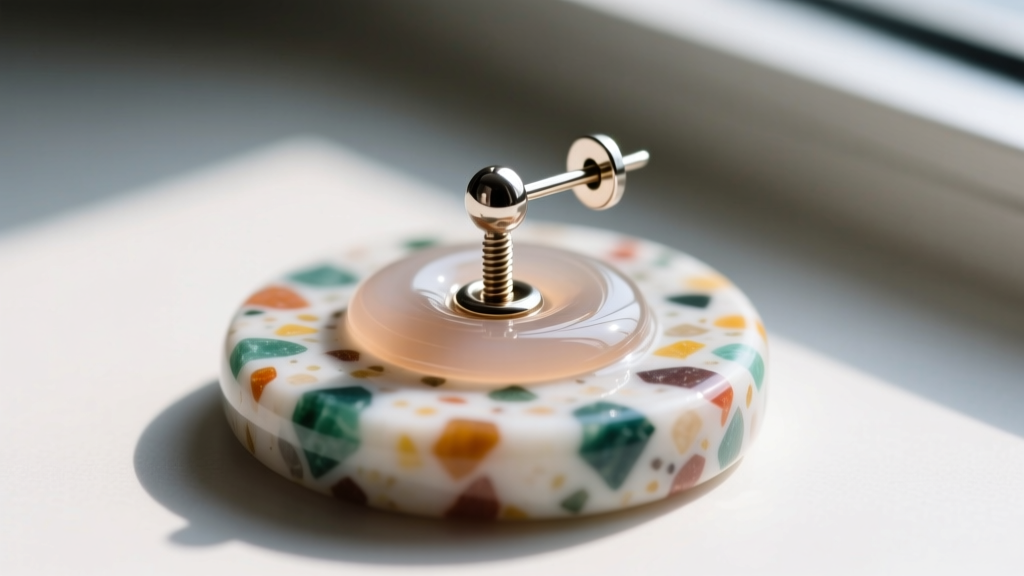
A major point of failure in clay earrings is the bond between the clay and the metal post. Cyanoacrylate (Super Glue) and E6000 are frequently used, but E6000 contains tetrachloroethylene, which can chemically react with polymer clay over time, weakening the bond. The gold standard for artisans is using a liquid clay adhesive (such as Sculpey Bake & Bond), which is baked onto the back of the earring, fusing the metal to the clay on a molecular level.
For the posts themselves, 20-gauge (0.8mm) or 18-gauge (1.0mm) stainless steel or titanium flat-pad posts are ideal. Titanium is highly recommended for 2026 collections due to its hypoallergenic properties and resistance to tarnish, ensuring that the metal components don't require aggressive polishing that could accidentally scratch the adjacent clay.
The Step-by-Step Cleaning Protocol
When your clay earrings accumulate makeup, skin oils, or environmental dust, they must be cleaned with precision. Forget ultrasonic cleaners and commercial jewelry dips. Here is the safest, most effective method for maintaining the vibrancy and integrity of sealed polymer clay earrings.
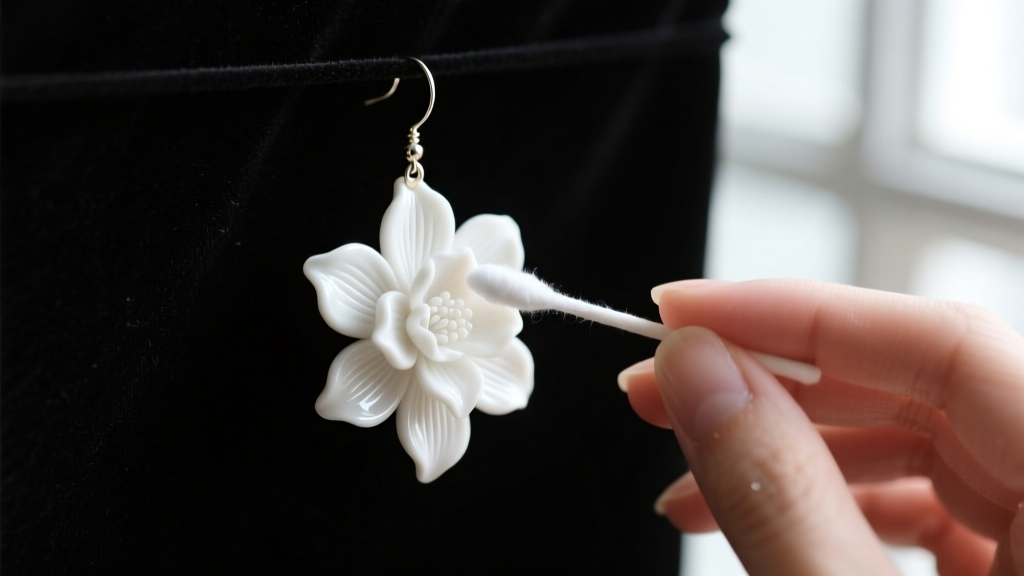
- Step 1: Prepare a Gentle Solution. Mix a few drops of pH-neutral, fragrance-free dish soap (like Dawn) into a small bowl of distilled water. Avoid tap water, as heavy minerals can leave microscopic water spots on glossy resin or polyurethane finishes.
- Step 2: Targeted Swabbing. Do not submerge the earrings. Instead, dip a cotton swab (Q-tip) or a ultra-soft microfiber cloth into the solution, squeezing out excess moisture. Gently roll the swab over the surface of the clay, paying special attention to the crevices where skin oils and foundation tend to accumulate.
- Step 3: Rinse and Dry. Dampen a fresh swab with pure distilled water and wipe away any soapy residue. Immediately pat the earrings completely dry with a lint-free cloth. Leaving moisture in the crevices near the metal posts can lead to rust or tarnish, which will eventually stain the porous edges of the clay.
- Step 4: Metal Polishing. If the earring posts or jump rings have tarnished, use a dry polishing cloth specifically designed for precious metals. Keep the cloth away from the clay surface, as some polishing cloths contain micro-abrasives that will permanently scratch matte clay finishes.
Storage and Environmental Degradation
How you store clay earrings is just as critical as how you clean them. Polymer clay is susceptible to UV degradation. Prolonged exposure to direct sunlight will cause white and pastel clays to yellow, and can cause certain UV-resin sealers to become brittle and crack. Always store clay earrings in a dark, temperature-controlled environment.
Furthermore, clay attracts dust due to mild static buildup. Storing earrings in individual anti-tarnish ziplock bags or lined jewelry boxes prevents dust from embedding into the microscopic textures of the clay. If you are an artisan, including a small silica gel packet in your storage boxes can protect any unsealed air-dry clay components from ambient humidity.
The Maker's Responsibility: Customer Care Cards
If you are in the business of making clay earrings for retail, educating your customer is the final step in the maintenance lifecycle. Handmade jewelry requires a different relationship between the wearer and the object compared to mass-produced fast fashion accessories.
Pro-Tip for Makers: Always include a beautifully designed 'Jewelry Care Card' in your packaging. Explicitly state: 'Avoid perfumes, hairsprays, and lotions. Put your earrings on LAST when getting ready, and take them off FIRST when cleaning your face. Never use alcohol wipes.' According to the official Sculpey guidelines, keeping cosmetics and aerosols away from polymer clay is the single most effective way to prevent surface degradation and discoloration.
By mastering the chemistry of your materials, utilizing professional-grade hardware integration, and following a strict, solvent-free cleaning protocol, you ensure that the clay earrings you create or collect remain as vibrant and structurally sound as the day they were finished. Proper care transforms a fragile craft project into a lasting, wearable piece of art.


