Authenticate an LV Earring: 2026 Troubleshooting Guide
Troubleshoot common LV earring issues from green skin to broken clasps. Learn expert authentication tips and repair solutions for your luxury jewelry.

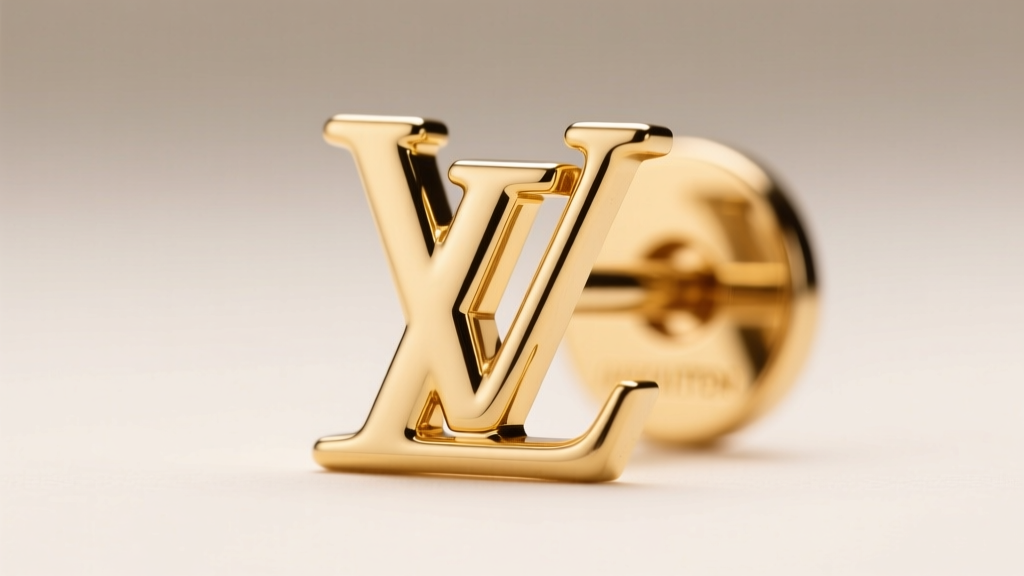
When investing in luxury jewelry, the secondary market for a vintage or new LV earring offers incredible value, particularly for iconic lines like the Monogram Flower, Color Blossom, and B Blossom collections. However, the pre-owned market is fraught with pitfalls. Buyers frequently encounter issues ranging from unexpected skin reactions and mechanical failures to sophisticated counterfeit pieces that bypass basic visual inspections. As we navigate the luxury resale landscape in 2026, understanding the metallurgy, mechanics, and authentication markers of Louis Vuitton earrings is no longer optional—it is essential for protecting your investment.
Understanding the Anatomy of an Authentic LV Earring
To troubleshoot effectively, you must first understand what you are working with. A common misconception is that all Louis Vuitton earrings are crafted from solid precious metals. In reality, the vast majority of LV's fashion jewelry—including the highly sought-after Color Blossom pieces featuring malachite, onyx, and mother-of-pearl—are constructed from a brass base alloy. This brass core is then heavily plated with gold-tone or palladium-tone metal.
The earring posts (the part that pierces the ear) are an exception. To comply with international nickel directives and prevent contact dermatitis, LV typically uses surgical-grade stainless steel or solid 18k gold for the posts, even when the decorative front is gold-plated brass. The posts usually measure between 18-gauge (1.0mm) and 20-gauge (0.8mm), which is the standard for luxury lobe piercings. Knowing this distinction is critical when troubleshooting allergic reactions or structural damage.
Troubleshooting Wear and Tear: Real-World Solutions
Issue 1: The 'Green Skin' Oxidation Reaction
The most frequent complaint among new LV earring owners is the dreaded 'green skin' effect behind the earlobe. This is not a sign of a fake earring; rather, it is a basic chemical reaction. The brass base metal contains copper. When the gold or palladium plating wears thin from friction and exposure to the lactic acid and salts in your sweat, the copper oxidizes, creating copper chloride—a green residue that transfers to your skin.
The Fix: If your earrings are causing this reaction, stop wearing them immediately to prevent skin irritation. For a temporary, at-home solution, apply a micro-thin layer of clear, hypoallergenic nail polish to the back of the earring face and the post. For a permanent, professional solution, take the earrings to a master jeweler and request a 'rhodium flash plating' over the back of the brass components. This typically costs between $40 and $80 and creates an inert, hypoallergenic barrier that will not oxidize.
Issue 2: Slipping Omega Backs and Clip-On Failures
Many LV hoop and drop earrings utilize an omega clip back (also known as a saddleback) or a traditional clip-on mechanism for non-pierced ears. Over time, the metal arm of an omega back can experience fatigue, losing its tension and causing the heavy earring to droop or fall off entirely.
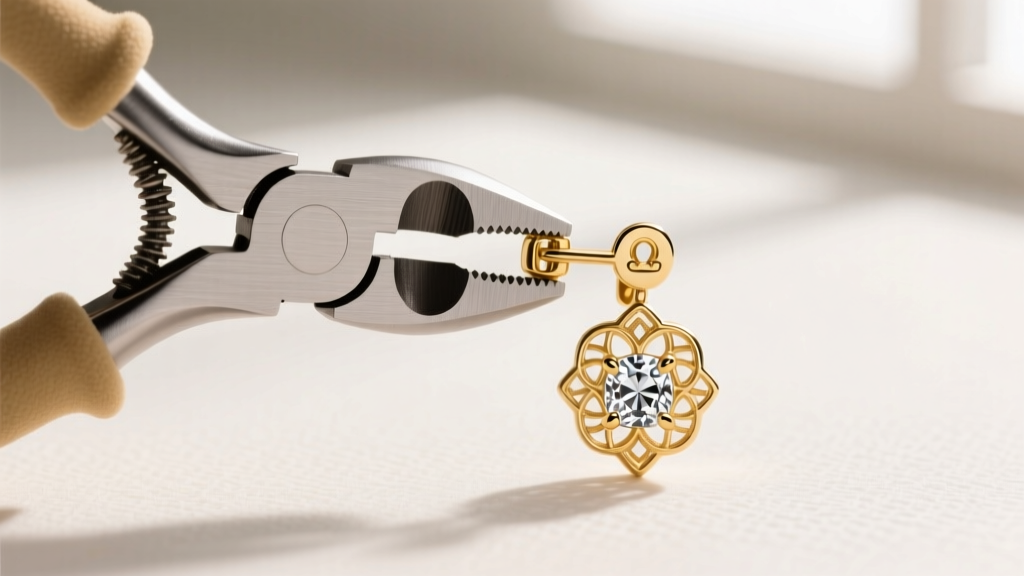
The Fix: Do not use standard steel jewelry pliers, as they will mar the gold-tone plating. Instead, use nylon-jaw pliers. Examine the hinge of the omega back with a 10x jeweler's loupe. Gently squeeze the base of the tension arm to increase the spring pressure. If the hinge pin itself is loose, a professional jeweler can re-peen the pin or replace the entire omega back assembly, a standard repair that usually costs under $50.
Issue 3: Lost Push-Piece (Poussette) Backs
Losing the butterfly back (poussette) of a stud earring is a universal jewelry problem, but replacing an LV-specific back requires care. Authentic LV push-pieces often feature the interlocking LV initials cast directly into the metal.
The Fix: If you lose an authentic back, Louis Vuitton boutiques will sometimes sell replacement sets for their current collections, provided you have proof of purchase. If your piece is discontinued or vintage, your best alternative is to source high-quality 18k gold or platinum friction backs from a luxury jeweler. Avoid cheap silicone stoppers, as the friction they create can bend the relatively soft 18k gold posts over time.
Authentication Troubleshooting: Spotting 2026 Superfakes
The counterfeit market has evolved dramatically. Today's 'superfakes' use genuine brass and semi-precious stones, making weight and material tests less reliable. Authentication now requires a forensic approach to typography, stamping depth, and digital tracking.
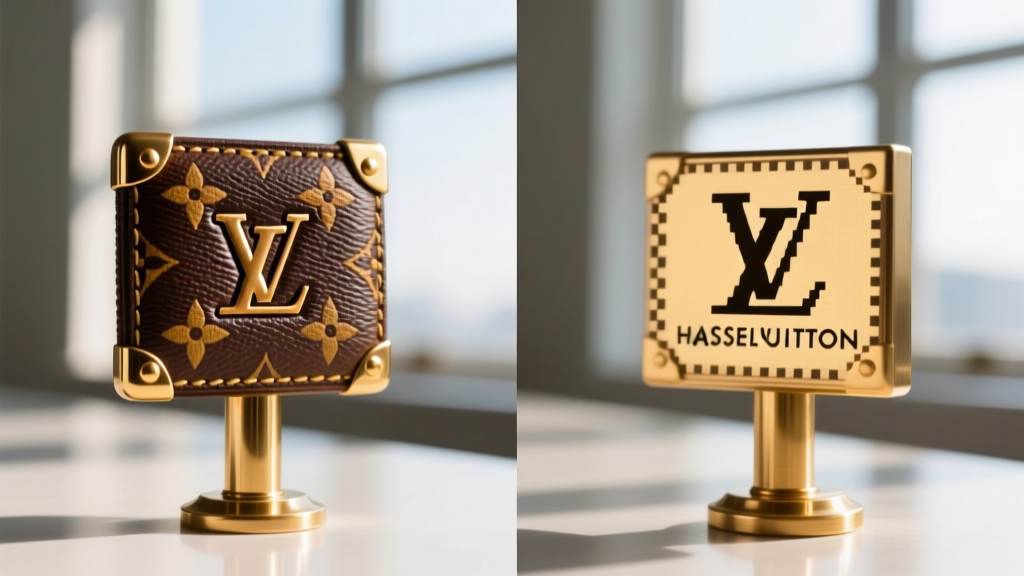
Historically, LV relied on date codes (two letters indicating the factory, followed by four numbers indicating the week and year). However, since 2021, Louis Vuitton has been phasing out physical date codes in favor of embedded RFID microchips. By 2026, nearly all authentic LV earrings on the market will either have a scannable RFID chip (for pieces made after 2021) or a highly specific, deeply stamped date code (for vintage pieces).
The Typography Test
The most reliable visual indicator of authenticity is the font used for the 'Louis Vuitton' stamp, usually located on the post or the underside of the clasp.
- The 'O's: Must be perfectly circular. If they are oval or elongated, the piece is counterfeit.
- The 'L': Features a very short horizontal base.
- The 'T's: The top bars of the 'T's are close together but should never touch.
- Stamp Depth: Authentic stamps are deeply die-struck with sharp, clean edges. Fakes often use laser etching, which looks shallow and slightly melted under magnification.
Comparative Analysis: Authentic vs. Counterfeit
| Feature | Authentic LV Earring | Counterfeit / Superfake |
|---|---|---|
| Font 'O' | Perfectly circular, uniform thickness | Oval, elongated, or uneven weight |
| Metal Weight | Heavy brass base, balanced distribution | Lightweight, hollow, or overly dense alloy |
| Stone Inlay | Flush setting, no visible adhesive | Glue seepage, uneven gaps, cloudy stones |
| Clasp Stamp | Deep, crisp, sharp die-struck edges | Shallow, laser-etched, blurry under 10x loupe |
| Tracking | RFID chip (post-2021) or crisp date code | Fake date codes or non-scannable chips |
Repair Protocols: Boutique vs. Independent Jeweler
When your LV earring sustains damage, knowing where to take it is crucial. According to the official Louis Vuitton repair services, the brand offers repairs for manufacturing defects and certain wear-and-tear issues on current collections. However, they will not repair pieces that have been altered by third parties, nor will they typically re-plate heavily worn vintage fashion jewelry.
If a stone has fallen out of a Color Blossom earring, an independent master jeweler who specializes in lapidary work can source a custom-cut malachite or onyx cabochon to match the original. For structural issues, such as a snapped earring post, laser welding is required. Because the base is brass, traditional soldering can melt the gold plating and damage the adjacent gemstone. A jeweler with a laser welder can reattach an 18k gold or steel post in seconds without applying heat to the surrounding area.
Preventative Maintenance Checklist
To ensure your LV earrings remain in pristine condition and retain their resale value, implement the following maintenance routine:
- Post-Wear Wiping: Always wipe the earrings with a dry, lint-free microfiber cloth after wearing. This removes sweat and skin oils before they can degrade the plating.
- Chemical Avoidance: Never spray perfume, hairspray, or cosmetics while wearing your earrings. The alcohol and solvents in these products will strip the gold-tone finish.
- Proper Storage: Store each earring individually in a soft pouch or a lined jewelry box. Tossing them together in a drawer will cause the harder stones (like onyx) to scratch the softer gold plating and malachite inlays.
- Annual Check-ups: Have a jeweler inspect the prongs, bezels, and post welds once a year to catch micro-fractures before a stone is lost or an earring snaps.
By understanding the specific materials, mechanics, and authentication markers of your jewelry, you can confidently navigate the luxury market, troubleshoot common issues, and ensure your investment pieces remain flawless for decades to come. For deeper insights into gemstone care and metal alloys, resources like the Gemological Institute of America (GIA) offer invaluable educational guides for collectors and enthusiasts alike.


