How to Authenticate, Clean, and Style Vintage Red Earrings
Learn how to authenticate, safely clean, and rewire vintage red earrings. Expert steps for Bakelite, coral, and garnet pieces from 1920 to 1980.

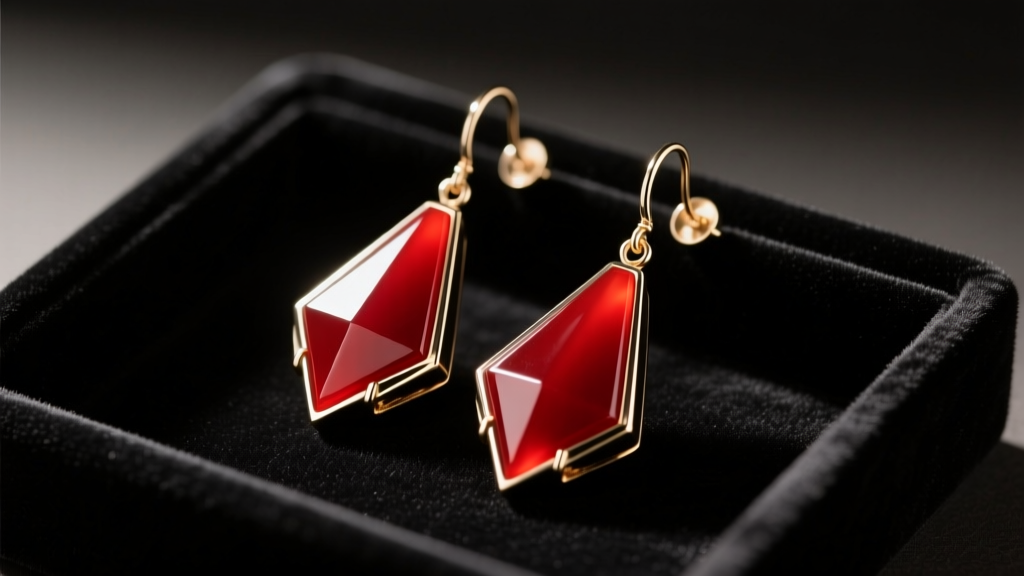
The secondary jewelry market has seen a massive surge in demand for heritage pieces, and vintage red earrings remain at the forefront of this movement. Whether you are hunting for Art Deco Bakelite drops, mid-century carved Mediterranean coral studs, or 1970s bohemian garnet dangles, crimson-toned ear adornments offer a striking pop of color that transcends seasonal trends. However, buying and maintaining true vintage earrings requires a fundamentally different approach than purchasing modern, mass-produced jewelry.
As a senior jewelry appraiser and stylist, I frequently see collectors ruin irreplaceable pieces by using modern cleaning techniques on fragile vintage materials, or worse, unknowingly purchasing vintage-inspired reproductions at authentic vintage prices. This comprehensive, step-by-step guide will walk you through the exact protocols for authenticating, safely cleaning, and upgrading the hardware of vintage red earrings, ensuring your investment remains both wearable and historically intact.
Step 1: Authenticating Your Vintage Red Earrings
The term 'vintage red earrings' encompasses a vast array of materials, each with distinct physical properties and historical markers. Before you apply any cleaning solution or attempt to wear a newly acquired piece, you must definitively identify the material. The three most common vintage red materials are Bakelite, carved coral, and red glass/garnet.
Identifying Bakelite vs. Modern Plastics
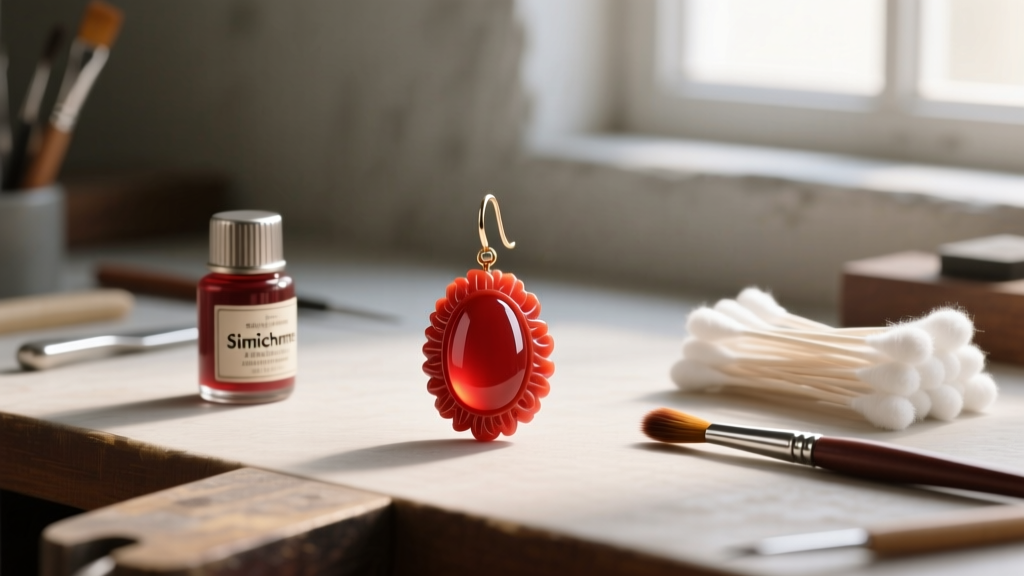
Bakelite, a phenolic resin popularized in the 1920s and 1930s, is highly prized for its deep, opaque cherry and apple-red hues. Unlike modern cellulose acetate or Lucite, Bakelite is a thermosetting plastic. The most reliable, non-destructive authentication method is the Simichrome polish test. Apply a tiny dab of Simichrome metal polish to a cotton swab and rub it gently on an inconspicuous area of the earring. If the swab turns a distinct mustard-yellow, the piece is genuine Bakelite. Never use the 'hot pin test'—heating a needle and pressing it into the plastic will permanently scorch genuine Bakelite and release toxic formaldehyde fumes, severely devaluing the piece.
Verifying Carved Red Coral
Mediterranean red coral (Corallium rubrum) was a staple in Victorian and mid-century Italian jewelry. Due to strict CITES regulations and marine conservation efforts, newly harvested red coral is heavily restricted, making verified vintage pieces highly valuable. To authenticate, use a 10x jeweler's loupe to examine the surface. Genuine carved coral will display subtle, natural growth rings and minute pitting. If you see perfectly smooth surfaces, mold seams, or tiny spherical air bubbles, you are looking at dyed resin or glass. For a deeper dive into organic gemstone identification, the Gemological Institute of America (GIA) provides excellent reference materials on coral structures.
Material Comparison Chart
| Material | Primary Era | Weight/Feel | Authentication Test | Avg. Vintage Price Range |
|---|---|---|---|---|
| Bakelite | 1920s - 1940s | Heavy, clunky, warm to touch | Simichrome (Yellow swab) | $150 - $800+ |
| Red Coral | 1880s - 1960s | Lightweight, porous, matte | 10x Loupe (Growth rings) | $300 - $2,500 |
| Red Glass | 1930s - 1980s | Cold, heavy, brittle | Visual (Mold seams, bubbles) | $20 - $90 |
| Almandine Garnet | 1850s - 1970s | Dense, crystalline, cold | Refractometer / Inclusions | $200 - $1,200 |
Step 2: Safe Cleaning Protocols by Material
The most common mistake collectors make is tossing vintage red earrings into an ultrasonic cleaner or using harsh chemical dips. Ultrasonic waves operate at high frequencies that can easily shatter vintage glass, fracture internally included garnets, and completely pulverize the porous structure of carved coral. Furthermore, the heat generated by ultrasonic machines can cause Bakelite to craze or crack.
The Bakelite Cleaning Method
To restore the deep luster of oxidized Bakelite, avoid liquid soaps entirely. Instead, use a high-quality microfiber cloth and a gentle abrasive like Magna Glow or a tiny amount of Simichrome polish. Rub the surface in small, circular motions. The oxidation (which often looks like a muddy brown film over the red) will lift away, revealing the vibrant cherry red underneath. Wipe clean with a dry cloth. Never submerge Bakelite earrings in water, as moisture can seep into the microscopic seams where the metal hardware meets the plastic, causing internal rusting of the base metal armatures.
The Coral and Garnet Protocol
Carved coral is highly sensitive to acids, including the natural oils and sweat from your skin, which can dull its polish over time. Clean coral earrings by wiping them gently with a barely damp, lint-free cloth. If they require deeper cleaning, use a drop of pH-neutral, phosphate-free dish soap on a soft baby toothbrush, brush gently for 10 seconds, and immediately pat dry. For vintage garnet earrings, you can use a mild solution of warm water and ammonia-free glass cleaner, but always ensure the stones are not foil-backed. Foil-backed Victorian garnets will instantly lose their brilliance and turn black if water breaches the bezel setting.
Step 3: Hardware Inspection and Gauge Upgrades
Authenticating and cleaning the decorative elements is only half the battle; the hardware of vintage earrings often presents significant challenges for modern wearers. Understanding gauge sizes and backing types is critical for both the security of the earring and the health of your earlobes.
Navigating Vintage Gauge Thickness
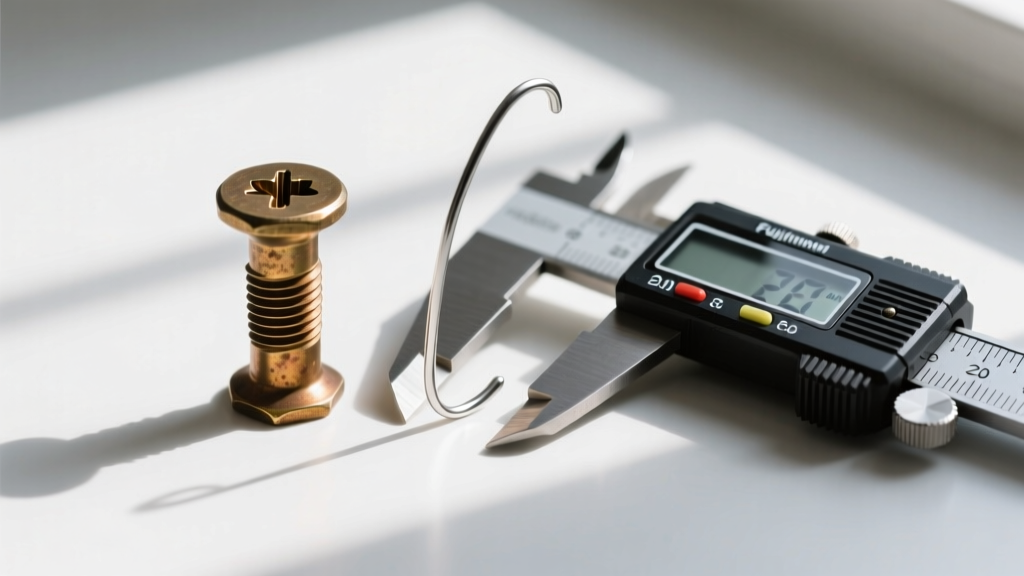
Modern standard ear piercings are typically done at 20-gauge (0.81mm) or 18-gauge (1.02mm). However, vintage earrings from the 1920s through the 1950s—especially screw-backs designed for non-pierced ears or early, rudimentary piercings—often feature incredibly thick posts ranging from 16-gauge (1.29mm) to 14-gauge (1.63mm). Forcing a 14-gauge vintage post into a modern 20-gauge piercing can cause micro-tears, blowouts, and severe lobe irritation. If you acquire heavy vintage red Bakelite drops with thick posts, take them to a bench jeweler. A professional can use a laser welder to safely remove the thick vintage post and solder on a modern, hypoallergenic 18-gauge titanium or 14k gold post without applying the damaging heat of a traditional soldering torch.
Converting Heavy Clip-Ons to Pierced Wear
Many of the most spectacular mid-century red coral and rhinestone earrings were originally manufactured as clip-ons or screw-backs for non-pierced ears. Wearing heavy vintage clip-ons for more than an hour can cause intense cartilage and lobe pain. To convert them, a jeweler will carefully snip off the tension clip mechanism, file the backplate flush, and laser-weld a modern 18-gauge leverback or omega-back fitting. For highly valuable Art Deco pieces where altering the original finding might diminish historical value, consider using high-quality earring converters or wearing them with silicone 'monster' backings that distribute the weight across a wider surface area of the lobe.
Step 4: Styling Frameworks for Modern Wardrobes
Once your vintage red earrings are authenticated, cleaned, and structurally sound, the final step is integrating them into a contemporary wardrobe. The key to styling heritage pieces is balancing their historical weight with modern silhouettes. According to the historical styling archives at Antique Jewelry University, understanding the original intended context of a piece helps inform how to subvert it for modern wear.
Face Shape and Proportion Pairing
- Round Faces: Opt for elongated, geometric Art Deco red Bakelite drops. The sharp, linear angles and deep red color draw the eye vertically, creating a lengthening illusion. Avoid large, round red coral studs, which will only emphasize facial width.
- Square Faces: Choose mid-century red glass or garnet chandelier earrings with curved, teardrop motifs. The organic movement of the dangles softens a strong jawline, while the rich crimson adds a focal point away from the temples.
- Heart-Shaped Faces: Look for vintage red ear cuffs or cluster studs that sit snugly on the lobe. Adding volume at the earlobe helps balance a narrower chin, while the vibrant red acts as a striking frame for the cheekbones.
Color Theory and Wardrobe Integration
Red is a dominant color, and vintage red earrings carry a specific, slightly muted, 'oxblood' or 'brick' tone compared to the hyper-saturated reds of modern dyed plastics. These deeper, complex reds pair exceptionally well with unexpected color palettes. Instead of the traditional black or white, try styling your vintage red Bakelite drops against mustard yellow, forest green, or camel-toned cashmere. The contrast highlights the warmth and depth of the vintage material. For evening wear, a carved red coral stud offers a sophisticated, understated alternative to diamonds when paired with a sleek, monochromatic navy or charcoal silk slip dress.
'The true mark of a seasoned collector is not just finding a rare piece of vintage red Bakelite or coral, but possessing the technical knowledge to preserve its physical integrity while adapting its hardware for the realities of modern wear.' — Master Bench Jeweler Protocol, 2024
By following these meticulous authentication, cleaning, and hardware conversion steps, you ensure that your vintage red earrings remain not just a fleeting fashion statement, but a preserved piece of wearable history that can be safely enjoyed for decades to come.


