How to Authenticate and Style Lapis Lazuli Drop Earrings
Learn how to authenticate, style, and care for lapis lazuli drop earrings. Discover metal pairings, face shape tips, and safe cleaning steps.

Decoding Lapis Lazuli: Grading, Authenticity, and Market Realities
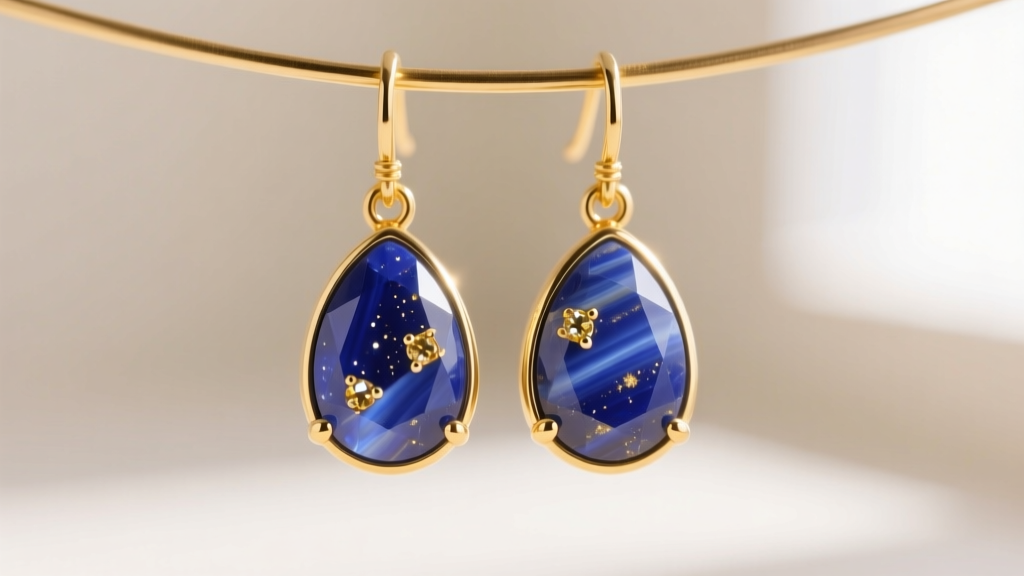
Lapis lazuli drop earrings remain a cornerstone of artisan and fine jewelry, prized for their opaque, celestial blue hue. However, as of 2026, the gemstone market is increasingly saturated with sophisticated simulants. Before styling or purchasing, you must understand the mineralogy and grading standards that dictate value and longevity.
The Mineral Trinity: Lazurite, Calcite, and Pyrite
True lapis lazuli is not a single mineral but a metamorphic rock. According to the Mindat mineralogy database, its signature color comes from lazurite, while white streaks are calcite and golden flecks are pyrite. When evaluating drop earrings, look for a balanced distribution of these elements. AAA-grade lapis features a deep, uniform royal blue with minimal calcite and evenly dispersed, brassy pyrite. Commercial grades often exhibit heavy white mottling, which lowers the price point from the $150–$400 range down to $20–$50 for sterling silver settings.
Step 1: Authenticate Your Stones
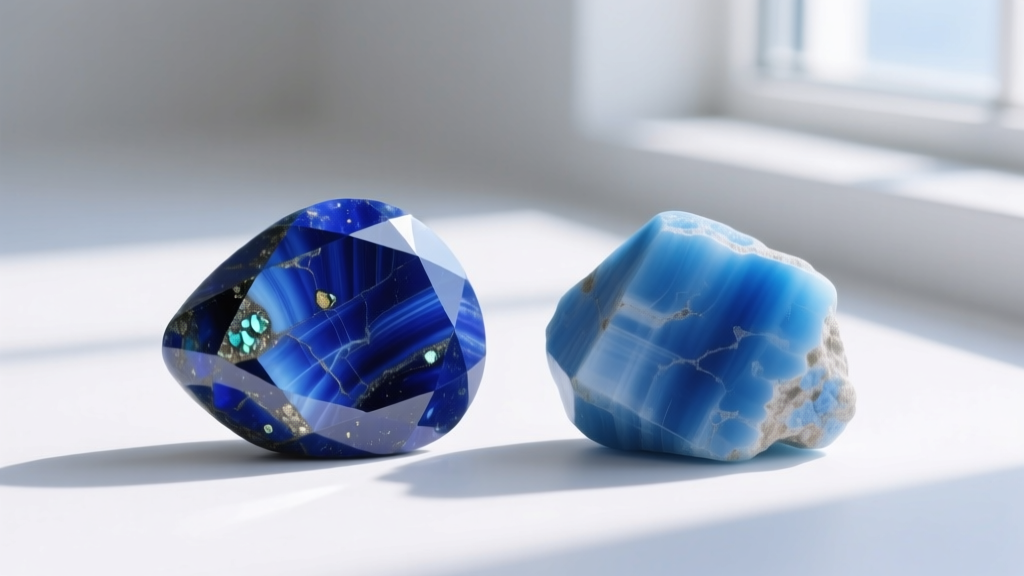
Fake lapis lazuli is typically dyed howlite, sodalite, or Gilson synthetic. Here is how to verify your drop earrings at home:
- The Acetone Test: Dip a cotton swab in nail polish remover (acetone) and rub an inconspicuous area, like the back of the drop or the drill hole. If the swab turns blue, the stone is dyed. Genuine lapis will not release color.
- Magnification Inspection: Use a 10x jeweler's loupe. Genuine pyrite inclusions have sharp, irregular, geometric edges. Synthetic versions often feature perfectly round, uniform gold flecks or lack them entirely.
- The Pin Test (Use with Caution): Lapis has a Mohs hardness of 5 to 5.5. A steel pin (hardness ~6.5) will gently scratch genuine lapis, leaving a white streak. Glass or plastic fakes will either resist the scratch or show a conchoidal fracture.
Expert Insight: Never use a scratch test on the front face of a cabochon or faceted drop. Always test the top drill hole or the flat back of the stone to preserve the jewelry's aesthetic integrity.
Selecting the Ideal Metal and Setting Architecture
The porosity and chemical sensitivity of lapis lazuli dictate which metals and settings are viable. Because lapis is a rock composed of multiple minerals, it is highly vulnerable to the acids and chemicals used in certain jewelry manufacturing processes.
Why Rhodium Plating is a Dealbreaker
Many jewelers dip white gold and sterling silver in rhodium to enhance brightness. This process requires the stone to be exposed to sulfuric acid baths and electrical currents, which will permanently etch the calcite inclusions in lapis lazuli, leaving dull, pitted white spots. If you want white metal drop earrings, insist on unplated white gold or platinum, or ensure the jeweler uses a specialized masking technique to protect the stone during plating.
Metal Pairing and Pricing Guide (2026 Market Data)
| Metal Setting | Aesthetic Synergy | Durability & Care | Estimated Price Range (AAA Grade) |
|---|---|---|---|
| 14k Yellow Gold | High. Warm tones amplify the golden pyrite flecks. | Excellent. Resists tarnish; safe for ultrasonic removal (stone excluded). | $250 - $600 |
| Sterling Silver (Unplated) | Medium. Cool tones contrast sharply with royal blue. | Poor. Tarnish removers contain chemicals that destroy lapis. Requires dry polishing. | $80 - $180 |
| Platinum | High. Sleek, modern contrast; highly secure. | Superior. Hypoallergenic and requires no chemical plating baths. | $800 - $1,500+ |
| Brass / Bronze | Earthy, bohemian. Complements the rustic nature of the stone. | Fair. Can cause skin discoloration; requires frequent gentle polishing. | $30 - $90 |
Wire Gauge and Setting Security
For drop earrings, the connection point is a critical failure mode. Standard ear wires are typically 20-gauge (0.81mm) or 22-gauge (0.64mm). Because lapis drops can be heavy (especially in teardrop cuts exceeding 30mm), a 22-gauge wire may bend under the weight, causing the earring to droop forward. Opt for 20-gauge or 18-gauge (1.02mm) French wires, or choose a bezel setting. Prong settings leave the 5.5 Mohs edges exposed to chipping against desks and doorframes.
Face Shape Proportions: A Step-by-Step Styling Framework
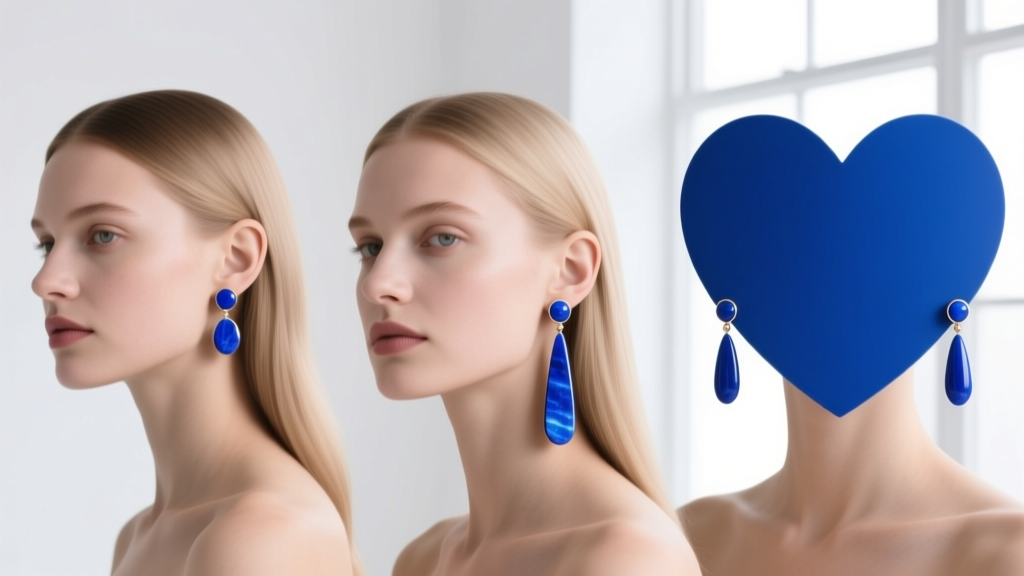
Drop earrings elongate the face and draw the eye downward. The exact millimeter length of the lapis drop should be chosen based on your facial geometry to create optical balance.
Round and Square Faces
Goal: Elongate and soften angular jawlines.
Action: Choose long, narrow lapis drops ranging from 40mm to 65mm in length. Avoid wide, chunky teardrops or circular briolettes, which will emphasize the width of your face. A sleek, marquise-cut lapis lazuli drop set in a minimal gold bezel is ideal.
Oval and Heart-Shaped Faces
Goal: Maintain natural balance without over-elongating.
Action: Opt for medium-length drops (20mm to 35mm). Wider shapes, such as pear or cushion-cut lapis drops, work beautifully here. For heart-shaped faces, ensure the widest part of the drop sits at or just below the jawline to add visual weight to a narrower chin.
Long and Rectangular Faces
Goal: Add width and prevent the face from looking drawn out.
Action: Avoid long drops entirely. Instead, look for short, wide lapis drops or chandelier styles that expand horizontally. Drops measuring 15mm to 25mm in length with a wide, horizontal geometric profile are optimal.
The 4-Step Safe Cleaning Protocol
The Gemological Institute of America (GIA) explicitly warns against using ultrasonic or steam cleaners on lapis lazuli. The high-frequency vibrations can fracture the stone along natural calcite veins, and the heat can cause the wax or oil treatments (commonly applied to enhance color) to melt out, leaving the stone dull and pale.
Follow this strict, non-invasive cleaning routine:
- Dry Dusting: Use a clean, ultra-soft makeup brush (like a kabuki brush) to gently sweep away daily dust, skin oils, and makeup residue from the bezel and the surface of the stone.
- Damp Wipe (Only if necessary): Dampen a microfiber cloth with distilled water. Wring it out until it is barely moist. Gently wipe the lapis drop. Never submerge the earrings in water.
- Immediate Drying: Use a separate, dry microfiber cloth to immediately buff the stone and the metal setting. Leaving moisture on the stone can seep into the drill hole and degrade the epoxy or wire wrapping over time.
- Metal Polishing: If the silver or gold setting is tarnished, use a dry polishing cloth specifically treated for jewelry. Keep the cloth away from the lapis stone, as the polishing compounds can stain the porous rock.
Troubleshooting Common Lapis Lazuli Issues
Issue: The Stone is Fading or Looking Chalky
Cause: Prolonged exposure to direct sunlight, high heat (like a hot car dashboard), or harsh chemicals (perfumes, hairsprays). Lapis is often treated with colorless wax or oil to improve its luster. Heat and alcohol strip this treatment.
Solution: You can temporarily restore the luster by gently rubbing the stone with a tiny drop of mineral oil on a cotton swab, then buffing off the excess. For a permanent fix, send the earrings to a lapidary for a professional re-polish and wax treatment.
Issue: Chipping Around the Drill Hole
Cause: Friction from the metal ear wire rubbing against the top of the stone, especially if the drop is heavy and swings frequently.
Solution: Have a jeweler insert a tiny rubber or silicone O-ring (often called a doughnut or spacer) between the metal wire and the lapis bead. Alternatively, upgrade to a wire-wrapped headpin design where the metal loops above the stone, preventing direct metal-to-stone friction.
By understanding the unique mineralogical quirks of lapis lazuli and applying these targeted styling and care frameworks, you can ensure your drop earrings remain a vibrant, structural centerpiece in your jewelry collection for decades.


