What Is Sleeper Earrings? Deep Cleaning & Care Guide
Discover what sleeper earrings are and master aftercare. Learn expert cleaning protocols, material grades, and hinge maintenance for 24/7 wear.

The Foundation of 24/7 Piercing Health
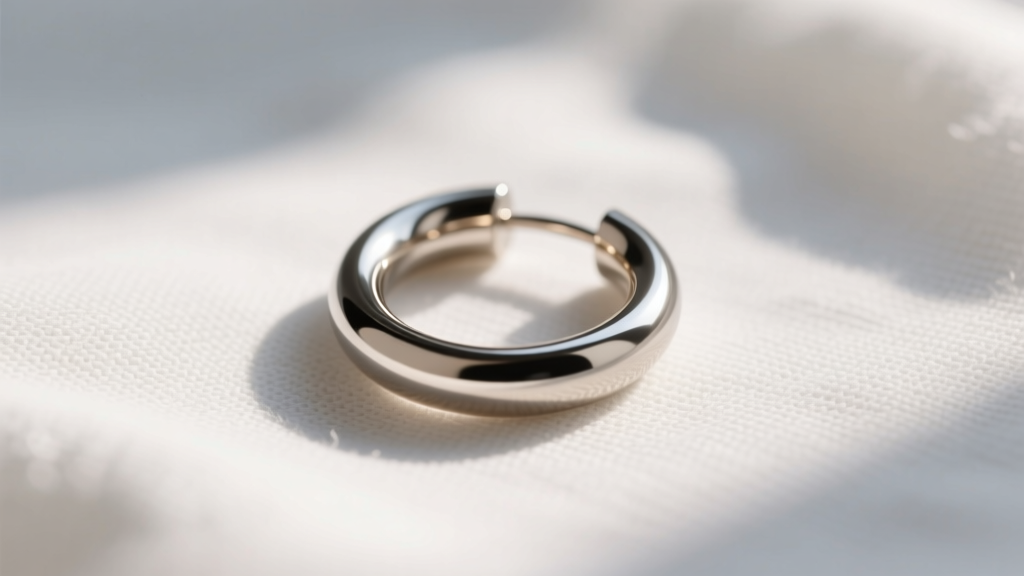
Whether you are navigating a fresh lobe piercing, managing a stubborn cartilage fistula, or simply looking for comfortable jewelry to wear to bed, understanding the mechanics of continuous-wear jewelry is critical. When navigating aftercare forums, a frequent question from newly pierced individuals is, 'what is sleeper earrings?' and why are they recommended for healing? Simply put, sleeper earrings are specifically engineered pieces of jewelry designed to be worn continuously—24 hours a day, 7 days a week—without causing pressure necrosis, snagging, or allergic reactions during sleep.
Unlike standard fashion earrings with butterfly backs or heavy dangles, sleepers prioritize anatomical compliance. However, wearing any metal through a fistula for prolonged periods creates a unique microenvironment. Sweat, dead skin cells, sebum, and environmental dust accumulate around the post or hoop, requiring a meticulous, scientifically sound cleaning regimen. In this comprehensive guide, we break down the metallurgy, mechanics, and modern maintenance protocols required to keep your sleepers pristine and your piercings healthy.
Deconstructing the Sleeper: Hoops vs. Flat-Backs
To properly clean your jewelry, you must first understand its architecture. The term 'sleeper' traditionally referred to small, continuous wire hoops that lacked a clasp, relying entirely on the tension of the metal and the precise gauge thickness to stay inside the piercing. Today, the category has expanded significantly.
- Continuous Hoops: A seamless circle of wire where one end is slightly tapered and slips into a hollowed-out receiving tube on the opposite end. They have no hinges, meaning fewer traps for bacteria, but they require careful handling to avoid warping the metal.
- Hinged Segment Rings (Clickers):strong> Featuring a micro-hinge and a snap closure. While incredibly convenient, the microscopic gap around the hinge is a prime location for sebum buildup and requires targeted cleaning.
- Flat-Back Labrets: Often used as sleepers for cartilage (like the helix or tragus), these feature a flat disc that sits flush against the back of the ear, eliminating the 'pinch' associated with traditional earring nuts.
Material Science: Which Metals Survive the Sleep Cycle?
The human body is a warm, slightly acidic, and humid environment. When you sleep, your body temperature rises and you perspire, accelerating the degradation of inferior metals. According to the Association of Professional Piercers (APP), only specific implant-grade materials should be used for continuous wear.
| Material | Grade / Standard | Sleep Comfort | Cleaning & Corrosion Resistance |
|---|---|---|---|
| Titanium | ASTM F136 (Implant Grade) | Exceptional (Ultra-lightweight) | Maximum (Impervious to saline and sweat) |
| Gold | 14k or 18k Solid (Nickel-Free) | High (Slightly heavier) | High (Resists tarnish, but soft; scratches easily) |
| Niobium | Commercially Pure | High (Hypoallergenic) | Moderate (Can oxidize if exposed to harsh chemicals) |
| Surgical Steel | 316L or 316LVM | Poor (Contains Nickel) | Low (Nickel leaching causes contact dermatitis over time) |
Expert Note: Never use plated metals (like gold-plated brass or sterling silver) as sleepers. The friction of your pillowcase will wear away the microscopic plating within weeks, exposing the reactive base metals directly to your healing fistula.
The In-Situ Cleaning Protocol: Maintenance Without Removal
One of the primary rules of piercing aftercare is to avoid removing the jewelry prematurely, which can cause the fistula to shrink or close entirely. Therefore, mastering 'in-situ' (in-place) cleaning is essential. The Mayo Clinic's guide on piercing care emphasizes gentle, non-irritating methods that do not disrupt the delicate cellular matrix of the healing ear.
Step 1: The Sterile Saline Soften
Do not use rubbing alcohol, hydrogen peroxide, or witch hazel. These astringents destroy healthy fibroblasts and dry out the skin, leading to micro-tears. Instead, use a sterile 0.9% sodium chloride wound wash. Spray the saline directly onto the entry and exit points of the sleeper earring. Allow it to sit for 60 to 90 seconds. This hydrates and softens the crusties (dried lymph and sebum) adhering to the metal, preventing you from tearing the skin when you attempt to move the jewelry.
Step 2: Mechanical Debris Removal
Once the debris is softened, you must physically remove it. Avoid cotton swabs (Q-tips), as microscopic cotton fibers can easily snag on the micro-hinges of clickers or the seams of continuous hoops, introducing foreign bodies into the piercing tract. Instead, use a sterile, non-woven gauze pad lightly dampened with saline to gently wipe the post or hoop. For the tight spaces around a hinged segment ring, a brand-new, ultra-soft interdental brush (size 0.4mm) can gently sweep the hinge gap without scratching the metal.
Step 3: The Crucial Drying Phase
Moisture trapped behind a flat-back disc or inside a hoop's receiving tube is a breeding ground for Pseudomonas bacteria, which causes the notorious 'earring cheese' odor. After cleaning, use a hairdryer on the 'cool' and 'low' setting, held at least six inches away from the ear, to completely dry the jewelry and the surrounding tissue.
Deep Cleaning: When and How to Remove Your Sleepers
Once your piercing is fully matured (typically 6-8 weeks for lobes, 9-12 months for cartilage), you can safely remove your sleepers for a deep clean. This is where many people make catastrophic errors that ruin expensive jewelry.
The Ultrasonic Cleaner Warning
Ultrasonic cleaners use high-frequency sound waves to cavitate water, blasting dirt off jewelry. While excellent for solid diamond rings, they are highly destructive to certain sleeper earrings. If your titanium sleeper features an anodized finish (the process that creates vibrant blues, purples, and golds without dyes), ultrasonic cavitation will strip the anodized oxide layer, leaving you with dull, gray metal. Furthermore, if your clicker features micro-set gemstones, the vibrations can loosen the prongs, causing you to lose your stones down the drain.
The Safe Deep-Clean Method
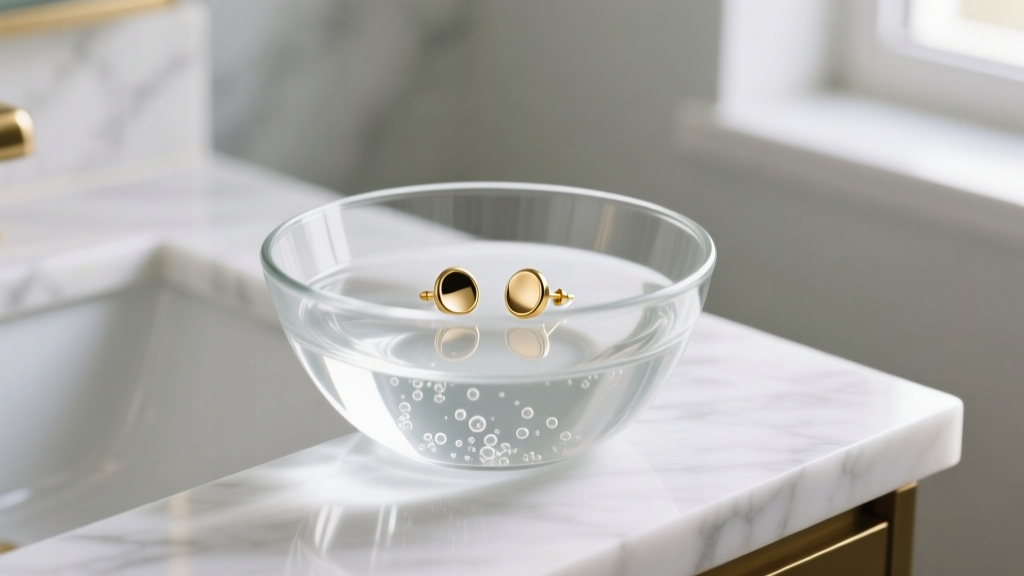
- Fill a small glass bowl with warm water and a few drops of mild, fragrance-free liquid castile soap.
- Submerge the removed sleeper earrings for 10 minutes.
- Use a dedicated, extra-soft baby toothbrush to gently agitate the hinge mechanisms and the inside of the receiving tubes.
- Rinse thoroughly under distilled water (tap water can leave hard mineral deposits on high-polish gold).
- Pat dry with a microfiber cloth before reinsertion.
Troubleshooting Common Sleeper Earring Failures
Even with meticulous care, the mechanical nature of sleeper earrings means they are subject to wear and tear. Recognizing these failure modes early can save your piercing from trauma.
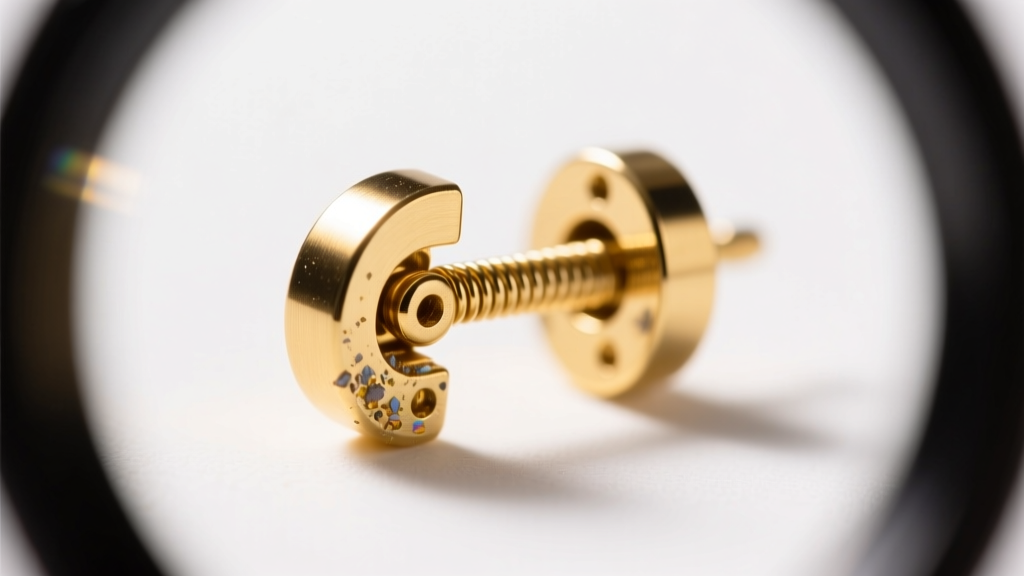
- Hinge Stiffness in Clickers: If your hinged sleeper becomes difficult to open or close, it is likely impacted with hardened sebum or soap residue. Do not force it with pliers, as you will bend the pin. Soak the hinge in warm distilled water for five minutes, then apply a microscopic drop of sterile mineral oil to the joint, working it back and forth until the tension releases.
- Loss of Tension in Continuous Hoops: Over time, the act of opening and closing a continuous hoop by twisting the ends laterally will fatigue the metal, causing the gap to widen. If the tapered end no longer clicks securely into the receiving tube, the hoop is compromised. You can gently twist the ends back into alignment using nylon-jaw jewelry pliers, but if the metal shows signs of stress whitening, discard it immediately to prevent it from snapping inside your ear.
- Thread Stripping on Ball-Closure Sleepers: If your sleeper utilizes a threaded ball, cross-threading is a common failure. Always ensure the ball is perfectly straight before turning. If the threads strip, the ball will inevitably fall out while you sleep, leaving a sharp, exposed post to embed into your neck or scalp.
Final Thoughts on Long-Term Ear Health
Transitioning to high-quality sleeper earrings is one of the best investments you can make for your piercing's longevity. By understanding the specific material grades, respecting the delicate biology of the fistula, and adhering to a strict, non-toxic cleaning regimen, you ensure that your jewelry remains as comfortable on day 1,000 as it was on day one. Remember that your body is constantly interacting with the metal you choose; treat that interaction with the scientific care it deserves, and your sleepers will serve you flawlessly for years to come.


