Why Is My Back Earring Stuck? Analyzing Modern Closure Trends
Discover why your back earring gets stuck and explore the jewelry trends shifting from butterfly clutches to secure screw-backs and flat-backs.

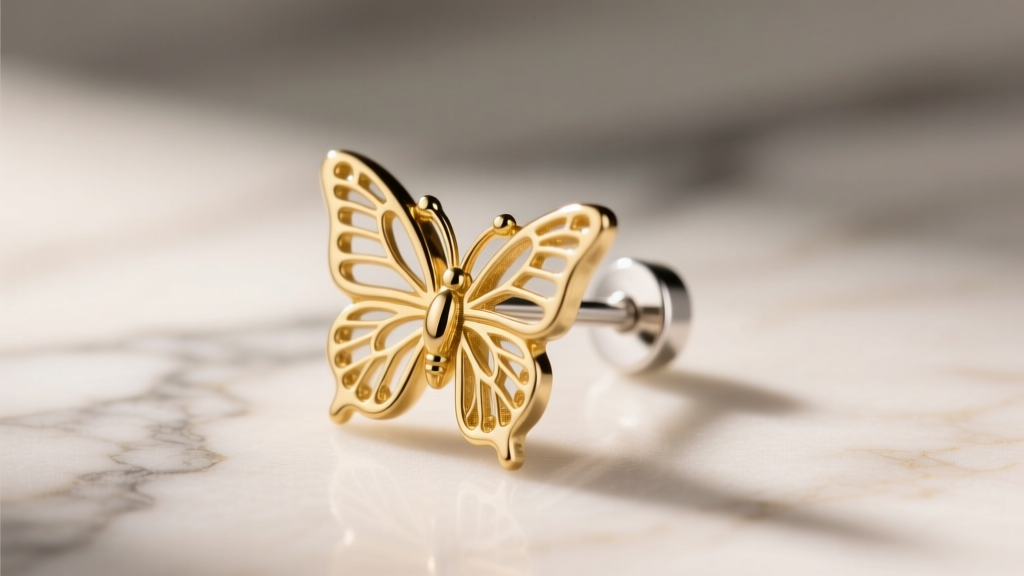
The Anatomy of a Stuck Earring Back: Why Butterfly Clasps Fail
Every jewelry lover has experienced the sudden panic of a seized earring clutch. You twist, you pull, and the metal refuses to budge. While a "back earring stuck" scenario is often treated as a mere annoyance, it actually highlights a fundamental flaw in traditional jewelry engineering. To understand why this happens, we must examine the intersection of metallurgy, biology, and mechanical tension.
The standard butterfly clutch, invented in the mid-20th century, relies on two tiny metal loops that create friction against the grooved notches of an earring post. When you push the back onto an 18-gauge (1.02mm) or 20-gauge (0.81mm) post, the metal loops act as leaf springs, gripping the grooves to prevent the earring from falling out. However, this design creates a micro-environment primed for failure.
The Biological Cement Factor
According to the American Academy of Dermatology, the earlobe naturally secretes sebum, sheds keratinized dead skin cells, and accumulates residue from soaps, shampoos, and lotions. When this organic matter becomes trapped between the tight crevices of a butterfly back and the earring post, it acts as a biological adhesive. Over weeks of continuous wear, this mixture oxidizes and hardens, essentially cementing the friction loops into the post's grooves.
Metallurgical Friction and Tarnish
Material choice plays a massive role in how easily a back seizes. Sterling silver (925) and lower-karat gold alloys are prone to micro-tarnishing and oxidation when exposed to the acidic pH of human skin. The Gemological Institute of America notes that alloyed metals can develop microscopic surface roughness over time. When a slightly oxidized silver butterfly back is forced onto a silver post, the increased surface friction can cause the metals to temporarily cold-weld or bind together, making manual removal nearly impossible without specialized tools.
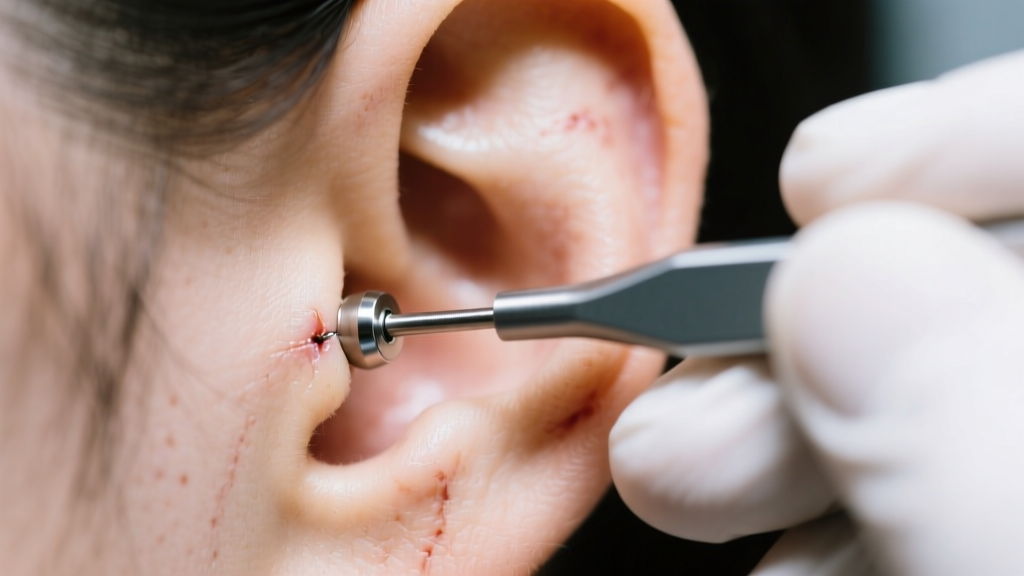
2026 Trend Analysis: The Decline of the Push-Back
The persistent issue of the stuck earring back has catalyzed a massive shift in high-end and everyday jewelry design. As consumers demand both security and comfort, the traditional push-back clutch is being rapidly phased out by luxury brands and independent designers alike. In its place, we are seeing the mainstream adoption of piercing-grade closures for standard lobe earrings.
The Rise of Internally Threaded Screw-Backs
Pioneered by high-end piercing studios and luxury brands like Maria Tash and BVLA, internally threaded jewelry has crossed over into mainstream fashion. Instead of a grooved post with a push-on back, the post itself is hollow and threaded. The backing features a tiny screw that twists securely into the post. This completely eliminates the grooves where biological matter accumulates, virtually guaranteeing you will never experience a stuck butterfly back again.
Flat-Back Labrets as Everyday Studs
Perhaps the most significant style trend of the mid-2020s is the use of flat-back labrets for standard lobe piercings. Originally designed for cartilage and lip piercings, ASTM F-136 implant-grade titanium flat-backs offer a flush, comfortable fit that doesn't poke the neck during sleep. Because they utilize a secure screw-on mechanism (either internal or external threading), they offer unparalleled security for active lifestyles while providing a sleek, modern aesthetic that bulky butterfly backs cannot match.
Style vs. Security: Comparing Modern Closure Systems
As the market evolves, designers are matching specific closure mechanisms to the weight and style of the earring. Below is a breakdown of the dominant closure systems currently shaping the earring market, analyzing their security profiles and ideal style applications.
| Closure Type | Security Level | Stuck Risk | Ideal Style Application |
|---|---|---|---|
| Butterfly Push-Back | Low to Medium | High | Lightweight, inexpensive fashion studs |
| Internally Threaded Screw | Very High | Very Low | Precious metal studs, diamond solitaires |
| Flat-Back Labret | Maximum | None | Sleepers, active wear, minimalist lobes |
| Lever-Back (French Wire) | High | None | Dangles, drop earrings, medium-weight hoops |
| Silicone Friction-Lock | Medium | Low | Sporty studs, children's jewelry |
| Magnetic Clasp | Medium | None | Accessibility-focused jewelry, lightweight hoops |
Immediate Rescue: Safely Removing a Stuck Back
If you are currently dealing with a seized earring back, brute force is your enemy. Yanking on a stuck clutch can lead to lobe tearing, contact dermatitis, or a bent earring post. According to guidelines from the Association of Professional Piercers, maintaining the structural integrity of the jewelry and the health of the fistula (the piercing hole) is paramount. Follow this step-by-step protocol to safely release a stuck back.
Step 1: Lubrication and Softening
Do not use harsh chemicals or alcohol, which can dry the skin and tighten the grip. Instead, apply a generous drop of sterile saline solution, pure jojoba oil, or a specialized piercing aftercare spray directly to the junction where the post meets the clutch. Allow it to soak for 5 to 10 minutes. This helps break down the hardened sebum and soap residue acting as biological glue.
Step 2: The Temperature Trick
Metals expand and contract with temperature changes. If lubrication fails, wrap an ice cube in a clean paper towel and hold it against the metal earring back for 60 seconds. The cold will cause the metal clutch to contract microscopically, often just enough to break the tension seal against the post grooves.
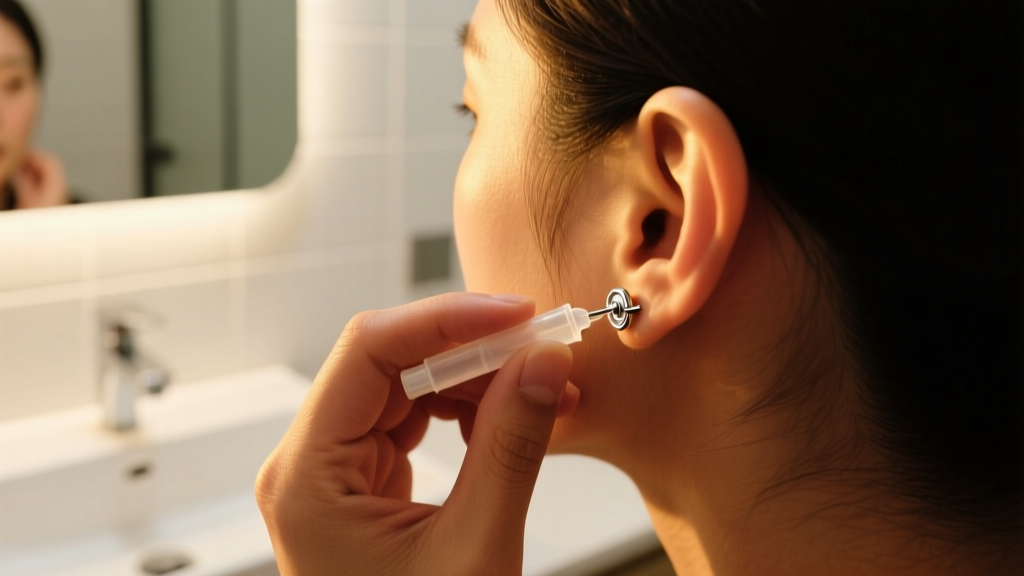
Step 3: Enhanced Grip Mechanics
The primary reason people fail to remove a stuck back is a lack of rotational grip. Human fingers easily slip off smooth metal. Put on a pair of clean, textured nitrile or latex medical gloves. The rubber provides immense friction. Hold the front of the earring stud firmly with one hand to prevent twisting the post inside the delicate lobe tissue. With your gloved hand, grip the stuck back and apply a gentle wiggling outward pull rather than a straight yank. The combination of lateral movement and outward tension will usually pop the friction loops over the final groove.
The Future of Ear Styling: Smart Closures and Hybrids
Looking ahead, the jewelry industry is investing heavily in closure technology that bridges the gap between high security and effortless application. The frustration of the stuck back earring is driving innovation in material science and micro-engineering.
Magnetic Locking Systems
Emerging designs are utilizing rare-earth neodymium micro-magnets encased in hypoallergenic 14k gold or platinum sleeves. These backs slide onto a smooth, un-grooved post and snap into place with a precise magnetic attraction. Because there are no mechanical grooves or spring-loaded loops, there is zero risk of the back seizing, and removal requires a simple, specific lateral sliding motion that organic build-up cannot impede.
Silicone-Metal Hybrids
For those who prefer the familiarity of the push-back style but hate the friction of metal-on-metal, hybrid clutches are trending. These feature a rigid outer shell made of surgical steel or gold, but the internal friction loops are molded from medical-grade silicone. The silicone grips the post securely without requiring deep grooves, and its non-porous nature repels sebum and soap, ensuring the back slides off effortlessly every time.
Final Style Takeaways
The era of accepting the stuck butterfly back as a normal part of wearing jewelry is over. As a consumer, you now have access to superior engineering that protects both your investment and your anatomy. When shopping for new studs, particularly those in the 14k gold or platinum tier, actively seek out internally threaded or flat-back options. Not only do they eliminate the dreaded stuck clutch, but they also offer a vastly superior, flush fit that elevates the overall aesthetic of your ear curation. The future of jewelry is frictionless, secure, and unapologetically modern.


