Baroque Pearl Drop Earrings: Wholesale Boutique Quality Suppliers
Discover how to vet baroque pearl drop earrings wholesale boutique quality suppliers. Learn nacre grading, pricing tiers, and hardware troubleshooting.

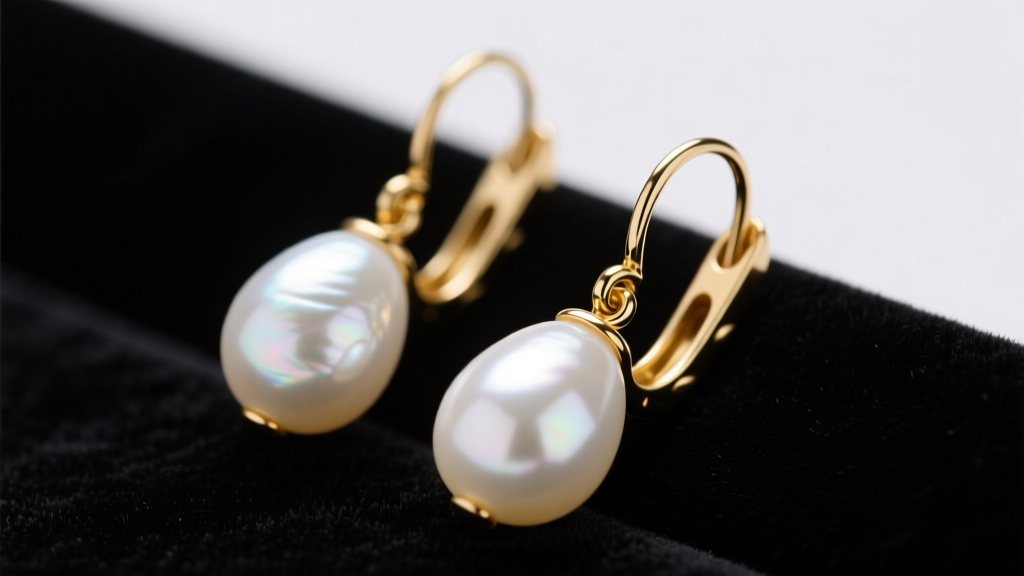
Sourcing inventory for a curated jewelry boutique requires navigating a minefield of mislabeled goods and inconsistent manufacturing. When searching for baroque pearl drop earrings wholesale boutique quality suppliers, buyers often encounter a harsh reality: the gap between commercial-grade bulk lots and genuine boutique-quality pieces is vast. As we navigate the 2026 wholesale market, the demand for organic, asymmetrical pearl silhouettes has surged. However, this popularity has also attracted mass-producers who cut corners on nacre cultivation and metallurgical integrity. For boutique owners and professional stylists, understanding the structural and material failure points of drop earrings is essential to avoid high return rates and protect your brand's reputation.
The Sourcing Dilemma: Commercial vs. Boutique Grade
The term 'baroque' simply refers to any pearl that is not perfectly spherical, ranging from subtle ovals to highly irregular, abstract shapes. While commercial suppliers often dump heavily blemished, low-luster pearls into 'baroque' lots, boutique-quality suppliers curate pieces based on orient (the iridescent play of color) and surface cleanliness. According to the Gemological Institute of America (GIA), luster is the most critical value factor for any pearl. A true boutique-grade baroque pearl will have a sharp, mirror-like reflection on its surface, whereas commercial grades will appear chalky or dull due to improper harvesting timelines.
Nacre Thickness & The 'Peeling' Failure Mode
The most catastrophic failure in wholesale pearl sourcing is nacre delamination, commonly known as 'peeling.' Modern freshwater baroque pearls are frequently bead-nucleated (often marketed as Edison pearls) to achieve larger sizes. If a supplier harvests these pearls before the 18-to-24-month mark to increase turnover, the nacre layer will be thinner than 0.4mm. When subjected to the friction of daily wear or the tension of a drop-earring setting, this thin nacre chips away, revealing the dull mother-of-pearl bead core beneath.
Boutique-quality suppliers exclusively source tissue-nucleated freshwater pearls (which are solid nacre all the way through) or bead-nucleated pearls with a verified nacre thickness of at least 0.8mm. When vetting a new supplier, always request a cross-section X-ray or a physical sample that you can test under a loupe to check for the tell-tale 'blink' of a bead core near the drill hole.
Hardware Failures in Drop Earrings
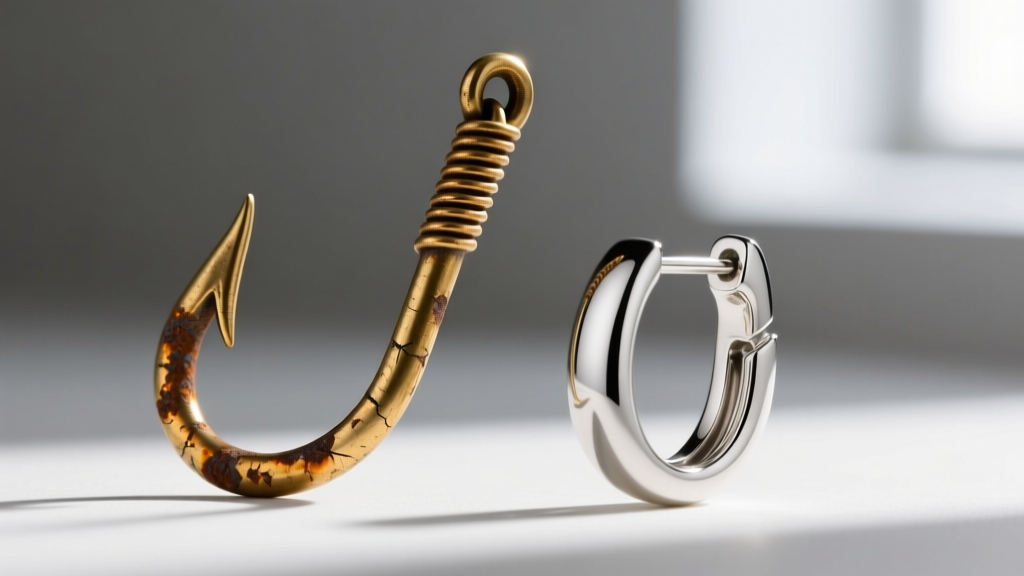
Drop earrings endure significant kinetic stress. The constant swinging motion places repetitive strain on the earring wire, the jump ring, and the pearl's drill hole. Commercial wholesale lots frequently utilize 22-gauge or 20-gauge brass wires plated with a microscopic flash of gold or silver. Within weeks, the plating wears off, the brass oxidizes against the customer's skin, and the thin wire bends out of shape, causing the earring to fall out.
Metallurgical Standards for Boutique Inventory
To ensure longevity, boutique-quality suppliers must adhere to strict metallurgical standards. The hardware connecting the baroque pearl to the ear should meet the following specifications:
- Wire Gauge: Minimum 19-gauge (0.9mm) or 18-gauge (1.0mm) to resist bending from the weight of a 12mm+ baroque pearl.
- Base Metal: Solid 925 sterling silver or surgical-grade titanium. Brass and copper alloys should be strictly avoided due to high allergy rates and rapid tarnishing.
- Plating Thickness: If offering gold vermeil, the supplier must provide certification that the 14k or 18k gold layer is at least 2.5 microns thick, as mandated by FTC guidelines. Anything less is considered 'gold plated' and will wear through quickly.
- E-Coating: Premium suppliers apply an electro-coated (e-coat) clear resin layer over sterling silver components. This 0.5-mil thick polymer barrier prevents sulfur oxidation, keeping inventory pristine while sitting in your boutique's display cases for months.
Wholesale Pricing & Material Matrix
Understanding the correlation between material grades and wholesale pricing is crucial for maintaining healthy retail margins. The table below outlines what you should expect to pay per pair when sourcing genuine boutique-quality baroque pearl drops in 2026.
| Quality Tier | Pearl Nacre & Luster | Hardware Specification | Wholesale Price (Per Pair) | Estimated Retail Markup |
|---|---|---|---|---|
| Commercial Bulk | <0.4mm nacre, chalky luster, visible blemishes | 20g Brass with flash plating | $4.00 - $9.00 | 2x - 3x |
| Premium Bridge | 0.6mm nacre, good luster, minor surface spots | 19g 925 Silver, thin gold plate | $14.00 - $22.00 | 2.5x - 4x |
| Boutique AAA | Solid tissue-nucleated or >0.8mm, mirror luster | 18g 925 Silver, 2.5μ+ Vermeil, E-coated | $35.00 - $65.00 | 3x - 5x |
Troubleshooting Batch Inconsistencies
Because baroque pearls are inherently asymmetrical, matching them for drop earrings is a labor-intensive process. A common complaint from boutique owners is receiving wholesale batches where the left and right pearls differ drastically in volume, color overtone, or drop length. High-end suppliers employ master-matchers who sort thousands of pearls by volume (measured in cubic millimeters, not just diameter) and overtone (e.g., rose-cream vs. silver-white). If your supplier claims to 'hand-match' but delivers earrings with a 3mm size discrepancy between the left and right drops, they are utilizing commercial sorting methods that prioritize speed over symmetry.
Drilling & Setting Flaws
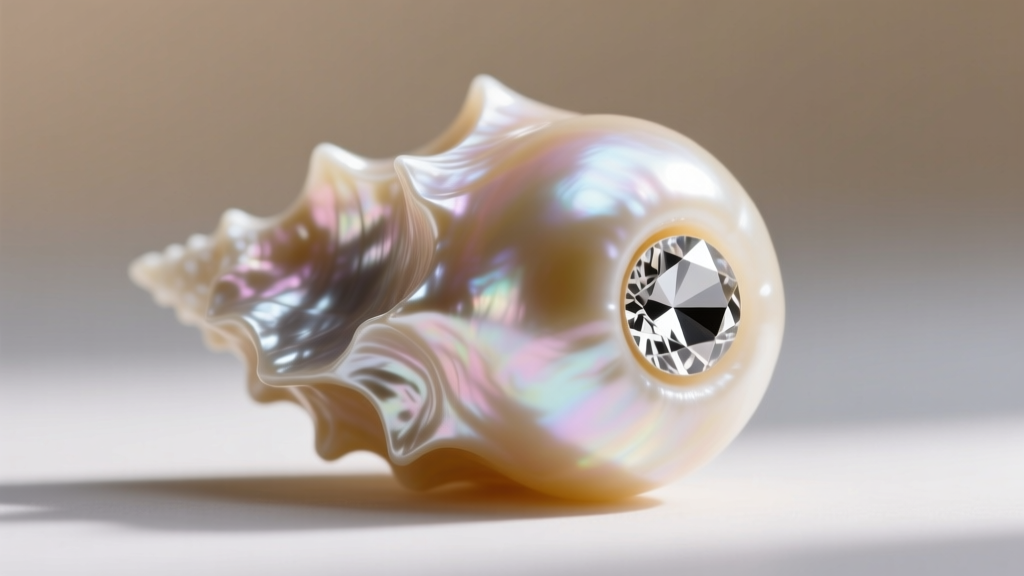
The drill hole is the most vulnerable point of a baroque pearl. In mass-production facilities, workers use high-speed steel bits that generate excessive friction heat. This heat burns the nacre, causing micro-fractures that eventually lead to the pearl cracking when the jewelry maker inserts the headpin or wire. Furthermore, jagged drill holes act like tiny saws, fraying silk threads or scratching precious metal wire over time.
Boutique-quality suppliers mandate the use of diamond-tipped core drills with continuous water-cooling systems. This technique ensures a perfectly smooth, cylindrical channel that protects the structural integrity of the pearl. When inspecting a sample batch, use a 10x jeweler's loupe to examine the drill holes. The edges should be crisp and clean, with no chalky burn marks or jagged nacre chips.
Vetting Wholesale Boutique Quality Suppliers
Finding reliable partners requires moving beyond glossy catalogs and demanding verifiable data. When negotiating with potential suppliers, implement this troubleshooting checklist to filter out commercial middlemen:
- Request the Origin Certificate: Authentic boutique suppliers will transparently disclose the pearl farms they work with, whether in the Zhuji province of China (the hub for high-end freshwater baroques) or specific saltwater regions.
- Demand a Sample Run: Never commit to a 500-unit Minimum Order Quantity (MOQ) without purchasing a 10-pair sample lot. Wear them daily for two weeks, expose them to humidity, and test the leverback tension.
- Verify the Clasp Mechanism: For drop earrings, leverback closures are vastly superior to standard fishhooks. Ensure the leverback hinge has a secure 'snap' and that the solder point connecting the wire to the hinge is smooth and free of excess solder blobs.
Expert Sourcing Tip: True boutique suppliers will not be offended by rigorous technical questioning. If a wholesaler cannot explain their e-coating process or the micron thickness of their vermeil plating, they are likely a trading company reselling commercial-grade factory overruns. Protect your boutique's margins by investing only in verifiable, structurally sound inventory.
By prioritizing nacre integrity, heavy-gauge hypoallergenic hardware, and precision diamond-drilling, you can confidently source baroque pearl drop earrings that delight your customers and stand the test of time. For further reading on pearl grading metrics, consult the GIA's comprehensive guide to freshwater pearl cultivation and quality factors.