How to Buy and Care for 24k Gold Huggie Earrings Safely
Learn the metallurgical truth about 24k gold huggie earrings. Follow our expert step-by-step guide to buying, authenticating, and caring.

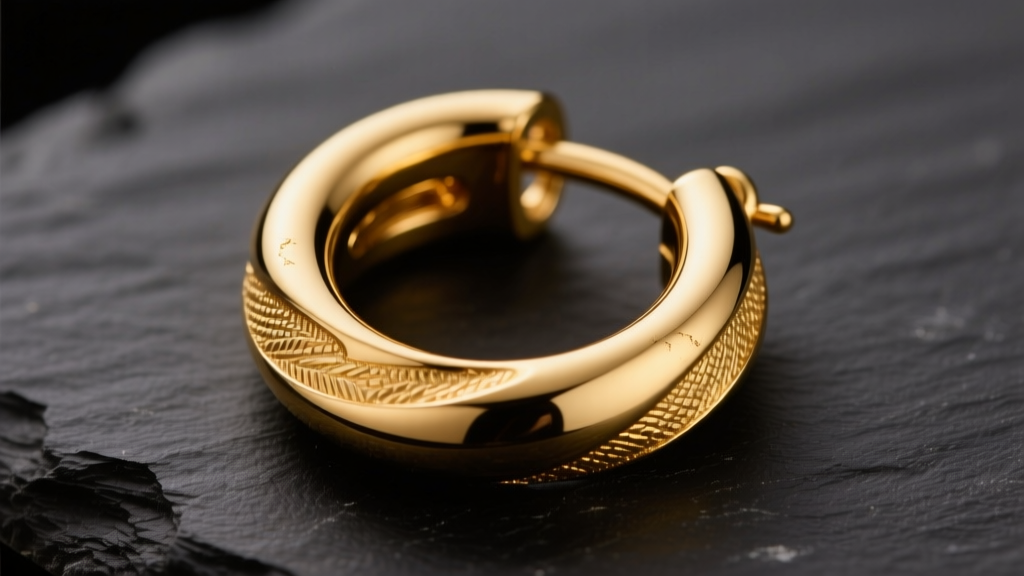
The allure of pure, 24-karat gold is undeniable. Its rich, buttery yellow hue and hypoallergenic properties make it the holy grail for jewelry enthusiasts. However, when it comes to the specific mechanical demands of 24k gold huggie earrings, buyers must navigate a minefield of metallurgical limitations and misleading marketing. Huggies, by definition, require a hinge, a tension-based snap clasp, and enough structural rigidity to maintain their circular shape while hugging the earlobe. Pure gold, unfortunately, is notoriously soft.
This comprehensive, step-by-step guide will walk you through the reality of 24k gold in jewelry, how to decode manufacturer labels, inspect mechanical hinges, and properly care for your investment without causing irreversible metal fatigue.
The Metallurgical Reality of 24k Gold Huggies
Before purchasing, you must understand the Vickers Hardness Scale (HV) as it applies to precious metals. Pure 24k gold (99.9% gold) has a Vickers hardness of roughly 25 to 30 HV. By comparison, 18k gold sits around 135 HV, and 14k gold is approximately 150 HV.
A traditional huggie earring relies on a microscopic barrel hinge and a tension-snap post. If a manufacturer were to craft a functional hinged huggie entirely out of solid 24k gold, the hinge pins would warp after three or four uses, and the snap clasp would lose its tension, causing the earring to fall out and get lost. Therefore, when you see "24k gold huggies" on the market, you are almost exclusively looking at plated or vermeil pieces, or solid 24k pieces that utilize a continuous hoop wire design rather than a true mechanical hinge. Understanding this distinction is the first step to making an informed purchase.
Step 1: Decoding "24k Gold" Labels and Pricing
Marketers often use the term "24k gold" loosely. To avoid overpaying, you must identify the exact construction method. The Federal Trade Commission (FTC) strictly regulates how gold purity and plating can be advertised. Use the comparison table below to identify what you are actually buying.
| Construction Type | Base Metal | Gold Layer | Average Price Range | Durability for Huggies |
|---|---|---|---|---|
| Solid 24k (Cast) | None (100% Gold) | N/A | $800 - $2,500+ | Poor (No hinges, continuous wire only) |
| 24k Gold Vermeil | Sterling Silver (925) | Min. 2.5 microns | $60 - $180 | Excellent (Silver provides structural rigidity) |
| 24k Gold PVD Plated | Surgical Steel / Titanium | Sub-micron PVD coating | $30 - $90 | Superior (Steel/Titanium base is highly rigid) |
| Standard Gold Plated | Brass or Copper | Less than 0.5 microns | $15 - $40 | Fair (Base metal may oxidize or snap) |
Expert Tip: For huggie earrings, 24k gold vermeil over sterling silver is the optimal choice. The sterling silver core provides the necessary "spring" for the clasp mechanism, while the thick 2.5-micron 24k gold layer provides the hypoallergenic surface and rich color.
Step 2: Inspecting the Hinge and Gauge Thickness
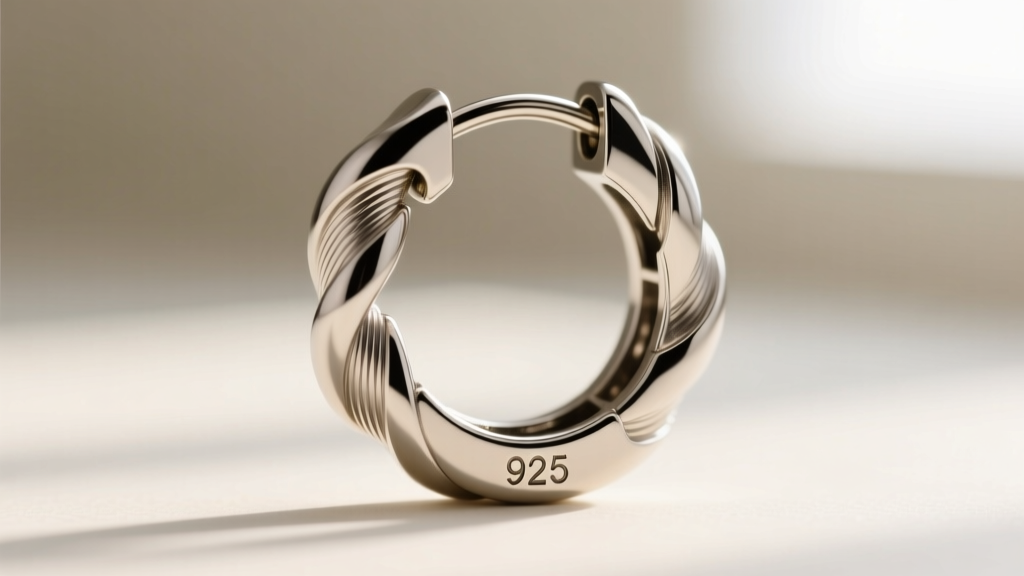
Once you have verified the material composition, the next step is evaluating the physical mechanics of the huggie. Because huggies sit tightly against the earlobe, the structural integrity of the wire gauge is paramount.
Check the Wire Gauge
Huggies typically range from 18-gauge (1.0mm) to 14-gauge (1.6mm). If you are buying 24k gold vermeil or PVD-plated huggies, never choose an 18-gauge or 20-gauge wire. The base metal core in thinner gauges is prone to snapping under the repeated stress of opening and closing the clasp. Always opt for 16-gauge (1.2mm) or 15-gauge (1.45mm) huggies. This thickness ensures the base metal can withstand daily tension without warping, which would otherwise cause the 24k gold exterior layer to micro-fracture and flake off.
Test the Clasp Tension
When inspecting the earrings in person or upon delivery, perform the "snap test." Open the huggie and close it near your ear. You should hear a distinct, sharp click. If the closure feels mushy, or if the post slides into the catch without a definitive snap, the tension is too low. A weak clasp will inevitably catch on hair or clothing and pull open, resulting in a lost earring.
Step 3: Authenticating and Verifying Purity
If you are investing in high-end 24k gold vermeil huggies, authentication is critical. The Gemological Institute of America (GIA) notes that visual inspection alone cannot verify gold purity or plating thickness. Here is how to properly verify your pieces:
- Hallmark Inspection: Use a 10x jeweler's loupe to inspect the inside of the huggie hoop or the flat back of the clasp. Genuine vermeil should bear a "925" stamp indicating the sterling silver core. Some high-end brands will also stamp "24k" or "999" next to it to denote the plating purity.
- XRF Scanning: If you are purchasing vintage or artisan solid 24k continuous huggies (hoops without hinges), take them to a local jeweler equipped with an X-Ray Fluorescence (XRF) scanner. This non-destructive test will instantly read the elemental composition, confirming if the piece is truly 99.9% gold or merely heavily plated brass.
- Avoid Acid Tests on Plated Jewelry: Traditional nitric acid testing will strip away the 24k gold layer on vermeil or plated huggies, permanently ruining the piece and exposing the base metal. Reserve acid testing only for suspected solid gold items.
Step 4: Daily Care and Preventing Metal Fatigue
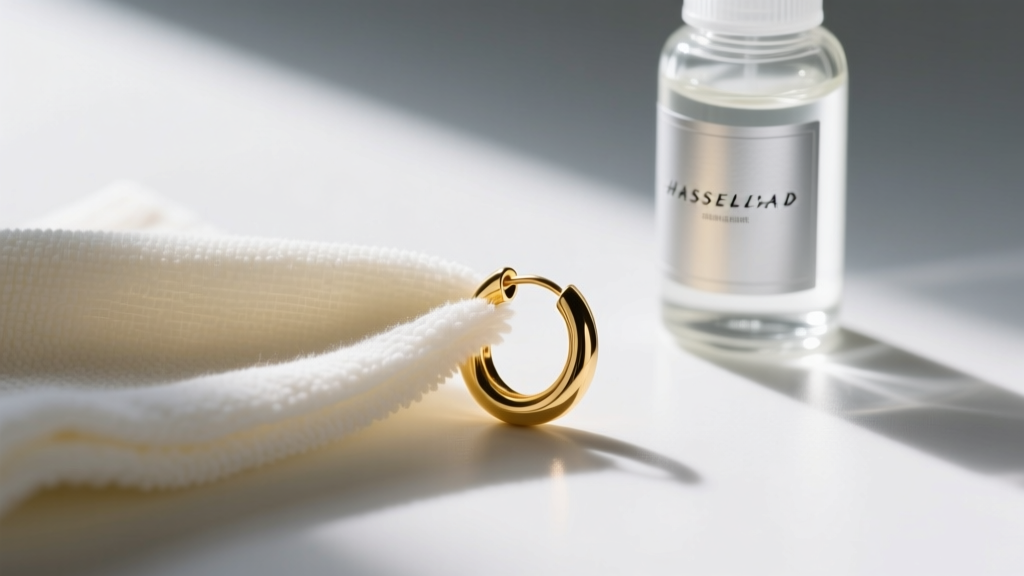
Even with a sterling silver or steel core, the 24k gold exterior requires specific maintenance. Pure gold is highly resistant to tarnish, but the microscopic pores of the electroplated layer can trap sebum, dead skin cells, and cosmetic residues, leading to a dull appearance.
The Weekly Cleaning Protocol
- Dry Wipe: After wearing your huggies, gently wipe them with a clean, dry microfiber cloth. This removes acidic sweat and oils that can slowly degrade the gold-to-base-metal bond over time.
- Deep Cleaning (Monthly): Mix a few drops of pH-neutral dish soap (like Dawn) into lukewarm distilled water. Soak the huggies for exactly three minutes. Use an extra-soft baby toothbrush to gently sweep the hinge area and the inside of the hoop. Never use hard-bristled brushes, as 24k gold is easily scratched.
- Drying: Pat dry with a lint-free cloth. Ensure the hinge mechanism is completely dry before storing to prevent the sterling silver core from oxidizing internally.
What to Avoid
Never place 24k gold vermeil or plated huggies in an ultrasonic jewelry cleaner. The high-frequency vibrations can cause microscopic delamination, where the pure gold layer literally vibrates off the base metal core. Furthermore, avoid wearing your huggies in chlorinated pools or hot tubs; chlorine is highly corrosive and will rapidly destroy both the 24k gold finish and the structural integrity of the sterling silver hinge.
Expert Verdict: Should You Buy 24k Gold Huggies?
If you demand the rich, unalloyed color of pure gold and have sensitive skin that reacts to the copper or nickel found in lower-karat gold, 24k gold huggie earrings are an excellent choice—provided you buy them intelligently. Avoid "solid 24k" huggies with mechanical hinges, as they are a metallurgical impossibility for daily wear. Instead, seek out high-quality 24k gold vermeil with a thick 2.5-micron plating over a 16-gauge sterling silver core. By following this step-by-step guide, you will secure a pair of huggies that offer the luxurious aesthetic of pure gold with the mechanical durability required for a lifetime of wear.


