How to Make a Custom Card Earring Holder for Storage
Learn how to craft and use an archival-quality card earring holder. Step-by-step guide to hole sizing, anti-tarnish materials, and mounting.

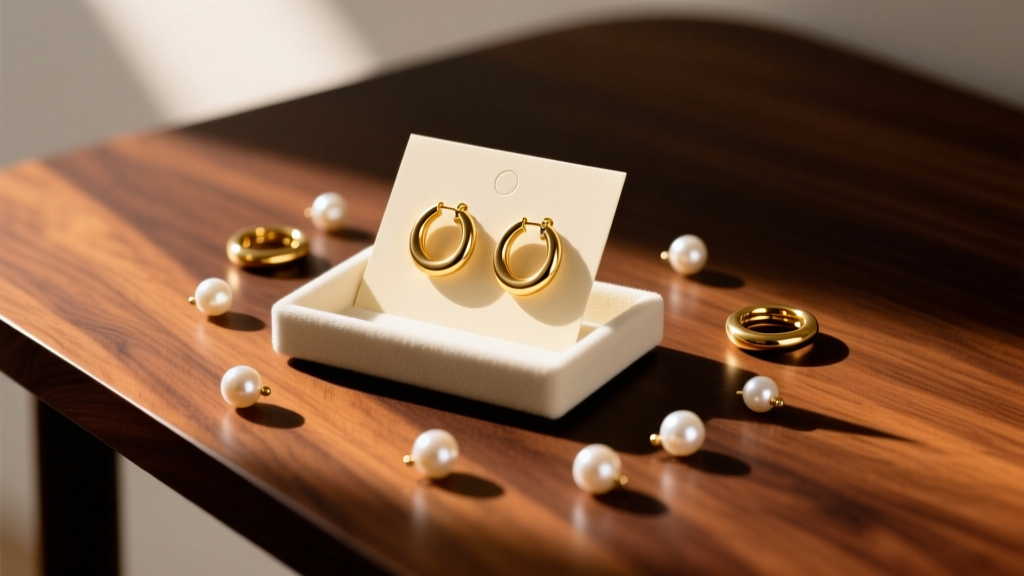
The Science of Jewelry Storage: Why Archival Cardstock Matters
When organizing a growing jewelry collection, the humble card earring holder is often overlooked in favor of velvet-lined boxes or acrylic stands. However, as we evaluate long-term jewelry preservation in 2026, archival-grade cardstock remains the gold standard for preventing both physical damage and chemical degradation. Standard commercial jewelry boxes frequently utilize EVA foam or synthetic velvets bonded with sulfur-rich adhesives. These adhesives off-gas hydrogen sulfide, which reacts with sterling silver to form silver sulfide—the black tarnish that ruins delicate pieces.
By crafting your own custom card earring holder using lignin-free and acid-free materials, you bypass these hidden chemical hazards. According to the American Institute for Conservation, storing silver and mixed-metal artifacts in environments free of sulfur and acidic volatiles is paramount to preventing irreversible pitting and tarnish. A properly engineered paper-based holder provides a stable, breathable, and chemically inert microenvironment for your earrings.
Sourcing Archival-Grade Materials
To build a durable card earring holder that will not warp under the weight of heavy drop earrings or tear when inserting thick-gauge cartilage jewelry, you must select the right materials. Avoid standard craft store cardstock, which typically weighs only 65 lb to 80 lb (176-216 gsm) and contains acidic brightening agents.
- Cardstock: Purchase 120 lb to 140 lb cover weight (325-385 gsm) acid-free, lignin-free cardstock. Neenah Solar White or Crane's Crest are excellent archival choices that provide rigid support.
- Anti-Tarnish Strips: Incorporate 3M Anti-Tarnish strips or Pacific Silvercloth tabs. These utilize copper-based intercept technology to neutralize corrosive gases in the air.
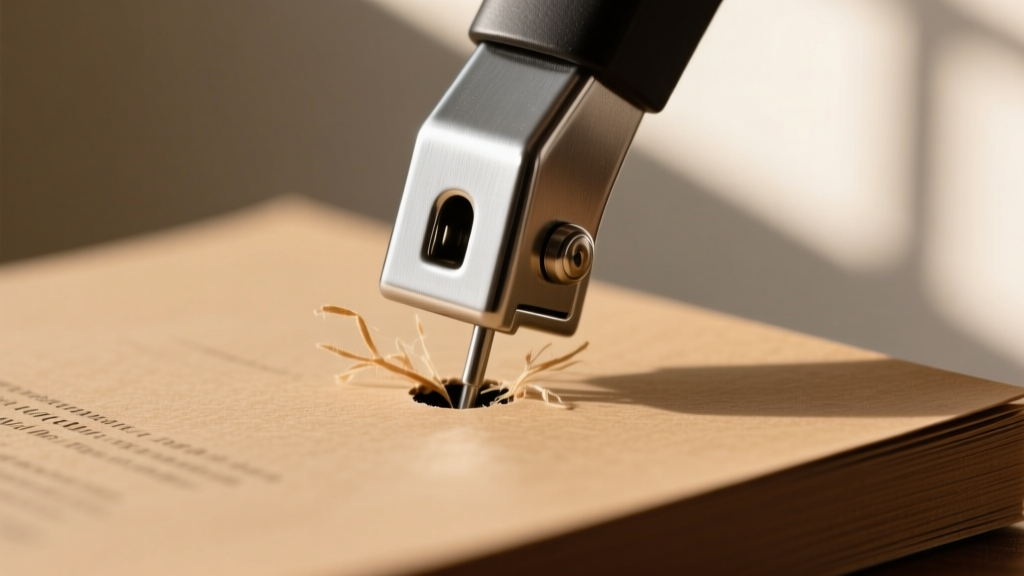
- Tools: A heavy-duty manual hole punch with interchangeable dies (specifically 1/16 inch and 5/64 inch), a steel ruler, a bone folder for crisp creases, and a self-healing cutting mat.
Step-by-Step: Crafting the Perfect Card Earring Holder
Creating a professional-grade card earring holder requires precision. The spacing of your holes dictates whether the earrings will sit flat or tangle with one another.
Step 1: Cutting and Scoring
Cut your archival cardstock into standard 3x5 inch rectangles for drawer storage, or 2x3 inch rectangles for travel pouches. If you are creating a folding card earring holder, use a bone folder and a steel ruler to score a crisp line exactly in the center. This prevents the thick 140 lb paper from cracking and exposing the inner fibers when folded.
Step 2: The Hole-Punching Matrix
The most common failure mode in DIY jewelry cards is using a standard office hole punch, which creates a 1/4 inch hole—far too large to secure an earring back. You must match the hole size to the wire gauge of the earring.
| Earring Type | Standard Wire Gauge | Wire Diameter | Required Hole Punch Size | Minimum Spacing |
|---|---|---|---|---|
| Standard Studs & Hoops | 20G - 18G | 0.81mm - 1.02mm | 1/16 inch (1.58mm) | 1.0 inch |
| Cartilage Flat-Backs | 16G - 14G | 1.29mm - 1.63mm | 5/64 inch (1.98mm) | 0.75 inch |
| Heavy Drop / Dangle | 18G - 16G | 1.02mm - 1.29mm | 1/16 inch (1.58mm) | 1.5 inches |
| Fishhook Wires | 22G - 20G | 0.64mm - 0.81mm | 1/16 inch (1.58mm) | 1.25 inches |
Step 3: Integrating Anti-Tarnish Technology
Before mounting any jewelry, affix a small strip of anti-tarnish material to the bottom inside fold of the card earring holder using a minimal amount of acid-free glue tape. This ensures the protective copper ions can circulate within the immediate vicinity of the metal without the adhesive touching the jewelry directly.
Mounting Techniques by Earring Style
Properly securing the jewelry to the card earring holder is just as critical as the materials used. Different earring mechanisms require distinct mounting strategies to prevent stress on the metal and loss of the piece.
Securing Friction-Back Studs
Push the stud post through the 1/16 inch hole. Instead of using the original metal butterfly back—which can stretch the hole over time and scratch adjacent pieces—use a 3mm flat silicone earring back. Press it firmly against the cardstock. The silicone grips the paper and the post simultaneously, creating a tension lock that will not vibrate loose during travel.
Managing Hoops and Huggies
For hinged hoops and huggies, never force the hoop closed tightly against the cardstock, as this puts undue stress on the delicate hinge mechanism. Thread the post through the hole, close the hoop until it clicks, and use a tiny dab of archival mounting putty on the opposite side of the card to hold the hoop flat against the paper. This prevents the hoop from swinging and tearing the cardstock hole.
Flat-Back Labrets and Cartilage Jewelry
Cartilage jewelry, typically 16G or 14G, features a flat disc on one end and a threaded or push-fit top on the other. Place the flat disc against the front of the card earring holder, push the post through the 5/64 inch hole, and secure the decorative top on the back. This displays the primary gemstone while protecting the threading from getting clogged with dust or paper fibers.
Troubleshooting Common Storage Failures
Even with meticulous planning, environmental factors can compromise your storage. Here is how to troubleshoot common issues identified by gemological conservators.
- Warping from Humidity: If your 140 lb cardstock begins to curl, it is absorbing ambient moisture. Store your completed card earring holder inside a sealed polyethylene zip-lock bag with a small silica gel desiccant packet. The Gemological Institute of America notes that controlling humidity is essential for preventing both metal tarnish and gemstone dehydration (particularly for opals and emeralds).
- Torn Holes from Heavy Drops: If heavy chandelier earrings are tearing through the bottom of the punched holes, reinforce the back of the hole with a small piece of acid-free archival mending tape before punching. This adds tensile strength without introducing harmful PVC plastics found in standard office tape.
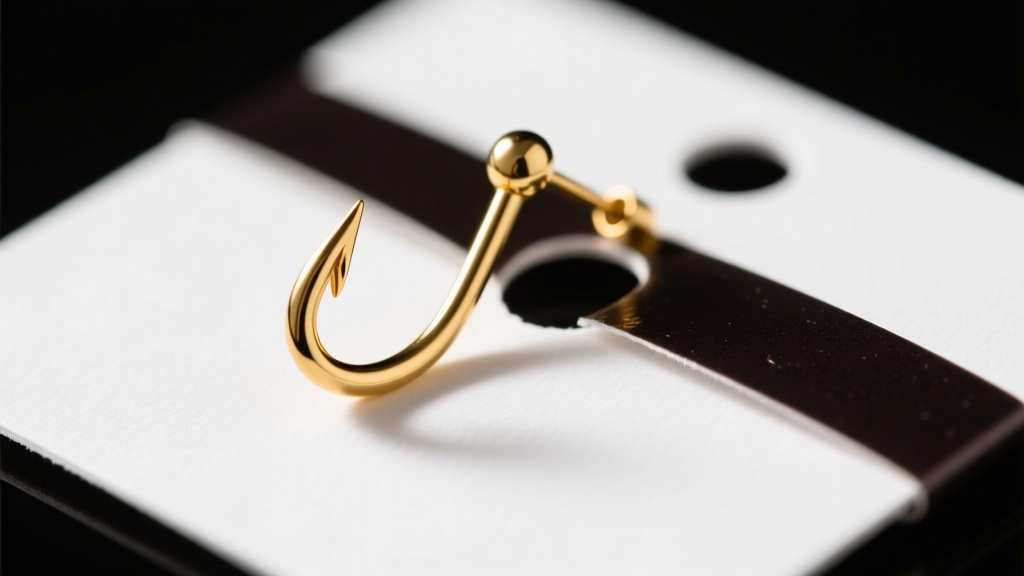
- Slipping Fishhooks: Fishhook ear wires tend to slide upward and out of the card. To prevent this, thread the wire through the hole, then secure a tiny piece of clear silicone tubing over the tip of the wire on the back of the card to act as a physical stopper.
'The longevity of fine jewelry is inextricably linked to its microenvironment during storage. Utilizing acid-free, sulfur-free barriers like archival cardstock is a fundamental practice in horological and gemological conservation.'
Final Thoughts on Jewelry Organization
Transitioning to a custom card earring holder system transforms a chaotic, tangled jewelry box into a curated, archival-grade display. By understanding the precise gauge requirements of your collection and sourcing chemically inert materials, you ensure that every piece, from delicate 22G fishhooks to robust 14G cartilage labrets, remains pristine, untangled, and ready to wear.


