The Barry Bonds Earring: Material Guide for Heavy Diamond Studs
Explore the Barry Bonds earring style through a material lens. Compare platinum, white gold, and titanium settings for heavy carat diamond studs.

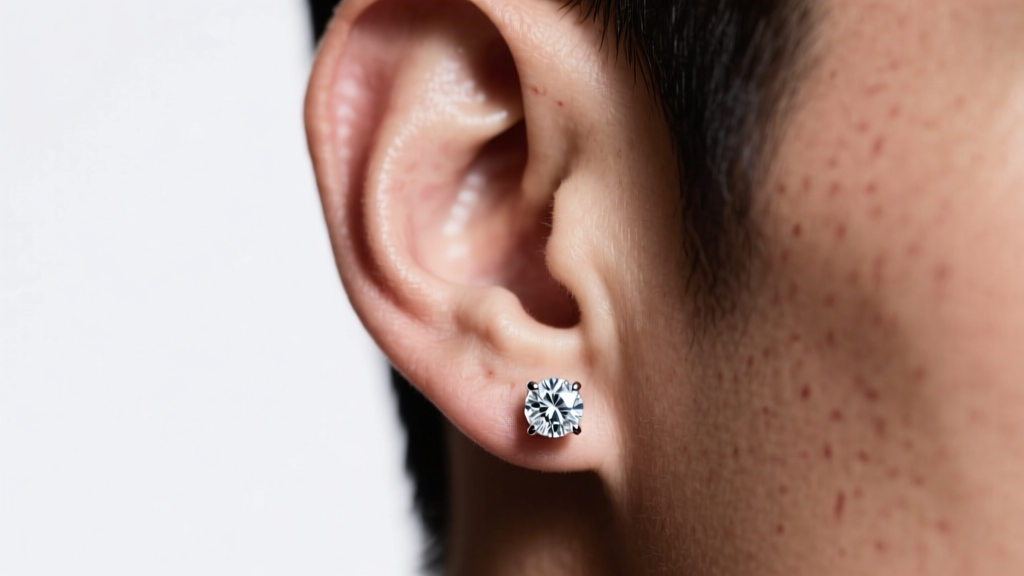
When discussing iconic moments in men's jewelry, few images are as culturally embedded as the Barry Bonds earring. During his legendary baseball career, Bonds famously sported a single, massive diamond stud in his left ear. This wasn't a subtle 0.5-carat accent; it was a high-carat, blindingly brilliant statement piece that redefined men's diamond jewelry. Today, the 'Bonds earring' represents a specific archetype in fine jewelry: the oversized, heavy-carat men's stud.
However, recreating this iconic look requires more than just purchasing a large stone. A 4-carat diamond introduces severe structural and biomechanical challenges. The lever arm effect on the earlobe, the metallurgical fatigue of the prongs, and the optical properties required for that signature 'icy' flash all demand rigorous material science. In this guide, we break down the exact material properties, metal alloys, and engineering specs required to build a Barry Bonds-style earring that performs flawlessly in 2026.
The Physics of the Bonds Earring Archetype
The fundamental challenge of a high-carat stud is weight distribution. A standard 1-carat round brilliant diamond weighs approximately 0.2 grams. The Barry Bonds archetype typically ranges from 3.5 to 5.0 carats, meaning the stone alone weighs between 0.7 and 1.0 grams. When you add the metal setting, the total mass can exceed 2.5 grams.
While 2.5 grams sounds light, the physics of a suspended cantilever (the earring post) extending 12mm to 15mm behind the earlobe creates significant torque. This torque pulls the top of the earring forward and drags the backing downward, causing the diamond to 'droop' and face the floor rather than reflecting light forward. To counteract this, the materials used must possess specific tensile strengths and densities.
Metal Matrix Comparison: Platinum vs. White Gold vs. Titanium
Choosing the right metal is the first critical decision. The setting must be heavy enough to act as a counterbalance, yet durable enough to secure a massive stone during active wear. Below is a comparison of the primary materials used for heavy-carat men's studs.
| Material Alloy | Density (g/cm³) | Tensile Strength | Prong Security | Best For |
|---|---|---|---|---|
| Platinum 950/Ru | 21.45 | High | Exceptional | Active wearers, 4+ carat stones |
| 18k White Gold (Pd) | 15.80 | Medium | Good (requires maintenance) | Budget-conscious, occasional wear |
| Grade 5 Titanium | 4.43 | Very High | Poor (hard to set) | Hypoallergenic needs, smaller stones |
Why Platinum 950/Ru is the Industry Standard
For a true Barry Bonds earring, Platinum 950 alloyed with Ruthenium (Ru) is the undisputed champion. Ruthenium increases the hardness of the platinum, making the prongs highly resistant to bending or snapping if the earring is snagged on clothing. Furthermore, platinum's high density provides a necessary counterweight behind the ear, helping to keep the heavy diamond facing forward. Unlike white gold, which requires rhodium plating that wears off over time, platinum's natural white luster is permanent and develops a desirable patina that hides micro-scratches.
Structural Engineering: Post Gauges and Backing Mechanics
The most common point of failure in heavy diamond studs is not the prongs, but the post and the backing. Standard fashion earrings use 20-gauge (0.81mm) or 18-gauge (1.02mm) wire. Under the torque of a 4-carat stone, an 18-gauge post will permanently bend within weeks.
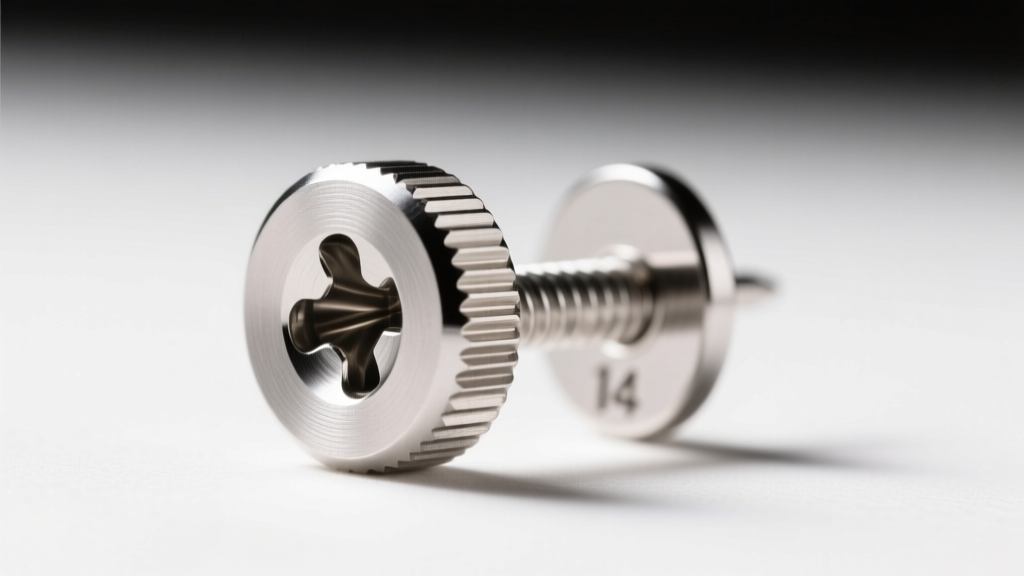
The 14-Gauge Mandate
To maintain structural integrity, a Bonds-style earring must utilize a 14-gauge (1.63mm) or 16-gauge (1.29mm) post. This thicker wire resists the cantilever bending forces. However, a 14-gauge post requires a correspondingly larger piercing, or careful stretching of the existing lobe piercing by a professional.
Backing Mechanics: Friction vs. Threaded
Standard 'butterfly' friction backs rely on a small metal spring mechanism that degrades over time. When dealing with a $100,000+ diamond, friction backs are a liability. The required hardware for this archetype includes:
- Threaded Screw Backs: The post is threaded, and the backing screws on. This is the most secure method, though it requires dexterity to fasten.
- La Pousette (Locking) Backs: A mechanical clutch that clicks into a groove on the post, featuring a secondary locking lever. Excellent for heavy stones, provided the post is machined with a deep enough groove.
- Silicone O-Ring Clutches: Used as a secondary fail-safe behind a metal friction back to increase surface area and grip on the earlobe.
Diamond Material Properties: Achieving the Icy Flash
The Barry Bonds earring was famous for its blinding, icy flash from the batter's box. Achieving this specific optical performance requires strict adherence to diamond material properties, particularly regarding cut proportions and fluorescence.
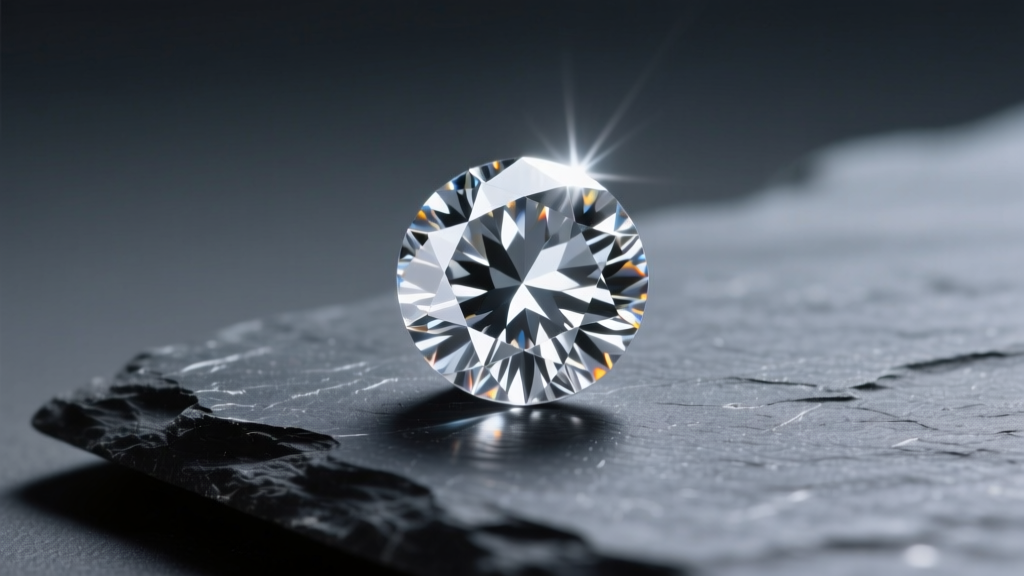
Cut Proportions for Maximum Light Return
For a large men's stud, the GIA cut grading parameters should be strictly followed. To maximize the 'flash' (scintillation) rather than just brilliance, look for a table percentage between 54% and 57%, and a depth percentage between 59% and 62.5%. A shallower cut might spread the carat weight (making the stone look wider), but it will leak light through the pavilion, resulting in a dull, glassy appearance that fails to capture the Bonds aesthetic.
The Fluorescence Factor in Outdoor Lighting
Many high-carat diamonds possess blue fluorescence. While this can make a lower-color diamond appear whiter in a jewelry store's UV-heavy lighting, it can be detrimental for an outdoor athlete. According to research by the GIA, strong blue fluorescence can cause a diamond to appear milky or oily in direct sunlight. For a piece meant to be worn outdoors or under stadium lights, selecting a stone with None or Faint fluorescence is critical to maintaining crystal-clear transparency and sharp light return.
Lobe Biomechanics and Tissue Preservation
The final material consideration is the biological tissue of the earlobe itself. The human earlobe is composed of fibrofatty tissue with no cartilage. Sustained downward pressure from a 2.5-gram earring will cause the piercing hole to elongate, eventually leading to an acquired earlobe cleft (tearing).
'To mitigate tissue fatigue from heavy high-carat studs, we recommend the use of medical-grade silicone earlobe support patches. These distribute the torque across a wider surface area of the posterior lobe, preventing the localized ischemia that leads to tearing.'
If the wearer intends to wear the Bonds-style earring daily, alternating ears or utilizing a supportive backing with a wide, flat surface area (at least 10mm in diameter) is non-negotiable. For those who have already experienced stretching, surgical reinforcement using a dermal graft may be required before the ear can safely support a 14-gauge heavy-carat post again.
Final Verdict: The Ultimate Material Build
Recreating the Barry Bonds earring is an exercise in extreme jewelry engineering. The ideal specification for this iconic piece in 2026 is a 4.00-carat, GIA Excellent cut round brilliant with no fluorescence, set in a 6-prong Platinum 950/Ru basket. The setting must be mounted on a 14-gauge threaded post, secured with a precision-machined screw backing and supported by a wide silicone lobe protector. By respecting the material properties and biomechanical realities of heavy stones, you can achieve the legendary flash without compromising the structural integrity of the jewelry or the health of the earlobe.


