The Barry Hay Golden Earring Look: A Beginner's Style Guide
Discover how to master the iconic Barry Hay golden earring look. Learn about gold karats, gauge sizes, and styling tips for the ultimate single-ear statement.


When discussing iconic jewelry moments in rock history, few images are as enduring as the frontman of a legendary band sporting a single, glinting gold earring. For decades, the Barry Hay golden earring aesthetic has represented a perfect intersection of rebellion, artistry, and effortless cool. As the charismatic lead singer of the Dutch rock band Golden Earring, Hay helped cement the single gold earring as a staple of 1970s and 1980s rock-and-roll swagger. Today, this look has transcended its vintage roots, evolving into a sophisticated, gender-neutral style statement that continues to influence modern fashion.
However, pulling off this iconic look requires more than simply buying any piece of gold jewelry and clipping it on. It demands an understanding of metallurgy, anatomical proportions, and contemporary styling. In this beginner-friendly explainer, we will break down the exact specifications, material grades, and styling frameworks you need to master the Barry Hay golden earring look without looking like you are wearing a Halloween costume.
The Legacy of the Single Gold Earring in Rock History
Before diving into the technical specifications of the jewelry, it is essential to understand the cultural weight of the single earring. Historically, sailors and pirates wore single gold hoops as a symbol of their travels and as a practical means to pay for a proper burial if they washed ashore. By the 1970s, rock musicians adopted this nautical and rebellious symbolism. Barry Hay, with his flamboyant stage presence and hit songs like Radar Love and Twilight Zone, popularized a specific iteration of this look: a substantial, unadorned gold piece worn in one ear, contrasting sharply with long hair and rugged denim.
This asymmetry is the core of the aesthetic. The single earring draws the eye, creating a focal point that breaks the symmetry of the face and adds an element of intrigue. In 2026, the single-ear statement is no longer confined to rock stars; it is a hallmark of avant-garde streetwear, high fashion, and everyday minimalist styling. The key to modernizing the Barry Hay golden earring look lies in the precision of the hardware you choose.
Decoding the Hardware: Gold Karats and Material Grades
The term golden in the Barry Hay golden earring look is not merely a color descriptor; it is a material mandate. However, not all gold is created equal. Pure gold (24 karat) is exceptionally soft and highly prone to scratching, bending, and warping, making it entirely unsuitable for everyday wearable jewelry, especially hoops or drops that can catch on clothing.
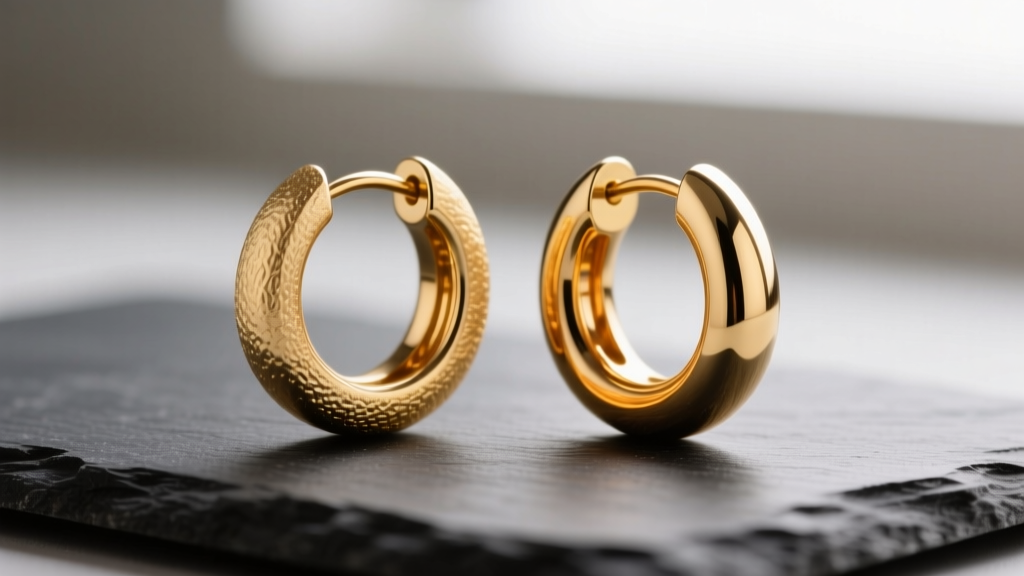
To achieve the perfect balance of durability and that rich, warm yellow hue, you must understand gold alloys. According to the Gemological Institute of America (GIA), gold purity is measured in karats, with 24k being 100% pure. For a statement earring, you should focus on 14k and 18k gold.
| Gold Karat | Purity | Alloy Composition | Durability | Color Profile |
|---|---|---|---|---|
| 10k Gold | 41.7% | 58.3% copper, silver, zinc | Very High | Pale yellow, slightly brassy |
| 14k Gold | 58.5% | 41.5% copper, silver, zinc | High | Warm, classic yellow gold |
| 18k Gold | 75.0% | 25.0% copper, silver | Moderate | Rich, deep, buttery yellow |
| 24k Gold | 99.9% | None (Pure Gold) | Very Low | Intense, bright orange-yellow |
For the authentic Barry Hay aesthetic, 14k yellow gold is the most practical and historically accurate choice. It provides the structural integrity needed for a medium-to-large hoop or drop earring while maintaining the classic rock-era color. If you prefer a more luxurious, deeper yellow tone and are willing to be slightly more careful with your jewelry, 18k yellow gold is an excellent upgrade. Avoid gold-plated or gold-filled options if you want a lifelong piece; the plating will eventually wear off, revealing the base metal beneath and potentially causing contact dermatitis.
Gauge Sizes and Lobe Proportions for Beginners
A common mistake beginners make when attempting the single gold earring look is ignoring the thickness of the earring wire or post, known as the gauge. The gauge significantly impacts both the comfort of the piercing and the visual weight of the jewelry.
Standard earlobe piercings are typically performed at 20-gauge (0.81mm) or 18-gauge (1.02mm). However, a delicate 20-gauge wire often looks too fragile and feminine to capture the rugged, rock-and-roll essence of the Barry Hay style. To achieve the proper visual balance, especially for men or those seeking a bolder, gender-neutral aesthetic, you should look for earrings crafted at 16-gauge (1.29mm) or even 14-gauge (1.63mm).
The Association of Professional Piercers (APP) notes that while standard lobe piercings heal at 18g or 20g, the tissue is highly elastic and can easily accommodate 16g or 14g jewelry with a gentle, gradual stretch. Always consult a professional piercer before forcing thicker jewelry into a standard piercing.
When shopping, verify the gauge specifications. A 14k gold hoop with a 16-gauge wire (approx. 1.3mm thick) will sit in the ear with a substantial, deliberate presence that perfectly mimics the vintage rock aesthetic. Pricing for solid 14k gold hoops in these thicker gauges typically ranges from $120 to $350, depending on the diameter and overall gram weight of the piece.
Choosing Your Silhouette: Hoops vs. Drops
While Barry Hay was frequently photographed wearing medium-sized continuous gold hoops, the golden earring look encompasses a few distinct silhouettes. The right choice depends heavily on your face shape and personal style preferences.
The Continuous Hoop
The continuous hoop (or endless hoop) is the most authentic to the 1970s rock era. For a beginner, a hoop with a diameter between 15mm and 20mm is the sweet spot. Anything smaller (under 12mm) reads as a subtle huggie, while anything larger (over 25mm) can venture into pirate-costume territory if not styled carefully. The continuous wire design eliminates the need for a clasp, providing a seamless circle of gold that catches the light beautifully.
The Shield or Drop Earring
If a hoop feels too circular or clashes with your jawline, a geometric gold drop or shield earring is a fantastic alternative. Drops elongate the face and draw the eye downward. When selecting a drop, ensure the overall length does not exceed 40mm for a beginner; longer drops require a more curated, high-fashion wardrobe to pull off effectively.
Styling the Single Gold Earring Aesthetic Today
Wearing a single gold earring in the modern era requires a nuanced approach to styling. The goal is to evoke the spirit of Golden Earring without looking like you are heading to a tribute band audition. The single earring should act as an anchor for your outfit, providing a flash of metallic warmth against neutral or textured fabrics.
- The Tailored Contrast: Pair a single 14k gold hoop with a sharp, unstructured blazer and a plain white t-shirt. The juxtaposition of formal tailoring with a rebellious accessory creates a compelling, modern silhouette.
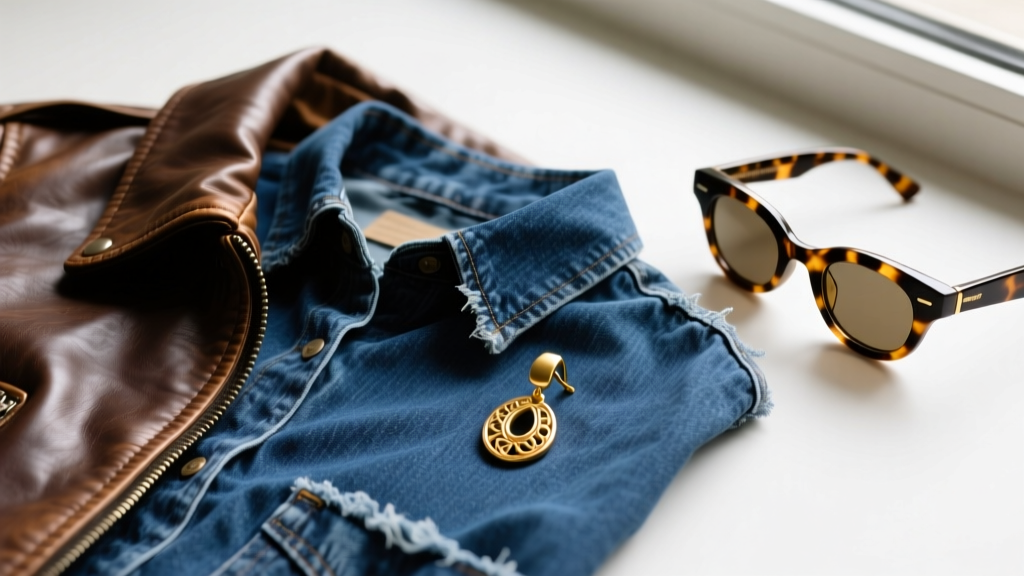
- The Rugged Minimalist: Channel the classic rock vibe by pairing the earring with a well-fitted vintage denim jacket, a heavyweight flannel, and leather boots. The gold will pop beautifully against indigo and earth tones.
- The Asymmetrical Balance: If you have multiple piercings in one ear, reserve the statement gold piece for the primary lobe piercing. Keep any secondary or cartilage piercings minimal (e.g., small titanium studs) to ensure the golden earring remains the undisputed focal point.
Care and Maintenance for Solid Gold Jewelry
Solid 14k and 18k gold are relatively low-maintenance metals, but they still require basic care to maintain their luster, especially if worn daily. Because the single earring is a focal point, a dull or tarnished piece will be immediately noticeable.
To clean your gold earring, avoid harsh chemical dips or ultrasonic cleaners, which can sometimes weaken the alloy structure over time or damage any hidden solder points on hoop clasps. Instead, use a simple solution of warm water and a few drops of mild, phosphate-free dish soap. Soak the earring for 15 minutes, gently agitate the water, and then use a soft-bristled baby toothbrush to lightly scrub away any accumulated sebum or dead skin cells from the wire and clasp mechanism. Rinse thoroughly with distilled water and pat dry with a microfiber cloth.
When not in use, store your single gold earring in a dedicated soft pouch or a lined jewelry box. Storing it loosely in a drawer with other jewelry can lead to micro-scratches, dulling the reflective surface of the gold. By treating your hardware with respect, you ensure that your tribute to the Barry Hay golden earring legacy remains sharp, bright, and undeniably cool for decades to come.


