Beginner's Guide to Basket Earrings: Settings, Styles, and Sizing
Discover everything about basket earrings, from secure diamond basket settings to woven drop styles. Learn gauge sizes, metals, and styling tips.

What Exactly Are Basket Earrings?
When beginners enter the world of fine jewelry, the terminology can quickly become overwhelming. If you have been searching for the perfect pair of everyday studs or statement drops, you have likely encountered the term basket earrings. However, in the jewelry industry, this phrase actually refers to two entirely distinct categories of ear adornment. Understanding the difference is crucial for making an informed purchase that suits your lifestyle, ear anatomy, and aesthetic preferences.
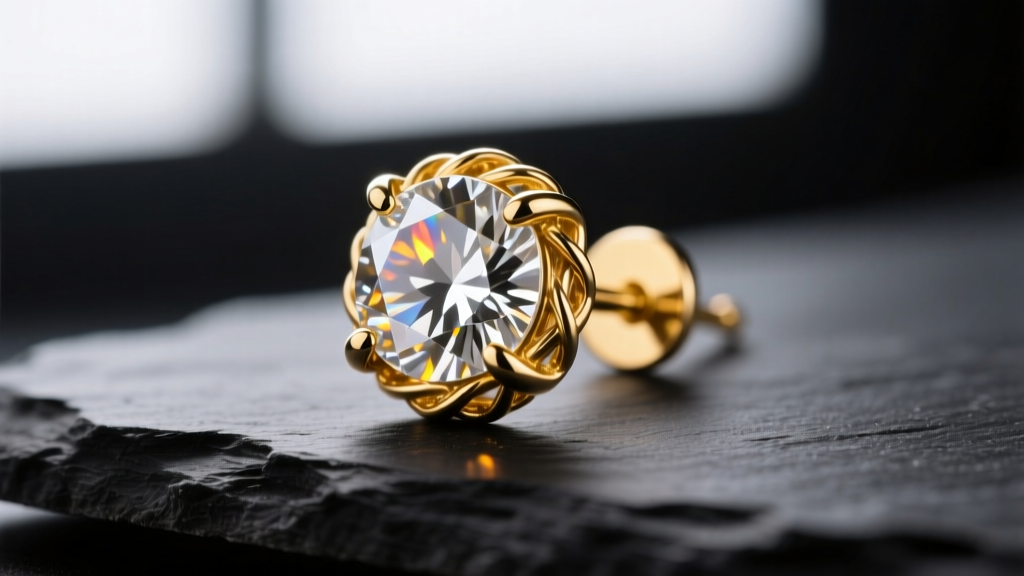
Primarily, the term refers to basket setting stud earrings. This is a specific structural design used to secure gemstones—most commonly diamonds—where the metal head holding the stone resembles a small woven basket. This open-bottomed design is engineered to maximize light return, ensuring your gemstone sparkles brilliantly from every angle. Secondly, the term is occasionally used to describe woven basket drop earrings, a stylistic design where precious metals are intricately woven to mimic the texture of a wicker basket. This guide will thoroughly break down both interpretations, with a heavy emphasis on the technical specifications of basket settings, as they are a foundational element of any fine jewelry collection.
The Anatomy of a Gemstone Basket Setting
To truly appreciate basket earrings, you must understand the engineering behind the setting. Unlike bezel settings, which encircle the entire girdle of a gemstone in a solid metal rim, a basket setting utilizes a 'gallery' (the base) and a series of vertical prongs that rise up to grip the stone's crown. According to the Gemological Institute of America (GIA), prong settings like the basket are the most popular choice for solitaire diamonds because they expose the maximum amount of the stone's surface area to ambient light.
The Gallery and Light Return
The 'basket' itself is the gallery wire that forms the cup holding the pavilion (the bottom half) of the gemstone. A well-crafted basket is open at the very bottom or features large cutouts along the sides. This structural openness is not merely an aesthetic choice; it is an optical necessity. Diamonds and colored gemstones rely on light entering through the crown, bouncing off the internal facets, and returning to the viewer's eye. A closed-back setting will trap dead skin cells, lotions, and oils, dulling the stone's brilliance over time. An open basket setting allows for easy cleaning and uninterrupted light performance.
Prong Configurations: 3, 4, and 6 Prongs
The number of prongs extending from the basket fundamentally alters both the security and the visual shape of the earring:
- 3-Prong (Martini): Uses less metal, offering a minimalist look that makes smaller diamonds appear larger. However, it offers slightly less security if a single prong is damaged.
- 4-Prong (Standard Basket): The industry standard. It provides excellent security and can make a round diamond appear slightly square or cushion-cut from a distance.
- 6-Prong (Crown Basket): Offers maximum security, ideal for high-carat stones or active lifestyles. It emphasizes the roundness of the gemstone but obscures more of the crown's surface area.
Martini vs. Standard Basket Settings
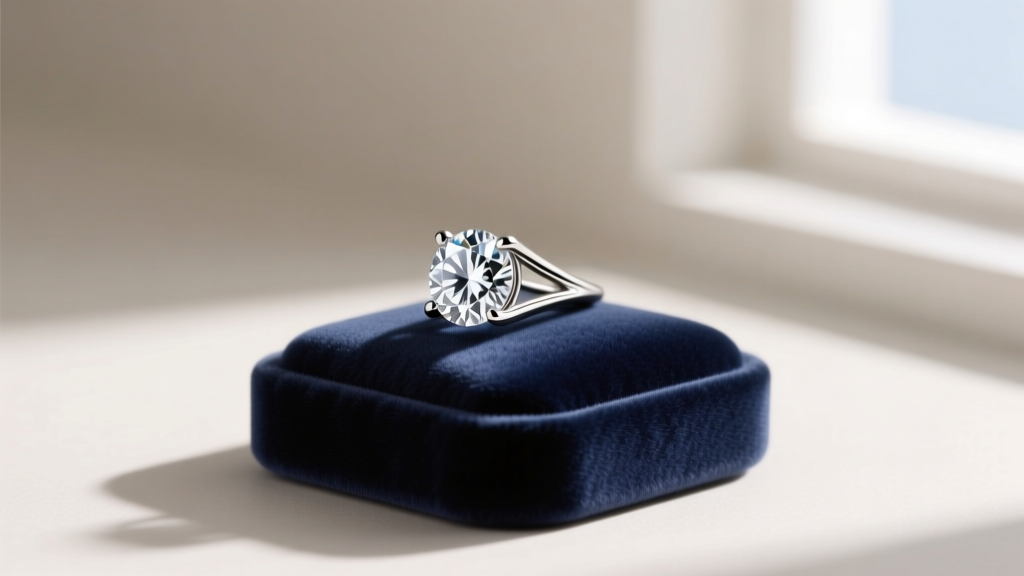
When shopping for diamond basket earrings, you will frequently see the 'Martini' setting marketed alongside the 'Standard' 4-prong basket. The Martini setting features three prongs that flare out from a single, narrow stem, resembling a martini glass. This low-profile design sits exceptionally flush against the earlobe, reducing the 'droop' that heavier stones often cause in standard settings.
| Setting Type | Prong Count | Profile Height | Best For | Security Level |
|---|---|---|---|---|
| Martini Basket | 3 | Low / Flush | Stones under 1.00ct; minimalist aesthetics | Moderate |
| Standard Basket | 4 | Medium | Stones 0.50ct - 2.00ct; everyday wear | High |
| Crown Basket | 6 | Medium-High | Stones over 1.50ct; high-impact brilliance | Very High |
| Peg-Head Basket | 4 | High / Elevated | Large pearls or cabochon gemstones | Moderate |
Woven and Wicker Basket Drop Earrings
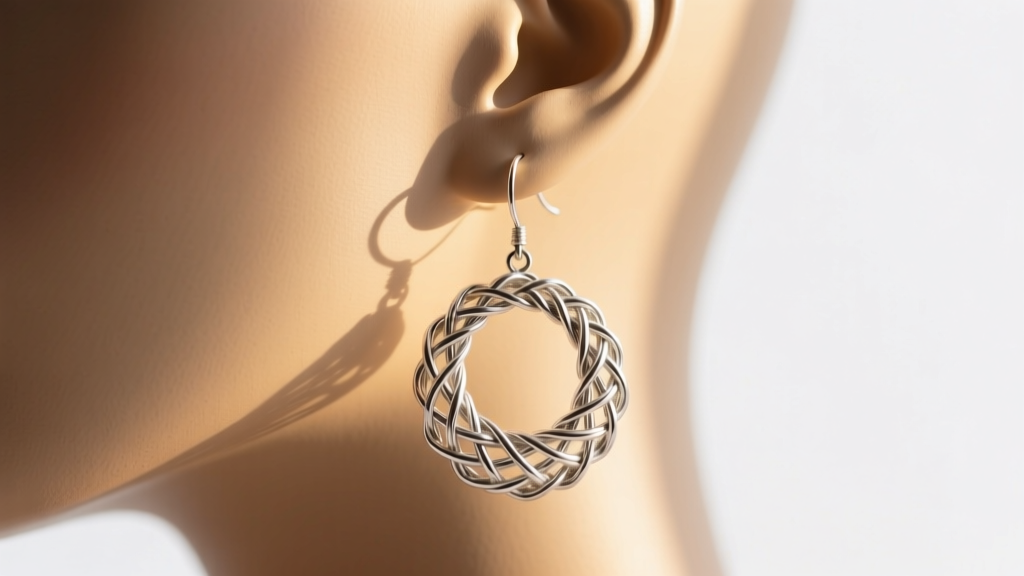
While the basket setting dominates the stud earring market, the term 'basket earrings' also applies to a specific genre of drop and dangle earrings. Woven basket drops feature intricate metalwork where fine wires of gold or silver are woven, braided, or textured to resemble a rustic wicker basket. These are highly popular in bohemian, artisan, and vintage-inspired jewelry collections.
When purchasing woven basket drops, the primary concern shifts from gemstone optics to structural integrity. Because the metal is woven, these earrings can easily snag on hair or clothing. Beginners should look for 'compact weave' designs where the wire loops are tightly closed, or styles that feature a solid metal backing behind the woven facade to prevent catching. Furthermore, hollow woven baskets can dent easily; opt for solid cast pieces or tightly tensioned wire wraps for longevity.
Material Grades and Post Gauges: A Technical Breakdown
The longevity and comfort of your basket earrings depend heavily on the metal alloy and the thickness of the post (the wire that passes through your piercing). Below is a technical breakdown of what to look for, referencing standards from organizations like ASTM International for biocompatible metals.
Metal Alloys and Purity
- 14k Gold (58.5% Pure): The most durable gold option for everyday basket studs. The higher alloy content (mixed with copper, silver, or zinc) provides the tensile strength needed to keep prongs rigid and secure.
- 18k Gold (75% Pure): Richer in color and highly hypoallergenic, but slightly softer. Prongs may require more frequent tightening by a jeweler compared to 14k.
- Platinum (PT950): 95% pure platinum mixed with ruthenium or iridium. It is incredibly dense, naturally white, and hypoallergenic. When platinum prongs bend, they do not easily snap, making it the ultimate choice for securing high-value diamonds.
- Implant-Grade Titanium (ASTM F136): If you have highly reactive skin or are healing a new piercing, ensure your basket earrings are crafted from Ti-6Al-4V ELI titanium. Avoid 'surgical steel,' which often contains nickel that can trigger contact dermatitis.
Understanding Post Gauges
The 'gauge' refers to the thickness of the earring post. Using the wrong gauge can cause irritation or stretching of the fistula (the piercing hole).
- 20-Gauge (0.81mm): The standard size for most commercial diamond basket studs and lightweight drop earrings. It fits comfortably in standard healed lobe piercings.
- 18-Gauge (1.02mm): Slightly thicker, often used for heavier basket settings or cartilage piercings (like the helix or tragus) to provide structural support and prevent the 'cheese-cutter effect' where thin wire slices through tissue.
- 16-Gauge (1.29mm): Rarely used for traditional fine jewelry basket studs, but common in artisan woven basket drops designed for stretched lobes or heavy-gauge cartilage piercings.
Sizing and Proportions for Ear Anatomy
Choosing the right size for your basket earrings requires an understanding of your unique ear anatomy. A setting that looks proportional on a small, attached earlobe may look overwhelming on a larger, detached lobe.
Pro-Tip for Beginners: Before purchasing basket setting studs, measure the diameter of your earlobe. For lobes measuring under 15mm from the piercing hole to the edge, stick to basket settings holding stones between 3mm and 5mm (approx. 0.10ct to 0.50ct). If the basket extends beyond the edge of your lobe, it will droop forward, hiding the brilliance of the stone.
For woven basket drop earrings, consider your jawline and face shape. Elongated, narrow woven drops beautifully complement round or square face shapes by creating a vertical line that slims the profile. Conversely, wider, hoop-style woven baskets soften the angles of heart-shaped or diamond-shaped faces.
Care, Maintenance, and Prong Tightening
Basket earrings require specific maintenance routines to ensure the gemstones remain secure and the metal retains its luster. Because the basket setting leaves the pavilion of the stone exposed, it is highly susceptible to accumulating hand creams, hairspray, and natural skin oils, which create a cloudy film over the diamond.
- Weekly Cleaning: Soak your basket earrings in a solution of warm water and a few drops of mild, ammonia-free dish soap for 15 minutes. Gently scrub the underside of the basket with a soft-bristled baby toothbrush to dislodge debris from the gallery wire.
- The 'Paper Test': Once a month, run the prongs of your basket earrings over a piece of silk or thin paper. If the prongs catch or snag the fabric, they have lifted away from the stone and require immediate professional tightening.
- Annual Professional Check: Take your basket studs to a bench jeweler once a year. They will use a microscope to check for micro-fractures in the prong tips and will burnish the metal back over the gemstone's girdle to ensure total security.
By understanding the intricate mechanics of the gallery, the optical benefits of open prongs, and the precise gauge requirements for your piercings, you can confidently invest in a pair of basket earrings that will remain a secure and brilliant staple in your jewelry wardrobe for decades to come.


