Tarnished Earrings Trend: Styling Intentional Oxidation in 2026
Discover how to style the 2026 tarnished earrings trend. Learn the difference between intentional oxidized silver and cheap plating failure.

The 2026 Shift: Why Tarnished Earrings Are High Fashion
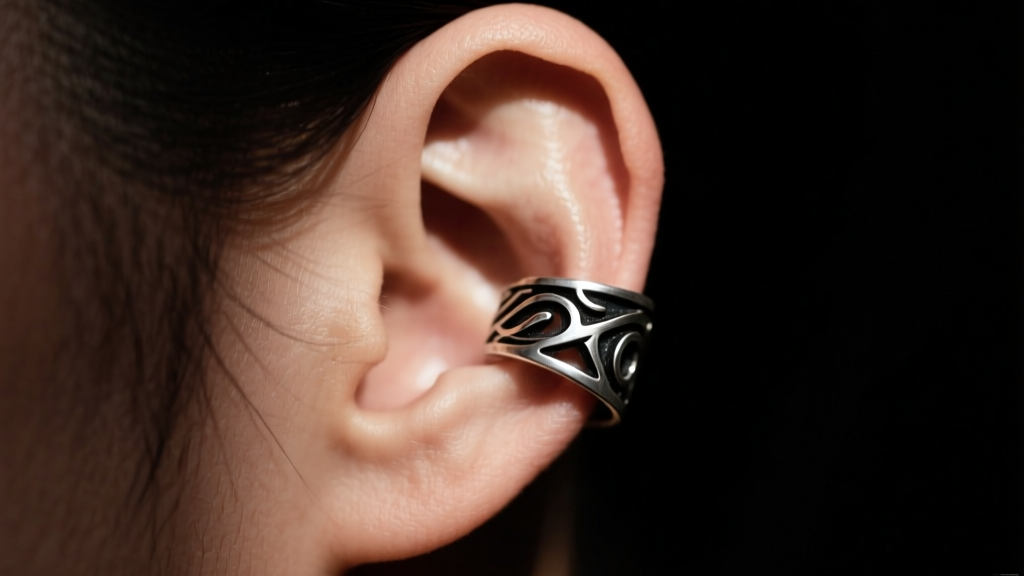
For decades, the jewelry industry has treated tarnish as the ultimate enemy. Consumers were taught to polish, dip, and scrub their pieces to maintain a mirror-like shine. However, the 2026 style landscape has completely inverted this narrative. Driven by the resurgence of dark academia, neo-grunge, and avant-garde gothic aesthetics, intentionally tarnished earrings have moved from the fringes of artisan craft to the forefront of high fashion. Top tier designers and independent jewelers are now deliberately oxidizing their metals to create depth, contrast, and a sense of lived-in history.
But as with any major trend, the mass market has quickly followed, leading to a flood of confusing products. Shoppers are now faced with a critical dilemma: how do you distinguish between a masterfully crafted, intentionally oxidized .925 sterling silver piece and a cheap, poorly plated brass earring that is simply degrading and turning your earlobes green? Understanding the metallurgy, styling applications, and proper care of oxidized metals is essential for navigating this trend without compromising your skin health or your personal style.
Intentional Patina vs. Cheap Plating Failure: A Metallurgical Breakdown
To truly appreciate the tarnished earrings trend, we must look at the chemistry of the metals involved. According to the Gemological Institute of America (GIA), silver naturally reacts with sulfur compounds in the air to form silver sulfide, which manifests as a dark, blackish-grey layer on the surface. Artisan jewelers accelerate this process in a controlled environment using a chemical compound known as liver of sulfur (potassium sulfide). This intentional oxidation is then selectively polished, leaving the dark patina in the recessed areas and textured crevices while bringing the high points to a bright shine. This creates a stunning, three-dimensional contrast that highlights intricate metalwork.
Conversely, accidental tarnish on budget jewelry is usually a sign of structural failure. Many fast-fashion earrings are made from a base metal like brass or copper, which is then flash-plated with a microscopic layer of silver or gold. When this thin plating wears away from friction and skin acidity, the underlying copper is exposed to oxygen and moisture, creating copper oxide—a harsh, greenish-black compound that causes skin irritation and looks inherently cheap. The Silver Institute emphasizes that true oxidation should only be applied to solid sterling silver or high-karat gold alloys to ensure longevity and hypoallergenic safety.
| Feature | Intentional Patina (.925 Sterling Silver) | Accidental Tarnish (Plated Base Metal) |
|---|---|---|
| Base Material | Solid 92.5% Silver, 7.5% Copper/Zinc | Brass, Copper, or Nickel Alloys |
| Chemical Process | Controlled Silver Sulfide (Liver of Sulfur) | Uncontrolled Copper Oxide / Nickel Corrosion |
| Visual Appearance | Rich charcoal, deep grey, or matte black | Flaky, greenish-black, or uneven rusty orange |
| Skin Reaction | Hypoallergenic, safe for sensitive ears | High risk of contact dermatitis and green staining |
| Price Range (Studs/Huggies) | $45 - $180+ | Under $25 |
How to Style Oxidized and Tarnished Earrings for Modern Aesthetics
Styling intentionally tarnished earrings requires a departure from traditional, matchy-matchy jewelry rules. The dark, moody nature of oxidized silver acts as a neutral anchor, allowing you to mix metals and layer textures in ways that would look chaotic with high-polish pieces. Here is how to integrate this trend into your 2026 wardrobe based on your specific piercing anatomy.
The Dark Academia Cartilage Stack
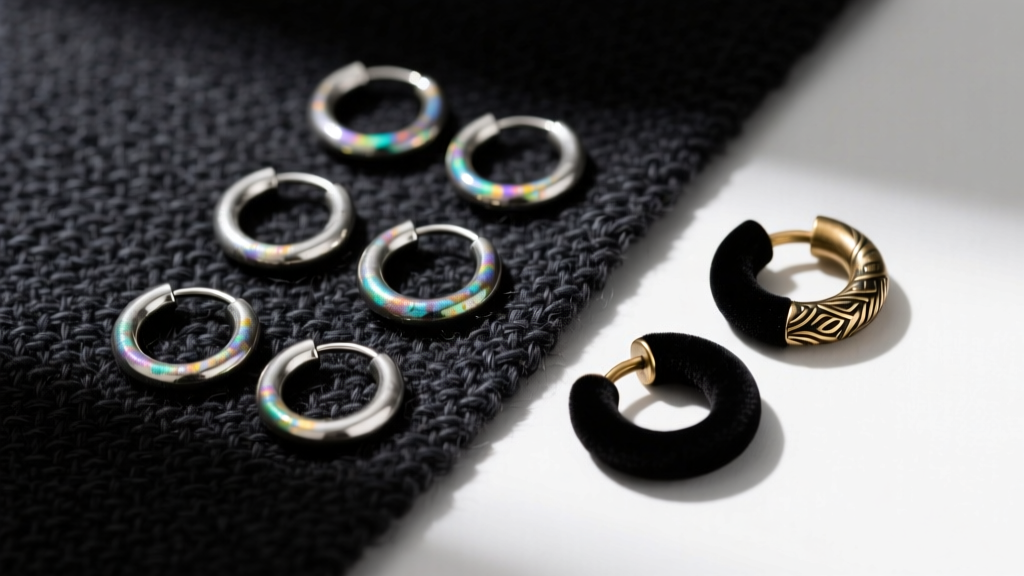
For those with multiple cartilage piercings, the dark academia aesthetic relies heavily on oxidized metals to create a scholarly, vintage-inspired look. Start with a 16-gauge or 14-gauge flat-back labret in the helix or flat region, featuring a blackened bezel setting with a dark gemstone like onyx, black spinel, or dark grey moonstone. Pair this with an intentionally tarnished continuous hoop in the mid-helix. The key to a successful cartilage stack is varying the gauge and texture; mix a smooth, oxidized 18-gauge huggie in the lobe with a heavily textured, patinated ear cuff on the outer rim. Because oxidized silver absorbs light rather than reflecting it, you can stack 4 to 6 pieces without the overall look becoming visually overwhelming or gaudy.
Grunge Revival Lobe Clusters
If you only have standard lobe piercings, you can still heavily participate in the tarnished trend through lobe clustering and drop silhouettes. Look for asymmetrical drop earrings where the top stud is high-polish silver, but the dangling chain or lower motif is heavily oxidized. This draws the eye downward, which is particularly flattering for round or square face shapes, as the dark, elongated silhouette creates a slimming optical illusion. For a true neo-grunge vibe, pair heavily tarnished, oversized huggie hoops with a minimalist, blackened silver ear cuff on the upper lobe. The contrast between the heavy, dark metal and the skin creates a striking, edgy focal point.
Care and Maintenance: Preserving the 'Good' Tarnish
The most common mistake consumers make with intentionally oxidized jewelry is accidentally stripping the patina during routine cleaning. The chemicals used to create the dark finish are reactive, and standard silver cleaning methods will destroy the designer's intended contrast, leaving you with a flat, uneven, and overly bright piece of metal.
- Never Use Liquid Silver Dips: Products like Tarn-X or generic liquid silver baths use harsh thiourea-based chemicals that instantly strip all silver sulfide from the metal. This will completely erase the intentional oxidation in seconds, often leaving the metal with a dull, chalky white finish that requires professional re-polishing to fix.
- Avoid Ultrasonic Cleaners: The high-frequency vibrations and heated chemical solutions in ultrasonic cleaners can cause the dark patina to flake off unevenly, especially in deep crevices and under gemstone settings.
- Use a Treated Polishing Cloth Carefully: When your oxidized earrings pick up oils and fingerprints, use a dry, untreated microfiber cloth to gently wipe the piece. If you must use a treated silver polishing cloth, only lightly buff the raised, high-polish areas of the design. Avoid rubbing the recessed, darkened areas entirely.
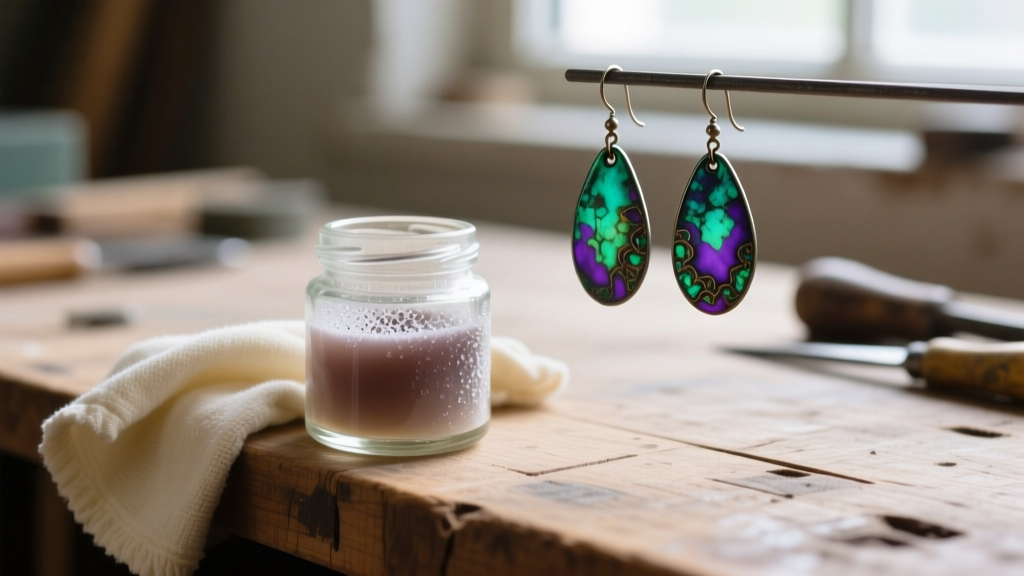
- Re-oxidation is Possible: If you accidentally strip the patina, or if it naturally wears away over years of friction, you can restore it at home. Jewelers use liver of sulfur gel mixed with warm water to re-blacken the silver. You can purchase small jars of this compound online, dip your clean .925 earrings for a few seconds, and then gently buff the high points with a soft cloth to restore the original contrast.
Where to Invest: Navigating the 2026 Market
As the demand for tarnished earrings grows, knowing where to invest your money is crucial. For high-end, permanent jewelry and precision cartilage pieces, brands like Maria Tash and BVLA offer exceptional oxidized options, often utilizing black rhodium plating over solid gold for a permanent, non-tarnishing dark finish that mimics the look of oxidized silver without the maintenance. For true sterling silver oxidation, look to independent artisans on platforms like Etsy or specialized gothic jewelers who explicitly state their use of 'liver of sulfur' and 'selective polishing' in their product descriptions.
Ultimately, the 2026 tarnished earrings trend is about embracing imperfection and depth. By understanding the metallurgy behind the patina, you can confidently curate a dark, sophisticated jewelry wardrobe that looks intentionally curated rather than accidentally neglected.


