Beaded Teardrop Earrings: A Complete Buying Guide
Discover how to choose the perfect beaded teardrop earrings. Learn about bead materials, hook gauges, weight limits, and face shape styling tips.

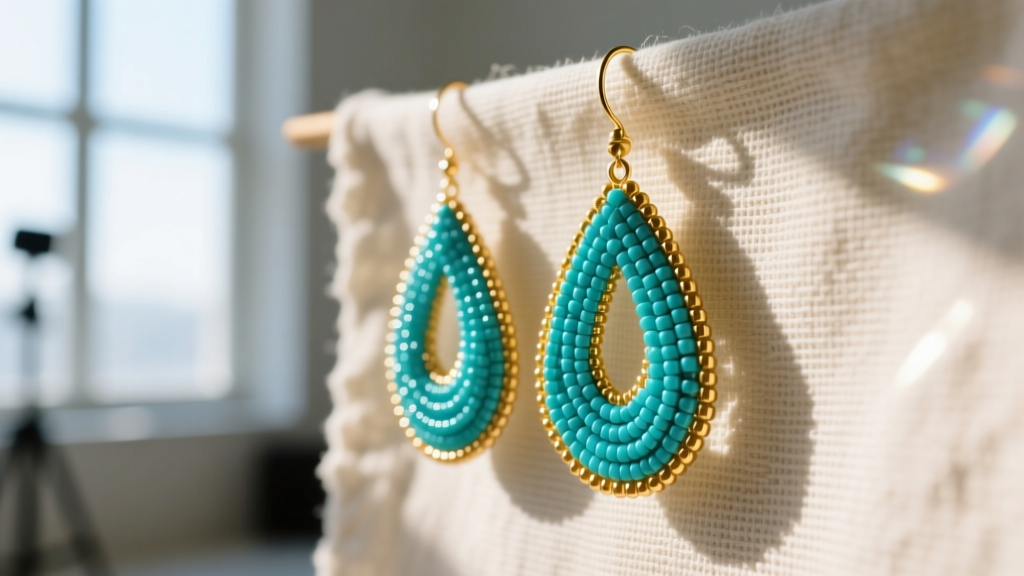
The Anatomy of a Perfect Beaded Teardrop
Beaded teardrop earrings occupy a unique space in jewelry design, bridging the gap between bohemian artistry and elegant evening wear. Unlike solid metal drops or faceted gemstone pendants, beaded iterations offer unparalleled movement, intricate colorwork, and a surprisingly lightweight profile. However, the market is saturated with everything from mass-produced, glue-heavy fashion jewelry to master-crafted artisan pieces. As we navigate the 2026 jewelry landscape, understanding the structural integrity, material grading, and ergonomic design of these earrings is essential for making an informed purchase. This guide breaks down exactly what to look for when investing in beaded teardrops, ensuring your next pair is as durable as it is beautiful.
Bead Materials: Beyond Basic Glass
The term 'beaded' is a massive umbrella. The quality, weight, and light refraction of your earrings depend entirely on the specific type of bead used by the artisan or manufacturer.
Miyuki and Toho Seed Beads
For woven teardrop patterns (like peyote or brick stitch), Japanese seed beads are the gold standard. Brands like Miyuki and Toho manufacture beads with microscopic precision, ensuring uniform size and shape. When examining woven teardrops, look for a smooth, fabric-like drape. If the beadwork looks rigid, uneven, or has visible gaps between threads, the artisan likely used inferior, inconsistently sized Czech or Chinese seed beads, which can cause the structural tension of the teardrop to warp over time.
Preciosa and Swarovski Crystal
If you are looking for high-refraction sparkle, crystal beads are the answer. According to the Gemological Institute of America (GIA), lead-free advanced crystal (like Preciosa Maxima) offers a refractive index that rivals traditional leaded crystals without the environmental and health toxicity. When buying crystal beaded teardrops, check the stringing material. Crystal edges can be sharp; they must be strung on braided stainless steel wire or heavy-duty nylon, never standard cotton thread, which will fray and snap.
Lampwork and Artisan Glass
Lampwork beads are individually torch-melted, offering organic, one-of-a-kind teardrop shapes. The critical factor here is annealing. Properly annealed lampwork beads are cooled slowly in a kiln to relieve internal stress. Unannealed beads are highly prone to spontaneous cracking. Always buy lampwork teardrops from reputable glass artists who explicitly state their annealing process.
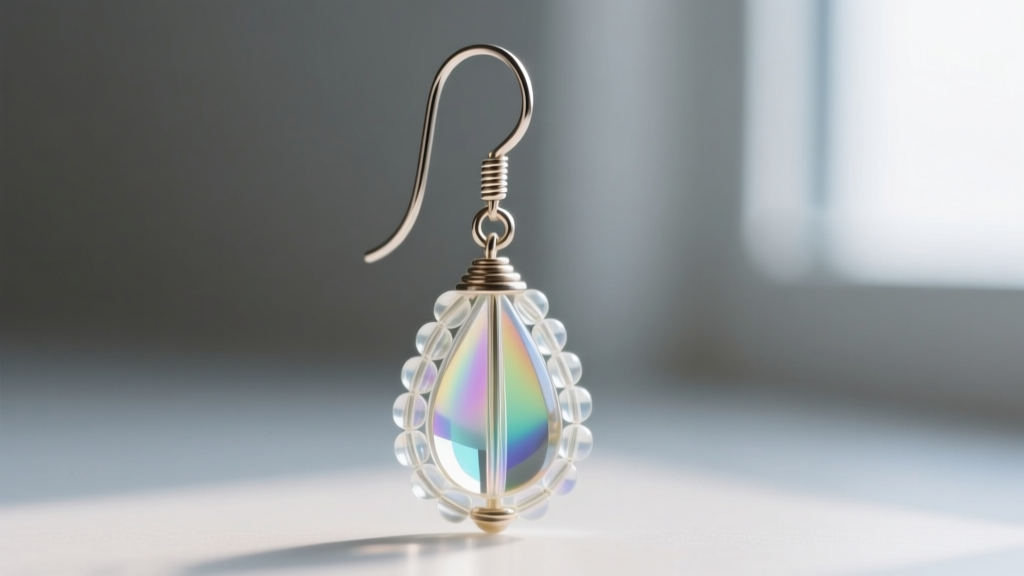
Hardware and Findings: The Engineering of Comfort
The beadwork might catch the eye, but the hardware dictates the lifespan and comfort of the earring. The wire gauge (thickness) and metal alloy of the ear wire are non-negotiable factors in your buying decision.
| Wire Gauge | Thickness (mm) | Best Use Case | Recommended Metals |
|---|---|---|---|
| 22-Gauge | 0.64 mm | Lightweight seed bead teardrops (under 5g) | Niobium, 14k Gold |
| 20-Gauge | 0.81 mm | Standard teardrops, crystal or glass (5g - 12g) | ASTM F136 Titanium, 316L Steel |
| 18-Gauge | 1.02 mm | Heavy, multi-tiered beaded drops (over 12g) | Surgical Steel, Sterling Silver |
For those with sensitive skin or nickel allergies, the Association of Professional Piercers (APP) strongly recommends implant-grade titanium (ASTM F136) or pure niobium for any wire that passes through the skin. Avoid 'surgical steel' or 'hypoallergenic plated' wires if you have known sensitivities, as the plating can wear off, exposing base metals that cause contact dermatitis.
Hook Styles: French Wire vs. Leverback
French wires (the classic fishhook shape) are standard but prone to falling out if the teardrop is lightweight and lacks a silicone earring back. For heavier beaded teardrops, insist on leverback findings. Leverbacks feature a hinged closure that locks the wire securely behind the earlobe, distributing weight more evenly and preventing loss.
The 15-Gram Rule: Weight Distribution and Lobe Health
One of the most overlooked aspects of buying drop earrings is weight. While beaded earrings are generally lighter than solid stone drops, dense clusters of glass or heavy metal wire-wrapping can accumulate mass. Dermatologists and piercing professionals generally advise keeping everyday earrings under 15 grams per ear to prevent lobe stretching, migration, and tissue fatigue.
When evaluating a heavy-looking beaded teardrop, check the internal armature. High-end artisans use hollow-form wire wrapping or lightweight aluminum cores wrapped in thread to create volume without the punishing weight. If a pair feels dense and pulls visibly on the display card, it will pull on your earlobes, leading to discomfort within hours of wear.
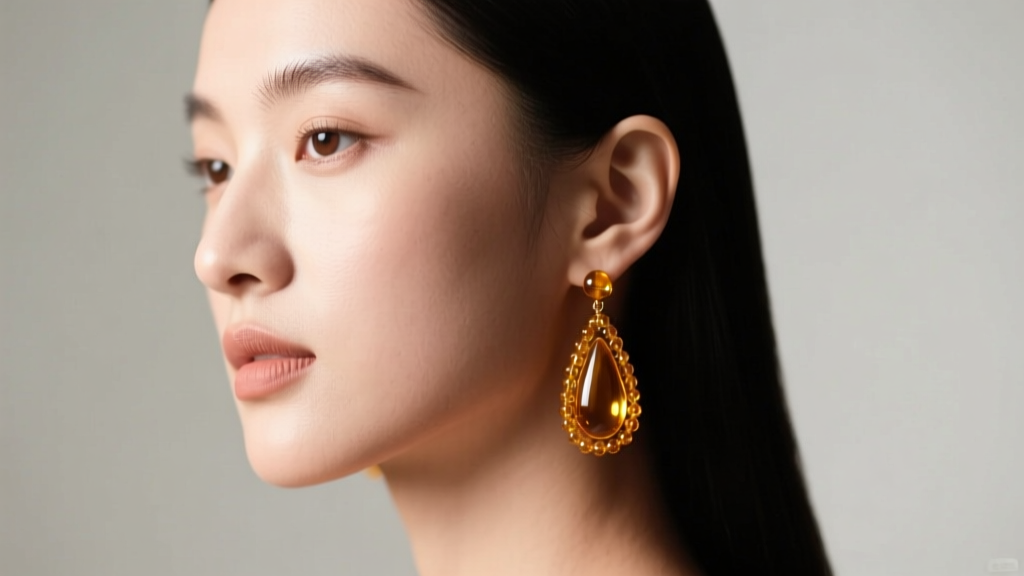
Face Shape Mapping for Teardrop Silhouettes
The teardrop silhouette is inherently elongating, making it a powerful tool for balancing facial proportions. Here is how to map the style to your specific geometry:
- Round and Square Faces: Long, narrow beaded teardrops are your best ally. The vertical lines draw the eye downward, softening strong jawlines and elongating the overall profile.
- Oval Faces: You have the versatility to wear any teardrop proportion, from wide, chandelier-style beaded drops to sleek, minimalist seed bead pendants.
- Oblong and Heart Faces: Avoid excessively long, narrow teardrops, which will over-elongate your features. Instead, opt for 'wide teardrops' or briolette shapes where the beadwork flares out horizontally at the bottom, adding necessary width to balance the forehead or chin.
Quality Control: Red Flags in Artisan and Mass-Market Pairs
Before finalizing your purchase, put the earrings under a macro lens (or simply use your smartphone's zoom function) to inspect for structural red flags:
- Glued Knots: Never buy beaded earrings where the finishing knots are secured with visible cyanoacrylate (Super Glue). Glue degrades, yellows, and becomes brittle. Proper beadwork relies on woven tension and hidden thread-burying techniques.
- Sharp Wire Burrs: Run your finger along the end of the ear wire. If it scratches your skin, it will scratch your ear canal. Mass-produced wires are often stamped without tumbling, leaving microscopic metal burrs.
- Thread Fraying: Inspect the top loop where the beadwork attaches to the metal jump ring. If the nylon or silk thread is frayed or shows signs of abrasion against the metal, the piece will fail prematurely. A tiny metal crimp bead or wire-guard should protect the thread at this stress point.
Long-Term Care: Preserving Tension and Thread
To maintain the structural integrity of woven beaded teardrops, avoid exposing them to aerosol hairsprays, perfumes, and chlorine. These chemicals break down the nylon threads (like Nymo or WildFire) used in high-quality beadwork. Store your teardrops flat or hanging freely; tossing them into a crowded jewelry box can crush the beadwork, permanently distorting the teardrop shape and snapping the internal tension threads. With proper material selection and mindful care, a high-quality pair of beaded teardrops will remain a staple in your rotation for years to come.


