The Beginner's Guide to Styling Gold Dangling Earrings
Discover how to choose, wear, and care for gold dangling earrings. Learn about karats, gauge sizes, and face-shape styling in our beginner guide.

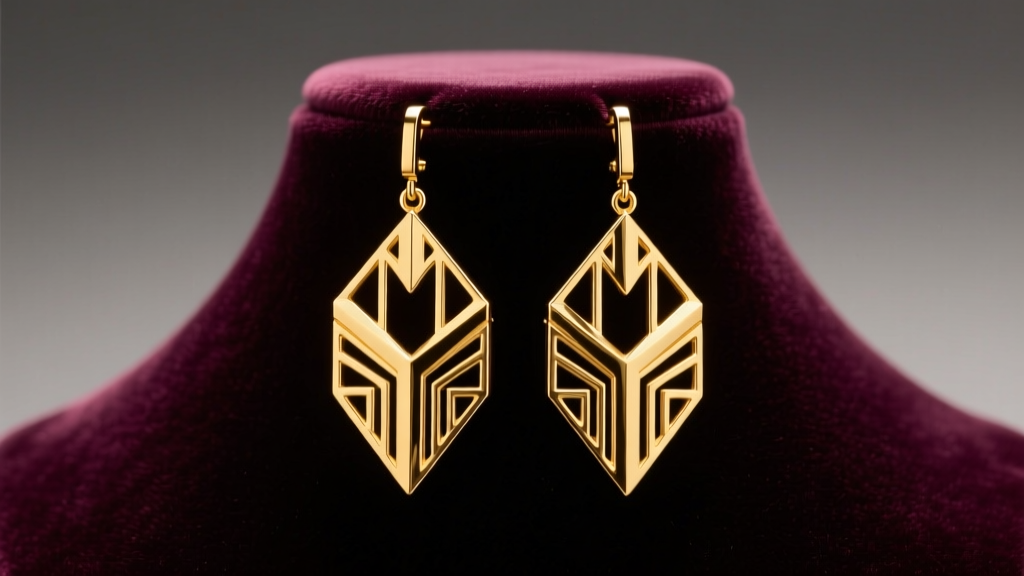
Gold dangling earrings are a cornerstone of fine jewelry, offering a perfect blend of movement, elegance, and timeless appeal. However, for beginners, navigating the world of karats, gauge sizes, and face-shape styling can feel overwhelming. Unlike simple studs, dangles require a deeper understanding of weight distribution, metal purity, and anatomical comfort. This comprehensive explainer will break down everything you need to know to confidently select, wear, and maintain your gold dangles.
Drop vs. Dangle: Understanding the Terminology
Before diving into styling, it is crucial to distinguish between drop earrings and dangling earrings. While often used interchangeably in casual conversation, jewelers classify them differently based on their mechanics.
- Drop Earrings: These hang just below the earlobe but remain largely stationary. They typically consist of a single gemstone or metal shape suspended from a fixed post or hook.
- Dangling Earrings: These are designed to move. They feature multiple components, hinges, or chains that allow the jewelry to swing and catch the light as you walk or turn your head.
Because gold dangling earrings are in constant motion, they place unique kinetic stress on your earlobe piercings, making the choice of metal thickness and purity incredibly important.
The Metallurgy of Gold: Choosing the Right Karat
Pure gold (24K) is exceptionally soft and malleable. If a jeweler were to craft a complex dangle out of 24K gold, the weight of the piece would cause the wire and clasps to bend and warp within days. Therefore, gold is alloyed with metals like copper, silver, and zinc to increase its tensile strength. According to the Gemological Institute of America (GIA), understanding these alloys is key to predicting how your jewelry will hold up over time.
| Gold Purity | Gold Content | Durability & Dangle Suitability | Average Price Range |
|---|---|---|---|
| 10K Gold | 41.7% | Highly durable, stiff. Excellent for heavy, intricate dangles with thin wirework. Can cause reactions in sensitive skin. | $40 - $120 |
| 14K Gold | 58.5% | The industry standard. Offers the perfect balance of rich color, structural integrity, and hypoallergenic properties. | $80 - $350 |
| 18K Gold | 75.0% | Rich, buttery yellow hue. Softer than 14K; best for dangles with thicker structural components rather than delicate filigree. | $200 - $800+ |
| 22K Gold | 91.6% | Very soft. Rarely used for dangling mechanisms unless the design is a solid, heavy cast piece without moving hinges. | $500 - $1,500+ |
Expert Tip: If you are buying dangles with delicate chains or intricate moving hinges, 14K gold is your safest bet. The higher copper and silver content provides the 'spring' needed for hinges to snap back into place without permanent deformation.
Matching Dangles to Your Face Shape
The kinetic nature of dangling earrings makes them a powerful tool for balancing facial proportions. Because they draw the eye vertically, you can use them to soften angles or add length. Here is a practical framework for matching dangles to your bone structure:
Round Faces
The Goal: Elongate the face and create the illusion of sharper angles.
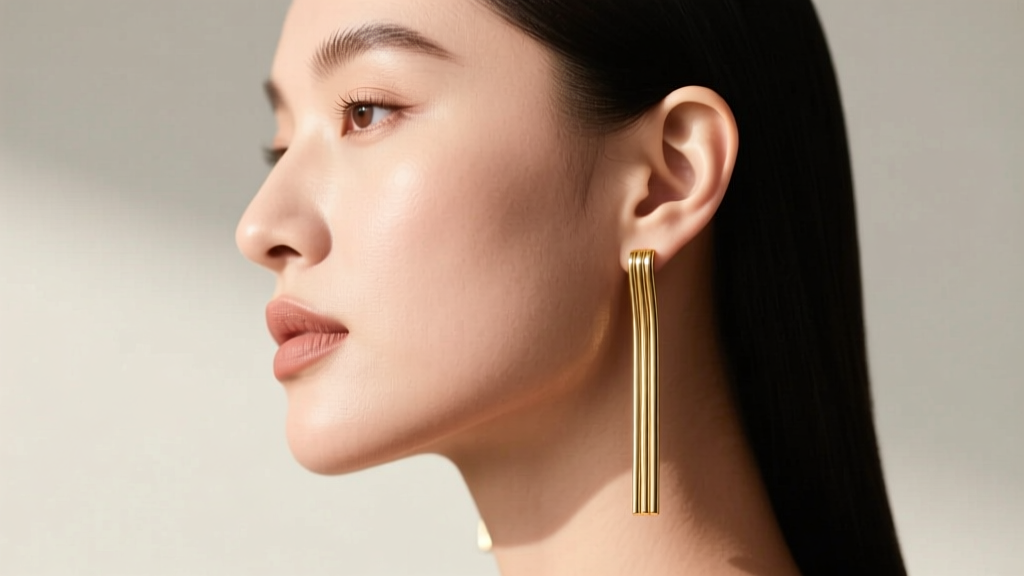
The Strategy: Opt for long, linear gold dangling earrings, such as bar dangles or narrow rectangular Art Deco designs. Avoid circular hoops or wide chandelier styles, which will only emphasize the roundness of your cheeks.
Square Faces
The Goal: Soften a strong, angular jawline.
The Strategy: Choose dangles with curved motifs, teardrop shapes, or rounded filigree. Medium-length chandelier earrings that end just below the jawline will beautifully frame and soften your features.
Heart-Shaped Faces
The Goal: Balance a wider forehead with a narrower chin.
The Strategy: Look for dangles that are wider at the bottom than at the top. Teardrops, inverted triangles, and clustered gemstone dangles add visual weight to the lower half of the face, creating perfect symmetry.
Oval Faces
The Goal: Maintain natural balance.
The Strategy: You have the most versatility. Almost any style of gold dangling earring will work, from dramatic shoulder-duster chains to modest geometric drops.
Earlobe Anatomy and the 'Cheese Cutter' Effect
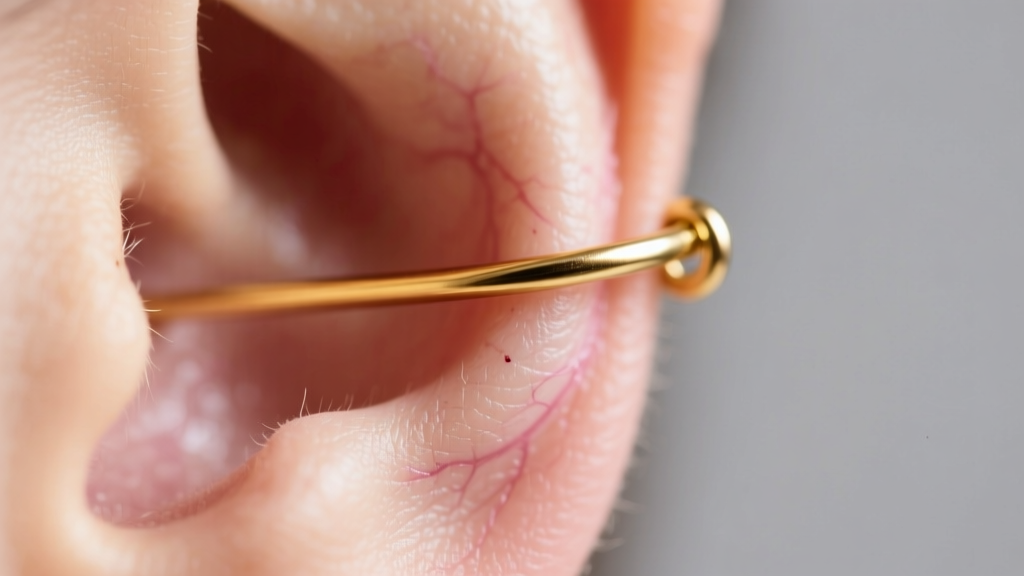
One of the most common mistakes beginners make is ignoring the gauge (thickness) of the earring wire. Standard earlobe piercings are typically done at 20-gauge (0.81mm) or 18-gauge (1.02mm). However, when you hang a heavy gold dangle from a thin 22-gauge (0.64mm) wire, physics takes over.
According to guidelines from the Association of Professional Piercers (APP), excessive weight on a thin wire can lead to a phenomenon known as the 'cheese cutter effect.' Over time, the thin wire slowly slices downward through the earlobe tissue, causing piercing migration, elongation, and eventual tearing.
The Weight-to-Gauge Rule: If your gold dangling earrings weigh more than 10 grams per ear, ensure the ear wire or post is at least 18-gauge (1.0mm). For statement pieces exceeding 15 grams, seek out custom 16-gauge (1.2mm) French wires or consider wearing the dangles only for short, special occasions.
Essential Care and Maintenance Routine
Because gold dangles swing and brush against your neck, hair, and clothing, they are highly susceptible to accumulating skin oils, perfume residue, and hair product buildup. This not only dulls the gold's luster but can also gunk up delicate hinge mechanisms.
Weekly Cleaning Protocol
- The Soak: Mix a few drops of mild, phosphate-free dish soap (like Dawn) into a bowl of lukewarm water. Submerge your dangles for 10 to 15 minutes.
- The Agitation: Gently swish the water. For intricate filigree or chain links, use a brand-new, ultra-soft baby toothbrush to lightly dislodge debris from the crevices.
- The Rinse: Rinse thoroughly under lukewarm running water. Ensure the drain is plugged!
- The Dry: Pat dry with a lint-free microfiber cloth. Never use paper towels, as the wood pulp fibers can cause micro-scratches on high-karat gold (18K and above).
Proper Storage
Never toss gold dangling earrings into a communal jewelry box. The moving parts can easily become tangled with chains or scratched by harder gemstones like diamonds or sapphires. Store each pair individually in a soft, anti-tarnish flannel pouch. If the dangles feature a hinged latch back, always store them in the closed position to prevent the clasp from warping under pressure.
Final Thoughts for the Beginner
Investing in gold dangling earrings is about more than just picking a pretty design; it is an exercise in balancing aesthetics with biomechanics. By understanding the structural differences between 14K and 18K gold, respecting your earlobe's weight tolerance, and choosing silhouettes that complement your unique facial geometry, you can build a versatile, comfortable, and stunning earring collection that will last a lifetime.


