A Beginner's Guide to Collecting Vintage Hollycraft Earrings
Discover how to identify, authenticate, and price vintage Hollycraft earrings. A beginner-friendly guide to mid-century costume jewelry collecting.

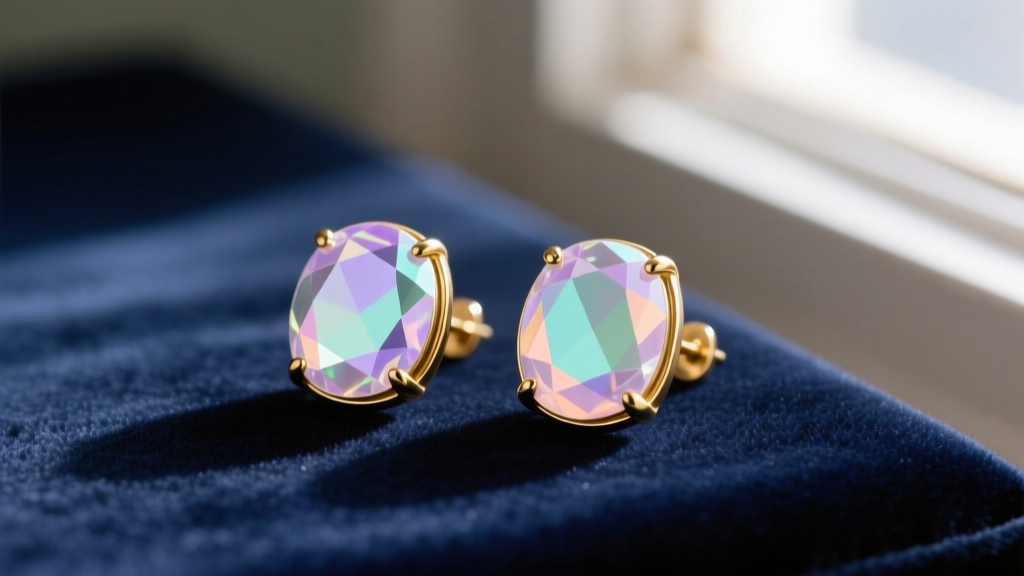
Stepping into the world of vintage costume jewelry can feel overwhelming, especially when navigating estate sales, antique malls, and online auctions. Among the most coveted mid-century brands for both novice collectors and seasoned aficionados are Hollycraft earrings. Renowned for their intricate metalwork, vibrant rhinestone combinations, and distinct mid-century glamour, these pieces offer a tangible connection to 1950s fashion history. Whether you are looking to start a curated collection or simply want to verify a pair you found at a local thrift store, this beginner-friendly explainer will equip you with the specific knowledge needed to authenticate, evaluate, and care for vintage Hollycraft jewelry.
The Origins of Hollycraft: A Brief History
To understand the value of Hollycraft earrings, you first need to understand their origins. The brand was born from the Hollywood Jewelry Manufacturing Company, founded in New York City in 1938 by Joseph Heibronner. Interestingly, the company did not use the 'Hollycraft' name on its jewelry right away. Early pieces from the 1930s and 1940s were often unsigned or featured paper tags that have long since deteriorated. It wasn't until 1948 that the company officially began stamping the 'HOLLYCRAFT' hallmark onto their designs. The brand hit its creative and commercial peak during the 1950s, producing the elaborate, multi-stone floral and geometric designs that collectors actively hunt for today. According to vintage jewelry historians at Ruby Lane, the company eventually ceased operations in the late 1970s, making all authentic pieces strictly vintage.
How to Authenticate Vintage Hollycraft Marks
Authentication is the cornerstone of vintage jewelry collecting. Because Hollycraft was a highly successful brand, its pieces were widely distributed, but they were also occasionally mimicked by lesser manufacturers. Knowing exactly what to look for on the reverse side of the earring is your first line of defense.
| Era | Typical Marking | Earring Finding Style |
|---|---|---|
| 1938 - 1948 | Unsigned or Paper Tags | Screw-backs (mostly for non-pierced ears) |
| 1948 - Mid 1950s | HOLLYCRAFT (Block letters) | Screw-backs & early paddle clip-ons |
| Mid 1950s - 1970s | HOLLYCRAFT © (With copyright symbol) | Standard clip-ons & occasional 20g pierced posts |
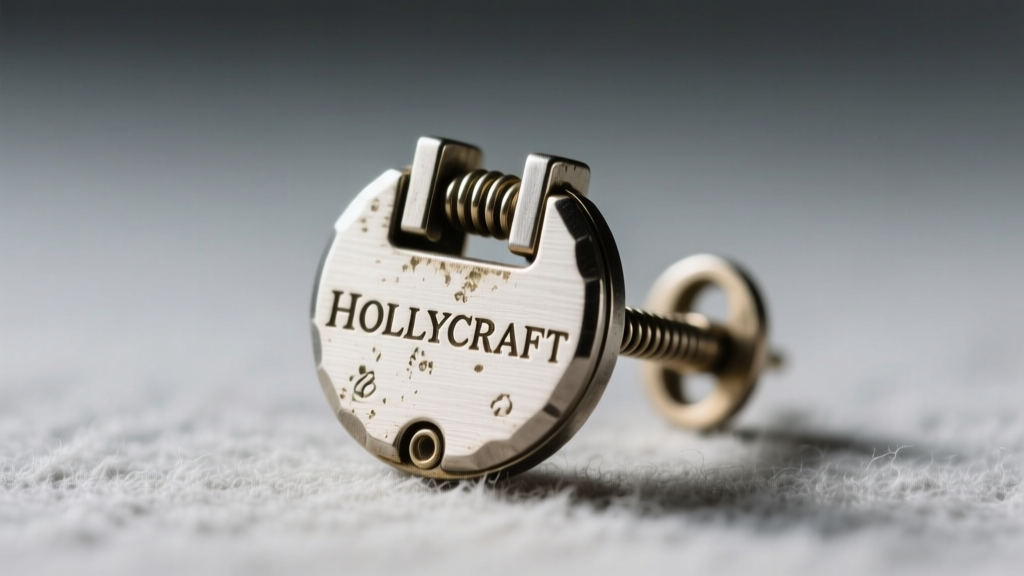
Pro Tip: The addition of the copyright symbol (©) is a major dating clue. The US Copyright Act of 1954 allowed jewelry designs to be copyrighted, so if you see the © symbol, you can confidently date the earrings to 1955 or later. Furthermore, authentic Hollycraft clip-on mechanisms often feature a patent number stamped directly onto the metal paddle, a detail frequently missed by counterfeiters or 'franken-jewelry' assemblers.
Signature Styles and Material Grades
Hollycraft did not use precious metals or gemstones; they were masters of costume jewelry. Understanding their specific material grades and design motifs will help you spot the best pieces.
The Magic of Aurora Borealis (AB) and Pastel Stones
Hollycraft is perhaps most famous for its masterful use of color. While many brands stuck to clear diamante rhinestones, Hollycraft embraced pastel glass stones—soft pinks, aquamarines, peridots, and amethysts. Following Swarovski and Christian Dior's introduction of the Aurora Borealis (AB) finish in 1955, Hollycraft rapidly integrated these iridescent, oil-slick coated stones into their designs. A genuine 1950s Hollycraft AB stone will show a distinct blue-pink-green refraction when tilted under direct light, unlike modern acrylic imitations which lack depth.
Intricate Metalwork and Stone Cuts
Look closely at the stone shapes. Hollycraft frequently utilized marquise (navette) and chaton (round) cuts to build three-dimensional floral sprays, bows, and abstract atomic-age starbursts. The base metal was typically a white pot metal alloy (a mix of zinc, lead, and tin), which was then heavily electroplated in either a bright rhodium silver-tone or a rich 14k gold-tone. The prong settings were meticulously pushed over the girdle of the glass stones by hand or machine, avoiding the heavy glue blobs seen in lower-tier vintage brands.
Beginner’s Buying Guide: Pricing and Condition Checks
When shopping for Hollycraft earrings on platforms like Etsy or at local antique shows, pricing can vary wildly based on condition, rarity, and completeness. Here is a realistic pricing framework for the current market:
- Simple Studs / Single-Color Clips: $25 – $45
- Elaborate Floral Dangles / Multi-Color Clips: $65 – $125
- Rare Parures (Matching Necklace & Earring Sets): $150 – $350+
- Pieces with Missing Stones or Damage: $10 – $20 (For repair practice or parts)
The Ultimate Condition Checklist
Before handing over your cash, put on a jeweler's loupe (or use your smartphone's macro camera) and run through this critical condition checklist:
- Check for 'Dead' Stones: Turn the earring over. If the foil backing behind a rhinestone is black, gray, or peeling, moisture has penetrated the setting. The stone will look dull or 'dead' from the front. Foil damage is irreversible without completely unsetting and replacing the stone.
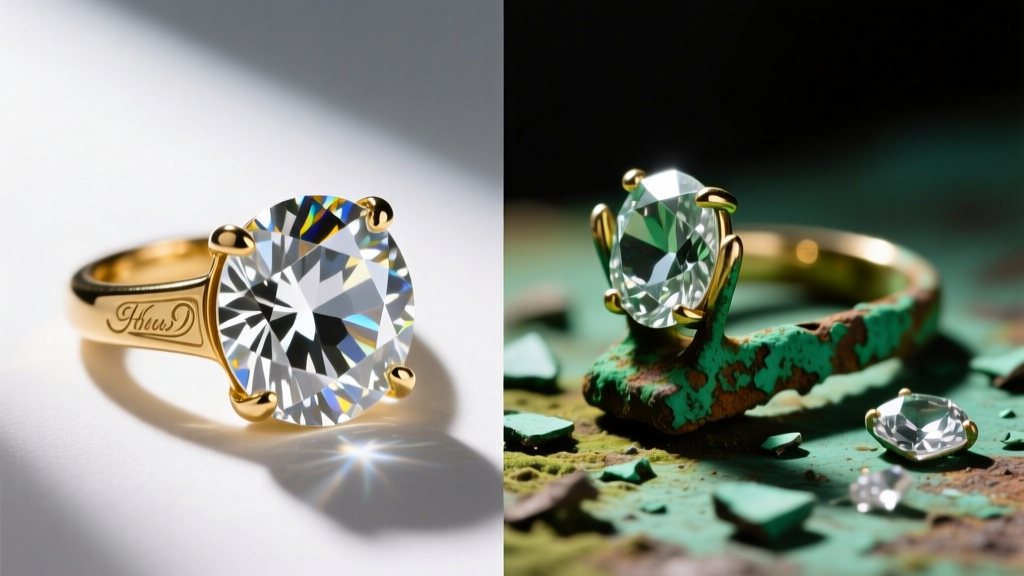
- Inspect for Verdigris: Look for a crusty, bright green substance around the prongs or clip hinges. This is verdigris (copper acetate), a corrosion that occurs when pot metal and copper alloys react with moisture and skin acids. While light verdigris can be carefully brushed away with a dry, soft-bristled toothpick, deep corrosion compromises the structural integrity of the pot metal, making it brittle and prone to snapping.
- Test the Tension: For clip-ons, gently open and close the paddle. It should snap back with firm tension. If it flops open, the metal has suffered from fatigue, and the earring will not stay securely on your earlobe without a silicone comfort pad or professional tightening.
Caring for Your Vintage Costume Jewelry
Preserving Hollycraft earrings requires a different approach than caring for modern fine jewelry. Never use ultrasonic cleaners, commercial silver dips, or harsh chemicals. These will instantly strip the gold or rhodium electroplating and destroy the delicate foil backing of the rhinestones.
Instead, clean your pieces using a barely damp microfiber cloth to gently wipe the face of the stones. Use a dry, soft makeup brush to dust out the crevices of the metalwork. Always store your vintage earrings in a climate-controlled environment, ideally in individual anti-tarnish ziplock bags with a small silica gel packet to absorb ambient moisture. Keeping them away from humidity is the single most effective way to prevent verdigris and foil rot.
Styling Vintage Hollycraft Today
You don't need to wear a 1950s swing dress to pull off these stunning pieces. The key to styling vintage Hollycraft earrings in a modern wardrobe is contrast. Pair an elaborate, multi-colored floral clip-on with a minimalist, structured blazer or a simple white linen shirt. Let the earrings serve as the focal point of your outfit. If you are dealing with non-pierced screw-backs or clip-ons that cause discomfort, consider investing in modern silicone clip-on cushions, which distribute the pressure evenly across the earlobe and allow you to wear these mid-century masterpieces comfortably from morning to night.
Collecting Hollycraft earrings is a rewarding journey into mid-century artistry. By understanding the hallmarks, recognizing quality materials, and knowing how to assess condition, you can confidently build a collection that holds both historical significance and enduring style.


