James Avery Scroll Earrings: A Beginner's Style Guide
Discover everything about James Avery scroll earrings. Learn about metal choices, sizing, care for oxidized silver, and how to style these artisan pieces.

The Allure of James Avery Scrollwork: An Introduction
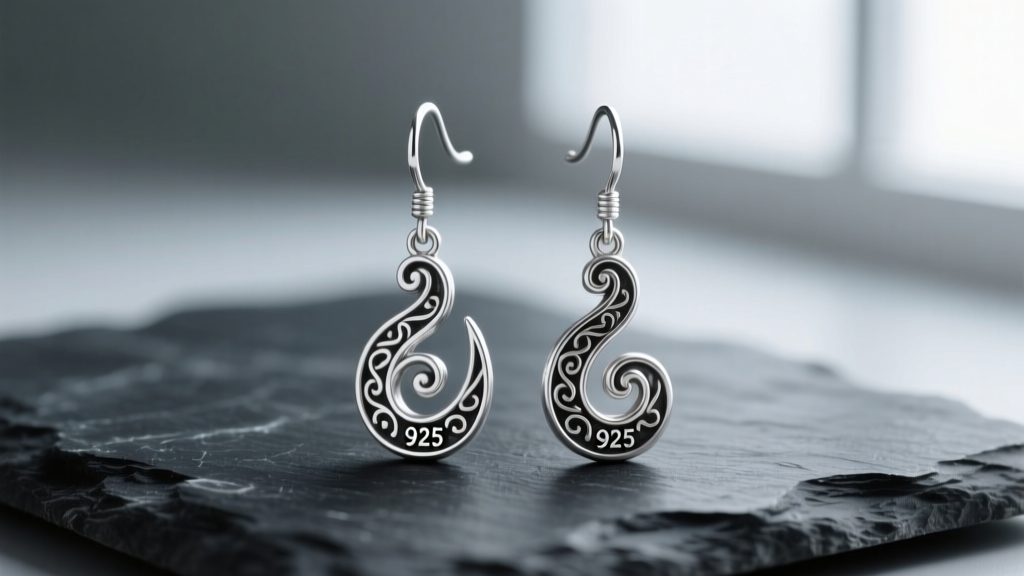
For decades, James Avery Artisan Jewelry has been a cornerstone of American craft jewelry, celebrated for its meaningful motifs and exceptional metallurgy. Among their most beloved and enduring designs are the James Avery scroll earrings. Inspired by classical architecture, natural vines, and historical filigree, the scroll motif represents continuity, elegance, and intricate craftsmanship. For beginners stepping into the world of artisan jewelry, understanding the nuances of these specific earrings—from metal treatments to structural weight—is essential for making an informed purchase.
Unlike mass-produced stamped jewelry, James Avery scroll designs are often cast using the lost-wax method, allowing for deep, three-dimensional crevices that catch the light and create dramatic shadows. This beginner-friendly explainer will decode the material science, sizing mechanics, and styling strategies you need to know before investing in your first pair of scroll earrings.
Decoding the Metals: Sterling Silver vs. 14k Gold
The foundation of any James Avery piece lies in its metallurgy. When browsing scroll earrings, you will primarily encounter two metal options, each requiring a different understanding of wear and care.
Oxidized Sterling Silver (.925)
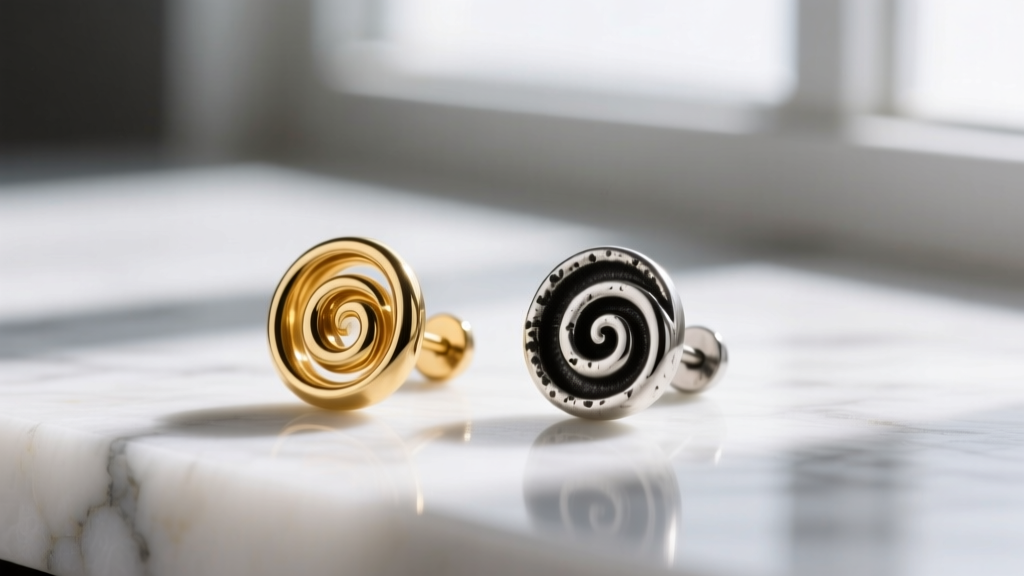
According to the Gemological Institute of America (GIA), sterling silver must contain exactly 92.5% pure silver and 7.5% alloy metals (usually copper) for durability. James Avery takes this a step further by applying a deliberate oxidation process. By exposing the finished silver to liver of sulfur (potassium sulfide), the brand darkens the recessed areas of the scrollwork. This creates a high-contrast, antiqued finish that makes the intricate filigree pop. The high points remain polished, while the deep grooves stay dark.
14k Yellow and White Gold
For those seeking a hypoallergenic, tarnish-resistant alternative, the 14k gold scroll earrings are cast in an alloy containing 58.5% pure gold. Because gold does not oxidize in the same manner as silver, the scrollwork relies entirely on physical depth and light reflection rather than chemical darkening to showcase its details. 14k gold is significantly harder than sterling silver, meaning the delicate scroll edges are slightly more resistant to scratching and bending over time.
Sizing, Gauge, and Comfort: What Beginners Must Know
A common beginner mistake is judging the size of scroll earrings purely by their millimeter dimensions. Because scrollwork features open spaces and jagged, organic edges, a 10mm scroll stud will appear visually larger and more complex than a 10mm plain silver dome. Furthermore, the physical weight of the metal used to create these 3D structures impacts how the earring sits on your earlobe.
| Style Variant | Typical Dimensions | Post Gauge | Recommended Backing | Visual Weight |
|---|---|---|---|---|
| Scroll Studs | 6mm - 12mm | 20-Gauge (0.81mm) | Standard Friction Back | Low to Medium |
| Scroll Drops / Dangles | 1.25" - 2.5" | 18-Gauge (1.02mm) | Jumbo Butterfly Clutch | Medium to High |
| Scroll Hoops / Huggies | 12mm - 25mm | Wire / Hinge | Click-Top / Snap Closure | Medium |
Pro-Tip for Drops: If you purchase the heavier scroll drop earrings, the standard friction back provided may not offer enough surface area to support the front-heavy design. Upgrading to a silicone jumbo earring back or a wide metal butterfly clutch will prevent the earring from drooping forward on your lobe.
Caring for Oxidized Sterling Silver Scroll Earrings
The most critical aspect of owning oxidized James Avery scroll earrings is understanding what not to do. Many beginners ruin the intentional antiquing within the first week of ownership by using improper cleaning methods.
- Avoid Liquid Silver Dips: Chemical dips (often containing thiourea) instantly strip all oxidation from silver. If you dip a scroll earring, the dark crevices will turn stark white, leaving the earring looking flat and washed out.
- Skip the Ultrasonic Cleaners: The high-frequency vibrations can sometimes loosen the structural integrity of delicate cast filigree over time, especially if the piece has experienced micro-fractures from daily wear.
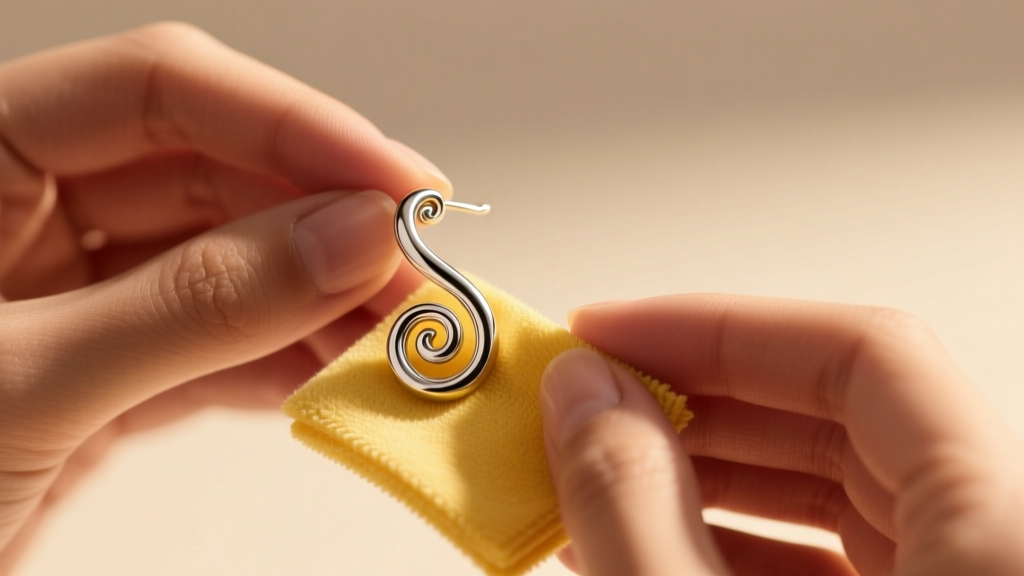
- Use a Polishing Cloth: As recommended by James Avery's official jewelry care guide, use a treated microfiber polishing cloth (like a Sunshine cloth). Gently rub only the raised, high points of the scrollwork. This maintains the bright shine on the edges while leaving the dark, oxidized silver untouched in the deep grooves.
Face Shape & Styling Matrix for Scroll Designs
Because scrollwork is inherently ornate and busy, it interacts with facial geometry differently than minimalist jewelry. Use this matrix to select the right scroll earring for your face shape:
The Golden Rule of Filigree: The more intricate the earring, the simpler your neckline and clothing patterns should be. Let the scrollwork be the focal point.
Round Faces
Best Choice: Scroll Drop Earrings. The vertical lines and elongated movement of a dangle earring help to visually lengthen a round face. Avoid large, wide scroll hoops, which can emphasize facial width.
Square Faces
Best Choice: Scroll Hoops or Huggies. The continuous curves of a scroll hoop soften the strong jawline and angular features associated with square face shapes. Medium-sized drops with rounded bottom edges also work beautifully.
Heart-Shaped Faces
Best Choice: Scroll Studs or Bottom-Heavy Drops. Heart shapes feature a wider forehead and a narrow chin. A detailed scroll stud draws attention upward to the eyes, while a teardrop-shaped scroll dangle adds necessary visual volume to the lower half of the face.
Oval Faces
Best Choice: Any style. Oval faces are proportionally balanced, meaning you can pull off the boldest, most oversized scroll dangles or the most intricate, wide scroll hoops without throwing off your facial harmony.
Authenticity and Sourcing: Avoiding Counterfeits
Due to the brand's immense popularity, counterfeit James Avery pieces frequently appear on secondary marketplaces. The Federal Trade Commission (FTC) strictly regulates precious metal stamping, and authentic James Avery scroll earrings will always bear specific hallmarks.
Look closely at the back of the earring post or the inside of the hoop clasp. You should see the "925" or "14K" purity stamp, alongside the "AVERY" or "JA" trademark stamp. Many vintage pieces will also feature a copyright symbol (©). If the scrollwork feels unusually lightweight, lacks deep oxidation in the crevices, or features a blurry, poorly struck hallmark, proceed with extreme caution. Always request macro-photography of the stamps when buying from independent resellers.
Final Thoughts on Investing in Artisan Jewelry
James Avery scroll earrings are more than just accessories; they are wearable sculptures that carry a legacy of American craftsmanship. By understanding the metallurgy of oxidized silver, respecting the gauge and weight requirements of your earlobes, and committing to proper, non-abrasive care routines, you ensure that your scroll earrings will remain a staple in your jewelry box for decades to come. Whether you choose a subtle 8mm stud for daily wear or a dramatic 2-inch oxidized drop for evening events, the scroll motif offers a timeless elegance that transcends passing trends.


