A Beginner's Guide to Safe Light Up Earrings in 2026
Discover everything about light up earrings in 2026. Learn about safe materials, battery types, gauge sizes, and how to protect your piercings from heat.

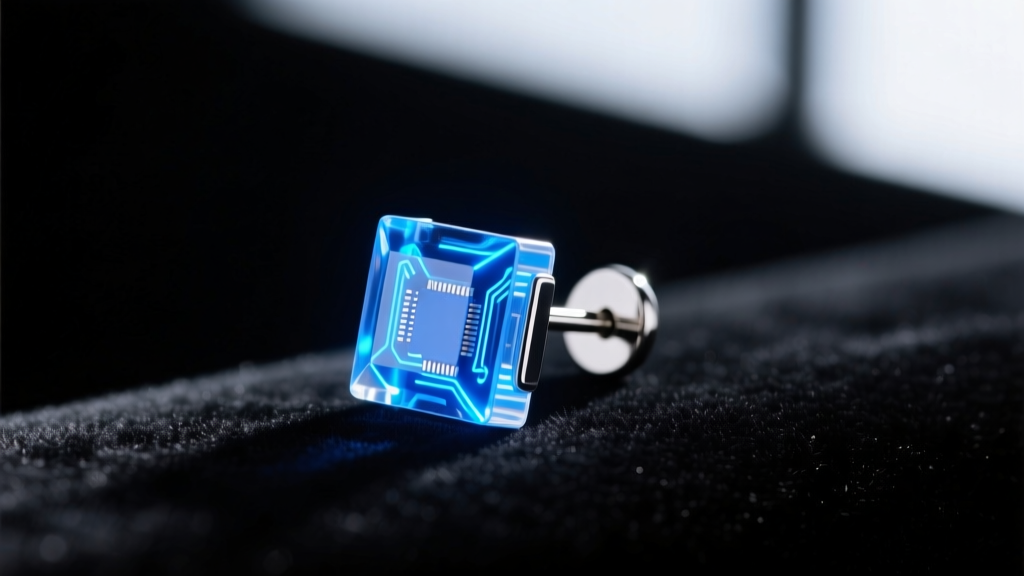
Welcome to the vibrant world of illuminated jewelry. If you are stepping into the accessory scene in 2026, you have likely noticed that light up earrings are no longer just cheap plastic novelties found at carnival booths or rave vendor stalls. Today, they are sophisticated, skin-safe, and highly engineered micro-wearables that blend fashion with functional technology. However, mixing electronics with body piercings introduces unique challenges regarding biocompatibility, heat dissipation, and weight distribution. This beginner-friendly explainer will decode the technology, safety standards, and styling mechanics of modern LED earrings, ensuring your lobes stay healthy while you shine.
The Anatomy of Modern Light Up Earrings
At their core, light up earrings are essentially miniaturized circuits designed to be worn on the human body. A standard illuminated stud consists of four primary components: the micro-LED diode, the power source, the conductive housing, and the diffuser cap. In 2026, the industry standard for the diode itself is the SMD (Surface Mount Device) 0603 LED, which measures a mere 1.5mm x 0.8mm. This microscopic size allows designers to embed the light source directly into the earring’s decorative face without adding excessive bulk or creating an uncomfortable protrusion against the ear.
The diffuser cap, typically molded from optical-grade acrylic or shatter-resistant polycarbonate, scatters the light evenly. This eliminates the harsh, blinding "hotspot" effect common in older, early-2010s models, replacing it with a soft, ambient glow that flatters the skin tone rather than overpowering it.
Material Safety: What Touches Your Piercing?
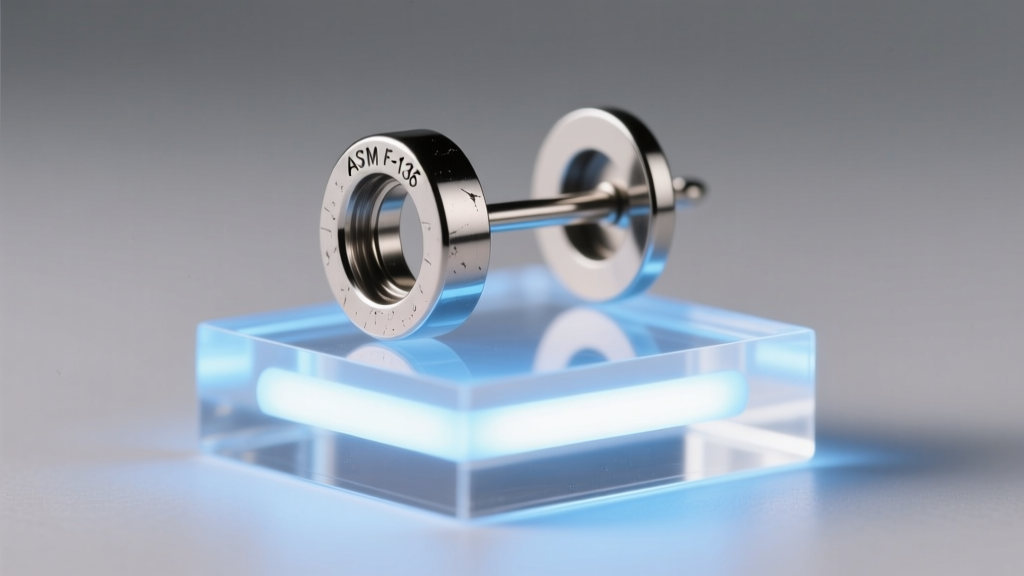
The most critical aspect of any earring is the material that passes through your fistula (the piercing channel). Many budget-friendly light up earrings use nickel-plated brass or low-grade stainless steel to conduct electricity from the battery to the LED. This is a recipe for contact dermatitis, allergic reactions, and delayed healing. According to the Association of Professional Piercers (APP), only specific grades of metal are safe for long-term wear in the body.
When shopping for illuminated jewelry, always look for posts made from ASTM F-136 implant-grade titanium. Titanium is highly biocompatible, non-magnetic, and crucially, it can act as a reliable conductor for low-voltage micro-circuits without oxidizing or leaching heavy metals into the skin. If you find a design you love that features a lower-grade metal housing for the LED, ensure the brand uses a "barrier post" system. In this setup, a titanium or 14k gold post connects to the electronic housing via a non-conductive, skin-safe silicone grommet, ensuring only safe metals touch your piercing.
Battery Technologies and Heat Management
Powering a wearable light source requires energy, and energy inherently generates heat. Early generations of LED jewelry suffered from poor thermal management, occasionally causing low-grade thermal burns to the earlobe after hours of continuous wear. Modern, high-quality light up earrings utilize micro-resistors to cap the voltage, ensuring the LED housing never exceeds a skin-safe temperature of 35°C (95°F).
Understanding the power source is vital for both safety and convenience. Below is a comparison of the most common battery types used in illuminated earrings today:
| Battery Type | Voltage | Lifespan | Heat Output | Rechargeable? |
|---|---|---|---|---|
| AG3 / LR41 Button Cell | 1.5V | 12-24 Hours | Low (with resistor) | No |
| CR927 Lithium Coin | 3.0V | 48+ Hours | Moderate | No |
| Micro Li-Po Pod | 3.7V | 6-8 Hours | Low (regulated) | Yes (USB-C) |
For beginners, earrings utilizing Micro Li-Po pods with magnetic USB-C charging contacts are highly recommended. They eliminate the need to constantly pry open tiny battery compartments, reducing the risk of damaging the earring's waterproof seals.
Gauge Sizes, Weight Distribution, and Lobe Health
Standard earlobe piercings are typically performed at 20G (0.81mm) or 18G (1.02mm). While a standard metal stud weighs roughly 0.5 to 1 gram, a fully assembled light up earring can weigh between 3.5 and 6 grams due to the battery, wiring, and acrylic housing. This constant downward drag can lead to "cheese-cutter" migration, where the jewelry slowly stretches and tears through the tissue over time.
To combat this, you must actively manage the weight distribution. Always use silicone support discs or transparent earlobe patches behind the earring back. These discs spread the 4-gram load across a wider surface area of the earlobe, preventing localized pressure necrosis. Furthermore, avoid sleeping in light up earrings; the rigid housing can press into the skin at awkward angles, causing cartilage bumps or lobe irritation.
Waterproofing, Storage, and Battery Safety
Water and electronics are natural enemies, but sweat and humidity are unavoidable when wearing jewelry. When evaluating water resistance, check the manufacturer's IPX rating. An IPX4 rating means the earrings can withstand sweat and light rain, making them suitable for festivals and dancing. However, an IPX7 rating is required if you want to safely submerge them in water for deep cleaning.
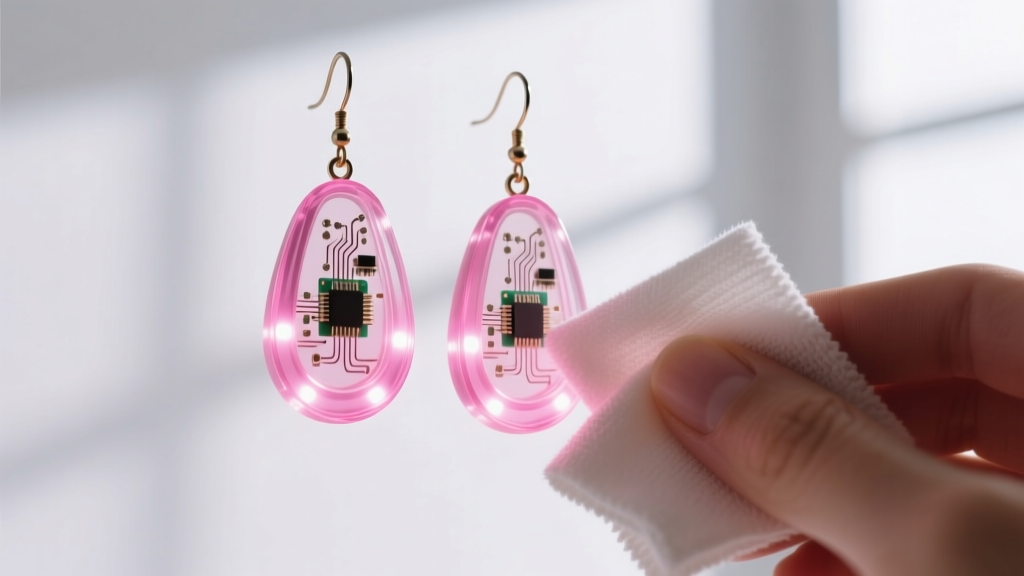
When cleaning non-waterproof LED earrings, never use alcohol-based solutions or ultrasonic cleaners, as these can degrade the acrylic diffusers and strip the waterproof nano-coatings. Instead, use a slightly damp microfiber cloth and a mild, fragrance-free antibacterial soap on the metal post only.
Finally, we must address household safety. The U.S. FDA strongly warns about the severe, life-threatening hazards of button batteries in households with small children. If your light up earrings use replaceable AG3 or CR927 coin cells, always store your spare batteries in secure, child-proof containers, and ensure the earring's battery compartment is secured with a micro-screw rather than a simple friction twist.
Styling Tips for Illuminated Jewelry
Wearing light up earrings in 2026 is all about subtlety and intentionality. For evening wear or professional-adjacent creative events, opt for micro-LED studs with a "pulse-width modulation" (PWM) feature, which allows you to dim the brightness via a discreet tap on the housing. This creates a soft, candlelight-like flicker rather than a distracting strobe effect. For clubbing or music festivals, fiber-optic hoops that channel light along the entire curve of the ear offer a stunning, futuristic silhouette without the heavy weight of multiple stud batteries. By prioritizing implant-grade materials, managing weight, and respecting the electronics, you can safely enjoy the cutting edge of illuminated fashion.


