The Earring Piercing Gun Buying Guide: Risks & Safe Alternatives
Discover the hidden risks of the earring piercing gun. Our 2026 buying guide covers tissue trauma, metal grades, and safe professional alternatives.

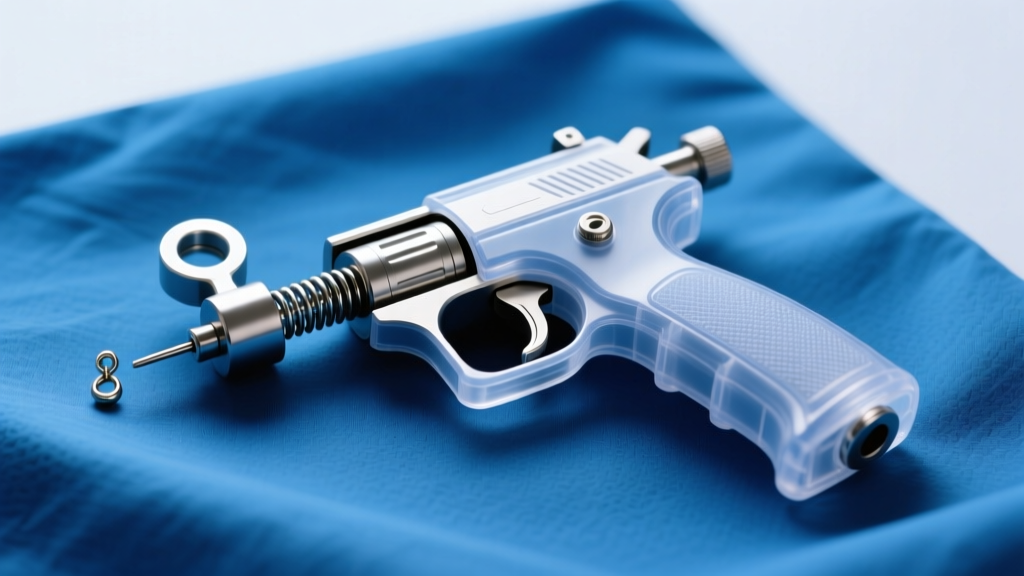
The Earring Piercing Gun: Convenience vs. Biological Reality
For decades, the earring piercing gun has been a staple of mall kiosks, jewelry stores, and home piercing kits. Marketed as a quick, relatively painless, and affordable way to get your ears pierced, these spring-loaded devices have become a cultural mainstay. However, as dermatological science and professional body modification standards have evolved, the consensus in 2026 is clear: the traditional spring-loaded earring piercing gun poses significant risks to tissue health, healing timelines, and long-term ear anatomy. If you are researching a buying guide for an earring piercing gun, it is critical to understand the biomechanics of how these devices operate, the metallurgy of the jewelry they use, and the safer alternatives available on the market today.
The Mechanics of Blunt Force Trauma
To make an informed purchasing decision, you must first understand the physics of the device. A traditional earring piercing gun does not actually "pierce" the skin in the medical sense. Instead, it relies on extreme blunt force trauma. The "needle" of a piercing gun is simply the sharpened tip of the earring stud itself. When the trigger is pulled, a spring-loaded mechanism drives this relatively blunt metal post through the earlobe at high velocity, crushing and tearing the tissue rather than slicing it cleanly.
This crushing action causes severe cellular damage and acoustic shockwaves that radiate through the ear. According to the Association of Professional Piercers (APP), this blunt force trauma leads to excessive swelling, prolonged healing times, and a higher likelihood of hypertrophic scarring. When you buy a spring-loaded gun, you are essentially purchasing a device designed to forcefully wedge metal through crushed flesh, which severely restricts lymphatic drainage and invites bacterial stagnation.
Metallurgy and the "Surgical Steel" Myth
One of the most critical factors in any piercing buying guide is the material grade of the jewelry. Most earring piercing guns come pre-loaded with studs marketed as "surgical stainless steel." In the jewelry industry, this typically refers to 316L stainless steel. While 316L is perfectly safe for external wear, it contains between 8% and 10% nickel to prevent corrosion. When driven through an open wound, the nickel is exposed directly to the bloodstream and healing tissue.
Nickel allergies affect approximately 15% to 20% of the global population, and a fresh piercing is the most common way to trigger a newly developed contact allergy. Furthermore, the surface finish of mass-produced gun studs is often microscopically rough, harboring bacteria and delaying the formation of a healthy fistula (the tube of healed tissue). In contrast, professional piercers utilize implant-grade titanium (ASTM F136) or solid 14k/18k nickel-free gold, which are entirely biocompatible and polished to a mirror finish to prevent tissue adhesion.
The Butterfly Clasp: A Design Flaw
The jewelry used in an earring piercing gun almost universally features a "butterfly" or "friction" back. This clasp design is fundamentally incompatible with the healing process. When an ear is subjected to blunt force trauma, it will inevitably swell. The butterfly clasp sits flush against the back of the earlobe, leaving zero room for expansion. As the ear swells, the metal post digs into the tissue, causing pressure necrosis (tissue death) and trapping dead skin cells, sebum, and bacteria in the tight crevices of the clasp.
Modern, safe piercing jewelry utilizes flat-back labret studs with internally threaded or threadless push-pin ends. These allow the piercer to leave a longer post to accommodate swelling, and the flat disc rests comfortably against the ear without creating pressure points or bacteria traps.
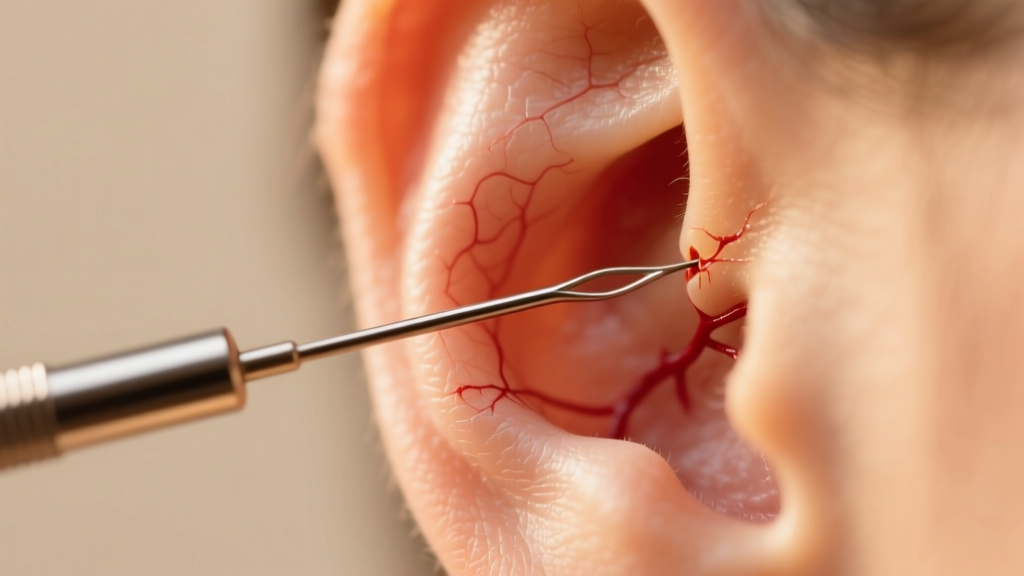
Comparing Piercing Methods: Gun vs. Hand-Press vs. Needle
If you are evaluating your options for getting pierced or buying a kit for a mobile business, it is essential to compare the three primary methods available in 2026. The following table breaks down the critical differences in tissue impact, sterilization, and jewelry quality.
| Feature | Spring-Loaded Gun | Hand-Press System (e.g., Studex 75) | Hollow Piercing Needle |
|---|---|---|---|
| Mechanism | Spring-driven blunt force | Manual hand pressure | Tri-bevel sharp slice |
| Tissue Impact | Crushes and tears tissue | Pushes tissue aside | Cleanly removes a crescent of tissue |
| Sterilization | Wipe-down only (plastic melts) | Single-use disposable cassette | Autoclaved (single-use) |
| Jewelry Grade | 316L Steel (contains nickel) | Medical-grade steel/titanium | ASTM F136 Titanium / Solid Gold |
| Gauge Size | 20G (0.8mm) - Too tight | 18G (1.0mm) - Standard | 16G (1.2mm) - Optimal for swelling |
As highlighted by U.S. Food and Drug Administration (FDA) guidelines regarding medical device sterilization, plastic piercing guns cannot be placed in an autoclave (the standard steam-sterilization machine that reaches 250°F). They will melt. Therefore, they are merely wiped down with chemical disinfectants between uses, which does not guarantee the elimination of bloodborne pathogens. Hand-press systems mitigate this by using fully disposable, pre-sterilized cassettes, making them a vastly superior choice for non-needle environments.
The Cartilage Catastrophe: Why Guns Should Never Touch the Upper Ear
While using an earring piercing gun on the soft tissue of the earlobe is highly discouraged by medical professionals, using one on the auricular cartilage (the upper ear, helix, or tragus) is exceptionally dangerous. Cartilage is avascular, meaning it has no direct blood supply. It relies on the surrounding perichondrium for nutrients and immune response.
The acoustic shockwave and crushing force of a spring-loaded gun can literally shatter the cartilage plate. This leads to severe complications such as perichondritis (a painful infection of the cartilage tissue), abscesses, and auricular hematoma. If left untreated, the cartilage can necrotize and collapse, resulting in a permanent cosmetic deformity known as "cauliflower ear." No reputable professional will ever use a gun for cartilage; a hollow needle is the only safe instrument for these dense tissue areas.
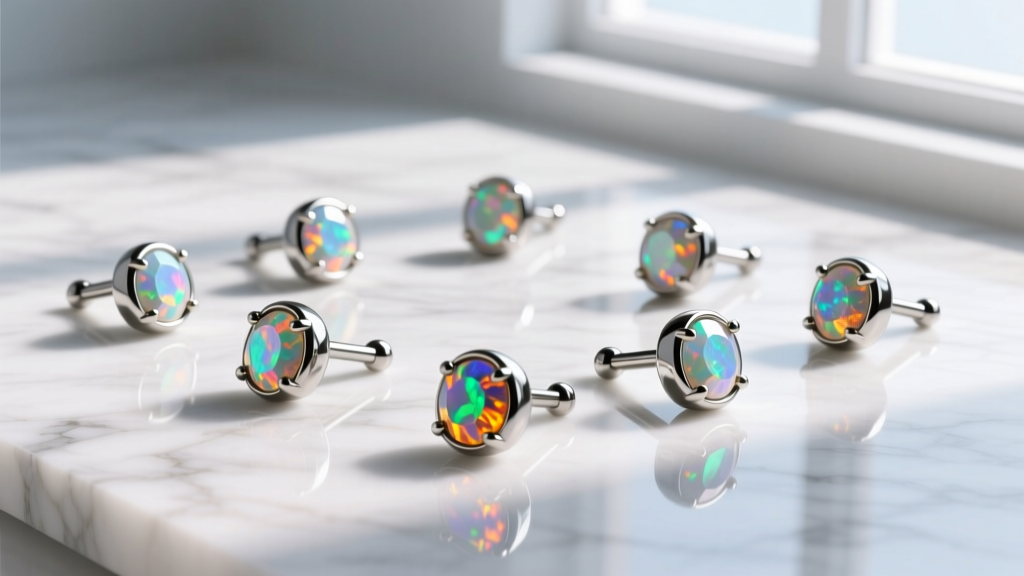
What to Buy Instead: Safe Alternatives for 2026
If you are a consumer looking to buy a piercing kit for home use, or a boutique owner looking to offer ear piercing services, abandon the traditional spring-loaded earring piercing gun entirely. Instead, invest in the following safe alternatives:
- Single-Use Hand-Press Systems: Brands like Blomdahl Medical and Studex System 75 offer hand-pressured devices that use medical-grade, pre-sterilized disposable cassettes. They rely on the operator's hand pressure rather than a violent spring, significantly reducing tissue trauma and acoustic shock.
- Professional Piercing Needles: If you are trained in aseptic technique, purchasing single-use, tri-bevel hollow needles (16G for lobes, 14G for cartilage) is the gold standard. Pair these with internally threaded, implant-grade titanium flat-back labrets.
- Aftercare Solutions: Skip the harsh alcohol and hydrogen peroxide bundles that often come with gun kits. Purchase sterile, isotonic saline wound wash (0.9% sodium chloride with no additives) to promote a moist, healthy healing environment.
Final Verdict: Invest in Tissue Health
The initial appeal of the earring piercing gun lies in its low cost and widespread availability. However, the hidden costs—ranging from severe nickel allergies and chronic infections to permanent cartilage deformities—far outweigh the upfront savings. When evaluating a buying guide for ear piercing tools, prioritize biological safety over mechanical convenience. By opting for single-use hand-press systems or seeking out a certified professional who uses hollow needles and implant-grade titanium, you ensure that your ear piercing journey is safe, hygienic, and optimized for flawless healing.


