The Ultimate Beginner Guide to Buying Stone Chip Earrings
Discover everything about stone chip earrings. Learn how to choose genuine gems, pick safe metal settings, and style them for your unique ear anatomy.

The jewelry market has seen a massive shift toward organic, earthy aesthetics, and stone chip earrings are at the absolute center of this movement. Unlike perfectly faceted gemstones that are cut to maximize light refraction, stone chips celebrate the raw, unpolished, and beautifully imperfect nature of natural minerals. Whether you are looking to adorn a standard lobe piercing or add a touch of grounded energy to a healed cartilage placement, understanding how these unique pieces are crafted, priced, and fitted is essential for any jewelry beginner.
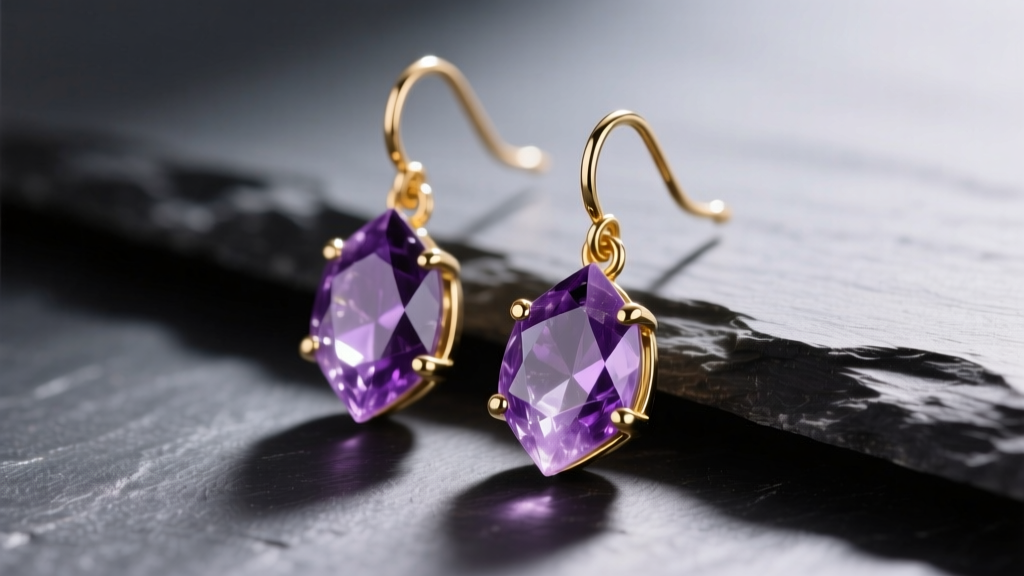
What Exactly Defines a Stone Chip Earring?
In the lapidary world, a "chip" refers to a small, irregularly shaped fragment of a gemstone. These are typically byproducts of larger stone cutting, or they are intentionally tumbled to smooth out sharp edges while retaining an organic, asymmetrical silhouette. According to the Gemological Institute of America (GIA), the natural inclusions, color banding, and matrix variations in these rough stones are what give them their distinct character.
When adapted into earrings, these chips are usually secured in one of two ways:
- Wire-Wrapping: A jeweler uses thin gauge wire (often 24G or 26G dead-soft gold-filled or sterling silver) to cage the stone and attach it to an ear wire. This method is lightweight and highlights the stone's raw edges.
- Bezel or Prong Settings: The chip is seated into a metal cup or held by tiny metal claws. This offers more security but slightly obscures the natural shape of the stone.
The Gemstone Authenticity Matrix: Genuine vs. Imitation
One of the biggest pitfalls for beginners is purchasing dyed or synthetic stones marketed as natural chips. Because chips are relatively inexpensive to produce, they are frequently counterfeited using dyed howlite, glass, or resin. Use the comparison chart below to navigate the market with confidence.
| Stone Category | Common Materials | Average Price Range | Visual Clues & Durability |
|---|---|---|---|
| Natural Genuine | Amethyst, Rose Quartz, Lapis Lazuli, Turquoise | $18 – $45 | Visible internal fractures, uneven color distribution, cool to the touch. |
| Lab-Created | Synthetic Opal, Hydrothermal Emerald | $25 – $60 | Flawless clarity, highly uniform color, identical chemical makeup to natural. |
| Dyed Imitation | Dyed Howlite (sold as Turquoise), Dyed Quartz | $8 – $15 | Color pools in the crevices of the chip, scratches easily to reveal white base. |
| Glass / Resin | Fused glass, epoxy resin molds | $5 – $12 | Warm to the touch, perfectly smooth edges, may contain artificial bubbles. |
Metal Matters: Avoiding Contact Dermatitis
The stone might be the star of the show, but the metal stem passing through your piercing dictates your ear's health. The term "hypoallergenic" is largely an unregulated marketing buzzword. If you have sensitive ears or are healing a new piercing, you must look for specific metallurgical grades.
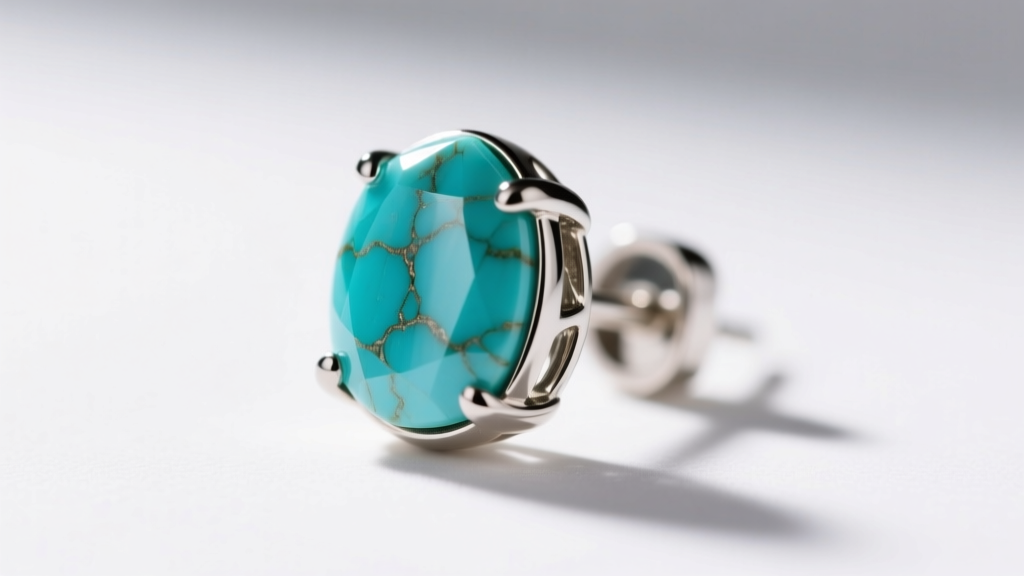
The Association of Professional Piercers (APP) strictly recommends specific materials for body jewelry to prevent nickel contact dermatitis and heavy metal toxicity. When buying stone chip earrings, always verify the metal of the post or wire:
- Implant-Grade Titanium (ASTM F136): The gold standard for sensitive ears. It is completely nickel-free, lightweight, and will not react with the body's pH.
- Solid 14k or 18k Gold: Excellent for long-term wear, provided it is alloyed with biocompatible metals like silver or copper, not nickel.
- Niobium: A highly reactive metal that is anodized to create vibrant colors without using paints or dyes. Perfect for wire-wrapped stone chips.
- Metals to Avoid: "Tibetan Silver," "Alpaca," and cheap brass alloys. These often contain high levels of nickel, lead, or cadmium, which can cause severe allergic reactions and discolor your skin.
Weight and Gauge: Lobe vs. Cartilage Placement
Stone chips vary wildly in weight and stem thickness. Placing the wrong earring in the wrong piercing can lead to migration, tearing, or the "cheese-cutter effect," where a heavy earring on a thin wire slowly slices through your earlobe tissue.
Standard Lobe Piercings
Most standard lobe piercings heal at 20-gauge (0.81mm) or 18-gauge (1.02mm). If you are buying dangling stone chip earrings, ensure the ear wire is no thicker than 18G. Furthermore, keep the total weight of the chip under 4 grams to prevent lobe stretching over time. If you prefer a heavier, larger statement chip, opt for a lever-back closure that distributes the weight more evenly across the lobe.
Cartilage Piercings (Helix, Tragus, Conch)
Cartilage is denser and typically pierced at 16-gauge (1.29mm) or 18-gauge. Stone chip studs designed for cartilage usually feature a flat-back labret post. Because cartilage cannot handle the pendulum motion of a dangling earring, always choose bezel-set or tightly wire-wrapped chips that sit flush against the ear. A 3mm to 5mm chip is the ideal visual proportion for a helix placement without causing hair-snagging.

How to Style Stone Chips for Your Face Shape
Because stone chips are asymmetrical, they offer a unique styling advantage: they soften harsh angles and add organic texture to your overall look.
- Round Faces: Opt for elongated, teardrop-shaped stone chips that dangle 1.5 to 2 inches below the lobe. Stones like clear quartz or moonstone catch the light and draw the eye downward, creating an illusion of length.
- Square Faces: Choose softer, rounded tumbled chips in warm tones like rose quartz or carnelian. Avoid sharp, geometric wire-wrapping that mimics the angularity of your jawline.
- Heart-Shaped Faces: Balance a narrower chin with wider, cluster-style stone chip earrings or chips wrapped in a horizontal, fan-like wire design.
- Stacking Strategy: Stone chip drops look incredibly grounded when paired with minimalist, high-polish gold huggies in the upper lobe or cartilage. The contrast between the raw, matte texture of the stone and the reflective metal creates a curated, modern ear stack.
Care and Maintenance: The Mohs Scale Reality
Beginners often treat all gemstones equally, tossing them into ultrasonic cleaners or leaving them in direct sunlight. This is a fast track to ruining your jewelry. You must understand the Mohs Hardness Scale to properly care for your stone chip earrings.
The Golden Rule of Stone Care: Never use an ultrasonic cleaner on porous or low-Mohs stones. The high-frequency vibrations can easily shatter internal fractures inherent in raw chips.
Low Hardness Stones (Mohs 3 to 5): Materials like turquoise, malachite, lapis lazuli, and opal are highly porous and soft. They should never be exposed to lotions, perfumes, or prolonged water submersion, which can alter their color or cause the matrix to crack. Clean them only with a dry, soft microfiber cloth.
High Hardness Stones (Mohs 6.5 to 8): Quartz varieties (amethyst, citrine, rose quartz) and beryl are much more durable. You can gently clean these chips using a soft-bristled baby toothbrush, warm water, and a drop of mild, fragrance-free dish soap. However, keep amethyst and rose quartz out of prolonged, direct UV sunlight, as their natural irradiation colors will fade to a dull gray over time.
By understanding the lapidary origins, metallurgical requirements, and anatomical placements of stone chip earrings, you can build a jewelry collection that is not only visually striking but also safe, comfortable, and built to last a lifetime.


