The Glinda Bird Earrings Trend: 2026 Avian Jewelry Analysis
Discover the 2026 Glinda bird earrings trend. Explore avian-inspired dangles, material grades, weight distribution, and how to style these whimsical pieces.

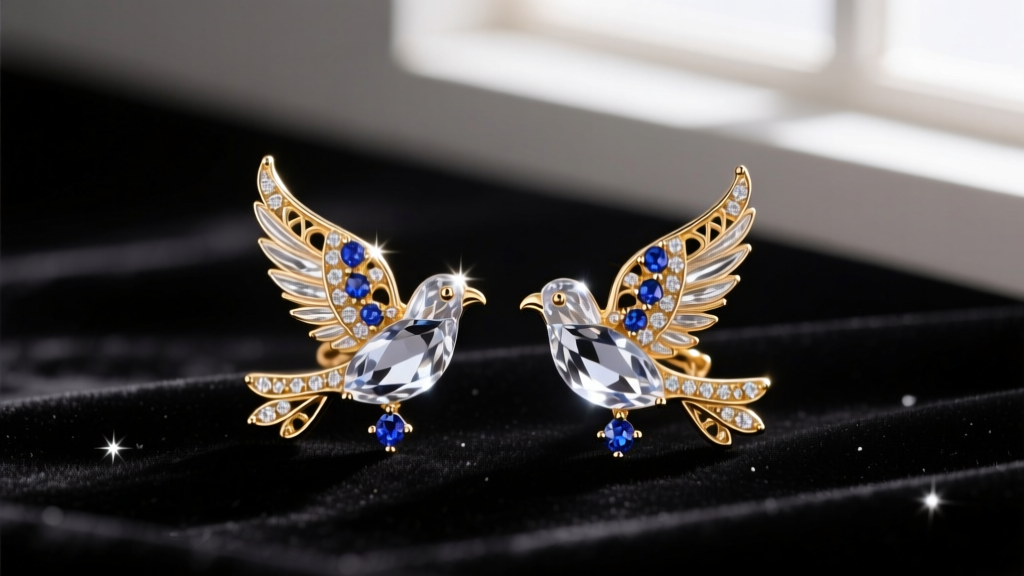
The Genesis of the Glinda Bird Earrings Trend
As we navigate the 2026 jewelry landscape, the industry is experiencing a definitive pivot away from the stark minimalism of 'quiet luxury' toward a movement best described as Cinematic Whimsy. At the absolute epicenter of this shift are the Glinda bird earrings—an ornate, avian-inspired category of dangle and drop earrings that channel ethereal, theatrical elegance. Drawing heavy influence from the 'good witch' archetype, characterized by light, flight, and crystalline motifs, these pieces typically feature doves, swans, swallows, or phoenixes rendered in articulated metalwork and pavé gemstones.
The resurgence of avian motifs is not entirely unprecedented. According to the Victoria and Albert Museum's archives on Art Nouveau jewelry, bird motifs were a staple of the late 19th and early 20th centuries, championed by master jewelers like René Lalique who utilized plique-à-jour enamel to mimic the translucent wings of dragonflies and swallows. Today's Glinda bird earrings modernize this heritage. They marry the romanticism of Art Nouveau with contemporary demi-fine manufacturing techniques, resulting in pieces that feel both historically grounded and freshly magical. In 2026, wearing a pair of crystalline dove dangles is less about costume and more about embracing romantic maximalism in everyday wardrobes.
Anatomical Breakdown: Materials, Gauges, and Weight
The primary challenge with any statement dangle earring is balancing visual impact with physical comfort. The Glinda bird earrings trend has forced jewelry designers to innovate in metallurgy and structural engineering, as the intricate wing spans and gemstone halos add significant mass to the earlobe.
Metal and Gemstone Specifications
Authentic, high-quality iterations of this trend rely heavily on 18k gold vermeil over a 925 sterling silver base. The Federal Trade Commission's Jewelry Guides stipulate strict standards for metal plating, and top-tier designers in the 2026 market are ensuring a minimum gold thickness of 2.5 microns to prevent the rapid wear-through that plagues fast-fashion alternatives. For the 'feathers' and crystalline accents, the industry has largely adopted lab-created white sapphires and ethically sourced rock crystal. As noted by the Gemological Institute of America (GIA), lab-created sapphires offer the exact same optical and physical properties as mined stones, providing the high refractive index necessary to capture light during movement without the ethical or financial overhead.
| Material Tier | Base Metal | Embellishment | Price Range | Weight per Earring |
|---|---|---|---|---|
| Entry Demi-Fine | 925 Silver (Rhodium) | CZ, Cold Enamel | $85 - $140 | 8g - 11g |
| Mid-Tier Vermeil | 18k Vermeil (2.5µm) | Lab Sapphire, Guilloché | $180 - $320 | 12g - 16g |
| Fine Artisan | 14k/18k Solid Gold | Plique-à-jour, Diamonds | $1,200 - $4,500 | 14g - 22g |
Structural Integrity: Wire Gauges and Earlobe Health
A critical, often overlooked aspect of the Glinda bird earrings trend is the wire gauge used for the ear wire. Standard fashion earrings typically utilize 20-gauge (0.81mm) wire. However, a fully articulated, gemstone-set bird dangle can easily weigh between 14 and 18 grams. Hanging 18 grams on a 20-gauge wire creates a 'cheese-cutter' effect, which will slowly stretch and damage the earlobe piercing over time.
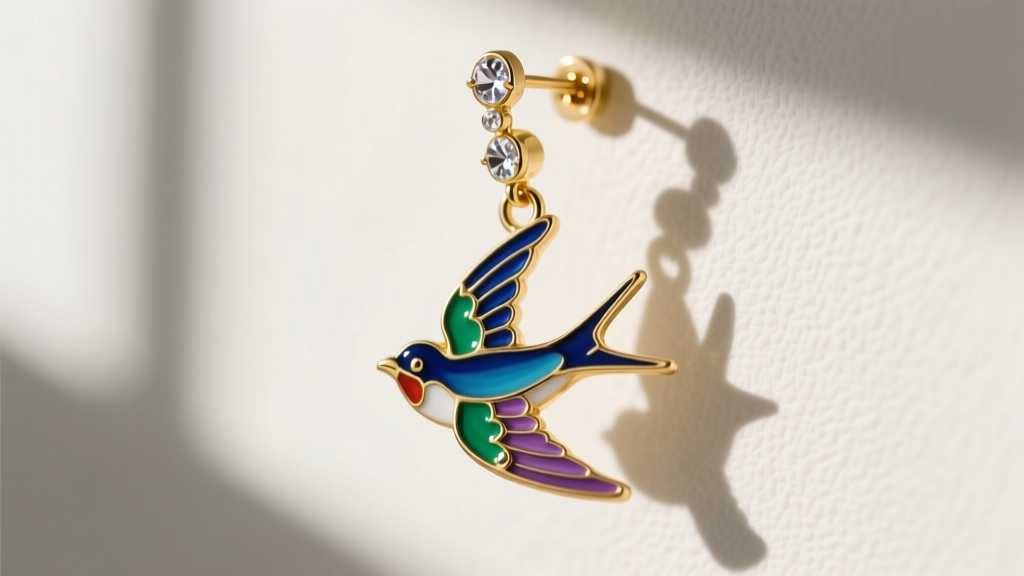
For 2026, reputable jewelers are engineering these specific avian dangles with 18-gauge (1.02mm) or 16-gauge (1.29mm) French hooks. Furthermore, the most ergonomic designs employ a hinged leverback closure or an omega-back clip mechanism. This secures the earring's center of gravity directly over the piercing hole, preventing the bird motif from tilting forward and pulling the lobe downward. When shopping, always check the product specifications for the wire gauge; if it is not listed and the earring is heavy, proceed with caution.
Face Shape and Proportion Matrix
Because Glinda bird earrings are inherently sculptural and often feature wide wingspans or elongated tail feathers, selecting the correct avian species and silhouette for your face shape is crucial for achieving harmony rather than visual overwhelm.
- Round Faces: Opt for elongated, vertical silhouettes like a diving swallow or a standing heron. The sharp, downward angles of the tail feathers create an optical illusion that lengthens the face and draws the eye vertically, countering the width of the cheekbones.
- Square Faces: Choose curved, sweeping motifs such as a dove in mid-flight or a swan with an arched neck. The soft, rounded lines of the wings and the halo of pavé crystals help to soften a strong, angular jawline.
- Heart-Shaped Faces: Look for teardrop-shaped designs or a phoenix with a wide, fanned tail at the bottom. This adds visual weight and width to the lower half of the face, balancing a narrower chin and wider forehead.
- Oval Faces: The universal canvas. Oval faces can carry the most dramatic, wide-winged raptor or falcon designs. However, mid-sized articulated pieces that sit exactly at the jawline offer the most elegant, balanced proportion.
Styling the Avian Dangle: 2026 Wardrobe Integration
The magic of the Glinda bird earrings lies in their versatility. While they originate from a place of theatrical whimsy, the 2026 styling ethos relies on high-contrast juxtaposition. Wearing these earrings with a literal fairy-tale gown relegates them to costume jewelry. Instead, the modern approach is to pair them with severe, structured tailoring.
'The true power of romantic maximalism in 2026 is found in tension. Pairing an intricate, light-catching crystal dove earring with a sharp, charcoal wool blazer and a crisp poplin shirt elevates the jewelry from mere accessory to a focal point of intellectual fashion.' — Elara Vance, Senior Trend Forecaster at JewelStyleRadar
For evening wear, the articulated wings of the bird motifs are designed to catch ambient light. If you are wearing a high-necked garment or a structured halter top, sweep your hair into a sleek, low chignon. This exposes the neck and ensures the intricate metalwork and guilloché enamel of the earrings are not tangled in your hair, allowing the mechanical articulation of the wings to move freely as you turn your head.
Authenticity vs. Fast Fashion: What to Look For
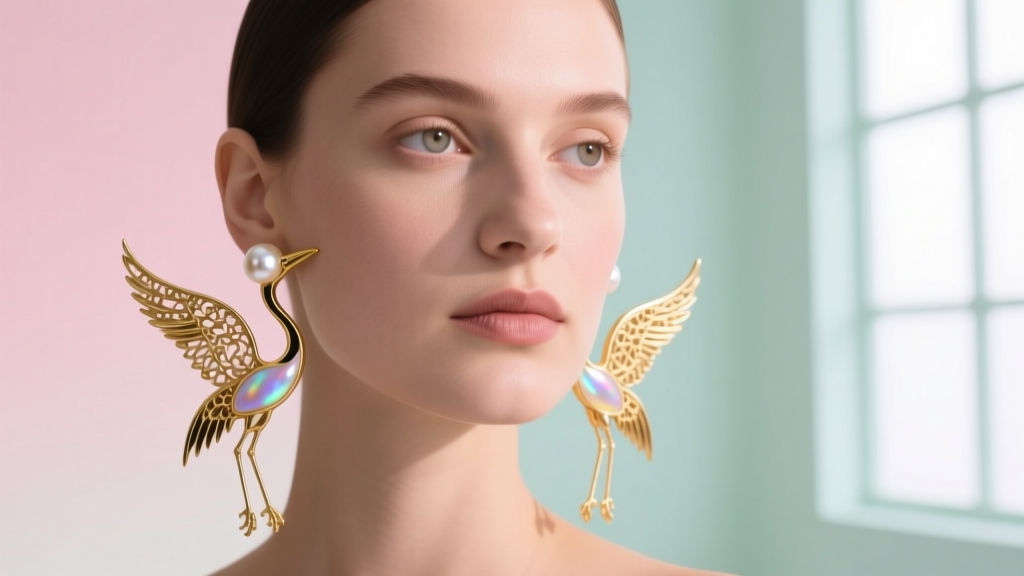
As with any viral jewelry trend, the market is currently flooded with mass-produced, low-quality knockoffs. To ensure your Glinda bird earrings are an investment rather than a disposable accessory, inspect the articulation points. High-quality artisan pieces use micro-jump rings that are soldered closed or seamlessly laser-welded at the wing joints. Fast-fashion versions will simply use unsoldered, split jump rings that will inevitably pull apart under the weight of the metal, causing the wings to detach and the stones to fall out.
Additionally, examine the backing of the enamel work. True guilloché or plique-à-jour enamel will have a textured, metallic backing that catches the light through the translucent glass-like enamel. Cheap alternatives use 'cold enamel' (essentially colored epoxy resin), which looks flat, plasticky, and will yellow or chip within a few months of regular wear.
Final Verdict on the Avian Resurgence
The Glinda bird earrings trend represents a much-needed return to joy, narrative, and intricate craftsmanship in the jewelry sector. By understanding the structural requirements—heavier wire gauges, proper weight distribution, and high-quality vermeil or solid gold bases—collectors can embrace this whimsical aesthetic without sacrificing earlobe health or long-term durability. Whether you choose a subtle, pearl-accented swallow for daily office wear or a dramatic, sapphire-encrusted phoenix for gala events, the avian dangle is firmly established as a defining silhouette of 2026 jewelry design.


