Beginner's Guide to Buying Authentic Red Diamond Earrings
Discover everything about red diamond earrings. Learn the differences between natural, treated, and lab-grown stones, pricing, and buying tips.

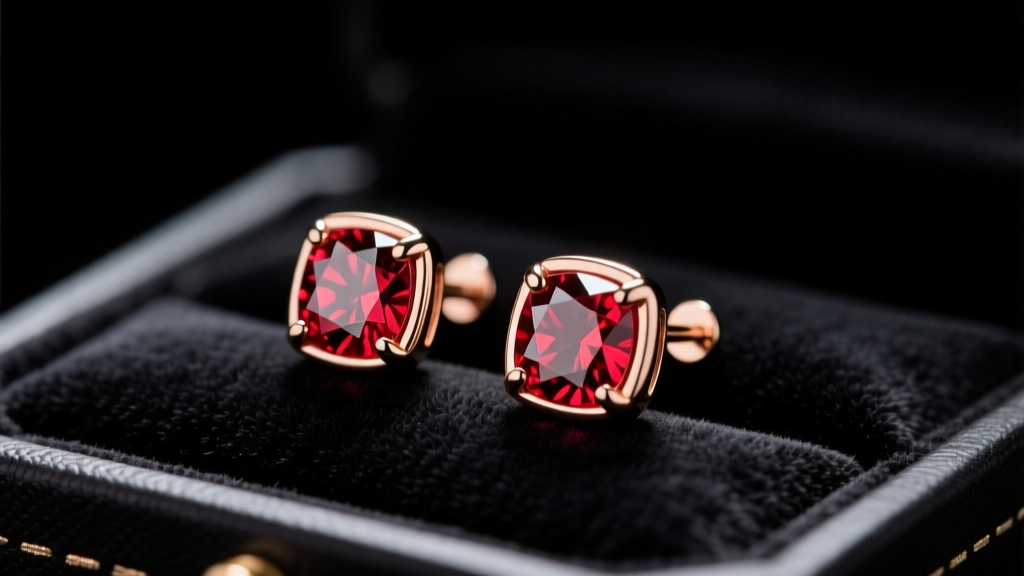
The Allure of Red Diamond Earrings: Why They Captivate
When it comes to rare gemstones, few can rival the mystique and exclusivity of natural red diamonds. For jewelry collectors and enthusiasts, red diamond earrings represent the pinnacle of luxury and scarcity. Unlike yellow or blue diamonds, which owe their hues to chemical impurities like nitrogen or boron, pure red diamonds get their color from a rare phenomenon called plastic deformation. This occurs when the diamond's crystal lattice structure is subjected to immense pressure and stress during its journey to the Earth's surface, altering how light passes through the stone.
Because of this geological anomaly, natural fancy red diamonds are exceptionally rare. In fact, the Natural Color Diamond Association notes that pure red diamonds without secondary hues (like brown or purple) are among the rarest gems on the planet. For beginners stepping into the high-end jewelry market, understanding the nuances of these stones is critical before making a significant investment in a pair of red diamond earrings.
Understanding the Spectrum: Natural, Treated, and Lab-Grown
As a beginner, the most crucial lesson is recognizing that not all red diamonds are created equal. The market is segmented into three distinct categories, each with vastly different price points and value propositions.
1. Natural Fancy Red Diamonds
These are mined from the earth and possess their red color naturally. The vast majority of the world's natural red diamonds originated from the Argyle Mine in Western Australia, which famously ceased operations in 2020. This closure has severely restricted the global supply, causing prices for natural red diamond earrings to skyrocket. The Gemological Institute of America (GIA) grades these stones on a scale of Fancy Light, Fancy, Fancy Intense, and Fancy Vivid. Pure red is the most valuable, though purplish-red and brownish-red are more commonly found.
2. Irradiated and Treated Red Diamonds
Treated red diamonds are 100% natural earth-mined diamonds that have undergone High Pressure High Temperature (HPHT) treatment or irradiation to enhance or alter their color. While they are genuine diamonds, their color is not natural. These are an excellent entry point for buyers who want the prestige of a natural diamond but cannot afford the astronomical prices of untreated fancy vivid reds. However, they must be disclosed as treated, and their resale value is a fraction of their natural counterparts.
3. Lab-Grown Red Diamonds
Created in controlled laboratory environments using Chemical Vapor Deposition (CVD) or HPHT methods, lab-grown red diamonds are chemically, physically, and optically identical to mined diamonds. They offer a budget-friendly alternative for those who want large carat sizes and vivid saturation without the ethical concerns or financial burden of mining. They are an increasingly popular choice for fashion-forward red diamond earrings.
The Pricing Reality: What to Expect in the Current Market
Pricing for red diamond earrings is notoriously complex because color saturation, tone, and secondary hues drastically affect the value. Below is a comparative breakdown to help you set realistic budget expectations.
| Diamond Type | Average Price Per Carat | Color Stability | Investment Potential |
|---|---|---|---|
| Natural Fancy Vivid Red | $1,000,000 - $2,500,000+ | Permanent | Exceptional (Appreciating) |
| Natural Fancy Brownish-Red | $150,000 - $400,000 | Permanent | High |
| Irradiated / Treated | $1,500 - $5,000 | Permanent (usually) | Low (Depreciates) |
| Lab-Grown Red | $800 - $2,000 | Permanent | None (Retail value only) |
Note: Earrings require two matching stones, which commands a premium. Finding two natural red diamonds with identical hue, tone, and saturation is incredibly difficult, often adding a 20% to 40% 'matching premium' to the total cost.
Choosing the Right Metal and Setting
The metal you choose for your red diamond earrings will significantly influence how the gemstones appear to the naked eye.
- 18k Rose Gold: This is the premier choice for red diamonds. The copper alloys in rose gold naturally reflect and amplify the warm, crimson tones of the diamond, making even a 'Fancy' grade stone appear more saturated.
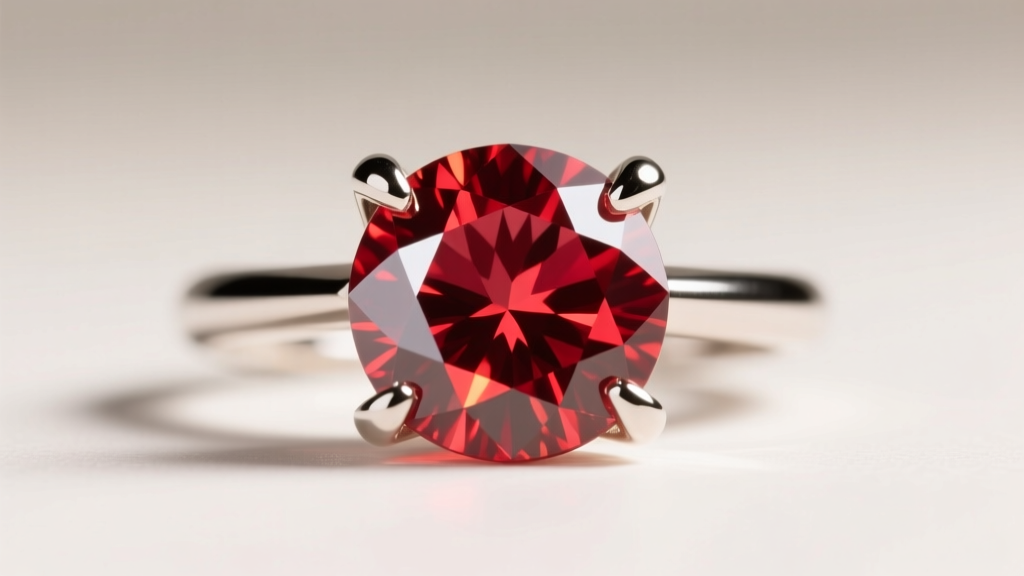
- Platinum or White Gold: These white metals provide a stark, high-contrast backdrop. While they offer a modern, icy aesthetic, they do not enhance the red hue and may make lighter red stones look slightly washed out or pinkish.
- Yellow Gold: A classic choice that adds warmth, though it can sometimes blend too much with brownish-red secondary hues, muddying the stone's visual clarity.
For settings, bezel settings are highly recommended for high-value natural red diamonds. Because these stones are so rare, protecting the girdle (the outer edge) from chipping is paramount. If you prefer maximum light return, a four-prong setting in platinum with a rose gold basket underneath offers the best of both security and color enhancement.
Essential Buying Checklist for Beginners
Navigating the colored diamond market requires diligence. Never purchase high-end red diamond earrings without verifying the following:
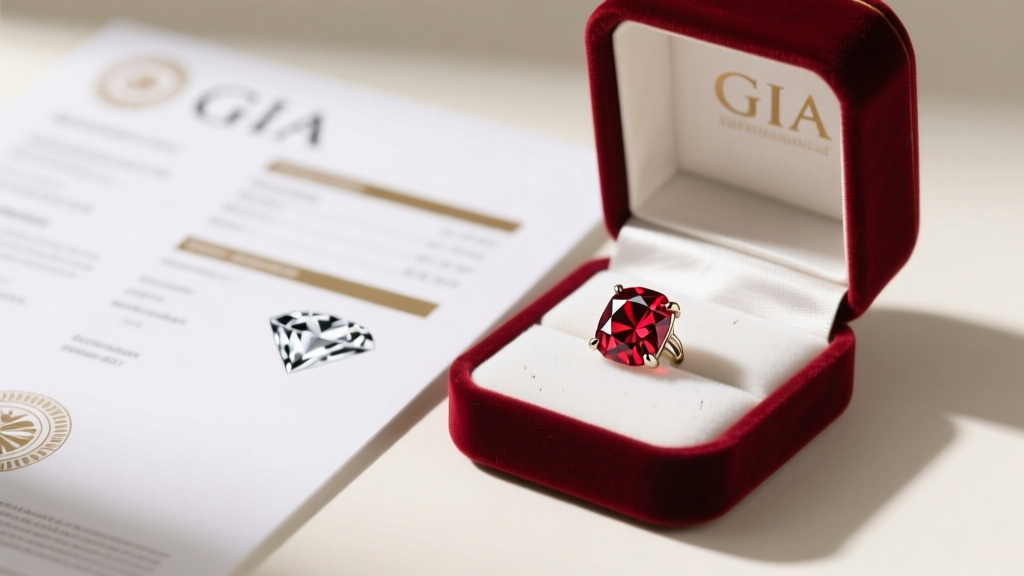
- Demand a GIA Origin Report: For natural stones, the GIA is the undisputed authority. Ensure the report explicitly states the origin of the color as 'Natural'. If it says 'Treated' or 'Irradiated', the value drops exponentially.
- Check for Clarity Enhancements: Some treated diamonds are also fracture-filled to improve clarity. Fracture-filled diamonds cannot be cleaned in ultrasonic machines and are highly sensitive to heat from a jeweler's torch during resizing or repairs.
- Evaluate the Cut for Color, Not Brilliance: Unlike white diamonds, which are cut to maximize sparkle (brilliance), fancy color diamonds are cut to maximize color saturation. Do not penalize a red diamond for having a slightly asymmetrical cut or a deeper pavilion; these are intentional choices by the lapidary to deepen the red hue.
- Verify the Return Policy: Colored diamonds look vastly different under various lighting conditions. Always buy from a jeweler who offers a minimum 14-day inspection period so you can view the earrings in natural daylight and warm indoor lighting.
Caring for Your Red Diamond Studs
While diamonds rank a 10 on the Mohs hardness scale, making them resistant to scratching, they are not indestructible. They possess cleavage planes that can cause them to chip if struck at the right angle. Clean your red diamond earrings using a simple solution of warm water and mild dish soap, gently scrubbing with a soft-bristled baby toothbrush. Avoid harsh chemicals, and if your stones are fracture-filled or treated, strictly avoid ultrasonic and steam cleaners, as the vibrations and heat can alter the treatment or shatter the stone. Store them in a fabric-lined jewelry box, separated from other pieces, to prevent the diamonds from scratching your other precious metals and gems.


