Bilingual Buying Guide: Spanish for Earrings & Silver Terms
Master the essential Spanish for earrings before your next trip. Learn regional terms, metal hallmarks, and buying phrases for Spain and Latin America.

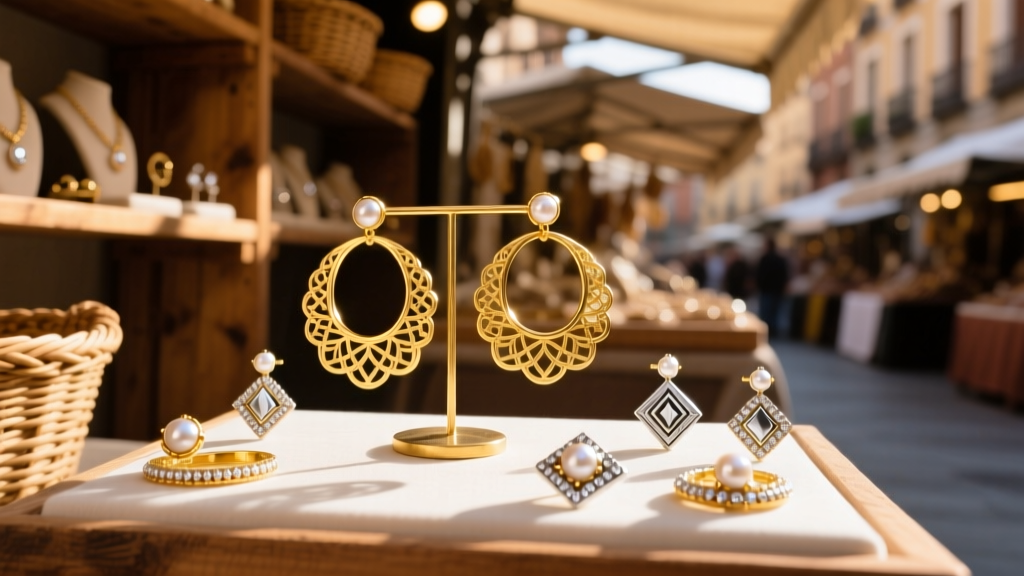
Whether you are navigating the bustling artisan markets of Oaxaca, browsing the elegant vitrines on Calle Mayor in Madrid, or shopping online from Latin American silversmiths, knowing the correct terminology is your best defense against tourist markups and counterfeit metals. If you have ever searched for the Spanish for earrings before a trip abroad, you likely encountered a wall of conflicting translations. The truth is, jewelry vocabulary shifts dramatically across the Spanish-speaking world, and misunderstanding a single word can mean the difference between buying solid sterling silver and plated base metal.
This 2026 bilingual buying guide goes far beyond basic translations. We break down regional dialects, decode strict European and Latin American metal hallmarks, and provide the exact phrases you need to negotiate, verify authenticity, and secure the perfect pair of earrings with confidence.
The Core Vocabulary: Translating Earring Styles
The direct translation for earrings depends heavily on your geographic location. In Spain, the universal term is pendientes. However, across Latin America, aretes is the dominant word. Below is a comprehensive breakdown of how to ask for specific earring styles across different regions.
| English Style | Spain (Peninsular) | Latin America (Regional) | Notes & Nuances |
|---|---|---|---|
| Stud Earrings | Pendientes de botón | Topos, Chapas, Puntos | Topos is widely used in Mexico for small, round studs. |
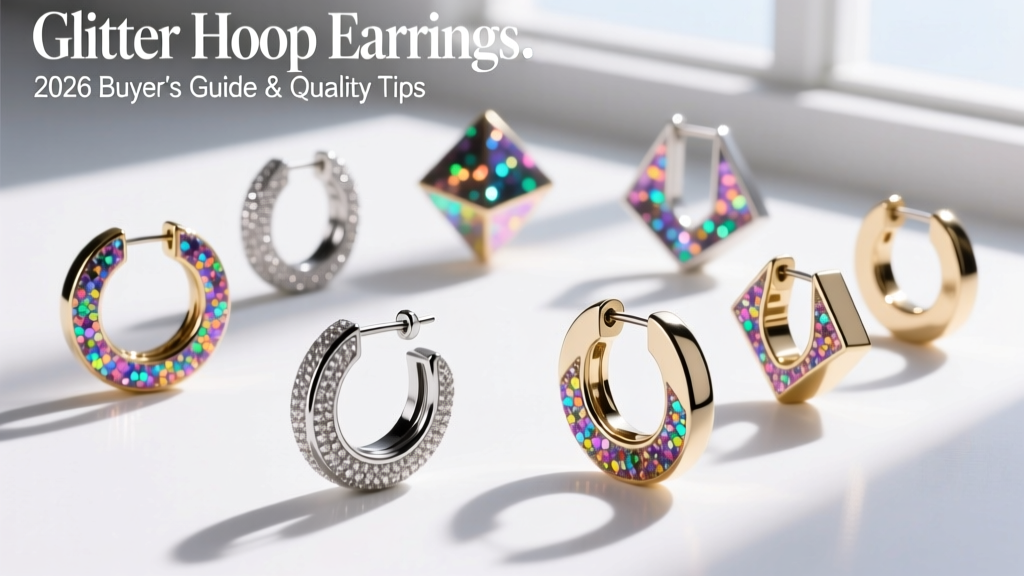
| Hoop Earrings | Aros, Pendientes de aro | Arracadas, Aros | Arracadas specifically denotes large, statement hoops. |
| Huggies | Huggies, Aros abrazados | Huggies, Dormilonas | Dormilonas refers to small, sleep-in hoops or huggies. |
| Dangle Earrings | Pendientes colgantes | Aretes colgantes | Universal term for any drop or dangle style. |
| Ear Cuffs | Ear cuffs | Ear cuffs, Aretes de cartílago | Often left in English or described by cartilage placement. |
Regional Dialects: Peninsular vs. Latin American Spanish
Understanding the linguistic divide is crucial for accurate online searches and in-person shopping. The Real Academia Española (RAE) recognizes both pendiente and arete, but their usage is strictly regional. In Mexico, Colombia, and Peru, asking for pendientes might result in the jeweler showing you necklaces or pendants (as colgantes and pendientes share root meanings in some contexts), whereas aretes guarantees you are looking at ear jewelry.
The Taxco Silver Phenomenon
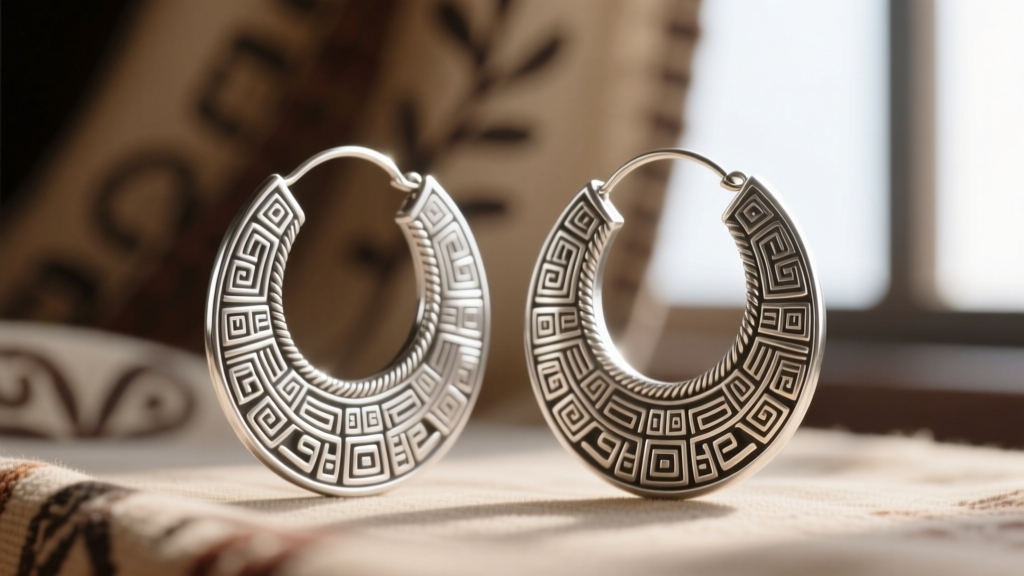
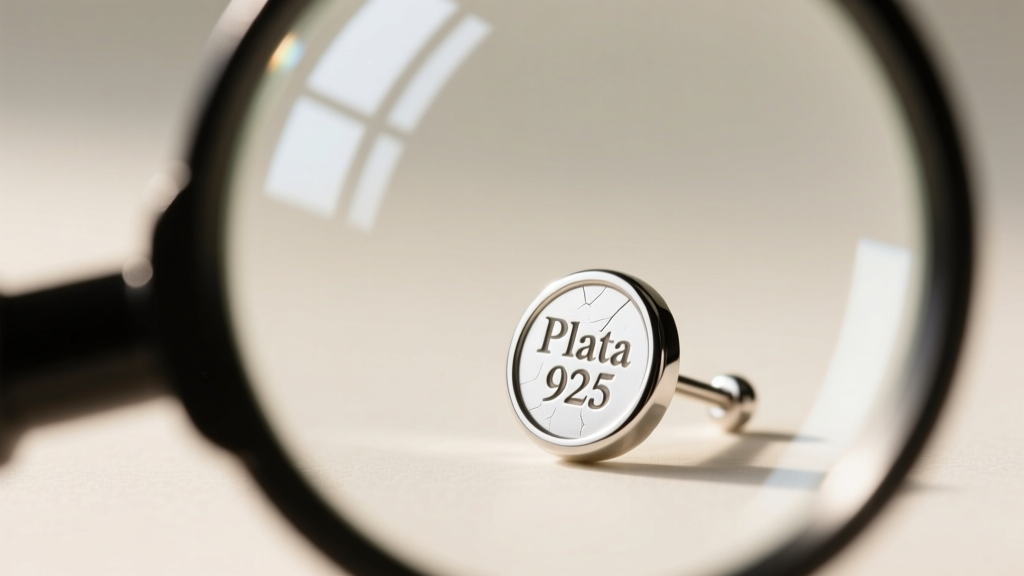
When shopping in Mexico, specifically the renowned silver-mining town of Taxco, you will frequently encounter the term Alpaca or Plata Alpaca. Be warned: Alpaca is not silver. It is a copper-nickel-zinc alloy that mimics the look of silver but contains zero precious metal. Always look for the stamp Plata 925 or Hecho en Taxco accompanied by an assay mark to ensure you are purchasing genuine sterling silver, which typically ranges from $400 to $1,200 MXN ($25–$75 USD) for standard artisan hoops.
Decoding Metal Hallmarks & Material Grades
One of the most critical aspects of buying jewelry abroad is understanding how different countries regulate precious metals. In Spain, the Spanish tourism and commerce boards enforce strict hallmarking laws via the Laboratorio de Contraste.
Spanish Silver and Gold Laws
- Plata de Primera Ley (925): This is standard sterling silver (92.5% pure silver, 7.5% copper). It is the benchmark for high-quality earrings.
- Plata de Segunda Ley (800): Contains only 80% silver. While legal to sell in Spain, it tarnishes significantly faster due to the higher copper content. Avoid this for sensitive earlobes.
- Oro de Primera Ley (750 / 18k): The standard for fine gold earrings in Spain, offering a rich yellow hue and excellent hypoallergenic properties.
- Oro de Segunda Ley (585 / 14k): More common in Latin America and the US, offering higher durability for heavy arracadas but a slightly paler color.
Navigating the Market: Sizing, Gauges, and Backings
When discussing sizing and anatomy with a jeweler or a piercing studio (estudio de perforación), precise technical vocabulary is required to ensure a proper fit, especially for cartilage piercings.
Gauge Sizes (El Calibre)
In Spanish, gauge is referred to as calibre. Standard lobe piercings are typically calibre 20 (0.8mm) or calibre 18 (1.0mm). If you are buying cartilage jewelry (like a helix or tragus stud), you will likely need calibre 16 (1.2mm). Using a 20-gauge post in a 16-gauge piercing can cause the fistula to shrink, leading to insertion pain later.
Earring Backings (Los Cierres)
The mechanism that secures the earring is called the cierre. Knowing these terms will help you find comfortable, secure options:
- Cierre de mariposa: The standard butterfly friction back. Common for studs, but can harbor bacteria if not cleaned regularly.
- Cierre de rosca: Screw-back. Essential for high-value diamond or gold studs to prevent loss.
- Cierre catalán: A hinged hoop clasp originating in Catalonia, featuring a satisfying 'click' mechanism. Highly secure and traditional for Spanish gold hoops.
- Cierre hippie / de gancho: French hook or fishhook wire, common for lightweight dangle earrings.
Haggling and Authenticity: Questions to Ask the Jeweler
In high-end boutiques in Madrid or Bogotá, prices are fixed. However, in artisan markets like Mercado de la Ciudadela in Mexico City or El Rastro in Madrid, polite negotiation is expected. Use these phrases to establish yourself as an informed buyer:
"¿Son de plata de ley o bañados?"
(Are they solid sterling silver or plated?)
Why it works: This immediately signals that you know the difference between solid metal and flash-plated brass, deterring the vendor from offering you counterfeit goods.
"¿El poste es de acero quirúrgico o titanio?"
(Is the post surgical steel or titanium?)
Why it works: If you have nickel allergies, you must ensure the post (el poste) is implant-grade titanium (titanio grado implante), as many 'silver' earrings use cheap nickel-alloy posts.
"¿Tiene certificado de autenticidad y garantía?"
(Does it have a certificate of authenticity and warranty?)
Why it works: Reputable silversmiths in Taxco and goldsmiths in Spain will provide a stamped receipt or certificate detailing the metal weight and purity.
Final Thoughts on Bilingual Jewelry Shopping
Mastering the Spanish for earrings and jewelry anatomy transforms the shopping experience from a stressful guessing game into an engaging cultural exchange. By understanding the distinction between pendientes and aretes, recognizing the legal hallmarks of Plata de Primera Ley, and knowing how to inspect a cierre catalán, you guarantee that the pieces you bring home are as authentic and enduring as the memories of your travels.