Billy Hargrove Earring Guide: Exact Gauge, Materials, and Fit
Recreate the iconic Billy Hargrove earring look. Our expert guide covers exact gauge sizes, implant-grade materials, and backing types for the perfect fit.

The Anatomy of the Billy Hargrove Earring Aesthetic
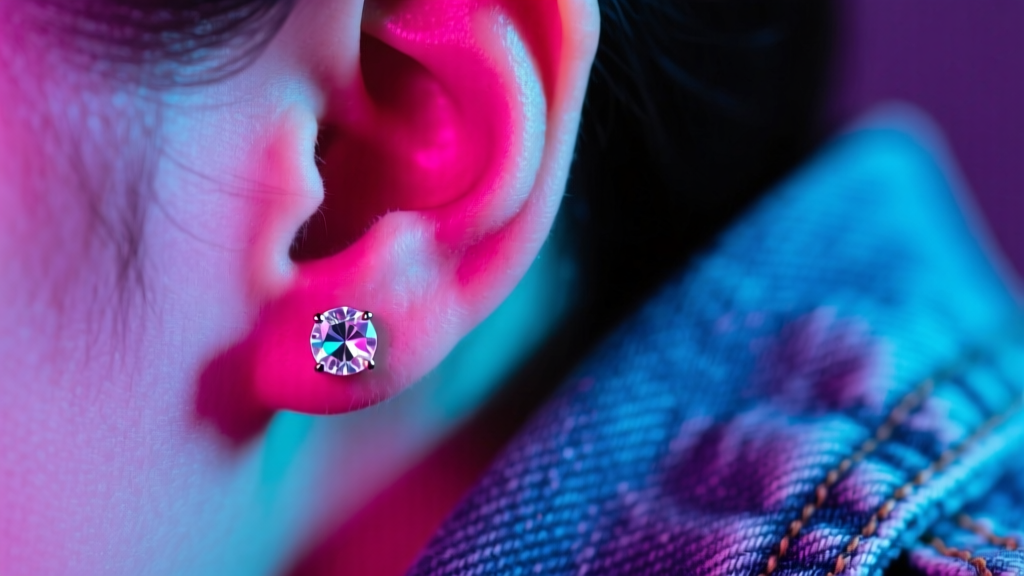
When analyzing iconic pop-culture jewelry, the billy hargrove earring from Season 3 of Stranger Things stands out as a masterclass in subtle, masculine styling. Portrayed by Dacre Montgomery, the character's aesthetic relies heavily on 1980s California grunge, anchored by a single, understated stud in his left ear lobe. Unlike the oversized hoops or heavy dangles often associated with 80s rock aesthetics, Hargrove's choice is remarkably minimalist: a small, flush-fitting gem that catches the light without dominating the face.
For jewelry enthusiasts and fans looking to replicate this exact look, simply buying a generic "small stud" from a mall kiosk will yield disappointing results. Fashion jewelry often suffers from poor proportions, high-profile settings that snag on clothing, and inferior alloys that cause contact dermatitis. Achieving the authentic Hargrove silhouette requires a deep dive into professional body jewelry specifications, focusing on precise gem diameters, low-profile settings, and biocompatible materials.
Technical Specifications: Gauge, Diameter, and Gem Size
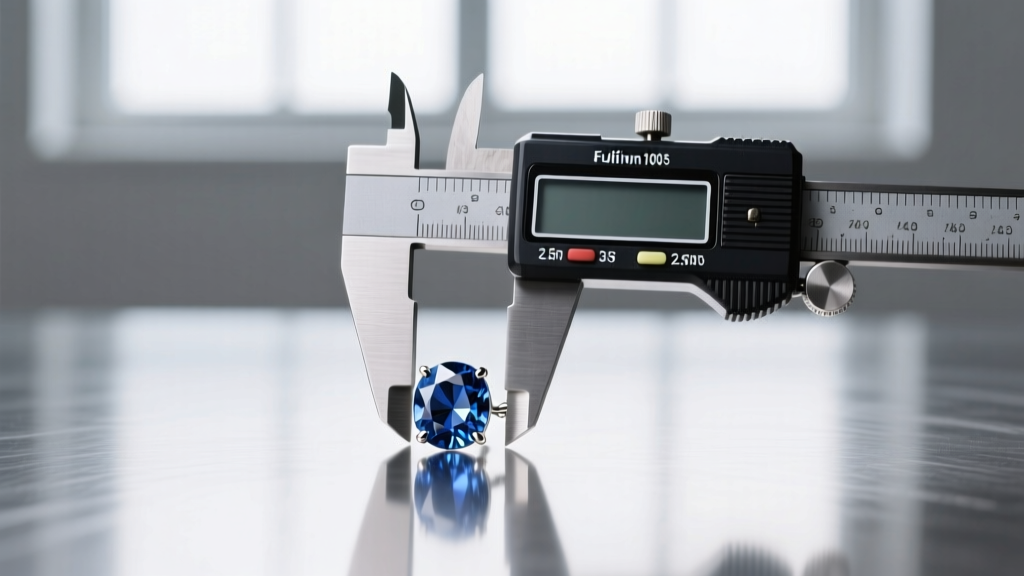
The secret to the billy hargrove earring aesthetic is proportion. The earring must look like an integrated part of the ear rather than an accessory resting on top of it. Standard fashion earrings typically feature 4mm to 6mm gems on thin, flimsy posts. To achieve the correct visual weight and structural integrity, we must look to professional body jewelry standards.
| Feature | Standard Fashion Earring | The "Hargrove" Spec (Ideal) |
|---|---|---|
| Gauge (Thickness) | 20G (0.8mm) or 22G (0.6mm) | 18G (1.0mm) or 16G (1.2mm) |
| Gem Diameter | 4.0mm - 6.0mm | 2.5mm - 3.0mm |
| Post Length | 10mm - 12mm (Standard) | 6mm - 8mm (Snug, custom fit) |
| Setting Profile | High-profile prong or tall bezel | Low-profile bezel or micro-prong |
| Threading / Backing | External thread / Friction butterfly | Internal thread / Threadless tension |
An 18-gauge (1.0mm) post provides the necessary rigidity to prevent the "cheese-cutter effect," where a thin wire slowly migrates through the earlobe tissue over time. Meanwhile, a 2.5mm to 3.0mm gem diameter ensures the earring remains a subtle accent. Anything larger crosses the threshold into traditional diamond-stud territory, losing the gritty, understated edge of the character's design.
Material Science: What to Actually Put in Your Ear
The human body is highly reactive to foreign metals, particularly in the warm, slightly acidic environment of a piercing fistula. Most commercial replicas of the billy hargrove earring are cast from 316L surgical steel or plated brass. While 316L is commonly marketed as "hypoallergenic," it contains up to 10% nickel, which can leach into the skin and cause severe allergic contact dermatitis, leading to itching, flaking, and hyperpigmentation of the earlobe.
The Metallurgy of Implant-Grade Titanium
To wear this earring comfortably 24/7, you must upgrade to ASTM F-136 Implant-Grade Titanium. According to the Association of Professional Piercers (APP), ASTM F-136 titanium is completely nickel-free and features a highly polished, passive oxide layer that prevents bacterial adhesion and tissue irritation. Unlike surgical steel, which has microscopic surface pores that can harbor dead skin cells and sebum, properly polished implant-grade titanium is biologically inert. For a character who spends his days lifeguarding and sweating in the summer heat, a corrosion-resistant, non-reactive metal is not just a luxury—it is a medical necessity.
Thread Type and Mechanical Fit
One of the most overlooked aspects of recreating screen-accurate jewelry is the mechanical connection between the post and the gem. The traditional "butterfly" friction backing found on fashion jewelry applies uneven pressure to the back of the earlobe, often causing the post to tilt forward. This ruins the flush, integrated look required for the Hargrove aesthetic.
Why External Threading is Obsolete
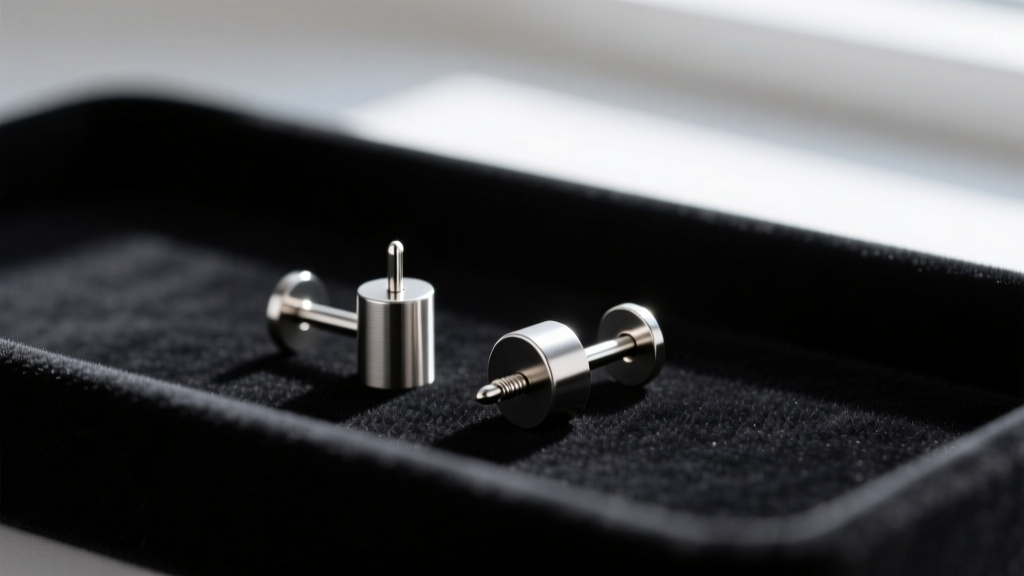
Cheap studs use external threading, where the screw pattern is cut into the post itself. Pushing a threaded post through a piercing acts like a file, micro-tearing the delicate fistula lining every time the jewelry is inserted. For a secure, flush fit that protects your tissue, you have two professional options:
- Internally Threaded Jewelry: The screw pattern is on the inside of the gem end, and the post is smooth. This allows the post to glide through the ear without causing trauma. Brands like BVLA specialize in this, offering precision-machined ends that sit perfectly flat against the skin.
- Threadless (Push-Pin) Jewelry: Pioneered by companies like NeoMetal, this system uses a slightly bent titanium pin that slides into a hollow post. The tension of the bent metal against the inner wall of the post creates a secure, custom fit that will never accidentally fall out in the shower or while sleeping.
"When downsizing a lobe piercing for a snug, flush fit, threadless jewelry is often the superior choice. The lack of threading on the post means you can trim the exact millimeter of excess length, ensuring the gem sits perfectly flat against the earlobe without the backing digging into the neck." — Certified Professional Piercer
Sourcing and Pricing: Getting the Exact Replica
Replicating the billy hargrove earring with professional-grade components requires shifting your purchasing habits away from fast-fashion retailers and toward specialized body jewelry manufacturers. You will need to purchase the post and the decorative end separately, which allows for exact customization of the post length (usually 6mm or 8mm for healed lobes).
Estimated Cost Breakdown:
- Implant-Grade Titanium Post (18G or 16G): $12 - $25
- 2.5mm or 3mm Bezel-Set Gem End (Clear or Black Onyx): $35 - $65
- Total Investment: $47 - $90
While this is more expensive than a $10 multipack from a department store, the longevity, biocompatibility, and precise aesthetic proportions make it the only viable route for a true screen-accurate, daily-wear replica. Look for authorized retailers carrying BVLA, Anatometal, or NeoMetal to guarantee the ASTM F-136 material certification.
Maintenance and Long-Term Wear
Even with perfect materials and sizing, the environment of the earlobe requires specific maintenance to keep the jewelry looking pristine. Sebum and dead skin cells will naturally accumulate behind the bezel setting, dulling the gem's sparkle and creating an odor commonly referred to as "ear cheese."
To maintain the piece, avoid harsh chemicals, alcohol, or tea tree oil, which can degrade the metal's passivation layer and irritate the skin. Instead, use a sterile 0.9% sodium chloride wound wash. Spray the saline directly onto the earring twice a week, let it sit for thirty seconds to soften any buildup, and gently wipe the post and setting with a piece of non-woven gauze. This simple routine ensures the titanium remains polished and the gem retains the sharp, moody light reflection that defines the iconic 1980s aesthetic.


