Black Male Earrings: The Ultimate Buying & Style Guide
Discover the ultimate buying guide for black male earrings. Learn how to match metals to skin undertones, choose gauge sizes, and pick the right style.

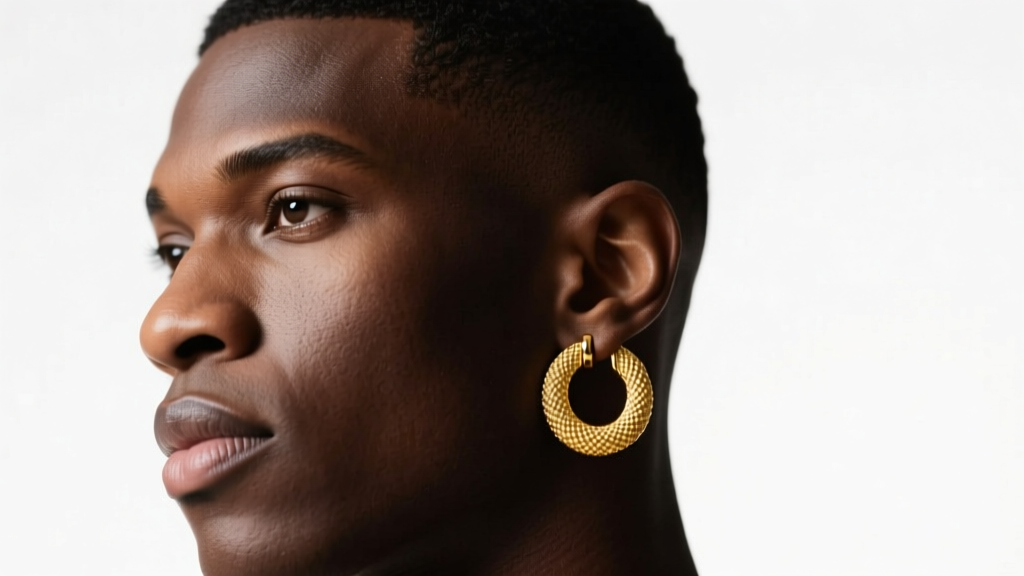
The landscape of men's jewelry has undergone a massive transformation, and black male earrings are at the absolute forefront of this renaissance. No longer confined to basic silver studs, today's market offers a rich tapestry of textured golds, architectural hoops, and dark gemstones that perfectly complement melanin-rich skin. However, buying the right pair requires more than just picking a design that catches your eye. It demands an understanding of skin undertones, precise gauge sizing, and dermatological considerations unique to Black men.
Whether you are looking for a subtle everyday piece or a bold statement item, this comprehensive buying guide will walk you through the technical specs, style archetypes, and material grades you need to know before making an investment.
Decoding Skin Undertones for the Perfect Metal Match
One of the most common mistakes men make when buying earrings is ignoring their skin's undertone. While the traditional 'vein test' (looking at the color of your veins) is notoriously unreliable for darker skin tones, there are better methods to determine your undertone. Try the fabric test: hold a piece of stark white fabric and then an off-white or cream fabric near your face in natural light. If cream makes your skin look vibrant and warm, you likely have warm undertones. If stark white provides a striking, clear contrast, you lean cool.
Matching the right metal to your undertone is the secret to making black male earrings look bespoke rather than an afterthought.
| Undertone | Characteristics in Dark Skin | Best Metals | Ideal Gemstone Pairings |
|---|---|---|---|
| Warm | Golden, red, or peachy hints; skin glows in yellow light | 14k/18k Yellow Gold, Rose Gold, Brass | Citrine, Tiger's Eye, Warm Diamonds |
| Cool | Blue, purple, or ashen hints; high contrast with white | Platinum, White Gold, Black Rhodium | Black Onyx, Sapphire, Black Spinel |
| Neutral | A balanced mix; skin looks even in all lighting | All Metals, Two-Tone Combinations | Moissanite, Emerald, Ruby |
For rich, deep brown skin with warm undertones, 18k yellow gold provides a luxurious, buttery contrast that feels incredibly regal. Conversely, on cooler, ebony skin tones, platinum or white gold creates a sharp, modern aesthetic that demands attention.
Top Earring Silhouettes for Men
The silhouette of your earring dictates the formality and edge of your overall look. Here are the dominant styles defining the market right now.
The Solitaire Stud: Sizing and Stone Selection
The stud is the foundational piece of any collection. For men, the sweet spot for a stud diameter is between 4mm and 6mm. Anything smaller can get lost in the visual weight of a beard or facial structure, while anything over 8mm risks looking disproportionate unless it is a highly intentional, avant-garde fashion choice. In 2026, Moissanite has become a top-tier alternative to diamonds for studs. According to the Gemological Institute of America (GIA), Moissanite offers superior fire and brilliance, providing a flash that is highly visible even from a distance, without the ethical baggage or premium price tag of mined diamonds.
Textured Huggies and Saddle Hoops
Hoops have shed their purely rebellious connotations and entered the realm of refined menswear. Huggies (typically 10mm to 12mm in diameter) that 'hug' the earlobe are currently the most versatile option. Look for hammered, brushed, or rope-textured finishes. These textures catch the light dynamically and hide minor scratches that inevitably occur with daily wear.

Cartilage Cuffs and Helix Studs
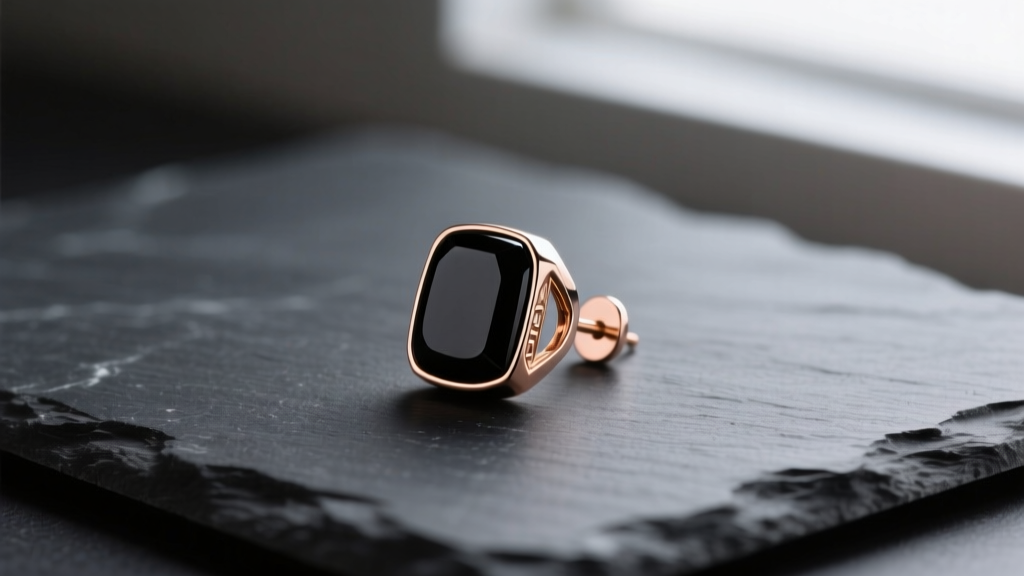
For those willing to venture beyond the lobe, the helix and tragus offer excellent real estate. Black spinel and black onyx set in darkened metals (like oxidized silver or black rhodium) create a 'black-on-black' stealth aesthetic that is highly sought after in contemporary streetwear and high fashion circles.
Technical Specs: Gauge Sizes and Dermatological Safety
Understanding gauge sizes and material grades is non-negotiable, especially considering the dermatological profile of Black skin. Black men have a statistically higher predisposition to keloids (overgrowths of scar tissue) and post-inflammatory hyperpigmentation. Therefore, the material touching your piercing is a matter of medical importance, not just comfort.
The Gauge Breakdown
- 20-Gauge (0.81mm): Standard for traditional women's earrings, but generally too thin for men's lobes as it can cause the 'cheese-cutter effect' (where thin wire slowly slices through the lobe tissue over time).
- 18-Gauge (1.02mm) & 16-Gauge (1.29mm): The ideal standards for men's lobe piercings. They provide enough structural integrity to support heavier gold or gemstone studs without dragging the tissue.
- 14-Gauge (1.60mm): Common for cartilage piercings and industrial bars, offering maximum stability.
Material Grades and Hyperpigmentation Prevention
Avoid cheap 'surgical steel' or brass alloys, which often contain nickel. Nickel allergies cause contact dermatitis, which in melanin-rich skin frequently results in stubborn, dark hyperpigmented patches around the piercing site. The Association of Professional Piercers (APP) strictly recommends Implant-Grade Titanium (ASTM F136) for any fresh piercing or sensitive skin. Titanium is completely nickel-free, lightweight, and biocompatible. If you prefer the look of gold, ensure you are buying solid 14k or 18k gold from a reputable jeweler, avoiding gold-plated brass which will eventually wear down and expose the skin to irritants.
Investment Tiers and Designer Spotlights
When shopping for black male earrings, it helps to categorize your budget to understand what materials and craftsmanship you should expect at each price point.
Entry-Level ($50 - $200)
At this tier, expect sterling silver (look for rhodium plating to prevent tarnish), titanium, and semi-precious stones like onyx or cubic zirconia. Brands like Mejuri and Miansai offer excellent, minimalist entry points that prioritize clean lines over heavy metal weight.
Mid-Tier ($200 - $800)
This is where you find solid 14k gold, high-quality Moissanite, and intricate custom designs. Independent jewelers and specialized menswear brands like Johnny Nelson or Mateo New York excel here, offering pieces that blend cultural motifs with modern geometry.
Luxury and Bespoke ($800+)
The luxury tier introduces 18k gold, platinum, and natural, untreated diamonds or rare gemstones. At this level, you are paying for the designer's architectural vision, the ethical sourcing of the stones, and heirloom-level durability.
Long-Term Maintenance and Tarnish Prevention
Melanin-rich skin often produces natural oils that can coat jewelry, dulling its shine over time. Furthermore, environmental factors and grooming products (like beard oils and pomades) can create a film over gemstones.
- For Metals: Use a soft microfiber cloth to wipe down gold and platinum after wearing. Avoid chemical dips, which can strip the polished finish off textured gold.
- For Gemstones: The GIA notes that black onyx, while relatively hard, is often treated with dyes and waxes. Never put onyx or black spinel in an ultrasonic cleaner or expose it to harsh chemicals, as this can cause the stone to crack or lose its deep color. Instead, clean them gently with warm water, a drop of mild dish soap, and a soft baby toothbrush.
By understanding the intersection of dermatology, metallurgy, and personal style, you can curate a collection of black male earrings that not only elevates your wardrobe but also respects the unique characteristics of your skin and anatomy.


