Black Onyx Earrings Gold: 2026 Budget & Value Guide
Discover the true value of black onyx earrings gold in 2026. Compare solid gold vs. vermeil pricing, stone grades, and smart buying strategies.

The Real Cost of Black Onyx and Gold in 2026
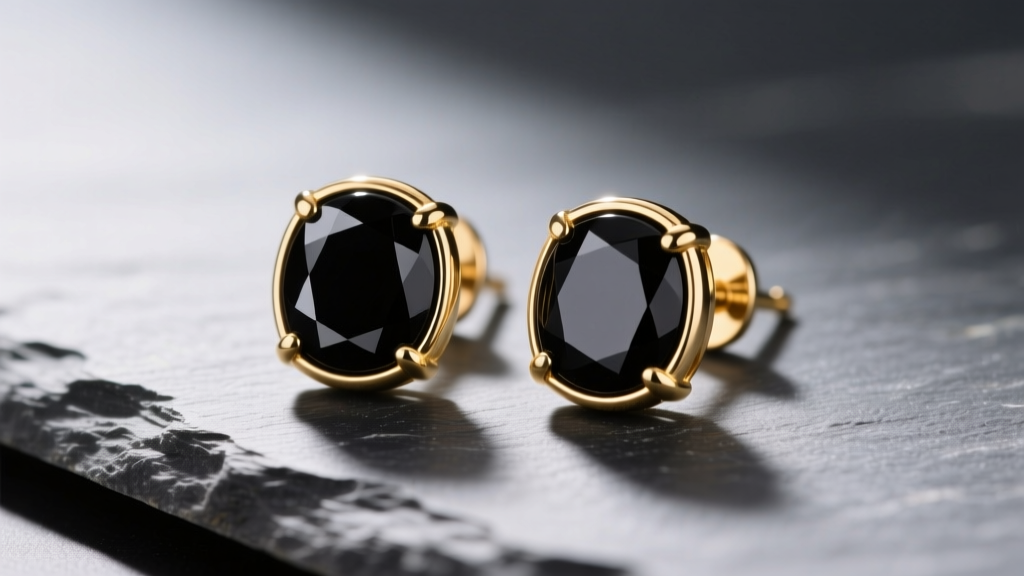
The juxtaposition of deep, opaque black onyx against the warm luster of gold remains one of the most striking combinations in fine jewelry. However, as we navigate the 2026 jewelry market, the search for black onyx earrings gold settings included, requires a highly analytical approach. With raw gold prices continuing their upward trajectory and the market saturated with misleading gemological terms, understanding where your money is actually going is no longer optional—it is essential. Many buyers assume they are purchasing a rare, naturally occurring black gemstone set in precious metal, when in reality, they are often overpaying for dyed agate in gold-plated brass. This comprehensive value assessment breaks down the exact material grades, pricing tiers, and structural mechanics you need to know to make a financially sound investment.
Gemological Truths: Natural Onyx vs. Dyed Agate
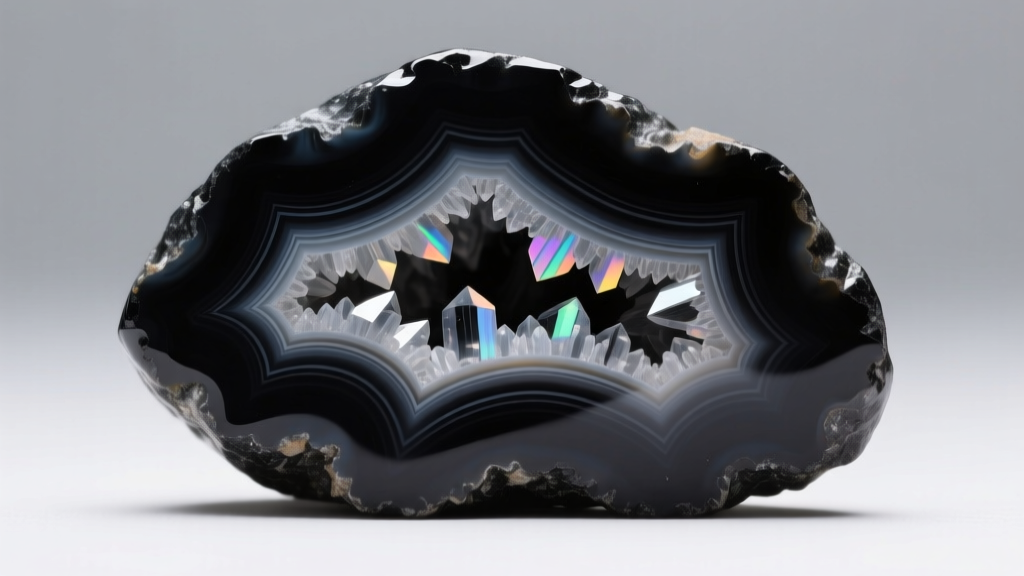
To accurately assess value, we must first address the gemological elephant in the room. According to the Gemological Institute of America (GIA), natural black onyx is a banded variety of chalcedony (cryptocrystalline quartz) that is exceedingly rare in its pure, unblemished black form. The vast majority of commercial black onyx—upwards of 95% of what you see in retail showcases—is actually gray or white agate that has been subjected to a centuries-old sugar-acid dyeing process.
In this treatment, the porous agate is soaked in a hot sugar solution and then boiled in sulfuric acid. The acid carbonizes the sugar, permanently turning the stone black. While the GIA recognizes this as an accepted and stable industry practice that does not require special disclosure in standard retail, it drastically impacts the intrinsic value of the stone. Natural, untreated black onyx commands a significant premium. If a jeweler claims their $150 earrings feature 'rare natural black onyx,' they are either misinformed or actively misleading you. True natural black onyx earrings set in solid gold typically start at the $800 mark and can easily exceed $2,500 depending on the carat weight and gold purity.
Material Matrix: Pricing Tiers and Value Assessment
When budgeting for black onyx and gold earrings, you are essentially paying for two distinct variables: the metal matrix and the stone origin. Below is a 2026 market breakdown of what you should expect to pay across different quality tiers. Use this table to benchmark any piece you are considering.
| Quality Tier | Metal Composition | Stone Type | Expected Price Range (2026) | Value Verdict |
|---|---|---|---|---|
| Fashion / Entry | Gold-Plated Brass (0.1 microns) | Dyed Gray Agate | $25 - $65 | Poor longevity; high tarnish risk. Avoid for sensitive ears. |
| Demi-Fine / Vermeil | Sterling Silver base, 2.5+ microns 14k/18k Gold | Dyed Gray Agate | $85 - $180 | Good value for trend-driven styles. Requires careful maintenance. |
| Fine Jewelry (Standard) | Solid 14k Gold (Yellow, White, or Rose) | Dyed Gray Agate (Market standard) | $250 - $650 | Excellent everyday value. Heirloom potential if setting is robust. |
| Collector / High Fine | Solid 18k Gold or Platinum | Certified Natural Black Onyx | $900 - $3,000+ | Premium investment. Rare, but requires strict gemological certification. |
The Vermeil Distinction
If you are shopping in the $100 to $200 range, you will frequently encounter the term 'vermeil.' The Federal Trade Commission (FTC) Jewelry Guides strictly dictate that for a piece to be legally marketed as vermeil, it must have a sterling silver base coated with a minimum of 2.5 microns of gold (usually 14k or 18k). Anything thinner is merely 'gold plated' and will wear through to the base metal within months of daily wear, especially on high-friction areas like earring posts and clasps.
Setting Mechanics: Why Bezel Beats Prong Every Time
Beyond the raw materials, the structural engineering of the earring dictates its lifespan and, consequently, its true value. Black onyx, like all quartz, sits at a 6.5 to 7 on the Mohs hardness scale. While it is relatively scratch-resistant, it possesses a conchoidal fracture and lacks true cleavage, making it highly susceptible to chipping along its edges if subjected to sharp impacts.
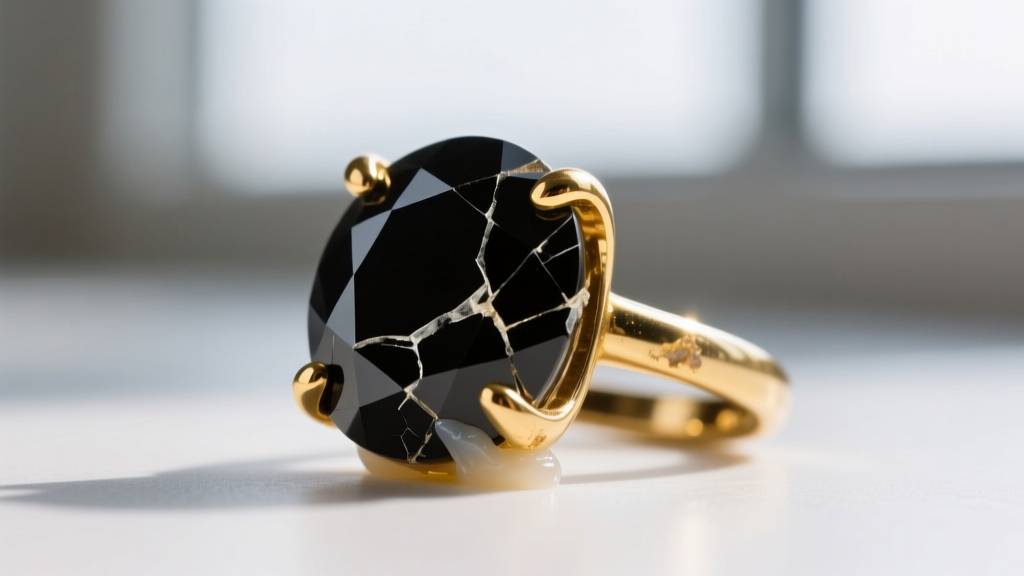
Because of this physical property, a full bezel setting is mandatory for high-value onyx earrings. A bezel wraps a continuous rim of gold entirely around the girdle (the outer edge) of the stone, protecting it from lateral blows. Conversely, prong settings leave the edges of the onyx exposed. Furthermore, because onyx is often cut into flat cabochons or sharp geometric shapes (like emerald cuts or hexagons), prongs cannot grip the stone securely without extensive notching, which weakens the stone. If you see black onyx earrings held in by prongs, it is almost guaranteed that the jeweler has used optical epoxy to glue the stone into the setting to prevent it from falling out.
Hardware and Gauge Considerations for Drop Styles
When evaluating dangle or drop earrings featuring black onyx, the weight of the stone becomes a critical factor. Onyx has a specific gravity of approximately 2.6, making it noticeably heavier than many other popular gemstones like opal or amber.
- 20-Gauge (0.8mm) Posts: Standard for lightweight studs. If used for heavy onyx drops, the thin wire will act like a cheese cutter, slowly migrating through the earlobe tissue and causing permanent stretching or tearing.
- 18-Gauge (1.0mm) Posts: The absolute minimum requirement for any onyx drop earring exceeding 5 grams. This thickness provides the structural rigidity needed to support the stone's weight without bending.
- 16-Gauge (1.2mm) Posts: Ideal for oversized, statement onyx hoops or heavy geometric drops. Often requires a slightly stretched piercing or a custom order from an independent jeweler.
Additionally, always inspect the backing mechanism. For heavy solid gold and onyx drops, standard friction backs (butterfly backs) are a liability; they will slowly slide down the post due to the downward pull of gravity, leading to lost earrings. Insist on screw-backs, locking ear-wires, or silicone O-ring stoppers to secure your investment.
Care, Failure Modes, and Red Flags
To protect the financial value of your earrings, you must understand how they fail. The most common point of failure for black onyx jewelry is improper cleaning. Because commercial black onyx is carbonized via the sugar-acid process, the stone remains micro-porous. Exposing dyed onyx to ultrasonic cleaners or harsh chemical dips (like silver polish or chlorine) can cause the black dye to leach out, resulting in a patchy, grayish-brown stone. Furthermore, the heat generated by ultrasonic waves can cause thermal shock, fracturing the stone internally.
Red Flags to Avoid at the Point of Sale:
- Visible Glue: Inspect the back of the stone with a macro lens or jeweler's loupe. If you see a rim of yellowing epoxy between the gold and the stone, walk away. Mechanical bezels do not require glue.
- Hollowed Backs: To save on gold weight, some manufacturers hollow out the back of the gold setting. This creates a pocket where sweat, lotion, and dead skin accumulate, eventually degrading the metal and causing the stone to pop out from the back.
- 'Natural' Claims without Proof: If a brand advertises 'untreated natural black onyx' for under $500, demand a gemological lab report. Without one, you are paying a premium for standard dyed agate.
Final Verdict: Where to Allocate Your Budget
When building a capsule jewelry wardrobe, black onyx earrings set in gold offer unparalleled versatility, transitioning seamlessly from professional environments to evening wear. For the smartest allocation of your budget in 2026, bypass the fashion-plated tier entirely; the cost of replacing tarnished brass and lost stones negates any initial savings. Instead, target the Solid 14k Gold with Dyed Agate tier ($250 - $650). 14k gold offers superior tensile strength compared to 18k, ensuring the bezel remains tight around the heavy stone for decades. By prioritizing robust mechanical settings, appropriate post gauges, and transparent material sourcing, you secure a piece that delivers both immediate aesthetic impact and long-term financial value.


