Blown Glass Earrings: The Ultimate Beginner Guide
Discover how to choose lightweight, hypoallergenic blown glass earrings. Learn about lampwork techniques, glass types, and lobe-friendly hardware.

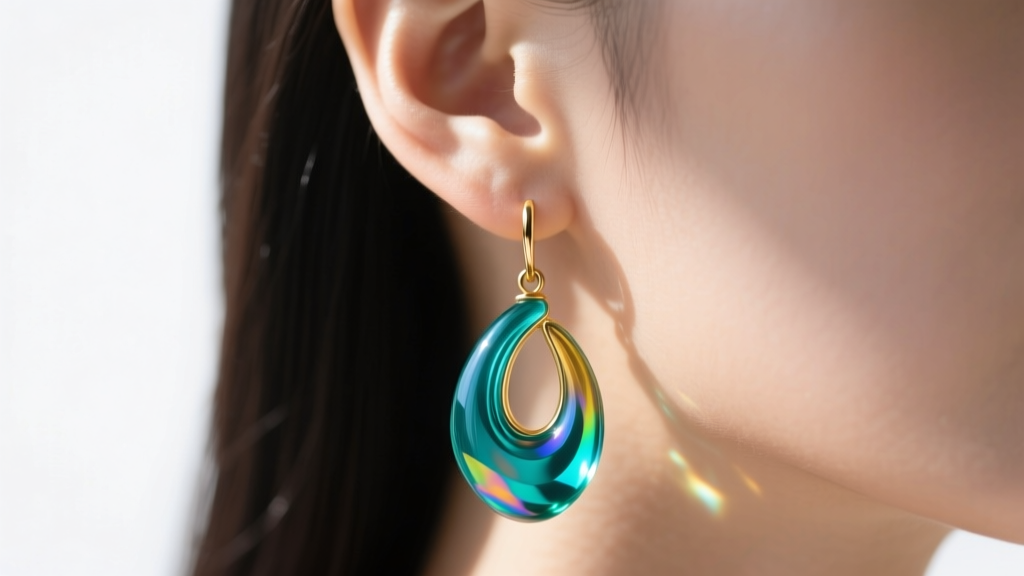
Understanding Blown Glass Earrings: More Than Just Melted Sand
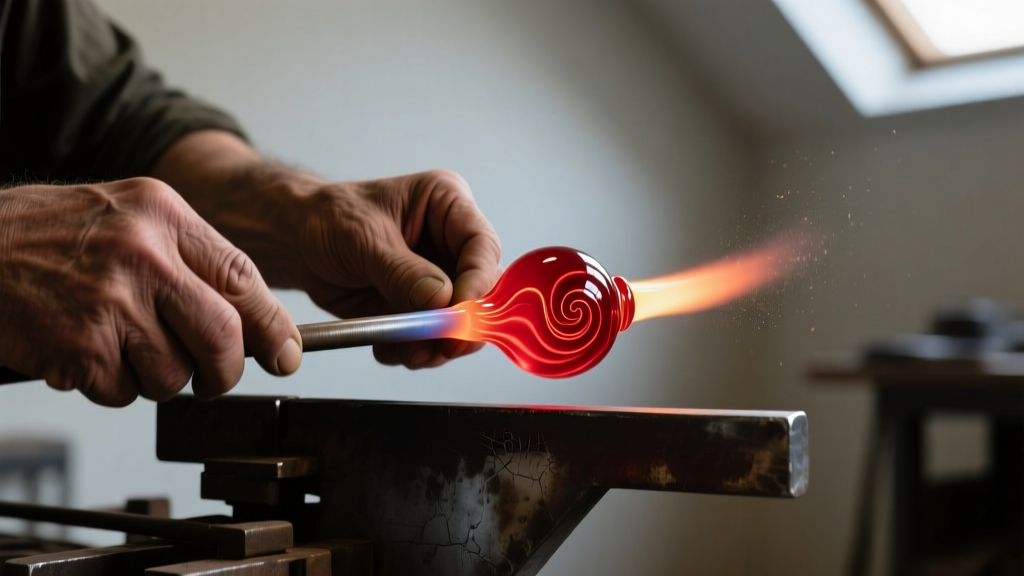
When you first start exploring artisan jewelry, blown glass earrings stand out for their incredible depth of color, unique internal textures, and lightweight properties. However, the term 'blown glass' in the jewelry world can be slightly misleading for beginners. While large-scale glassblowing involves gathering molten glass from a 2,000°F furnace on the end of a blowpipe, the delicate drops and beads you wear on your ears are primarily created through a precision technique called lampworking or torchworking.
According to the Corning Museum of Glass, lampworking involves melting glass rods using a specialized high-temperature torch. The artist winds the molten glass around a steel mandrel to create hollow beads, or uses gravity and specialized tools to pull intricate, solid teardrops. Understanding this distinction is your first step toward buying high-quality, durable glass jewelry that will not shatter under normal wear.
Borosilicate vs. Soda-Lime: The Great Glass Debate
Not all glass is created equal. If you are investing in handmade earrings, you need to know which type of glass the artisan is using. The two primary categories are borosilicate and soda-lime, and they behave very differently when worn as jewelry.
| Feature | Borosilicate Glass (Pyrex) | Soda-Lime Glass (Moretti/Effetre) |
|---|---|---|
| Thermal Shock Resistance | Extremely High | Low to Medium |
| Color Palette | Earthy, metallic, clear, dichroic | Vibrant, opaque, pastel, reactive |
| Durability | Highly chip and scratch-resistant | Prone to chipping if dropped on tile |
| Weight Profile | Slightly lighter, ideal for large drops | Denser, heavier, better for small studs |
For beginners, borosilicate glass is generally the safer investment for dangle earrings. Its high resistance to thermal shock means it will not crack if you accidentally wear it in a hot sauna or drop it into a cold sink. Soda-lime glass, while offering a much wider and more vibrant array of colors, requires more careful handling.
The Physics of Earring Weight: Protecting Your Lobes
The most common mistake beginners make when buying glass earrings is ignoring the weight. Glass has a density of approximately 2.5 grams per cubic centimeter. A solid glass sphere measuring just 20mm in diameter will weigh roughly 10.5 grams. While this sounds light, standard earlobe piercings begin to experience fatigue, stretching, and discomfort when subjected to weights exceeding 8 to 10 grams for prolonged periods.
How Artisans Solve the Weight Problem
- Hollow Lampwork Beads: By winding glass around a thick mandrel and capping the ends, artisans create hollow chambers that reduce the overall weight by 40% to 60% without sacrificing visual volume.
- Kiln-Cast Dichroic Cabochons: Instead of solid drops, artists fuse microscopic layers of dichroic glass to a lightweight black glass base, creating flat, lightweight profiles that catch the light brilliantly.
- Asymmetrical Balancing: Some designers pair a heavier glass element with a lightweight titanium chain to distribute the center of gravity closer to the piercing.
Pro Tip: Always ask the seller for the exact gram weight of the earring before purchasing. If a single earring weighs more than 7 grams, reserve it for occasional wear rather than daily use.
Hypoallergenic Hardware: The Critical Connection Point
Glass itself is 100% hypoallergenic and inert, making it a dream material for sensitive skin. However, the metal hardware connecting the glass to your ear is a different story. The Glass Art Society frequently emphasizes that a masterful glass bead is only as good as the hardware it hangs from.
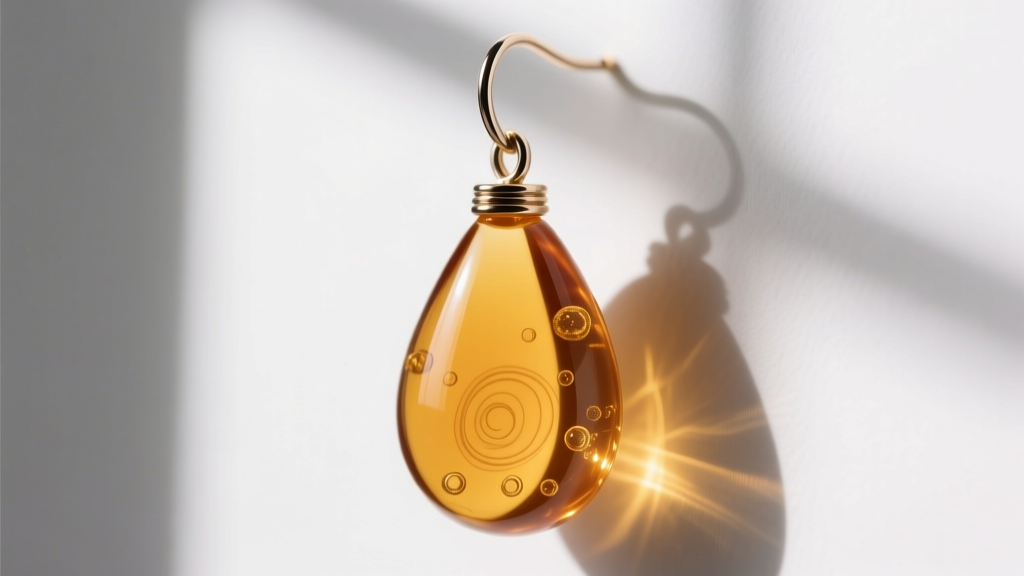
For heavy glass drops, standard 20-gauge (0.81mm) sterling silver or gold-filled hooks will eventually bend under the dynamic stress of walking and talking, leading to lost earrings. You must look for specific metal grades and thicknesses:
- ASTM F-136 Implant-Grade Titanium: The absolute gold standard for sensitive ears. It is completely nickel-free and incredibly strong. An 18-gauge (1.02mm) titanium ear wire will support heavy glass drops without bending.
- Niobium: Another highly biocompatible metal that can be anodized to match the colors of the dichroic glass. It is slightly softer than titanium but excellent for lightweight lampwork beads.
- 14k or 18k Solid Gold: Avoid gold-plated brass or copper hooks, as the plating will wear off, exposing reactive base metals to your piercing. If choosing gold, ensure the hook is at least 18-gauge to prevent warping.
Spotting Handmade Artisan Glass vs. Mass-Produced Fakes
As blown glass earrings have surged in popularity, the market has been flooded with factory-made molded glass disguised as artisan lampwork. Here is a practical framework to verify authenticity:
'True lampwork glass possesses a fluid, organic symmetry. You will often find tiny, intentional tool marks, a slightly off-center hole, or internal bubbles that were trapped by design. Molded factory glass, conversely, will have a visible vertical seam line running down the side of the bead, and the colors will look flat and painted on rather than melted in.'
Furthermore, genuine artisan glass must be digitally kiln-annealed. Annealing is the process of slowly cooling the glass in a kiln to relieve internal molecular stress. If a seller cannot confirm that their glass is kiln-annealed, do not buy it. Un-annealed glass holds immense internal tension and can spontaneously shatter weeks after you purchase it.
Styling Glass Earrings for Your Face Shape
Because glass can be manipulated into virtually any form, it is the perfect medium for balancing your facial proportions.
- Round Faces: Opt for long, angular, hollow borosilicate drops. The sharp geometric lines and vertical length will elongate your features. Avoid large, round lampwork beads.
- Square Faces: Choose soft, curved teardrops or fluid, organic kiln-cast shapes. The smooth curves of soda-lime glass will soften a strong jawline.
- Oval Faces: You have the versatility to wear almost any style. Try wide, flat dichroic glass discs or intricate, multi-layered chandelier drops to add visual interest.
- Heart-Shaped Faces: Look for bottom-heavy glass designs, such as teardrops that are wider at the base, to balance a narrower chin.
Care and Maintenance: A Practical Checklist
To ensure your blown glass earrings last a lifetime, follow these strict care protocols:
- Avoid Thermal Shock: Never wear soda-lime glass earrings in hot tubs, saunas, or while swimming in freezing water.
- The 'Sink Rule': Always put on and take off your glass earrings over a soft towel or carpeted area. A three-foot drop onto ceramic bathroom tile is the number one cause of shattered lampwork.
- Cleaning: Use a microfiber cloth and a mild, non-abrasive glass cleaner. Avoid ultrasonic jewelry cleaners, as the high-frequency vibrations can fracture internal stress points in the glass.
- Storage: Store glass earrings in individual soft pouches. If they knock against each other in a communal jewelry box, the harder pieces will scratch the softer soda-lime elements.
By understanding the chemistry of the glass, the physics of the weight, and the metallurgy of the hardware, you can confidently curate a collection of blown glass earrings that are as durable as they are breathtaking.


