Recreating the Blue Ivy Earring Beyonce Look on a Budget
Discover how to recreate the viral Blue Ivy earring Beyonce aesthetic on a budget. We compare lab diamonds, moissanite, and structural lobe support.

The Anatomy of the Viral Statement Earring
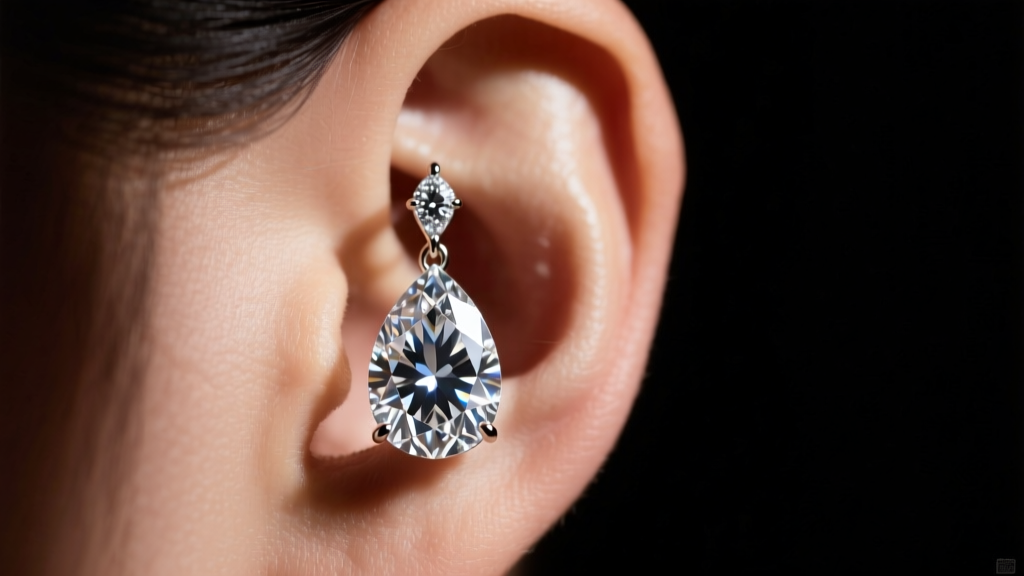
When the internet searches for the blue ivy earring beyonce aesthetic, they are not just looking for jewelry; they are looking for a masterclass in proportional maximalism. Whether she is attending the Grammy Awards, sitting courtside at an NBA game, or performing on the Renaissance tour, the signature look relies on high-carat, oversized diamond drops or thick inside-out hoops that catch the light from every angle. However, the authentic pieces worn by the Carter-Knowles family often feature natural, high-clarity diamonds set in platinum or 18k gold, pushing the retail value well into the tens of thousands of dollars.
As we navigate the jewelry market in 2026, the gap between high-end luxury and accessible alternatives has never been smaller. Advancements in lab-grown diamond production and precision-cut moissanite mean you can achieve the exact optical brilliance of a $50,000 statement piece for a fraction of the cost. But replicating the look is not just about the stones; it is about understanding the structural engineering required to wear heavy earrings comfortably and safely. This guide breaks down the material value, structural integrity, and budget tiers necessary to recreate this iconic aesthetic without compromising your earlobe health or your bank account.
Material Value Matrix: High-End vs. Accessible Alternatives
The core of the viral aesthetic is extreme brilliance. To achieve this on a budget, we must look at the optical properties of alternative gemstones. The two primary metrics for evaluating diamond simulants are the Mohs hardness scale (which dictates scratch resistance and longevity) and the Refractive Index (RI), which measures how much light bends inside the stone to create brilliance. According to the Gemological Institute of America (GIA), lab-grown diamonds possess the exact same physical and chemical properties as mined diamonds, making them the premier choice for heirloom-quality budget pieces.
| Material | Mohs Hardness | Refractive Index | Avg. Price (3ct Total) | Resale Value |
|---|---|---|---|---|
| Natural Diamond | 10 | 2.42 | $15,000 - $45,000 | 20% - 40% |
| Lab-Grown Diamond | 10 | 2.42 | $1,200 - $3,500 | 5% - 15% |
| Moissanite | 9.25 | 2.65 | $300 - $800 | Negligible |
| AAA Cubic Zirconia | 8.0 - 8.5 | 2.15 | $50 - $150 | None |
While moissanite actually has a higher refractive index than diamond (giving it more 'fire' or rainbow dispersion), it can sometimes look 'too perfect' or artificial in very large carat weights. For the most authentic luxury look, CVD (Chemical Vapor Deposition) lab-grown diamonds are the superior choice in 2026, as their prices have dropped significantly while maintaining perfect optical authenticity.
Structural Integrity: Gauges, Weight, and Lobe Health
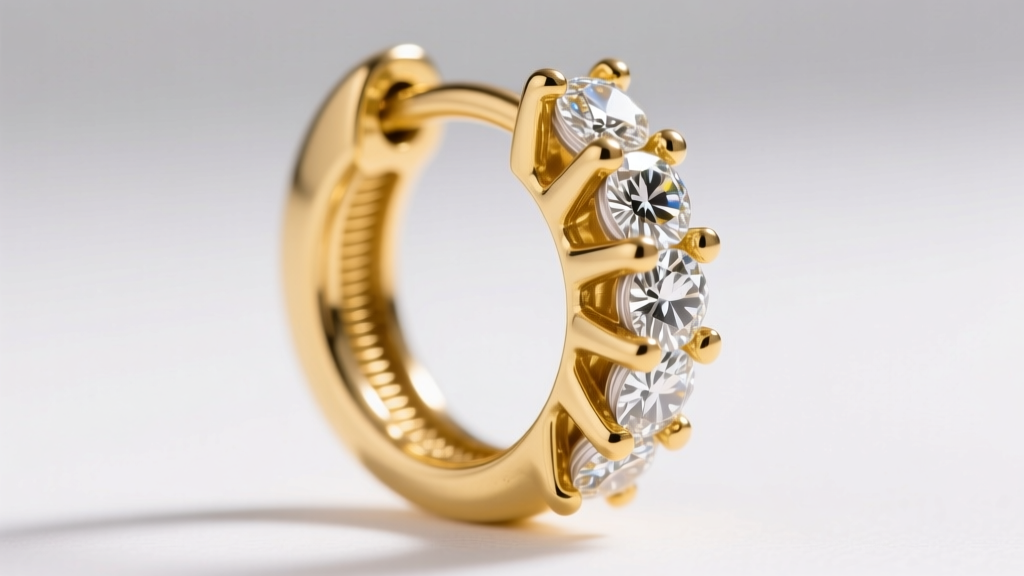
The most overlooked aspect of buying oversized statement earrings is the physical toll they take on the earlobe. The 'blue ivy earring beyonce' style often features drops or hoops that weigh between 12 and 25 grams per ear. Standard ear piercings are done at 20-gauge (0.81mm) or 18-gauge (1.02mm). When you hang 20 grams of metal and stone from a 0.81mm wire, you create what dermatologists and piercers call the 'cheese-cutter effect'.
Preventing Tissue Migration and Tearing
Over time, the thin wire will slowly slice through the earlobe tissue, causing permanent stretching, migration, and eventual tearing. To wear heavy statement pieces safely, you must upgrade your structural support:
- Opt for Thicker Posts: Look for statement earrings with 16-gauge (1.29mm) or 14-gauge (1.63mm) posts. This distributes the weight across a wider surface area of tissue.
- Use Silicone Support Discs: If the earrings only come with standard butterfly backs, purchase medical-grade silicone earring support patches. These sit behind the lobe and act as a shock absorber, distributing the weight evenly.
- Upgrade the Clasp: For heavy hoops, friction posts will fail. You need screw-backs, omega-backs, or la pousette (locking) mechanisms to ensure the earring does not pull out of the lobe mid-event.
Furthermore, be hyper-vigilant about metal allergies. Heavy earrings that sag can cause micro-tears in the skin, which exacerbates contact dermatitis if the base metal contains nickel. The American Academy of Dermatology strongly recommends avoiding nickel-containing alloys in any jewelry that sits heavily on the skin, as the combination of weight and sweat can trigger severe allergic reactions.
Budget Breakdown: Recreating the Look in 2026
Depending on your financial comfort zone, here is how to strategically allocate your budget to achieve the maximalist aesthetic without falling into the trap of fast-fashion jewelry that tarnishes within a month.
Tier 1: The Heirloom Investment ($1,200 - $4,000)
At this tier, you are purchasing solid 14k or 18k gold settings paired with lab-grown diamonds. Brands like Vrai, Dorsey, or custom jewelers on platforms like 1stDibs offer oversized pear-cut drops and thick inside-out hoops that are virtually indistinguishable from the natural diamonds worn by celebrities. The value here lies in longevity; solid gold will never tarnish, and lab diamonds will never cloud or scratch. This is the tier to choose if you want a piece you can pass down to the next generation.
Tier 2: The Smart Semi-Fine ($300 - $900)
If you want the visual impact without the four-figure price tag, moissanite set in solid 10k or 14k gold is your best route. Moissanite is exceptionally durable (9.25 on the Mohs scale) and will survive daily wear. The key to making moissanite look like high-end celebrity jewelry is to choose 'crushed ice' or antique cushion cuts, which mask the stone's natural rainbow dispersion and mimic the icy white scintillation of a high-clarity diamond.
Tier 3: The Event-Ready Fashion ($80 - $200)
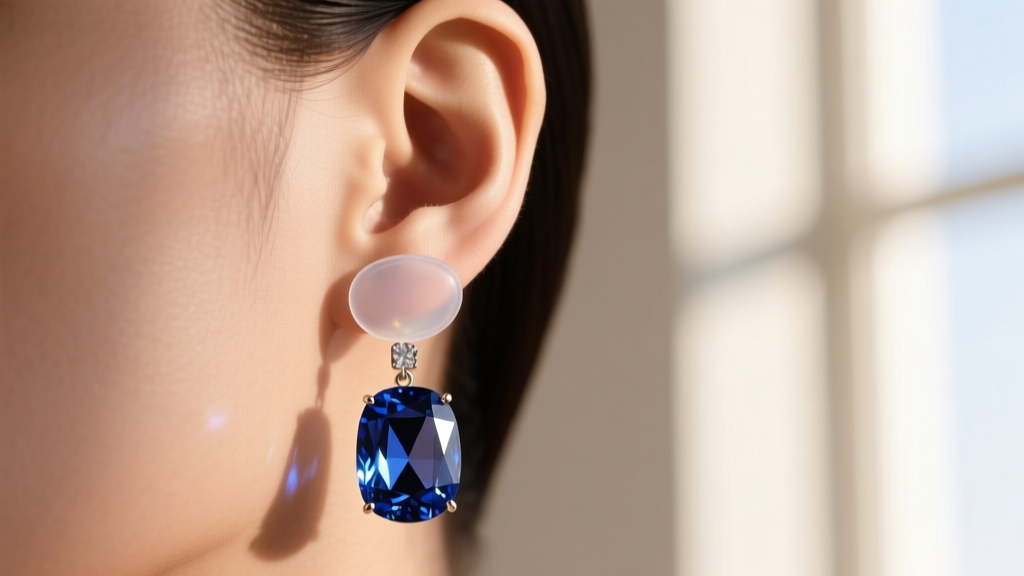
For a one-off event, photo shoot, or concert, high-grade cubic zirconia (CZ) is acceptable, but you must be strict about the base metal. Avoid brass or copper bases plated in thin layers of gold, as the friction and sweat will wear the plating off in hours, turning your skin green. Instead, look for 'gold vermeil' (which requires a thick layer of gold over sterling silver) or rhodium-plated sterling silver. Always check for the '925' hallmark to ensure the core metal is hypoallergenic sterling silver.
Sourcing and Maintenance for Longevity
Once you have acquired your statement pieces, maintaining their brilliance is crucial. High-carat drops collect skin oils, hairspray, and lotion, which can make even a $20,000 diamond look like dull glass. Invest in a basic ultrasonic jewelry cleaner (around $40) and use a few drops of ammonia-free jewelry solution to restore the fire to your stones after every wear.
Finally, inspect the prongs of your oversized drops every three months. The heavier the stone, the more leverage it exerts on the tiny metal prongs holding it in place. A simple catch on a silk dress or a towel can bend a prong and result in the loss of your center stone. By combining smart material choices with proper structural support, you can confidently rock the ultimate maximalist aesthetic, proving that true style is about intelligent curation, not just the price tag.


