Boba Earrings Buying Guide: Styles, Materials & Sizing Tips
Discover our expert boba earrings buying guide. Learn about hypoallergenic metals, charm weight limits, resin quality, and sizing for sensitive lobes.

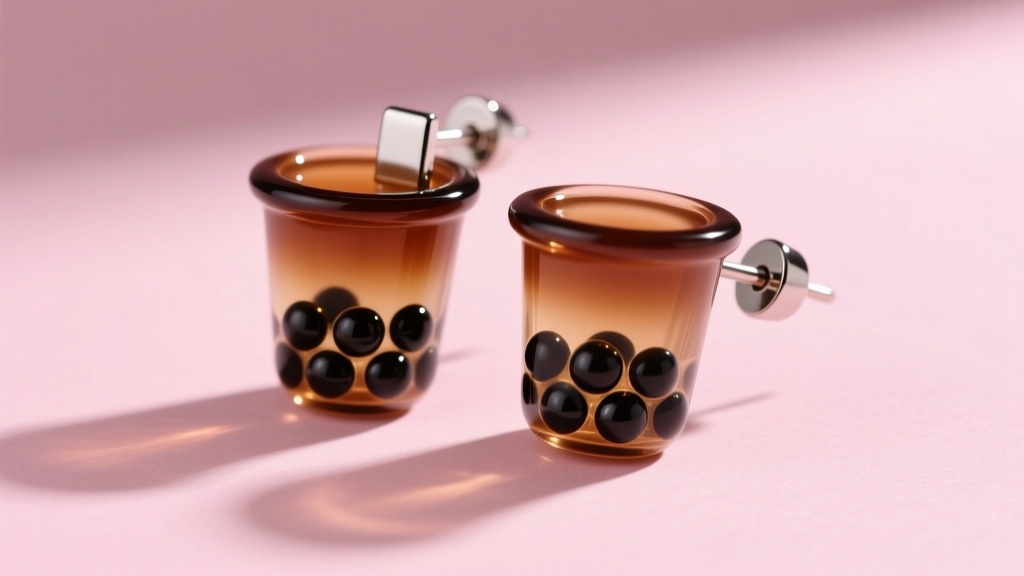
The intersection of kawaii fashion and beverage culture has cemented boba earrings as a staple in novelty and statement jewelry. However, the novelty jewelry market is notoriously saturated with low-grade base metals, poorly cured resins, and structurally unsound designs that can damage your earlobes. Whether you are shopping for a subtle milk-tea stud or an oversized, dangling tapioca pearl drop, understanding the material composition and weight distribution is critical.
This comprehensive buying guide cuts through the aesthetic appeal to evaluate boba earrings from a metallurgical, structural, and dermatological perspective. We will cover exact gauge requirements, the differences between UV-cured resins and cold enamels, and how to avoid the dreaded "cheese-cutter effect" on your piercings.
The Anatomy of Boba Earrings: Deconstructing the Charm
Before evaluating the post that enters your skin, you must understand the charm itself. A standard boba earring consists of three primary visual elements, each manufactured using different techniques:
- The Cup: Usually cast from zinc alloy or brass. High-end artisan pieces may use solid sterling silver or 14k gold-filled wire wrapping to create the cup silhouette, but 90% of the market relies on cast base metals.
- The Liquid & Pearls: The "milk tea" liquid effect is achieved either through poured epoxy resin or cold enamel. The tapioca pearls are typically black glass beads, acrylic spheres, or solid resin drops embedded within the cup.
- The Straw & Lid: Often made from stamped stainless steel wire or integrated directly into the zinc alloy mold.
When shopping, inspect the seam lines on the cup. Mass-produced zinc alloy casts often leave visible mold lines along the side of the cup, which can snag on hair or clothing. Artisan-crafted pieces will either use seamless wire-wrapping or meticulously file and polish the mold lines away.
Material Grades & Hypoallergenic Standards
The most critical point of failure in novelty jewelry is the earring post. Because boba charms are visually complex, manufacturers often cut costs on the actual wire that touches your skin. If you have sensitive ears or a history of contact dermatitis, you must look beyond marketing terms like "hypoallergenic" or "surgical steel."
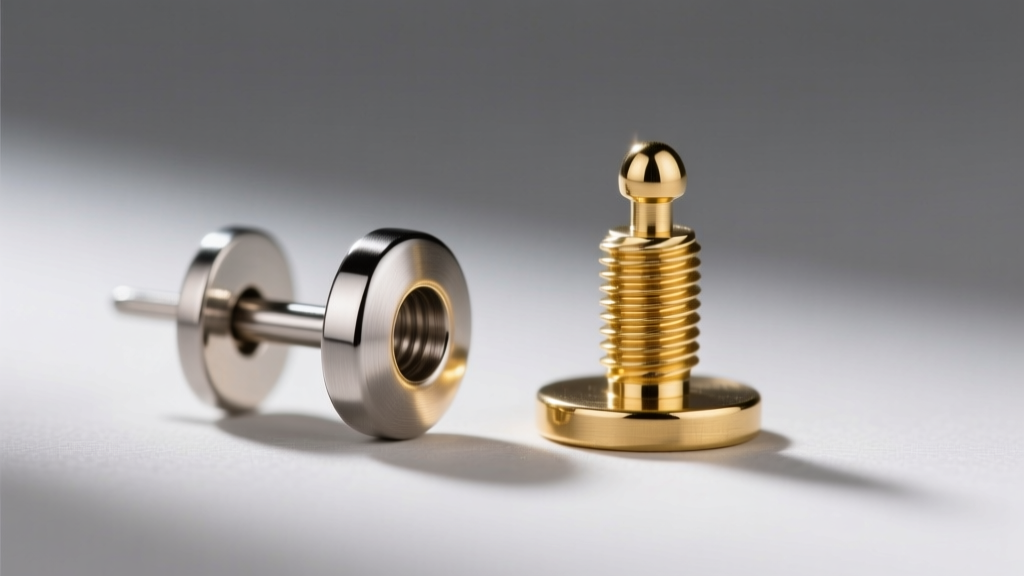
Implant-Grade Titanium vs. Surgical Steel
The term "surgical steel" is largely unregulated in the jewelry industry. It frequently refers to 316L stainless steel, which contains up to 14% nickel. As the American Academy of Dermatology notes, nickel is the most common cause of allergic contact dermatitis, affecting millions of people worldwide. Even if a 316L post is flash-plated with gold, microscopic friction from inserting the earring can wear through the plating, exposing the nickel-rich core to your piercing.
For daily wear, you should exclusively seek out boba earrings that feature ASTM F-136 implant-grade titanium posts. According to the Association of Professional Piercers (APP), ASTM F-136 titanium is completely nickel-free, highly biocompatible, and the gold standard for both fresh and healed piercings. Many independent Etsy artisans now offer boba charms soldered directly to flat-back titanium labret posts, which is the safest configuration available.
Resin vs. Cold Enamel
The "liquid" inside the boba cup is created using one of two methods:
- UV-Cured Resin: Poured and cured under ultraviolet light. It offers a highly realistic, translucent, and glossy finish that mimics actual milk tea. However, cheap UV resins are prone to yellowing when exposed to prolonged sunlight and can remain slightly tacky if under-cured, attracting dust and lint.
- Cold Enamel (Epoxy): A two-part resin that air-cures. It is more opaque and durable than UV resin, resisting yellowing and chipping much better. High-quality boba earrings will use jewelry-grade epoxy rather than industrial resins, ensuring no toxic off-gassing occurs against the skin.
Sizing, Weight, and the Cheese-Cutter Effect
A common mistake buyers make is ignoring the physics of charm earrings. A 15mm boba cup charm, complete with glass pearls and a metal straw, can weigh anywhere from 4 to 8 grams per earring. When this weight is suspended from a thin, 22-gauge (0.6mm) fishhook wire, it creates intense localized pressure on the bottom of your earlobe piercing.
Over time, this downward force causes the "cheese-cutter effect," where the thin wire slowly migrates downward through the tissue, stretching and potentially tearing the piercing. To prevent this, you must match the earring's gauge and backing to its total weight.
| Charm Size | Average Weight | Minimum Wire Gauge | Recommended Backing / Style |
|---|---|---|---|
| Mini Stud (8-10mm) | 1.5g - 2.5g | 20g (0.8mm) | Standard butterfly clutch or silicone O-ring |
| Standard Dangle (12-15mm) | 3.5g - 5.0g | 18g (1.0mm) | Thick fishhook with silicone bullet clutch |
| Oversized Drop (18mm+) | 6.0g - 9.0g | 16g (1.2mm) | Flat-back labret post or leverback with silicone stopper |
If you already own a pair of heavy boba earrings with thin wires, you can mitigate lobe damage by purchasing silicone earring support pads. These small, disc-shaped cushions sit between the back of your earlobe and the earring clutch, distributing the weight over a wider surface area and preventing the wire from cutting into your skin.
Market Tiers: Mass-Produced vs. Artisan Handmade
The boba earring market is sharply divided into two tiers, each with distinct pricing, material safety, and longevity profiles.
Tier 1: Mass-Market Novelty ($5 - $15)
Found on platforms like Amazon, AliExpress, and fast-fashion retailers. These pieces are highly affordable but come with significant compromises. The posts are almost exclusively nickel-plated brass or mystery "alloy" wires. The charms are often glued to the earring post rather than soldered, meaning a drop onto a hard floor will easily snap the charm off. The resin used is frequently industrial-grade, which may cause contact irritation if it rests against the neck or jawline.
Tier 2: Artisan & Independent Jewelers ($25 - $65)
Sourced from platforms like Etsy or independent kawaii jewelry brands. Artisan makers prioritize structural integrity and skin safety. You will find boba charms that are laser-welded or securely soldered to ASTM F-136 titanium flat-back posts. The "tapioca pearls" in this tier are often genuine black spinel beads or high-grade glass, providing a satisfying weight and realistic light refraction that plastic beads cannot replicate. While the upfront cost is higher, the cost-per-wear is significantly lower due to the absence of allergic reactions and breakages.
Care and Maintenance for Enamel and Resin
Because boba earrings rely on painted details, resin pours, and sometimes delicate glass beads, they require specific maintenance routines to preserve their aesthetic appeal.
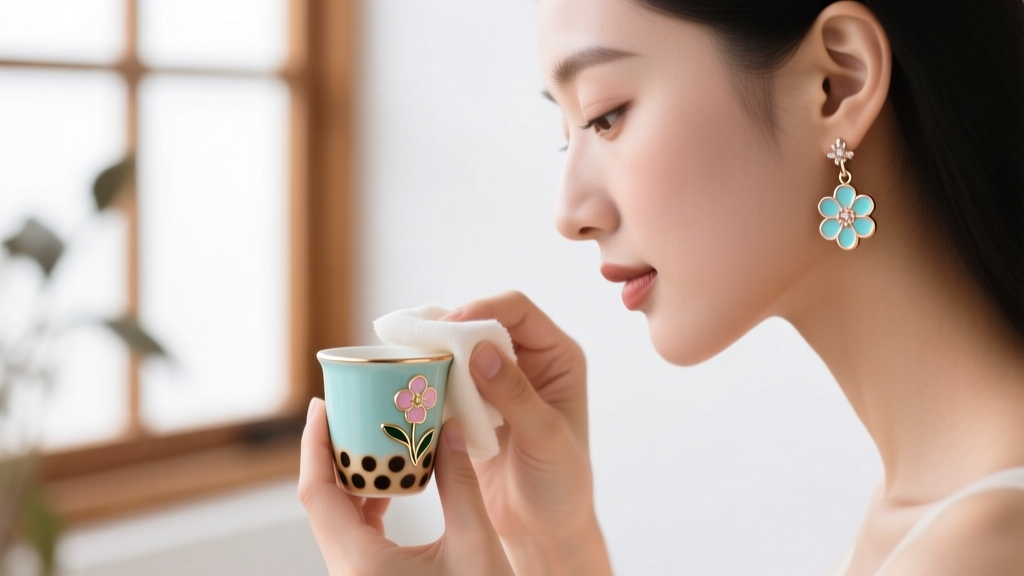
- Avoid Chemical Degradation: Hairspray, perfume, and sunscreen contain alcohols and solvents that will cloud UV-cured resin and strip the painted facial details off kawaii cup charms. Always put your boba earrings on after applying cosmetics and fragrances.
- Cleaning Protocol: Never use ultrasonic cleaners or harsh silver dips on boba earrings. The high-frequency vibrations will shatter glass pearls and detach glued components. Instead, use a lint-free microfiber cloth slightly dampened with distilled water to wipe down the resin. For the metal post, use a sterile alcohol prep pad, ensuring the alcohol does not touch the resin cup.
- Storage: Store boba earrings in a dark, climate-controlled jewelry box. Prolonged exposure to UV light from windows will accelerate the yellowing process in translucent milk-tea resins, turning your beautiful brown milk tea into a murky, unappetizing green.
Final Verdict: How to Choose Your Perfect Pair
Boba earrings are a joyful, expressive addition to any jewelry collection, but they demand a more critical eye than standard studs. When making your purchase, prioritize the material of the earring post above all else. If a listing does not explicitly state the metal grade (e.g., ASTM F-136 Titanium, Niobium, or solid 14k Gold), assume it contains nickel and avoid it if you have sensitive skin.
Next, evaluate the weight. Opt for 18-gauge or 16-gauge wires for dangling cups, and always utilize silicone backing clutches to protect your earlobes from the cheese-cutter effect. By focusing on structural integrity and biocompatible metals, you can enjoy your favorite beverage-inspired accessories safely, comfortably, and stylishly for years to come.


