Budget Chicken Earrings 2026: Value & Style Guide
Discover the best budget chicken earrings in 2026. We assess material value, pricing tiers, and durability to help you find quirky styles that last.

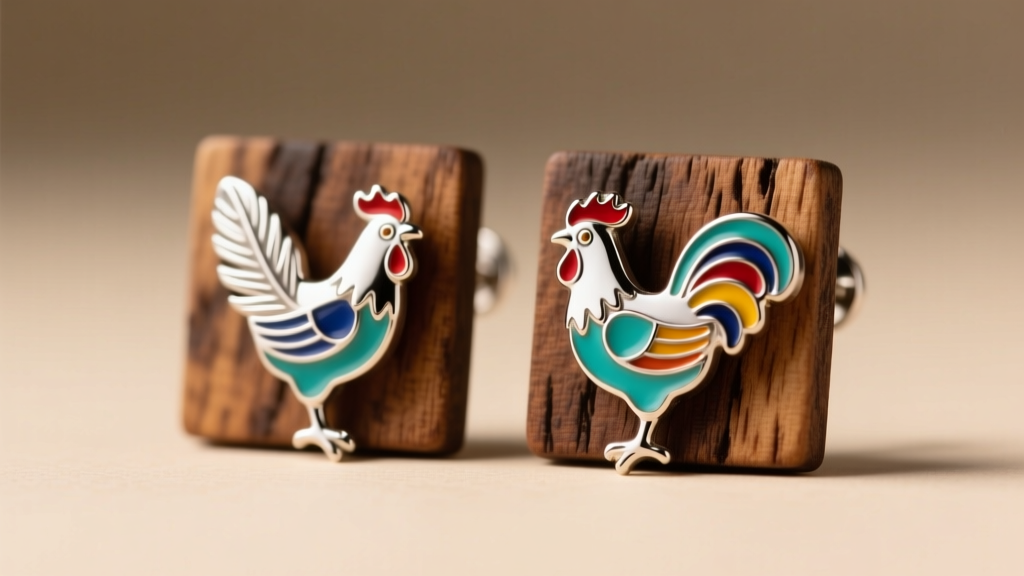
The Cottagecore Catalyst: Why Poultry Jewelry Demands Scrutiny
As we navigate the 2026 jewelry market, the cottagecore and farmcore aesthetics have firmly cemented animal motifs in mainstream fashion. Chicken earrings are no longer relegated to the realm of gag gifts or novelty shop bins; they are legitimate statement pieces embraced by maximalists and rural-chic enthusiasts alike. However, the novelty jewelry sector is notoriously riddled with manufacturing shortcuts. When evaluating budget chicken earrings, the untrained eye sees a cute farm animal. The trained eye sees a potential contact dermatitis trigger masquerading as a whimsical accessory.
The challenge for the budget-conscious buyer is separating genuine artisan value from mass-produced, potentially toxic fast fashion. This guide breaks down the exact metallurgy, enamel techniques, and structural engineering you need to scrutinize before adding poultry to your earlobes.
Material Breakdown: What Are You Actually Paying For?
The base metal of your chicken earrings dictates not only their lifespan but also your ear's biological reaction to them. According to the American Academy of Dermatology, nickel allergy is one of the most common causes of allergic contact dermatitis, and cheap novelty jewelry is a primary culprit.
Zinc Alloy (Zamak) vs. 316L Stainless Steel
If you are buying chicken studs in the $5 to $12 range, you are almost certainly purchasing Zamak. Zamak is a die-cast zinc alloy that is incredibly cheap to mold into intricate rooster or hen shapes. However, it is highly porous. To make it look appealing, manufacturers electroplate it with a microscopic layer of gold or silver. Once that plating wears off—usually within three to six months of exposure to skin oils and sweat—the porous zinc core is exposed, leading to rapid oxidation and severe skin irritation.
For a slightly higher budget ($20 to $35), look for 316L surgical stainless steel. The 'L' denotes low carbon, and the alloy includes molybdenum for superior corrosion resistance. While 316L does contain trace amounts of nickel, it is tightly bound within the austenite crystal lattice, meaning it rarely leaches into the skin, making it a vastly superior budget option for sensitive ears.
The Sterling Silver Sweet Spot
For the ultimate balance of budget and longevity, 925 sterling silver remains the gold standard. Genuine 925 silver chicken earrings will carry a hallmark stamp. Unlike plated metals, solid sterling silver can be polished back to life indefinitely, ensuring your novelty pieces can become permanent fixtures in your collection.
Enamel Quality: Cold Resin vs. Vitreous Glass
Most chicken earrings rely on enamel to achieve the vibrant reds of a rooster's comb or the golden yellows of a hen's beak. Understanding the difference between the two primary enameling techniques is crucial for assessing value.
- Cold Enamel (Epoxy Resin): Used in 90% of budget earrings. This is essentially a two-part epoxy resin painted into the metal recesses. It is cheap, requires no heat to set, and looks great on day one. However, epoxy resin is highly susceptible to UV degradation. Within a year of regular sun exposure, the vibrant reds and yellows will begin to yellow and become brittle, eventually chipping out of the metal setting.
- Vitreous Enamel (Hot Enamel): As detailed by jewelry manufacturing experts at the Gemological Institute of America (GIA), true vitreous enamel is finely ground glass fused to metal in a kiln at temperatures exceeding 1400°F. This creates a permanent, scratch-resistant, and UV-stable bond. Vitreous enamel will not yellow or chip under normal wear conditions, but it requires skilled labor, pushing the price of the earrings into the $50+ tier.
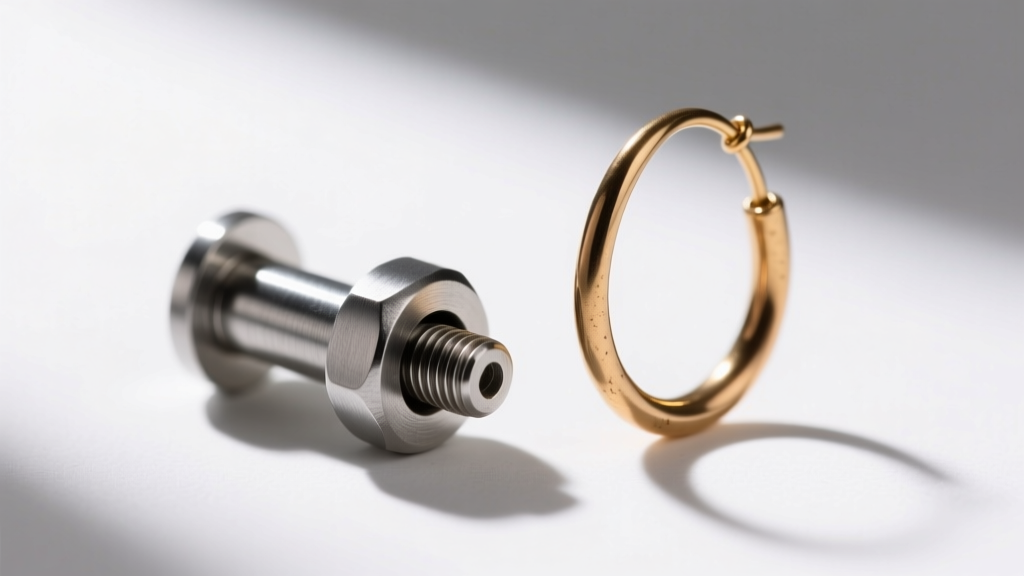
The 2026 Chicken Earring Pricing Matrix
To help you benchmark the market, we have compiled a value assessment matrix based on current 2026 pricing data across major artisan and commercial jewelry retailers.
| Tier | Price Range | Base Metal | Enamel Type | Post Gauge | Expected Lifespan |
|---|---|---|---|---|---|
| Fast Fashion | $4 - $12 | Zinc Alloy (Zamak) | Cold Epoxy | 22g (Hollow) | 1 - 4 Months |
| Mid-Tier Artisan | $25 - $45 | 925 Sterling Silver | Cold Epoxy / Resin | 20g (Solid) | 2 - 5 Years |
| Premium Value | $55 - $85 | 316L Steel or 14k Vermeil | Vitreous (Fired Glass) | 18g / 20g (Solid) | Lifetime |
Pro Tip: If a retailer is charging 'Premium Value' prices ($60+) but the product description mentions 'epoxy' or fails to specify the metal grade, you are being overcharged for costume jewelry.
Sizing & Gauge Specifications for Novelty Studs
A frequently overlooked aspect of budget jewelry assessment is the post gauge—the thickness of the metal wire that actually pierces your ear. Standard lobe piercings are typically 20-gauge (0.81mm) or 18-gauge (1.02mm).
To cut manufacturing costs, mass-market novelty brands frequently use 22-gauge (0.64mm) or even 24-gauge posts. This is a critical failure point. A 22-gauge post is essentially a thick needle. When paired with a heavy, solid-metal chicken dangle or a wide stud, the thin post creates a 'cheese-cutter' effect, slowly migrating through the earlobe tissue and causing micro-tears that invite infection.
Always inspect the product specifications for the exact gauge size. If the listing simply says 'standard post' without a numerical gauge measurement, assume it is a flimsy 22-gauge wire and avoid it for heavy novelty designs.
For dangle chicken earrings, ensure the hook is at least 18-gauge to support the kinetic weight of the swinging motif without warping.
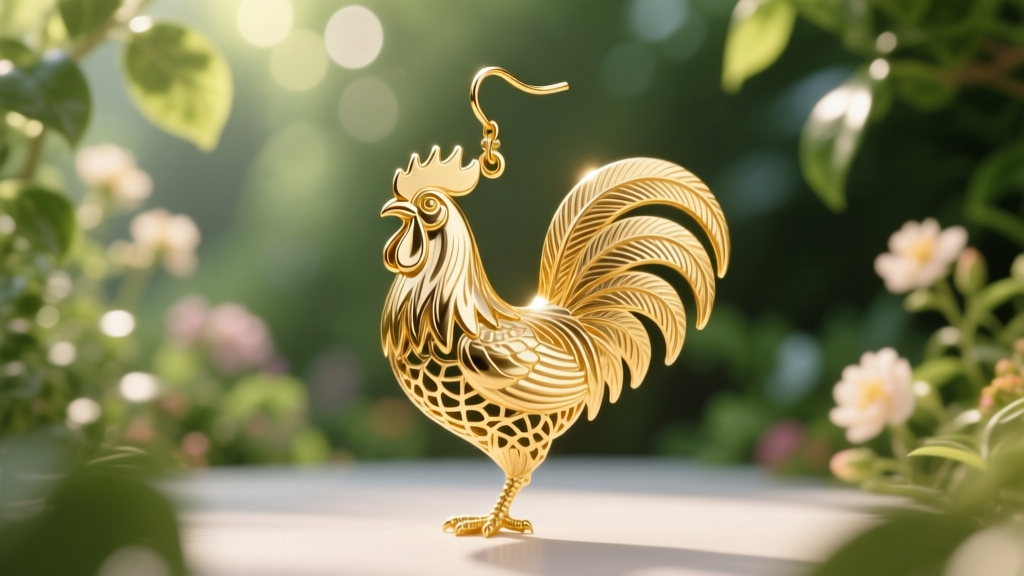
Red Flags: How to Spot Overpriced Novelty Junk
When hunting for the best budget chicken earrings, keep your radar tuned to these deceptive marketing tactics:
- The 'Tibetan Silver' Trap: Often used for intricate, antique-looking rooster designs, 'Tibetan Silver' is not actually silver. It is typically a white metal alloy (often pewter or zinc) that can contain dangerously high levels of lead and nickel. Always demand a 925 stamp for silver.
- The 'Hypoallergenic' Loophole: The term 'hypoallergenic' is entirely unregulated by the FDA or international jewelry boards. It simply means the manufacturer believes it is less likely to cause an allergy. Instead of looking for this buzzword, look for explicit material guarantees: 'Nickel-Free,' 'ASTM F138 Titanium,' or 'Solid 14k Gold.'
- Flash Plating on Brass: Some mid-tier brands use a brass core with a 'gold flash' plating. Brass is an excellent, durable metal, but if the gold plating is only 0.1 microns thick, it will rub off against your hair and neck within weeks, leaving you with a dull, oxidized brown chicken earring.
Final Verdict: Maximizing Your Poultry Budget
Finding high-quality chicken earrings on a budget requires looking past the cute exterior and interrogating the structural integrity of the piece. If your budget is strictly under $15, treat the purchase as temporary, seasonal fun and remove the earrings before sleeping or showering to prolong the plating. If you can stretch your budget to the $30 to $45 range, prioritize solid 925 sterling silver studs with cold enamel. This tier offers the perfect intersection of whimsical style, biological safety, and long-term financial value, ensuring your farmyard fashion remains a staple of your wardrobe for years to come.


