Budget Dangle Cross Earrings: 2026 Value & Buyer Guide
Discover the true value of budget dangle cross earrings in 2026. We analyze materials, hardware, and pricing tiers to help you avoid cheap pitfalls.

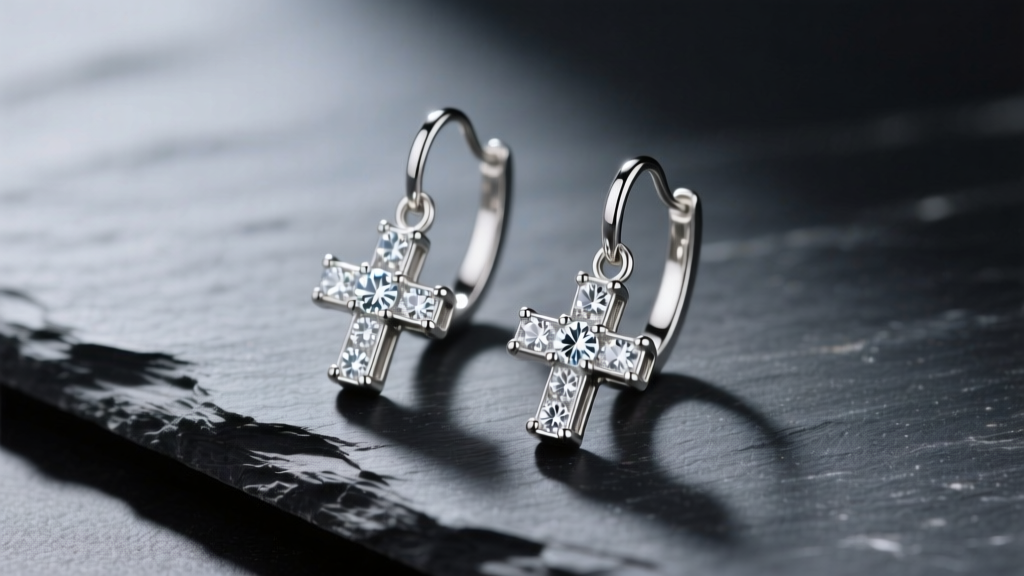
The True Cost of Cheap Dangle Cross Earrings
In the 2026 jewelry market, inflation and fluctuating precious metal prices have made budget-friendly alternatives more appealing than ever. However, when shopping for dangle cross earrings, the line between 'affordable' and 'disposable' is incredibly thin. A low price tag often masks severe compromises in metallurgy, hardware integrity, and ergonomic design. Before you add a $15 pair of cross dangles to your cart, it is crucial to understand the hidden costs of ultra-cheap jewelry.
The most common failure mode in budget dangle earrings is contact dermatitis caused by nickel-heavy base alloys. According to the Mayo Clinic, nickel allergy is one of the most prevalent causes of allergic contact dermatitis, affecting up to 36% of women. Cheap manufacturers often use brass or nickel-silver alloys beneath a microscopically thin flash plating that wears off within days, exposing the earlobe to irritants. True value in budget jewelry means prioritizing hypoallergenic base metals, even if it costs a few dollars more upfront.
Material Breakdown: Where Your Money Actually Goes
To assess value, you must look past the surface shine and examine the core material. The Federal Trade Commission (FTC) Jewelry Guides strictly regulate how metals can be described, yet fast-fashion brands frequently skirt these rules with misleading terms like 'gold dipped' or 'silver toned.' Here is what you should actually look for:
1. 925 Sterling Silver (The Baseline)
Sterling silver (92.5% pure silver, 7.5% copper) is the absolute minimum standard for budget dangle cross earrings. It is inherently hypoallergenic for most wearers and holds its structural integrity. However, silver tarnishes when exposed to sulfur and moisture. Value-driven brands will often apply a rhodium or e-coating to prevent oxidation, extending the lifespan of the piece significantly.
2. Gold Vermeil vs. Gold Plated
This is where budget buyers lose the most money. Standard 'gold plated' earrings feature a brass or copper base with a gold layer as thin as 0.1 microns. Gold vermeil, by FTC definition, must feature a sterling silver base with a gold plating of at least 2.5 microns. If a brand does not explicitly state the micron thickness and base metal, assume it is cheap flash plating that will rub off against your neck within a month.
3. 316L Surgical Steel (The Budget King)
If your budget is strictly under $25, 316L surgical steel is your safest bet. It contains trace amounts of nickel, but the metal is bound in a crystalline structure that prevents leaching, making it highly biocompatible and resistant to tarnish. It lacks the prestige of precious metals but offers unmatched durability for everyday wear.
2026 Value Tier Analysis: What to Expect at Every Budget
Not all budgets are created equal. Below is a structured breakdown of what you should demand from manufacturers at different price points when purchasing dangle cross earrings.
| Price Tier | Base Material | Plating / Finish | Hardware Type | Expected Lifespan |
|---|---|---|---|---|
| Under $25 | 316L Surgical Steel or Copper | Unplated or PVD Titanium | Standard Fishhook (22G) | 1-2 Years (High tarnish risk if copper) |
| $25 - $60 | 925 Sterling Silver | Rhodium or E-Coated | Leverback or Secure French Wire (20G) | 3-5 Years with proper care |
| $60 - $120 | 925 Sterling Silver | 2.5+ Micron 14k/18k Gold Vermeil | Leverback with Soldered Jump Rings | 5+ Years (Re-platable) |
Hardware & Mechanics: The Hidden Value Indicators
The structural hardware of dangle earrings dictates their survival rate. A beautiful cross pendant is useless if the connection mechanism fails. When evaluating budget options, scrutinize these three mechanical details:
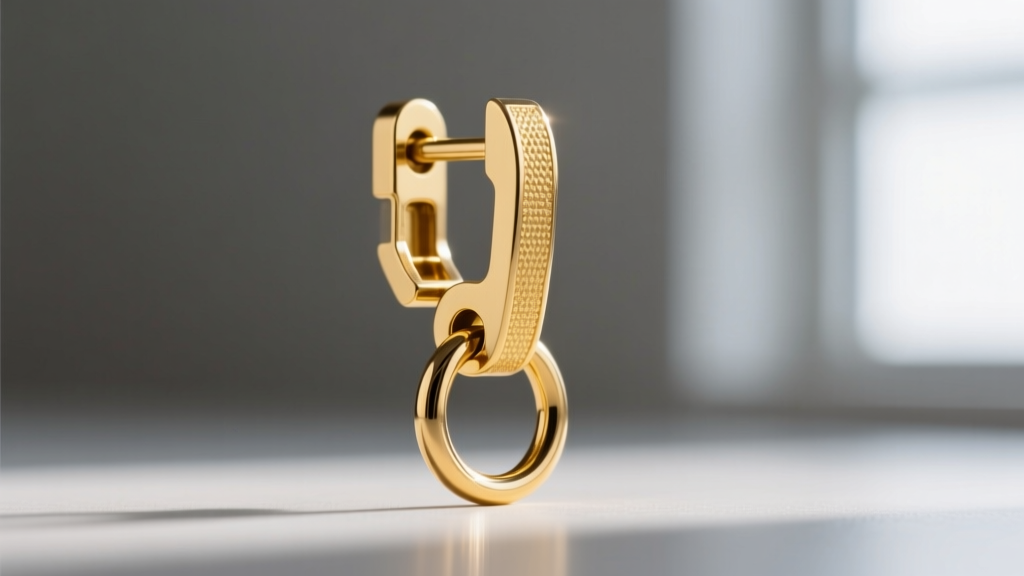
- The Jump Ring: The tiny ring connecting the cross to the ear wire is the #1 point of failure. Ultra-cheap earrings use 'split rings' that are simply bent into a circle; these easily catch on hair and pull apart. High-value budget earrings use laser-welded or soldered jump rings that form a continuous, unbreakable loop.
- Wire Gauge Thickness: The thickness of the ear wire matters immensely for dangles. Standard cheap hooks are often 22-gauge (0.64mm), which is too thin and will bend under the swinging weight of a metal cross. Look for 20-gauge (0.81mm) wires, which provide the necessary rigidity to maintain their shape while remaining comfortable for standard lobe piercings.
- Clasp Security: Fishhook wires rely on friction and are easily lost. For dangle styles that catch on scarves and hair, a leverback clasp or a locking French wire is a massive value-add, ensuring you don't lose your earrings during daily commutes.

Weight Distribution & Ergonomics
A frequently overlooked aspect of value is ergonomics. Heavy, solid-cast metal crosses act like pendulums, pulling on the earlobe and causing micro-tears in the piercing channel. Over time, this leads to permanent lobe stretching and drooping.
Smart budget brands utilize hollow-cast manufacturing or electroforming. This technique creates a three-dimensional, visually substantial cross pendant that is up to 70% lighter than its solid counterpart. When browsing product descriptions, look for terms like 'lightweight,' 'hollow-cast,' or 'tube construction.' If the product listing fails to mention the weight and the cross looks overly thick, proceed with caution.
Expert Verdict: Your 2026 Buying Checklist
To ensure you are getting genuine value rather than just a low price, run your prospective dangle cross earrings through this final checklist before purchasing:
- Verify the Base Metal: Ensure it is explicitly listed as 925 Sterling Silver or 316L Surgical Steel. Avoid 'alloy' or 'brass' at all costs.
- Check the Plating Specs: If buying gold, confirm it is 'vermeil' with at least 2.5 microns of thickness over silver.
- Inspect the Connections: Zoom in on product photos to ensure the jump rings are soldered or laser-welded, not split.
- Confirm the Gauge: Opt for 20-gauge wires for structural stability.
- Assess the Weight: Favor hollow-cast or openwork (filigree) cross designs to prevent earlobe fatigue.
By applying these rigorous standards, you can easily find dangle cross earrings that offer the aesthetic and emotional resonance of fine jewelry, without the premium markup. True budget value isn't about spending the least amount of money; it's about maximizing the cost-per-wear of a piece that remains beautiful, safe, and intact for years to come.


