How to Help an Earring Infection: Budget Care & Metal Upgrades
Discover how to help an earring infection on a budget. Compare the true cost of cheap metals vs. implant-grade titanium and affordable aftercare tips.

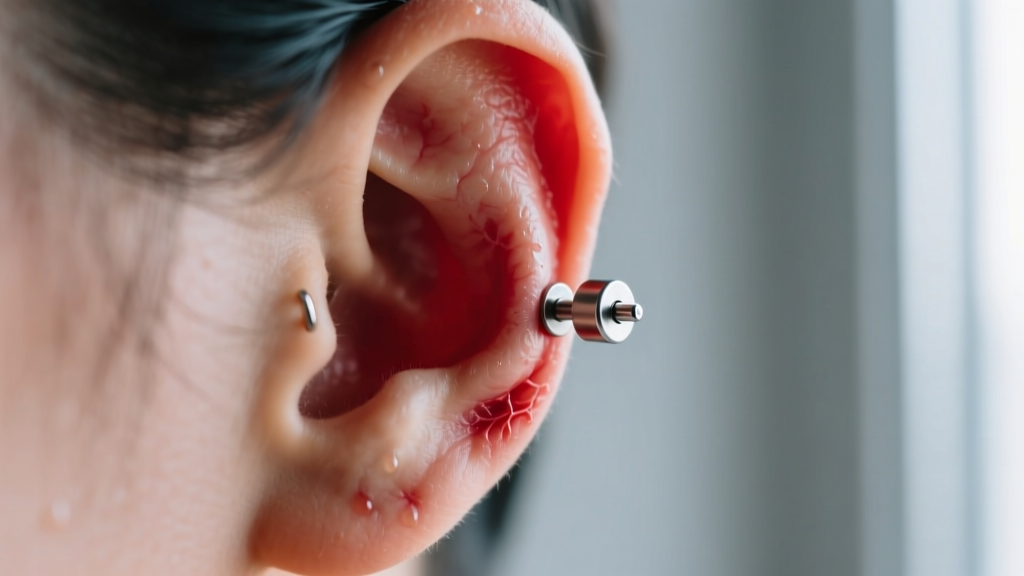
Dealing with a painful, swollen piercing is incredibly frustrating, but the financial drain of trying to fix it with the wrong products can be even worse. When you are searching for how to help an earring infection, the internet is flooded with expensive, branded 'aftercare' sprays and contradictory advice that often leads to buying cheap replacement jewelry, which only restarts the cycle of irritation. From a budget and value assessment perspective, treating an earring issue requires distinguishing between a true bacterial infection and an allergic reaction, then applying targeted, low-cost solutions while strategically upgrading your jewelry metals.
In 2026, the cost of medical visits for minor piercing complications can easily exceed $150 at an urgent care clinic. By understanding the metallurgy of your earrings and the biology of your healing tissue, you can resolve most minor piercing flare-ups for under $20. This guide breaks down the exact clinical steps, material grades, and gauge mechanics you need to protect your ears and your wallet.
The True Cost of Cheap Earrings: Allergies vs. Infections
Before spending money on antibiotic ointments or urgent care copays, you must accurately assess what is actually happening to your ear. The vast majority of what consumers call an 'infection' is actually allergic contact dermatitis. According to the Mayo Clinic, nickel is one of the most common causes of contact dermatitis, and it is heavily prevalent in cheap fashion jewelry.
- Allergic Reaction (Contact Dermatitis): Characterized by intense itching, clear or slightly yellow weeping fluid, flaky skin, and localized redness exactly where the metal touches the skin. This is a rejection of the metal alloy, usually due to nickel leaching from 'surgical steel' or brass plated in cheap gold.
- Bacterial Infection: Characterized by throbbing pain, excessive heat radiating from the tissue, deep red or purple swelling, and thick, opaque pus (green, dark yellow, or white). This requires a different, more aggressive approach.
If you are reacting to nickel, no amount of saline or antibiotic cream will solve the problem. The only cure is removing the offending metal. Continuing to wear a $5 pair of nickel-heavy hoops while buying $15 bottles of piercing spray is a poor allocation of your budget.
Immediate Budget-Friendly Triage: How to Help an Earring Infection
If you have confirmed a mild bacterial flare-up or severe irritation, you do not need expensive boutique aftercare products. Here is the most cost-effective, clinically sound protocol to manage the issue at home.
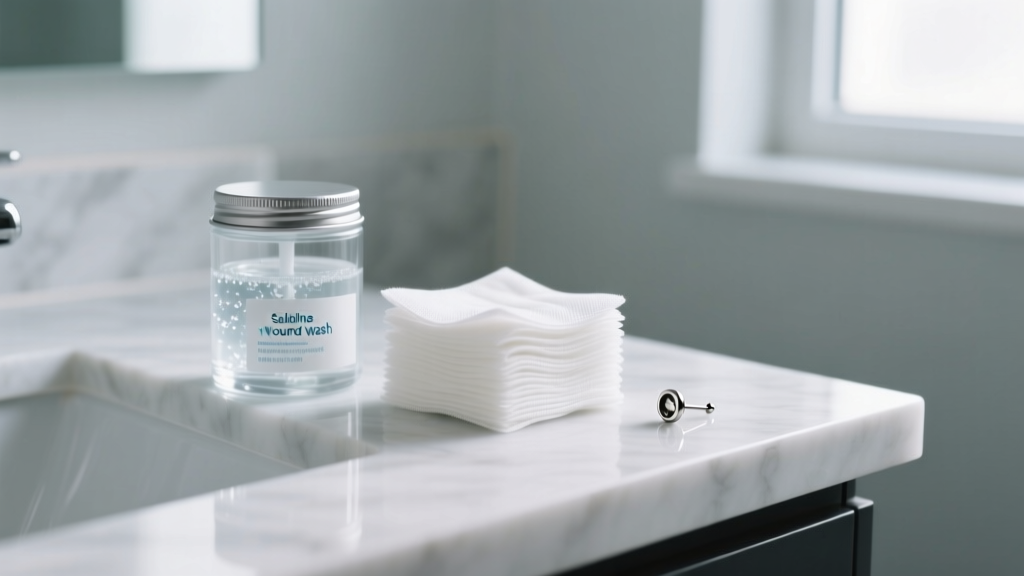
1. The Generic Saline Soak (Cost: ~$4.00)
Do not buy branded 'piercing aftercare sprays' that cost $12 to $18. Instead, go to any pharmacy and purchase a generic canister of sterile wound wash saline. The only ingredients listed must be 0.9% sodium chloride and water. No preservatives, no aloe, no tea tree oil. Spray it onto a clean, non-woven gauze pad (cotton balls leave fibers that can trap bacteria in the fistula) and hold it against the piercing for 3 to 5 minutes, twice a day.
2. The Warm Compress (Cost: ~$0.00)
For painful, throbbing localized swelling, a warm compress increases blood flow to the area, encouraging your body's natural immune response to clear the bacterial load. Use clean gauze soaked in warm (not hot) distilled or bottled water. Avoid tap water, which can contain trace amoebas or heavy metals that irritate open wounds.
3. The Golden Rule: Do Not Remove the Jewelry
Unless directed by a medical professional, never take the earring out if you suspect a true bacterial infection. The jewelry acts as a drain. If you remove it, the surface holes can heal over rapidly, trapping the infection inside the tissue and forming an abscess. An abscess requires medical lancing and prescription antibiotics, turning a $4 saline fix into a $250 medical bill.
Material Value Assessment: Upgrading Your Jewelry on a Budget
If your 'infection' is actually an allergy, or if you need to swap your jewelry to a safer metal to allow an infection to drain properly, you must choose the right material. The Association of Professional Piercers (APP) strictly recommends specific metals for compromised tissue. Here is a value assessment of common earring materials.
| Material Grade | Avg. Cost (Single Stud) | Nickel Risk | Budget Value Rating |
|---|---|---|---|
| 'Surgical Steel' (316L) | $5 - $15 | High (8-12% Nickel) | Poor (Causes repeat issues) |
| Implant-Grade Titanium (ASTM F-136) | $15 - $35 | None (Biocompatible) | Excellent (Best long-term ROI) |
| Niobium | $12 - $25 | None | Very Good (Great for hoops) |
| 14k / 18k Solid Gold | $60 - $200+ | Low (If alloyed safely) | Fair (High upfront cost) |
The 2026 Market Reality: Titanium vs. Gold
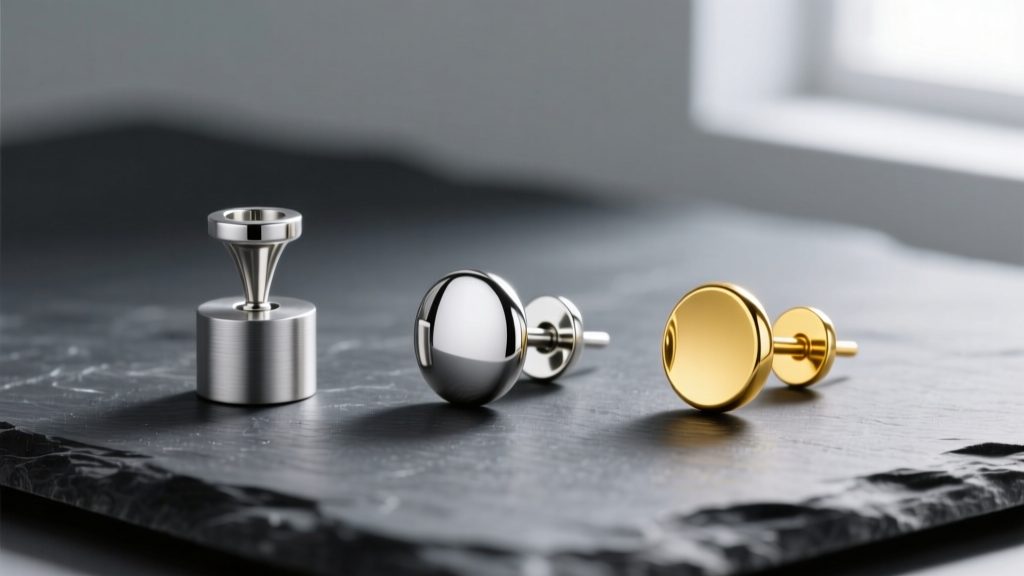
With the global price of raw gold continuing its steep upward trajectory through 2026, solid 14k and 18k gold earrings have become luxury investments. For someone actively trying to heal a compromised piercing on a budget, ASTM F-136 Implant-Grade Titanium is the undisputed champion. It is the exact same metal used in surgical joint replacements, completely inert, and costs a fraction of gold. A $20 titanium labret stud from a reputable piercer is the single best financial investment you can make for your ear health.
The Hidden Mechanics: Gauge Sizes, Post Length, and Swelling
Many budget-conscious buyers focus solely on the metal but ignore the physical dimensions of the earring, which is a massive hidden cause of persistent 'infections'. Standard fashion earrings are usually 20-gauge (0.81mm) or 18-gauge (1.02mm) with very short posts.
When an earlobe or cartilage piercing becomes irritated, the tissue swells. If your earring post is only 6mm long, the swelling will engulf the backing, creating a pressure trap. Furthermore, a thin 20-gauge wire can create a 'cheese-cutter' effect, where the thin metal slices through the swollen, softened tissue, causing micro-tears that invite bacteria.
Pro-Tip: If your ear is swollen, visit a professional piercer and ask to be upsized to a 16-gauge (1.29mm) or 14-gauge (1.60mm) titanium labret with an 8mm or 10mm post length. The thicker metal provides stability, and the longer post accommodates the swelling, allowing the wound to breathe and drain. This minor adjustment usually costs under $30 and instantly relieves pressure-induced inflammation.
When DIY Fails: Assessing the Financial Risk of Medical Complications
While budget triage is highly effective for minor flare-ups and allergic reactions, you must know when to stop DIY treatments and seek medical help. Ignoring a severe infection to save money is a false economy that can lead to permanent damage and massive medical debt.
Cartilage piercings (like the helix, conch, or daith) are particularly vulnerable. Cartilage lacks its own blood supply, meaning your body's immune system cannot easily deliver white blood cells to fight off bacteria. An infection here can quickly develop into perichondritis, a severe infection of the tissue surrounding the cartilage. If left untreated, perichondritis can lead to cartilage necrosis and permanent 'cauliflower ear' deformity, which requires expensive reconstructive surgery.
Go to a doctor immediately if you experience:
- A fever or chills accompanying the ear pain.
- Redness and swelling that is rapidly spreading outward from the piercing site down your neck or face.
- Pus that is foul-smelling or heavily blood-tinged.
- Inability to move your jaw or neck without sharp pain in the ear.
Long-Term Value: Building an Infection-Proof Wardrobe
Ultimately, learning how to help an earring infection on a budget is about shifting your spending habits from reactive treatments to proactive prevention. Stop buying multi-packs of cheap, mystery-metal earrings from fast-fashion retailers or mall kiosks. The $15 you save upfront will inevitably be spent on hydrocortisone creams, antibiotic ointments, and ruined piercings.
Instead, allocate that same $15 toward a single, high-quality implant-grade titanium stud from a verified body jewelry brand like NeoMetal, BVLA, or a reputable local APP-certified piercer. By investing in biocompatible metals, respecting the gauge and length requirements of your unique anatomy, and utilizing cheap, generic sterile saline for maintenance, you can maintain a flawless, infection-proof earring wardrobe for a lifetime.


